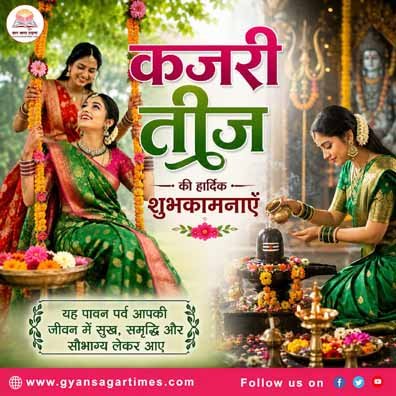
भारतीय संस्कृति में परम्पराओं व पर्वों का विशेष महत्व है. कई ऐसे पर्व भी मनाये जाते हैं जो केवल धार्मिक अनुष्ठान नहीं, बल्कि ऋतु, प्रकृति, लोकगीत, पारिवारिक संबंधों और स्त्री-जीवन की भावनाओं को अभिव्यक्त करने वाले होते हैं. इन्हीं में एक पर्व है कजरी तीज का. यह पर्व भाद्रपद मास के कृष्ण पक्ष की तृतीया को मनाया जाता है. इसे कई स्थानों पर ‘बड़ी तीज’ या ‘बूढ़ी तीज’ के नाम से भी जाना जाता है. यह तीज भारतीय नारी जीवन, प्रकृति प्रेम और विरह-मिलन के भावों को सहेजने वाला एक सांस्कृतिक महाकुंभ है. कजरी तीज का पर्व विशेष रूप से उत्तर भारत के बिहार, उत्तर प्रदेश, मध्य प्रदेश, राजस्थान और झारखंड आदि क्षेत्रों में विभिन्न लोकपरंपराओं के साथ मनाया जाता है.
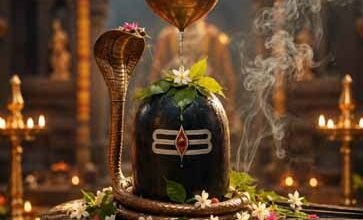
पौराणिक ग्रंथों के अनुसार, तीज को भगवान शिव और माता पार्वती के दांपत्य संबंध से भी जोड़ा जाता है. माता पार्वती ने भगवान शिव को पति रूप में प्राप्त करने के लिए कठोर तपस्या कर उन्हें प्राप्त किया था. इसलिए यह व्रत अखंड सुहाग, वैवाहिक सुख और परिवार की खुशहाली के लिए रखा जाता है. सुहागिन स्त्रियां इस दिन निर्जला व्रत रखकर भगवान शिव और माता गौरी की विधि-विधान से पूजा करती हैं. अनेक क्षेत्रों में नीम की डालियों अथवा वृक्ष के नीचे पूजा करने की परंपरा भी मिलती है. पूजा के माध्यम से महिलाएं पति की दीर्घायु, परिवार की समृद्धि तथा दांपत्य जीवन की सुख-शांति की कामना करती हैं. वहीं, अविवाहित युवतियां भी अच्छे जीवनसाथी की कामना से इस व्रत को करती हैं.
अन्य तीज पर्वों से अलग होता है कजरी तीज. ज्ञात है कि, ‘कजरी’ शब्द स्वयं लोकगीत की एक विशिष्ट शैली की ओर संकेत करता है. कजरी तीज का नामकरण और इसका वास्तविक आकर्षण इसके लोकगीतों से जुड़ा हुआ है, जिन्हें ‘कजरी’ कहा जाता है. यह पर्व मूल रूप से वर्षा ऋतु के गीत हैं, जिनमें प्रकृति की सुंदरता के साथ-साथ प्रियतम के परदेश में होने पर उत्पन्न होने वाले विरह और मिलन की तड़प का मार्मिक चित्रण मिलता है. कजरी तीज के अवसर पर महिलाएं और युवतियां हाथों में हरी चूड़ियां पहनकर, सोलह श्रृंगार करके झूलों पर झूलती हुए समवेत स्वर में कजरी गीत गाती हैं.
इस पर्व का प्रकृति और वर्षा ऋतु से गहरा संबंध है. भादो के महीने में वर्ष अपने चरम पर होती है और चारों तरफ हरियाली व खेतों में नई फसल के साथ-साथ वातावरण में मिट्टी की सोंधी सुगंध व्याप्त रहती है. बादलों का घिरना विरहिणी के मन की व्याकुलता को व्यक्त करता है, वर्षा प्रियतम की स्मृति को तीव्र करती है और झूला जीवन में उमंग का प्रतीक बन जाता है. कजरी के गीतों में मायके की याद, भाई के आने की प्रतीक्षा, सखियों का साथ, पति से मिलन की इच्छा, ससुराल का अनुभव, विरह, प्रेम और घरेलू जीवन की छोटी-बड़ी भावनाएं सहज रूप में सामने आती हैं.
कजरी तीज का विश्लेषण नारी जीवन के संदर्भ के बिना अधूरा है चूकिं, पारंपरिक रूप से यह पर्व स्त्री के वैवाहिक जीवन और उसके पारिवारिक दायित्वों से जुड़ा रहा है. कजरी गीतों में स्त्री अपनी इच्छाओं, दुखों और आकांक्षाओं को प्रतीकात्मक भाषा में व्यक्त करती है. यही कारण है कि कजरी तीज को लोक-संस्कृति के भीतर स्त्री की भावनात्मक अभिव्यक्ति का महत्वपूर्ण मंच माना जा सकता है. इस अवसर पर गाया जाने वाला गीत, उत्तर भारतीय लोक-संगीत की एक महत्वपूर्ण गायन-परंपरा है. यह पर्व नारी सशक्तिकरण और अभिव्यक्ति का खुला मंच है. इस अवसर पर विशेष पकवान बनाये जाते हैं. खासकर उत्तर भारत में सत्तू (चना और जौ का) खाने और दान करने की विशेष परंपरा है. इसके अलावा घेवर, मालपुए और विभिन्न प्रकार की मिठाइयां बनाई जाती हैं. वर्तमान समय के आधुनिक युग में जहां संयुक्त परिवार बिखर रहे हैं और कंक्रीट के जंगलों ने पेड़ों की जगह ले ली है, वहां कजरी तीज जैसी पारंपरिक लोक-संस्कृति के सामने अस्तित्व का संकट खड़ा हो गया है. वर्तमान समय के दौर में खुले मैदानों और बड़े पेड़ों का अभाव होता जा रहा है जिसके कारण झूले की संस्कृति लुप्त होती जा रही है.
कजरी तीज केवल एक व्रत या उत्सव नहीं है, बल्कि यह हमारी उस समृद्ध लोक-संस्कृति का हिस्सा है जो हमें प्रकृति से जोड़ती है. कभी कजरी गीतों में बादलों की गूंज के साथ स्त्री के मन की आवाज सुनाई देती है परंतु, तेजी से बदलती इस जीवनशैली ने कई लोक परम्पराएँ आज विलुप्त होने के कगार पर खड़ी है.
========== ========= ===========
Kajari Teej
Traditions and festivals hold special significance in Indian culture. Many festivals are celebrated that are not merely religious rituals but also express the seasons, nature, folk songs, family relationships, and the emotions of women’s lives. One such festival is Kajari Teej. This festival is celebrated on the third day of the Krishna Paksha (dark fortnight) of the month of Bhadrapada. In many places, it is also known as ‘Badi Teej’ or ‘Budhi Teej’. This Teej is a cultural Mahakumbh that preserves the feelings of Indian women’s lives, love for nature, and separation and reunion. Kajari Teej is celebrated with various folk traditions, especially in the North Indian regions of Bihar, Uttar Pradesh, Madhya Pradesh, Rajasthan, and Jharkhand.
According to mythological texts, Teej is also associated with the marital relationship between Lord Shiva and Goddess Parvati. Goddess Parvati performed rigorous penance to attain Lord Shiva as her husband. Therefore, this fast is observed for unbroken marital bliss, marital happiness, and family well-being. Married women observe a Nirjala fast on this day and worship Lord Shiva and Goddess Gauri with rituals. In many regions, there is also a tradition of worshipping under neem branches or trees. Through this worship, women pray for the long life of their husbands, prosperity of their families, and happiness and peace in their married life. Unmarried women also observe this fast with the hope of finding a good life partner.
Kajri Teej is distinct from other Teej festivals. It is known that the word ‘Kajri’ itself refers to a specific genre of folk song. Kajri Teej’s name and its true appeal lie in its folk songs, called ‘Kajri’. This festival is primarily a rainy season song, which, along with the beauty of nature, poignantly depicts the separation and yearning for union that arises when the beloved is abroad. On the occasion of Kajri Teej, women and young girls wear green bangles, adorn themselves with sixteen adornments, and swing on swings, singing Kajri songs in unison.
This festival is deeply connected to nature and the rainy season. The month of Bhado marks the peak of the year, with greenery everywhere and new crops in the fields, along with the sweet fragrance of the soil permeating the atmosphere. The gathering clouds express the restlessness of a woman in love, the rain intensifies the memory of her beloved, and the swing becomes a symbol of joy in life. Kajri songs naturally express memories of her parents’ home, the anticipation of her brother’s return, the companionship of her friends, the desire to reunite with her husband, the experience of her in-laws, separation, love, and the small and big emotions of domestic life.
An analysis of Kajri Teej is incomplete without reference to women’s lives, as this festival has traditionally been associated with a woman’s marital life and her family responsibilities. In Kajri songs, women express their desires, sorrows, and aspirations through symbolic language. This is why Kajri Teej can be considered an important platform for women’s emotional expression within folk culture. The songs sung on this occasion are an important singing tradition of North Indian folk music. This festival is an open platform for women’s empowerment and expression. Special dishes are prepared on this occasion. Especially in North India, there is a special tradition of eating and donating Sattu (made from gram and barley). Ghevar, Malpua, and various sweets are also prepared. In today’s modern era, where joint families are disintegrating and concrete jungles have replaced trees, traditional folk culture like Kajri Teej is facing an existential crisis. In today’s times, there is a shortage of open fields and large trees, due to which the swing culture is disappearing. Kajri Teej isn’t just a fast or a celebration, but rather a part of our rich folk culture that connects us with nature. Kajri songs once echoed the echoes of clouds and echoed the voices of women’s hearts. However, this rapidly changing lifestyle has left many folk traditions on the brink of extinction.