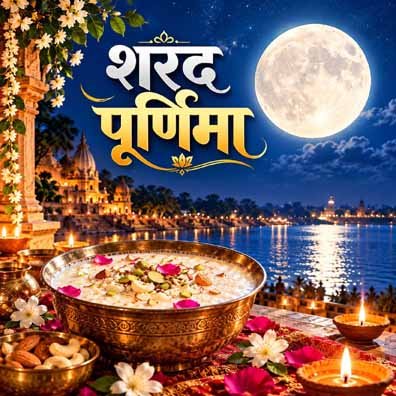
भारतीय जीवन-दृष्टि में चंद्रमा की शीतलता, प्रकृति की सुंदरता, प्रेम की पवित्रता और आध्यात्मिक अनुभूति को एक सूत्र में पिरोता है. वहीं. आश्विन मास की पूर्णिमा को मनाया जाने वाला यह पर्व वर्षा ऋतु की विदाई और शरद ऋतु के आगमन की सुंदर अनुभूति कराता है. आश्विन मास की पूर्णिमा के दिन चंद्रमा अपनी संपूर्ण सोलह कलाओं से परिपूर्ण होकर पृथ्वी के सबसे निकट होता है, जिसकी किरणें अमृततुल्य मानी जाती हैं. और इस पूर्णिमा को शरद पूर्णिमा, रास पूर्णिमा या कोजागरी (कौमुदी व्रत) पूर्णिमा के नाम से जाना जाता है.
शरद पूर्णिमा को केवल धार्मिक आस्था के दृष्टिकोण से देखना उचित नहीं होगा बल्कि, शरद ऋतु के आगमन से पहले वर्षा के बाद स्वच्छ हुआ आकाश, वातावरण में अपेक्षाकृत कम आर्द्रता, मंद शीतल हवाएँ और चंद्रमा की उज्ज्वल चाँदनी इस ऋतु को विशिष्ट बनाती हैं. पौराणिक ग्रंथों व लोकमानस में यह धारणा प्रचलित है कि, शरद पूर्णिमा का चंद्रमा अपनी सोलह कलाओं से पूर्ण होता है. यहाँ चंद्रमा की पूर्णता केवल खगोलीय स्थिति का संकेत नहीं, बल्कि समग्रता, संतुलन और सौंदर्य का सांस्कृतिक प्रतीक माना जाता है. वहीं, वैष्णव परंपरा में शरद पूर्णिमा का संबंध भगवान श्रीकृष्ण की महारास लीला से जोड़ा जाता है.
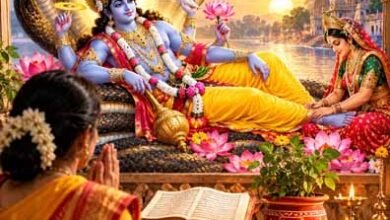
पौराणिक ग्रंथों के अनुसार, शरद पूर्णिमा की रात्रि को श्रीकृष्ण ने वृंदावन में गोपियों के साथ महारास किया था. भक्ति परंपरा में रास को जीवात्मा और परमात्मा के प्रेमपूर्ण संबंध, समर्पण तथा अहंकार के विसर्जन के प्रतीक के रूप में भी समझा गया. यहाँ प्रेम अधिकार की भावना नहीं, बल्कि आत्मिक समर्पण का माध्यम बनता है. यह हमें सोचने के लिए प्रेरित करती है कि मनुष्य के जीवन में प्रेम, करुणा और आत्मीयता का स्थान कितना महत्त्वपूर्ण होता है.
भारतीय साहित्य में पूर्णिमा का विशेष महत्व होता है इस पूर्णिमा में कहीं चंद्रमा सौंदर्य, शीतलता, विरह, प्रेम क्क प्रतीक माना जाता है वहीं, संस्कृत व हिंदी कविता और लोकगीतों में पूर्णिमा की शीतल किरणें मानवीय भावनाओं को अभिव्यक्त करने में महत्त्वपूर्ण भूमिका निभाई है. भारतीय लोकगीतों में चाँदनी प्रेमियों के मिलन और विरह, नववधू की प्रतीक्षा, पारिवारिक उत्सव तथा ग्रामीण जीवन की सहज प्रसन्नता से जुड़ती है. वहीं, आधुनिक जीवन में, जहाँ कृत्रिम रोशनी, निरंतर डिजिटल संपर्क और व्यस्त दिनचर्या ने प्राकृतिक अनुभवों का समय भी कम कर दिया है. शरद या कोजागरी पूर्णिमा के दिन देवी लक्ष्मी की पूजा और रात्रि-जागरण का विशेष महत्त्व होता है. वैसे तो कोजागरी शब्द का अर्थ होता है ‘कौन जाग रहा है?’. वैसे तो यह पूर्णिमा अपने कर्तव्यों, अवसरों और जीवन के प्रति सजग रहने का प्रतीकात्मक संदेश भी देता है.
शरद पूर्णिमा की रात्रि को एक अधूरी परंपरा का निर्वाह हर घर में किया जाता है चाहे वो शहरी या ग्रामीण जीवन हो. आज के दिन खुले आकाश के नीचे खीर रखने और अगले दिन उसे प्रसाद के रूप में ग्रहण करना। लोकपरंपराओं के अनुसार, शारद पूर्णिमा की रात्रि को चंद्रमा की किरणों से खीर में विशेष गुण उत्पन्न होते हैं और वह स्वास्थ्य के लिए लाभकारी बन जाती है. वहीं, वैज्ञानिक दृष्टिकोण से ऐसा कोई पर्याप्त विश्वसनीय प्रमाण नहीं है कि शरद पूर्णिमा की चाँदनी में रखने मात्र से खीर में विशेष औषधीय गुण उत्पन्न हो जाते हैं या वह सामान्य खीर की तुलना में असाधारण रूप से स्वास्थ्यवर्धक बन जाती है. जबकि, शरद पूर्णिमा का महत्व विशेष तब होता जब शरद पूर्णिमा की रात्रि को परिवार के सभी लोग एक साथ बैठकर चंद्रमा और रात्रि के सौंदर्य का अवलोकन करते हुए गीत-संगीत और भोजन साझा करते हुए सामाजिक संबंधों को मजबूत बनाते। शरद पूर्णिमा केवल पंचांग की एक तिथि या धार्मिक अनुष्ठान नहीं है बल्कि,जीवन को अधिक संवेदनशील, संतुलित बनाने की प्रेरणा बन सकती है.
परंपराओं के देश में पर्वों की एक बड़ी भूमिका यह है कि वे व्यक्तिगत आस्था को सामूहिक जीवन से जोड़ते हैं. वहीं, पर्वों का सामाजिक पक्ष केवल परंपराओं को दोहराने तक सीमित नहीं रहना चाहिए बल्कि, उनका वास्तविक मूल्य इस बात में है कि वे समाज में सहयोग, समानता और मानवीय संवेदना और कितना बढ़ाते हैं.
शरद पूर्णिमा केवल एक धार्मिक अनुष्ठान नहीं है, बल्कि इसके पीछे गहरा वैज्ञानिक और आयुर्वेदिक आधार भी है. आयुर्वेद के अनुसार, शरद ऋतु में पित्त का प्रकोप शांत होने लगता है और पाचन शक्ति में सुधार होता है। इस मौसम में चंद्रमा की किरणों में विशेष औषधीय और चुंबकीय गुण होते हैं. चुकि, इस रात चंद्रमा से निकलने वाली किरणें और दूध-चावल की खीर का संयोजन शरीर के लिए अमृत समान कार्य करता है. दूध में लैक्टिक एसिड और चावल में स्टार्च होता है, जो चांदनी रात में रखे जाने पर औषधीय गुणों को अवशोषित कर लेते हैं. यह श्वसन तंत्र, नेत्र ज्योति और रोग प्रतिरोधक क्षमता को बढ़ाने में सहायक होता है.
भारतीय लोकजीवन में शरद पूर्णिमा शरद ऋतु के स्वागत और उत्सव का प्रतीक होता है. ग्रामीण अंचलों से लेकर शहरी क्षेत्रों तक, लोग इस रात खुले आसमान के नीचे बैठकर भजन-कीर्तन करते हैं, सांस्कृतिक कार्यक्रमों का आयोजन करते हैं और रात्रि जागरण करते हैं. यह पर्व हमें प्रकृति के साथ जुड़ने और उसके सौंदर्य का आनंद लेने का अवसर प्रदान करता है.
शरद पूर्णिमा प्रकृति, अध्यात्म और विज्ञान का एक अदभुत अवसर है हमें सिखाती है कि हमारे प्राचीन पर्व और परंपराएं अंधविश्वास पर आधारित नहीं, बल्कि पूर्णिमा हमें आंतरिक शांति, सकारात्मक ऊर्जा और शारीरिक आरोग्य का संदेश देती है. शरद पूर्णिमा का वास्तविक प्रकाश आकाश में चमकते चंद्रमा तक सीमित नहीं है बल्कि, उस विवेक, करुणा और आत्मीयता में है, जिसे मनुष्य अपने जीवन और समाज में विकसित करता है.
========== ========= ===========
Sharad Purnima – 2026.
In the Indian worldview, this occasion weaves together the coolness of the moon, the beauty of nature, the sanctity of love, and spiritual realization. Celebrated on the full moon day of the month of Ashwin, it marks the departure of the monsoon and the arrival of the autumn season (Sharad Ritu). On this day, the moon—manifesting all sixteen of its phases (solah kalas)—appears at its closest point to the Earth, and its rays are considered akin to nectar (amrita). This full moon is known as Sharad Purnima, Raas Purnima, or Kojagiri (Kaumudi Vrat) Purnima.
Viewing Sharad Purnima solely through the lens of religious faith would be incomplete; the season itself is made unique by the clear post-monsoon sky, lower humidity, gentle cool breezes, and the brilliant moonlight that accompanies the onset of autumn. According to ancient scriptures and popular belief, the moon on Sharad Purnima is complete in all its sixteen phases. This ‘completeness’ of the moon is not merely an astronomical phenomenon; it serves as a cultural symbol of wholeness, balance, and beauty. Furthermore, within the Vaishnava tradition, Sharad Purnima is associated with the Maha Raas Leela of Lord Krishna.
As per the scriptures, it was on the night of Sharad Purnima in Vrindavan that Lord Krishna performed the Maha Raas with the Gopis. In the tradition of bhakti (devotion), the Raas is understood as a symbol of the loving bond between the individual soul (jivatma) and the Supreme Soul (Paramatma), representing total surrender and the dissolution of the ego. Here, love is not an expression of possessiveness, but a medium for spiritual surrender. It invites us to reflect upon the profound significance of love, compassion, and deep, soulful connection in human life. In Indian literature, the full moon (Purnima) holds special significance. It is often regarded as a symbol of beauty, coolness, longing (viraha), and love. In Sanskrit and Hindi poetry, as well as in folk songs, the cool rays of the full moon have played a vital role in expressing human emotions. In Indian folk traditions, moonlight is associated with the union or separation of lovers, the anticipation of a new bride, family celebrations, and the simple joys of rural life. In contrast, in modern life—characterized by artificial light, constant digital connectivity, and a hectic daily routine—the time available for such natural experiences has significantly diminished. On the day of Sharad Purnima (also known as Kojagari Purnima), the worship of Goddess Lakshmi and the practice of staying awake throughout the night hold great importance. The term ‘Kojagari’ literally means “Who is awake?” In a broader sense, this full moon serves as a symbolic reminder to remain mindful—alert to one’s duties, the opportunities that arise, and life itself.
On the night of Sharad Purnima, a long-standing tradition is observed in households across both urban and rural areas: placing kheer (a traditional rice pudding) under the open sky and consuming it the following day as Prasad (a sanctified offering). According to folk tradition, the moonlight on the night of Sharad Purnima imparts special properties to the kheer, making it highly beneficial for health. From a scientific perspective, however, there is no substantial or reliable evidence to suggest that merely placing kheer under the moonlight of Sharad Purnima imbues it with unique medicinal qualities or renders it exceptionally healthier than ordinary kheer.
Nevertheless, the significance of Sharad Purnima is truly realized when families gather together to admire the moon and the beauty of the night, sharing music, songs, and a meal—an act that strengthens social bonds. Sharad Purnima is not merely a date on the calendar or a religious ritual; it can serve as an inspiration to lead a more sensitive and balanced life. In a land steeped in tradition, festivals play a vital role by connecting individual faith with collective life. The social dimension of these festivals should not be limited to the mere repetition of customs; rather, their true value lies in the extent to which they foster cooperation, equality, and human empathy within society.
Sharad Purnima is more than just a religious ritual; it is rooted in a profound scientific and Ayurvedic foundation. According to Ayurveda, the pitta (internal heat/bile) that accumulates during the autumn season begins to subside, and digestive strength improves. During this time, the moon’s rays are believed to possess specific medicinal and magnetic properties. It is said that the interaction between the moonlight and the kheer—made from milk and rice—creates a combination that acts like an elixir for the body. Milk contains lactic acid, and rice contains starch; when left out under the moonlight, these ingredients are thought to absorb these medicinal properties. It helps in strengthening the respiratory system, improving eyesight, and boosting the immune system.
In Indian folk life, Sharad Purnima serves as a celebration to welcome the autumn season. From rural villages to urban areas, people spend this night under the open sky, engaging in devotional singing (Bhajan-Kirtan), organizing cultural programs, and keeping a night-long vigil. This festival offers us an opportunity to connect with nature and appreciate its beauty.
Sharad Purnima represents a remarkable convergence of nature, spirituality, and science. It teaches us that our ancient festivals and traditions are not rooted in superstition; rather, the full moon conveys a message of inner peace, positive energy, and physical well-being. The true radiance of Sharad Purnima is not confined to the moon shining in the sky; it resides in the wisdom, compassion, and sense of kinship that an individual cultivates within their own life and society.