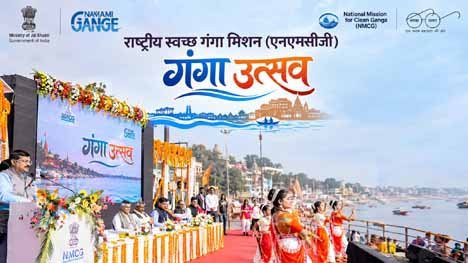
आज एक ऐसे उत्सव की बात कर रहें हैं जिसके किनारे पर सभ्यताओं के जन्म के साथ परम्पराओं का भी जन्म हुआ. वो महज एक नदी नहीं महानदी है. परम्पराओं के देश व धार्मिकक मान्यताओं के अनुसार इन्हें माँ का दर्जा प्राप्त है. इनका नाम हैं गंगा नदी – स्वर्ग में गंगा को मन्दाकिनी और पाताल में भागीरथी के नाम से जानते हैं. हिमालय से निकलकर विशाल मैदानी क्षेत्रों को सिंचित करती हुई बंगाल की खाड़ी तक पहुँचने वाली गंगा भारतीय सभ्यता की जीवनधारा, आस्था का प्रतीक और करोड़ों लोगों की आजीविका का आधार है. हर वर्ष 04 नवंबर को गंगा उत्सव माने जाता है. इसका मुख्य उद्देश्य गंगा नदी के सांस्कृतिक और आध्यात्मिक महत्व को जनमानस तक पहुँचाते हुए गंगा नदी की स्वच्छता एवं अविरलता के प्रति सामूहिक जिम्मेदारी भी विकसित करना.
गंगा उत्सव की शुरुआत मुख्य रूप से राष्ट्रीय स्वच्छ गंगा मिशन द्वारा नमामि गंगे कार्यक्रम के अंतर्गत की जाती है. जिसका मूल उद्देश्य लोगों को गंगा के संरक्षण के प्रति जागरूक करना और उन्हें नदी से भावनात्मक रूप से जोड़ना है. ज्ञात है कि, 4 नवंबर 2008 को ही गंगा नदी को भारत की ‘राष्ट्रीय नदी’ घोषित किया गया था. इस उत्सव के माध्यम से सरकार – समाज के बीच संवाद स्थापित करने का प्रयास किया जाता है जिसमें नदी संरक्षण केवल सरकारी कार्यक्रम न रहकर जन-आंदोलन का स्वरूप ग्रहण कर सके.
परम्पराओं के देश में गंगा नदी को माता “माँ” का दर्जा दिया गया है. इन्हें पवित्र, मुक्तिदाता और जीवनदायिनी शक्ति का प्रतीक भी माना जाता है. गोस्वामी तुलसीदास ने कवितावली के उत्तरकाण्ड में ‘श्री गंगा महात्म्य’ का वर्णन तीन छंदों में किया है. इन छंदों में कवि ने गंगा दर्शन, गंगा स्नान, गंगा जल सेवन, गंगा तट पर बसने वालों के महत्त्व को भी वर्णित किया है. वहीं, आधुनिक काल के कवियों में जगन्नाथदास रत्नाकर के ग्रन्थ गंगावतरण में कपिल मुनि द्वारा शापित सगर के साठ हजार पुत्रों के उद्धार के लिए भगीरथ की ‘भगीरथ-तपस्या’ से गंगा के भूमि पर अवतरित होने की कथा है. श्रृंगार-रस के कवि विद्यापति, कबीर वाणी और जायसी के पद्मावत में भी गंगा का उल्लेख है, किन्तु सूरदास और तुलसीदास ने भक्ति भावना से गंगा-महात्म्य का वर्णन विस्तार से किया है.
गंगा नदी का महत्व केवल धार्मिक आस्था तक सीमित नहीं है बल्कि, यह भारत के विशाल भूभाग की अर्थव्यवस्था का भी आधार है. उदाहरण – कृषि , पेयजल, रोजगार, जैव विविधता और पर्यटन. माँ गंगा के तट पर कई धार्मिक एवं सांस्कृतिक नगर विकसित हुए हैं, जिनमें वाराणसी, प्रयागराज, हरिद्वार और पटना। इन नगरों ने सभ्यता के विकास में कई महत्वपूर्ण भूमिका निभाई है. वहीं, सांस्कृतिक विरासत को नई पीढ़ी से जोड़ने का एक माध्यम है गंगा उत्सव. इसके अंतर्गत कई सांस्कृतिक कार्यक्रम के साथ-साथ गंगा आरती व विभिन्न जन-जागरूकता अभियान चलाया जाता है.
गंगा उत्सव के दो महत्वपूर्ण पक्ष है धार्मिक आस्था व प्रदूषण। वर्तमान समय में गंगा नदी अनेक प्रकार की प्रदूषण संबंधी समस्याओं से जूझ रही है. उदहारण –
- नगरों और औद्योगिक इकाइयों से निकलने वाले अपशिष्ट जल का नदी में प्रवाह.
- प्लास्टिक, पॉलिथीन और ठोस कचरे का नदी में विसर्जन.
- धार्मिक गतिविधियों के दौरान पूजन सामग्री एवं अन्य अपशिष्ट का अनुचित निस्तारण.
- कृषि में रासायनिक उर्वरकों और कीटनाशकों का अत्यधिक प्रयोग.
- नदी के प्राकृतिक प्रवाह में बाधा तथा तटीय पारिस्थितिकी का क्षरण.
- नदी के बाढ़ क्षेत्र में अतिक्रमण और अनियोजित निर्माण.
माँ गंगा की स्वच्छता और पुनर्जीवन के लिए भारत सरकार ने वर्ष 2014 में नमामि गंगे कार्यक्रम प्रारंभ किया। जिसका उद्देश्य गंगा की स्वच्छता, प्रदूषण नियंत्रण, जैव विविधता संरक्षण और नदी के पारिस्थितिक पुनरुद्धार को बढ़ावा देना। इस कर्यक्रम के अंतर्गत कई प्रयास किये जा रहें हैं जिनमें मुख्य हैं- सीवेज शोधन संयंत्रों की स्थापना और संचालन, औद्योगिक प्रदूषण की निगरानी, नदी तटों का विकास और स्वच्छता, जैव विविधता का संरक्षण, वृक्षारोपण और नदी तटीय क्षेत्रों का पुनरुद्धार और जनभागीदारी एवं जागरूकता अभियान. इन प्रयासों के बावजूद गंगा की स्वच्छता एक सतत चुनौती बनी हुई है.
गंगा उत्सव महज एक उत्सव नहीं है, ना ये सांस्कृतिक पर्व है बल्कि यह आत्ममंथन का अवसर है कि नदियाँ बचेंगी तभी हमारा कल सुरक्षित रहेगा. वर्तमान समय में माँ गंगा के प्रति हमारी आस्था केवल पूजा, आरती और धार्मिक अनुष्ठानों तक सीमित न रहे, बल्कि वह स्वच्छता, संरक्षण और सतत विकास के व्यवहार में भी दिखाई दे. यह उत्सव तभी सार्थक होगा जब माँ गंगा की निर्मलता व अविरलता के साथ -साथ जैव विविधता भी सुरक्षित हो.
========== ========= ===========
Ganga Utsav…
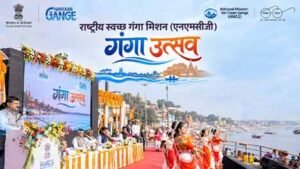
Today, we speak of a river along whose banks not only civilizations but also traditions were born. It is not merely a river; it is a ‘Mahanadi’ (a great river). In this land of traditions and religious beliefs, it is revered as a mother—’Maa’. Known as the Ganga, it is called ‘Mandakini’ in the celestial realm (Svarga) and ‘Bhagirathi’ in the netherworld (Patala). Originating in the Himalayas, traversing and irrigating vast plains before reaching the Bay of Bengal, the Ganga serves as the lifeline of Indian civilization, a symbol of faith, and the foundation of livelihood for millions. ‘Ganga Utsav’ is celebrated annually on November 4th. Its primary objective is to convey the cultural and spiritual significance of the Ganga to the public, while fostering a collective sense of responsibility toward ensuring the river’s cleanliness and its uninterrupted, free-flowing state (‘aviralta’).
Ganga Utsav is organized primarily by the National Mission for Clean Ganga (NMCG) under the ‘Namami Gange’ program. Its core purpose is to raise awareness about the conservation of the Ganga and to forge an emotional connection between the people and the river. It is worth noting that the Ganga was declared India’s ‘National River’ on November 4, 2008. Through this festival, an effort is made to establish a dialogue between the government and society, transforming river conservation from a mere government initiative into a mass movement.
In this land of traditions, the Ganga is accorded the status of a mother—’Maa’. She is revered as sacred, a bestower of liberation (mukti), and a symbol of life-sustaining power. In the ‘Uttarakanda’ of his work Kavitavali, the poet Goswami Tulsidas describes the ‘Shri Ganga Mahatmya’ (the greatness of the Ganga) across three verses. In these verses, the poet highlights the significance of beholding the Ganga, bathing in its waters, consuming its water, and residing along its banks. Among modern-era poets, Jagannathdas ‘Ratnakar’—in his work Gangavataran—recounts the story of the descent of the river Ganga to Earth, brought about by the intense penance (tapasya) of Bhagiratha, who sought to secure salvation for the sixty thousand sons of Sagara—sons who had been cursed by the sage Kapila Muni. The Ganga is also mentioned in the works of Vidyapati (a poet of shringara-rasa, or romantic/aesthetic sentiment), in the verses of Kabir, and in Jayasi’s Padmavat; however, it is Surdas and Tulsidas who, driven by deep devotion (bhakti), have described the greatness and sanctity of the Ganga in great detail.
The significance of the river Ganga extends well beyond religious faith; it serves as a cornerstone for the economy across a vast expanse of India—supporting sectors such as agriculture, the provision of drinking water, employment, biodiversity, and tourism. Numerous religious and cultural cities have flourished along the banks of ‘Ma Ganga’ (Mother Ganga), including Varanasi, Prayagraj, Haridwar, and Patna—cities that have played a pivotal role in the development of civilization. Furthermore, the ‘Ganga Utsav’ serves as a vital bridge, connecting the younger generation with their cultural heritage. This festival encompasses a variety of cultural programs, the traditional ‘Ganga Aarti,’ and numerous public awareness campaigns.
‘Ganga Utsav’ (the Ganga Festival) encompasses two significant dimensions: religious faith and the issue of pollution. At present, the Ganga River is grappling with various pollution-related challenges, for instance:
- The discharge of wastewater from cities and industrial units into the river.
- The dumping of plastic, polythene, and solid waste into the river.
- The improper disposal of ritual materials and other waste generated during religious activities.
- The excessive use of chemical fertilizers and pesticides in agriculture.
- Obstructions to the river’s natural flow and the degradation of riparian (riverbank) ecology.
- Encroachment and unplanned construction within the river’s floodplain.
To ensure the cleanliness and rejuvenation of ‘Maa Ganga’ (Mother Ganga), the Government of India launched the ‘Namami Gange’ program in 2014. Its objectives include promoting the cleanliness of the Ganga, controlling pollution, conserving biodiversity, and facilitating the ecological restoration of the river. Several initiatives are being undertaken under this program, most notably: the establishment and operation of sewage treatment plants, the monitoring of industrial pollution, the development and cleaning of riverbanks, biodiversity conservation, afforestation, the restoration of riparian zones, and campaigns for public participation and awareness. Despite these efforts, maintaining the cleanliness of the Ganga remains an ongoing challenge.
‘Ganga Utsav’ is not merely a festival or a cultural celebration; rather, it serves as an occasion for introspection—a reminder that our future remains secure only if our rivers survive. Our devotion to ‘Maa Ganga’ should not be confined solely to prayers, aartis, and religious rituals; it must also manifest through practices centered on cleanliness, conservation, and sustainable development. This festival will truly be meaningful only when the purity and continuous, unhindered flow of ‘Maa Ganga’ are restored, and her biodiversity is effectively safeguarded.