|
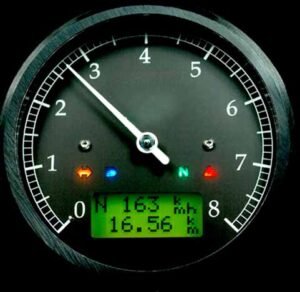
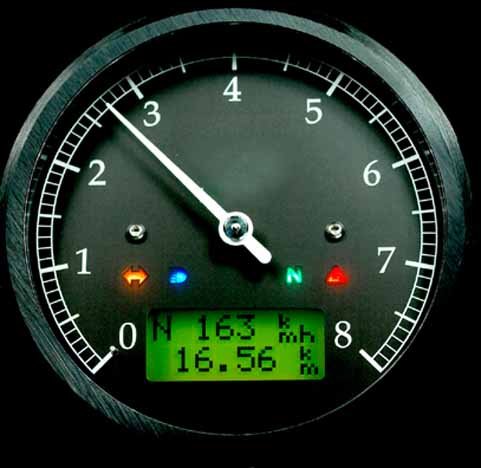
1. Heat is a type of energy that can be converted into work. Who gave the first direct evidence of this? = Joule. 2. The thermocouple thermometer is based on which principle? = Seeback effect. 3. On what principle is complete radiation thermometer based? = Stefan’s law. 4. Which part of the Sun radiation heats up the solar cooker? = Infrared ray. 5. In which method of transfer of heat is the medium not necessary? = Radiation. 6. The method of heat transmission in which the particles of the medium do not move is? = Radiation. 7. What is the transmission of heat through molecular composition? = Convection. 8. In which method of transmission of heat, the molecules of matter do not move from one place to another by themselves? = Conduction. 9. Which concept confirms the first law of thermodynamics? = Energy Conservation. 10. The concept of internal energy meets which law of thermodynamics? = First law. 11. What does the specific heat of an object depend on? = Material of the body. 12. Which sound causes a sound to become thick or thin? = Pitch. 13. When a body is thrown upwards from the surface of the earth, it does not cross the gravitational field and comes back to the earth, it is called? = Migration velocity. 14. What is the ability of an object to perform its work, it is called? = Kinetic energy. 15. How is the speed of rotation measured? = Tachometer. 16. How is frequency measured? = Using shering breezes. 17. How are waves like gamma, x, ultraviolet and infrared etc.? = Electromagnetic wave. 18. On what properties does the speed of sound depend? = Expectancy and density (properties of the medium only). 19. Which is used to determine the speed of a plane? = MAC number. 20. Who cannot move in a vacuum? = Sound. 21. Which waves are used in sonography? = Parasitic waves. 22. ‘Good absorbers are good emitters’ or who said? = Kirchhoff. 23. Which change does not change the temperature of a substance? = Change of state. 24. What is the conversion of vapor into liquid at a certain temperature? = Condensation. 25. Converting a liquid into vapor at a certain temperature is called evaporation, and this certain temperature is called? = Boiling point. 26. What is the heat required to change the state of matter at a fixed temperature? = Secret heat. 27. Which instrument is used to measure one tenth of a millimeter? = Vernier Calipers. 28. Which concept confirms the first law of thermodynamics? = Conservation of energy principle. 29. Which has the highest ‘specific heat’ value? = Water. 30. Who is the best conductor of heat? = Silver, Gold, Copper. ========== ========= =========== भौतकी से संबंधित– 261.
1. ऊष्मा एक प्रकार की ऊर्जा है जिसे कार्य में बदला जा सकता है. इसका प्रत्यक्ष प्रमाण सबसे पहले किसने दिया? = जुल. 2. ताप युग्म तापमापी किस सिद्धान्त पर आधारित है? = सीबेक का प्रभाव. 3. पूर्ण विकिरण उत्तापमापी किस सिद्धान्त पर आधारित है? = स्टीफन का नियम. 4. सूर्य विकिरण का कौन-सा भाग सोलर कुकर को गर्म कर देता है? = अवरक्त किरण. 5. ऊष्मा के स्थानान्तरण की किस विधि में माध्यम आवश्यक नहीं है? = विकिरण. 6. ऊष्मा संचरण की वह विधि जिसमें माध्यम के कण गति नहीं करते हैं, वो है? = विकिरण. 7. आण्विक संघटन के द्वारा ऊष्मा का सम्प्रेषण क्या कहलाता है? = संवहन. 8. ऊष्मा के संचरण की किस विधि में पदार्थ के अणु एक स्थान से दूसरे स्थान तक स्वयं नहीं जाते? = चालन. 9. ऊष्मा गतिकी का प्रथम नियम किस अवधारणा की पुष्टि करता है? = ऊर्जा संरक्षण. 10. आन्तरिक ऊर्जा की संकल्पना ऊष्मागतिकी के किस नियम से मिलती है? = प्रथम नियम. 11. किसी वस्तु की विशिष्ट ऊष्मा किस पर निर्भर करती है? = पिण्ड के द्रव्य. 12. ध्वनि के किस लक्षण के कारण कोई ध्वनि मोटी या पतली होती है? = तारत्व. 13. किसी वस्तु में उसके गति के कारण जो कार्य करने की क्षमता आ जाती है, उसे कहते हैं? = गतिज ऊर्जा. 14. घूमने की गति को कैसे मापा जाता है? = टैकोमीटर. 15. आवृत्ति को कैसे मापा जाता है? = शेरिंग ब्रीज के प्रयोग द्वारा. 16. गामा, एक्स, पराबैगनी तथा अवरक्त इत्यादि कैसे तरंग है? = विद्युत चुम्बकीय तरंग. 17. ध्वनि की चाल किन गुणों पर निर्भर करती है? = प्रत्यास्था तथा घनत्व (केवल माध्यम के गुणों). 18. विमान की चाल को निर्धारित करने के लिए किसका उपयोग किया जाता है? = मैक संख्या. 19. निर्वात् में कौन गमन नहीं कर सकता है? = ध्वनि. 20. सोनोग्राफी में किन तरंगों का उपयोग किया जाता है? = पराश्रव्य तरंगों. 21. ‘अच्छे अवशोषक ही अच्छे उत्सर्जक होते हैं’ या किसने कहा था? = किरचौफ. 22. किस परिवर्तन में पदार्थ का ताप नहीं बदलता है? = अवस्था परिवर्तन. 23. निश्चित ताप पर वाष्प का द्रव में बदलने को कहते हैं? = संघनन. 24. निश्चित ताप पर द्रव का वाष्प में बदलना वाष्पन कहलाता है, तथा इस निश्चित ताप को कहते हैं? = क्वथनांक. 25. नियत ताप पर पदार्थ की अवस्था में परिवर्तन के लिए आवश्यक उष्मा को कहते हैं ? = गुप्त उष्मा. 26. एक मिलीमीटर के दसवें भाग को मापने के लिए किस उपकरण का प्रयोग करते हैं? = वर्नियर कैलीपर्स. 27. ध्वनि तरंगों की प्रकृति कैसी होती है? = अनुदैर्घ्य. 28. ऊष्मा गतिकी का प्रथम नियम किस अवधारणा की पुष्टि करता है? = ताप संरक्षण. 29. किसमें ‘विशिष्ट ऊष्मा’ का मान सर्वोच्च होता है? = जल. 30. ऊष्मा का सबसे अच्छा सुचालक कौन है? = चांदी, सोना,तांबा.
|