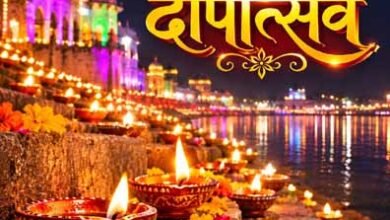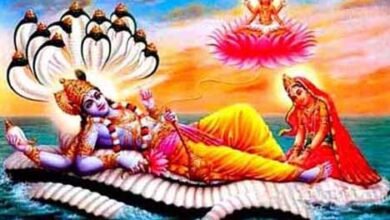
परम्पराओं के देश में जो भी पर्व मनाये जाते हैं उनका गहरा दार्शनिक, सामाजिक और पर्यावरणीय महत्व होता है. अभी फिलहाल पांच दिनों के पर्वो की श्रृंखला के चौथे दिन का पर्व जिसे हम सभी अन्नकूट या गोवर्धन पूजा के नाम से जानते है. यह पर्व दिवाली के ठीक दुसरे दिन या यूँ कहें कार्तिक शुक्ल पक्ष प्रथमा को मनाया जाता है. परम्पराओं के देश में अन्नकूट या गोवर्धन पूजा का महत्व मानव के जीवन से सीधा संबंध होता है.
गोवर्धन पूजा में गोधन यानी गायों की पूजा की जाती है, साथ ही पशुपालक अपने पशुओं को स्नान कराकर, फूलमाला, धुप, चंदन, रोली आदि से पूजा कर पकवान या मिठाई खिलाकर आरती की जाती है. धर्म ग्रन्थों के अनुसार गाय को देवी लक्ष्मी का स्वरूप माना गया है चुकिं, देवी लक्ष्मी जिस प्रकार सुख समृद्धि प्रदान करती हैं, उसी प्रकार गौ माता भी अपने दूध से स्वास्थ्य रूपी धन प्रदान करती हैं. हिन्दू धर्म में “गाय” को माता का स्थान प्राप्त है, जिस प्रकार नदियों में गंगा में गंगा का जो स्थान प्राप्त है, उसी प्रकार “गाय” को भी पवित्र माना गया है. कहा जाता है की गाय के उदर में समस्त देवताओं का निवास होता है, उसी प्रकार गाय के मुख को देवी लक्ष्मी का स्वरूप भी कहा जाता है. वेद के अनुसार, कार्तिक शुक्ल पक्ष प्रतिपदा को वरुण, इंद्र, अग्नि आदि देवताओं की पूजा की जाती है.
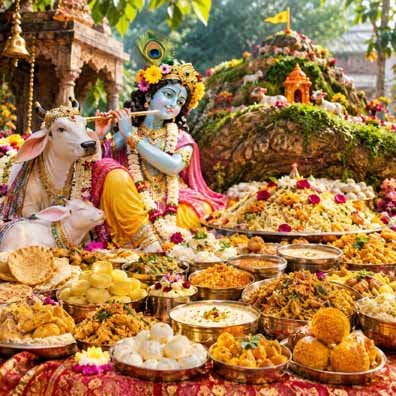
इस दिन भगवान मुरलीधर कृष्ण कन्हैया को छप्पन प्रकार के भोजन बनाकर तरह-तरह के पकवान व मिठाइयों का भोग लगाया जाता है. कहा जाता है कि, द्वापर युग में पकवान और मिठाइयां इतनी अधिक मात्रा में होती थीं कि, उनका पूरा पहाड़ ही बन जाता था. दिवाली के दुसरे दिन प्रात:काल में गाय के गोबर से गोवर्धन बनाया बनाकर फूल व लताओं आदि से सजाया जाता है और शाम को गोवर्धन की पूजा की जाती है. पूजा में धुप, दीप, नवैद्य, जल, फल, खील और बताशे आदि का प्रयोग किया जाता है.
गोवर्धन पूजा में अपमार्गा रखना जरूरी होता है. पूजा के बाद गोवर्धनजी की सात परिक्रमाएं उनकी जय बोलते हुए लगाई जाती है, परिक्रमा करते समय एक व्यक्ति हाथ में जल का बर्तन और अन्य पूजा की समाग्री व जौ लेकर चलते हैं. जल लिया हुआ व्यक्ति जल की धार गिराता हुआ तथा जौ को बोते हुए परिक्रमा करता है. गोवर्धनजी यानी गोबर से लेटे हुए पुरुष की मूर्ति बनाई जाती है, इनके नाभि के स्थान पर एक कटोरी या मिट्टी का दीपक रखा जाता है, फिर इसमें दूध, दही, गंगाजल, शहद, बताशे आदि पूजा करते समय डाल दिए जाते हैं और बाद में इसे प्रसाद के रूप में बांटा जाता है. मान्यता है कि अन्नकूट पूजा में चंद्र-दर्शन को अशुभ माना जाता है. इस दिन प्रात: तेल लगाकर स्नान करना चाहिए और शाम को गोवर्धन की पूजा की जाती है. कहा जाता है कि, गोवर्धन की पूजा करने से धन, धान्य, संतान और गोरस की वृद्धि होती है.
कथा: –
एक समय की बात है जब कृष्ण कन्हैया बचपन के दिनों में ब्रज में रहा करते करते थे उस वक्त उन्होंने देखा कि, समस्त ब्रजवासी उत्तम पकवान बना रहे हैं और, किसी पूजा की तैयारी में जुटे हुए है. तब उन्होंने नन्द बाबा से पूछा कि, बाबा आपलोग किसकी तैयारी कर रहे हैं? तब नन्द बाबा ने कहा लल्ला हम देवराज इन्द्र की पूजा के लिए अन्नकूट की तैयारी कर रहे हैं. नन्द बाबा के ऐसा कहने पर श्यामसुन्दर ने कहा बाबा हमलोग भगवान इंद्र के पूजा की तैयारी कर रहे हैं, वो वर्षा करते हैं जिससे अन्न की पैदावार होती है उनसे हमारी गायों को चारा मिलता है. तब, मुरली .मनोहर श्यामसुन्दर ने कहा कि हमें तो, गोर्वधन पर्वत की पूजा करनी चाहिए क्योंकि, हमारी गाये वहीं चरती हैं, इस दृष्टि से गोर्वधन पर्वत ही पूजनीय है और इन्द्र तो कभी दर्शन भी नहीं देते व पूजा न करने पर क्रोधित भी होते हैं अत: ऐसे अहंकारी की पूजा नहीं करनी चाहिए.
तब श्री कृष्ण ने कहा कि,’इन्द्र में क्या शक्ति है, जो पानी बरसा कर हमारी सहायता करेगा? उससे अधिक शक्तिशाली तो हमारा यह गोवर्धन पर्वत है, ‘इन्द्र में क्या शक्ति है, जो पानी बरसा कर हमारी सहायता करेगा? उससे अधिक शक्तिशाली तो हमारा यह गोवर्धन पर्वत है. अत: हमें इन्द्र से भी बलवान गोवर्धन की पूजा करनी चाहिए. इस प्रकार भगवान श्रीकृष्ण के वाक-जाल में फंसकर ब्रज में इन्द्र के स्थान पर गोवर्धन की पूजा की तैयारियां शुरू हो गईं और सभी गोप-ग्वाल अपने-अपने घरों से सुमधुर, मिष्ठान्न पकवान लाकर गोवर्धन की तलहटी में श्रीकृष्ण द्वारा बताई विधि से गोवर्धन पूजा करने लगे. उधर श्रीकृष्ण ने अपने आधिदैविक रूप से पर्वत में प्रवेश करके ब्रजवासियों द्वारा लाए गए सभी पदार्थों को खा लिया तथा उन सबको आशीर्वाद दिया.
सभी ब्रजवासी अपने यज्ञ को सफल जानकर बड़े प्रसन्न हुए. दूसरी तरफ नारद मुनि भी इन्द्रोज यज्ञ देखने की इच्छा से वहां आए थे और उन्होंने देखा कि ब्रजवासी इंद्र की जगह गोवर्धन की पूजा कर रहे हैं. यह देखकर नारदजी महाराज उलटे पाँव लौटकर इन्द्रलोक जा पहुंचे और उदास व खिन्न होकर बोले ‘हे राजन! तुम महलों में सुख की नींद सो रहे हो, उधर गोकुल के निवासी गोपों ने इद्रोज बंद करके आप से बलवान गोवर्धन की पूजा शुरू कर दी है, और आज से ही यज्ञों आदि में उसका भाग तो हो ही गया है, यह भी हो सकता है कि किसी दिन श्रीकृष्ण की प्रेरणा से वे तुम्हारे राज्य पर आक्रमण करके इन्द्रासन पर भी अधिकार कर लें’.
नारदजी महाराज तो अपना काम कर चले गये, और इंद्र क्रोध के आवेश में आकर लाल-पीले हो गये, ऐसा प्रतीत होने लगा कि इंद्र के तन-बदन में अग्नि ने प्रवेश कर लिया हो. इन्द्र ने इसमें अपनी मानहानि समझकर, अधीर होकर मेघों को आज्ञा दी- ‘गोकुल में जाकर प्रलयकालिक मूसलाधार वर्षा से पूरा गोकुल तहस-नहस कर दें, वहां प्रलय का सा दृश्य उत्पन्न कर दें’. पर्वताकार प्रलयंकारी मेघ ब्रजभूमि पर जाकर मूसलाधार बरसने लगे, और कुछ ही पलों में ऐसा दृश्य उत्पन्न हो गया कि, सभी बाल-ग्वाल भयभीत हो गये. भयानक वर्षा देखकर ब्रजमंडल घबरा गया, और सभी ब्रजवासी श्रीकृष्ण की शरण में जाकर बोले ‘भगवन! इन्द्र हमारी नगरी को डुबाना चाहता है, अत: आप हमारी रक्षा कीजिए. ‘गोप-गोपियों की करुण पुकार सुनकर श्रीकृष्ण बोले ‘तुम सब गऊओं सहित गोवर्धन पर्वत की शरण में चलो, वही हम सब की रक्षा करेंगे.’
कुछ ही देर में सभी गोप-ग्वाल पशुधन सहित गोवर्धन की तलहटी में पहुंच गए, और श्रीकृष्ण ने गोवर्धन को अपनी कनिष्ठा अंगुली पर उठा लिया और सभी गोप-ग्वाल अपने पशुओं सहित उसके नीचे आ गए. सात दिन तक गोप-गोपिकाओं ने उसी की छाया में रहकर अतिवृष्टि से अपना बचाव किया. भगवान श्यामसुन्दर के सुदर्शन चक्र के प्रभाव से ब्रजवासियों पर एक बूंद भी जल नहीं पड़ा. यह देखकर इन्द्र को बड़ा आश्चर्य हुआ, और इंद्र ब्रह्मलोक जाकर ब्रह्माजी को सारा व्रतांत सुनाया, तब ब्रह्माजी ने कहा कि, आप जिस कृष्ण की बात कर रहे हैं वह भगवान विष्णु के साक्षात अंश हैं और पूर्ण पुरूषोत्तम नारायण हैं. ब्रह्मा जी के मुख से यह सुनकर इन्द्र अत्यंत लज्जित हुए और श्री कृष्ण से कहा कि प्रभु मैं आपको पहचान न सका इसलिए अहंकारवश भूल कर बैठा. आप दयालु हैं और कृपालु भी इसलिए मेरी भूल क्षमा करें. इसके पश्चात देवराज इन्द्र ने मुरलीधर की पूजा कर उन्हें भोग लगाया. इस पौराणिक घटना के बाद से ही गोवर्घन पूजा की जाने लगी.
अन्नकूट: –
एक प्रकार का सामूहिक भोज होता है, जिसमें पूरा परिवार एक साथ बैठकर भोजन करता है. इस दिन चावल, बाजरा, कढ़ी, साबुत मूंग, चौड़ा तथा सभी सब्जियां एक जगह मिलाकर बनाई जाती हैं.
=============== ======== ===========
Annakut or Govardhan Puja
In a land steeped in tradition, every festival celebrated carries profound philosophical, social, and environmental significance. The fourth day of the five-day festive series is known as Annakut or Govardhan Puja. It is celebrated on the day immediately following Diwali—specifically, on the first day (Pratipada) of the bright fortnight (Shukla Paksha) of the month of Kartika. In this land of traditions, Annakut or Govardhan Puja holds a significance that is directly linked to human life.
During Govardhan Puja, godhan —or cattle—are worshipped. Cattle herders bathe their animals, adorn them with flower garlands, offer incense, sandalwood paste, and roli (vermilion), feed them special delicacies or sweets, and perform aarti for them. According to religious scriptures, the cow is considered a manifestation of Goddess Lakshmi; just as Goddess Lakshmi bestows happiness and prosperity, the cow (Gau Mata) provides the wealth of good health through her milk. In Hinduism, the cow is revered as a mother—much like the river Ganga, which holds a preeminent, sacred status among all rivers. It is said that all the deities reside within the body of a cow, and her face is considered a manifestation of Goddess Lakshmi. According to the Vedas, deities such as Varuna, Indra, and Agni are also worshipped on the first day of the bright fortnight of Kartika.
On this day, Lord Krishna—the bearer of the flute—is offered “Chhappan bhog” (fifty-six varieties of food, including various dishes and sweets). It is said that in the ‘Dvapara Yuga’, these offerings were so abundant that they formed an entire mountain. On the morning following Diwali, a representation of Govardhan is crafted from cow dung and decorated with flowers, vines, and other natural elements; this is then worshipped in the evening. The ritual involves the use of incense, diyas (lamps), Naivedya (food offerings), water, fruits, kheel (puffed rice), and batashe (sugar drops). It is essential to include apamarga (a sacred herb) during Govardhan Puja.
Following the ritual, devotees perform seven circumambulations (parikrama) around the Govardhan figure while chanting praises. During this process, one person carries a vessel of water, along with other ritual items and barley grains; as they walk, they pour a continuous stream of water and scatter the barley. The Govardhan figure—depicting a man lying down—is crafted from cow dung. A small bowl or an earthen lamp is placed at the position of the navel, into which items such as milk, curd, Gangajal (holy water from the Ganges), honey, and batashe (sugar drops) are offered during the worship. These are later distributed as Prasad. It is believed that sighting the moon during the Annakoot (Govardhan) Puja is inauspicious. On this day, one should bathe in the morning after applying oil, and the Govardhan Puja is performed in the evening. It is said that worshipping Govardhan brings an abundance of wealth, grain, progeny, and dairy produce.
Story: –
Once, during his childhood, Lord Krishna was living in the land of Braj. He observed that all the residents of Braj were busy preparing elaborate delicacies and making arrangements for a ritual. He asked Nanda Baba, “Baba, what are you all preparing for?” Nanda Baba replied, “My child, we are preparing an ‘Annakoot’ (a grand offering of food) for the worship of Indra, the King of the Devas.” Upon hearing this, Krishna remarked, “So, we are preparing to worship Lord Indra? He brings the rain that allows crops to grow, and from those crops, our cows receive their fodder.” Krishna then suggested, “Instead, we should worship Mount Govardhan, for that is where our cows graze. In this sense, it is Mount Govardhan that truly deserves our worship. Indra, on the other hand, never even reveals himself to us, yet he becomes enraged if he is not worshipped—surely, one should not worship such an arrogant being.”
Krishna further questioned, “What power does Indra truly possess to assist us by merely sending rain? Our Mount Govardhan is far more powerful than he is. Therefore, we ought to worship Govardhan, who is mightier than Indra.” Swayed by Lord Krishna’s persuasive words, the people of Braj began preparations to worship Mount Govardhan instead of Indra. The cowherds brought delicious sweets and various dishes from their homes and, following the method prescribed by Krishna, performed the worship at the foothills of the mountain. Meanwhile, Krishna—manifesting through his divine form—entered the mountain, consumed all the offerings brought by the people of Braj, and bestowed his blessings upon them. The residents of Braj were overjoyed, believing their ritual to have been a great success. Meanwhile, Narada Muni also arrived, wishing to witness the Indra-yajna (the sacrificial ritual for Lord Indra). He observed that the residents of Braj were worshipping Mount Govardhan instead of Indra. Seeing this, Narada immediately returned to Indra loka (the realm of Indra). Distressed and troubled, he said, “O King! While you sleep soundly in your palace, the cowherds of Gokul have ceased the rituals for you and have begun worshipping Mount Govardhan—a power greater than your own. Not only have they dedicated a share of their offerings to Govardhan, but it is also possible that, inspired by Shri Krishna, they might one day attack your kingdom and seize your very throne!”
Having delivered his message, Narada departed. Indra, consumed by a fit of rage, turned crimson with fury—it appeared as though fire had permeated his entire being. Perceiving this as a grave insult, an agitated Indra commanded the clouds: “Go to Gokul and unleash a torrential, cataclysmic downpour; destroy everything and create a scene of total devastation!” Massive, destructive clouds descended upon the land of Braj and began to pour down rain with such intensity that, within moments, all the cowherd boys were struck with terror. The entire region of Braj was gripped by panic, and the residents sought refuge with Shri Krishna, pleading, “O Lord! Indra intends to submerge our land—please, protect us!” Hearing the desperate cries of the cowherds and cowherdesses, Shri Krishna replied, “Take all the cattle and seek shelter at the foot of Mount Govardhan; he shall protect us all.” Before long, the cowherds and their livestock reached the base of Mount Govardhan.
Shri Krishna then lifted the mountain upon his little finger, and all the cowherds, along with their animals, took shelter beneath it. For seven days, the cowherd men and women (Gopas and Gopis) remained under its shelter, protecting themselves from the torrential rain. Due to the influence of Lord Shyamsundar Sudarshan Chakra, not a single drop of water fell upon the residents of Braj. Witnessing this, Indra was filled with great astonishment; he traveled to Brahmaloka and recounted the entire sequence of events to Lord Brahma. Brahma explained that the Krishna he spoke of was an actual manifestation of Lord Vishnu—the Supreme Being (Purna Purushottama Narayana) Himself. Upon hearing this from Brahma, Indra felt deeply ashamed. He addressed Shri Krishna, saying, “O Lord, I failed to recognize You, and in my arrogance, I committed a grave error. You are merciful and compassionate; please forgive my mistake.” Following this, Indra, the king of the gods, worshipped the flute-bearing Lord (Muralidhar) and offered Him food (bhog). It is from this mythological event that the tradition of Govardhan Puja originated.
Annakoot: –
This is a type of communal feast where the entire family sits down to eat together. On this day, ingredients such as rice, pearl millet (bajra), kadhi (yogurt-based curry), whole green gram (moong), cowpeas (chawla), and various vegetables are cooked together in a single dish.