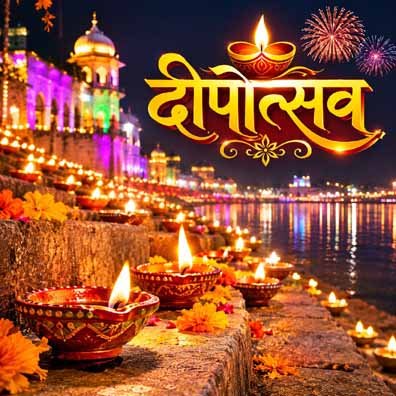
परम्पराओं के देश भारत में अंधकार पर प्रकाश, बुराई पर अच्छाई और असत्य पर सत्य की विजय का महापर्व दीपावली, जिसे दीपोत्सव भी कहा जाता है. वर्तमान समय में दीपोत्सव भारत ही नहीं पुरे विश्व में मनाई जाती है. दीपावली शब्द की उत्पत्ति संस्कृत के दो शब्दों से मिलकर बना है, “दीप” का अर्थ होता है “दिया” और “आवली” का अर्थ होता है “ लाइन, श्रृंखला या पंक्ति.
हिंदू दर्शन में योग और वेद के अनुसार इस भौतिक शरीर और मन से परे इस जहां में जो कुछ है वो शुद्ध अनंत, और शाश्वत है जिसे आत्मा कहा जाता है. दीपावाली, आध्यात्मिक अंधकार पर आंतरिक प्रकाश, अज्ञान पर ज्ञान, असत्य पर सत्य और बुराई पर अच्छाई का उत्सव (पर्व) कहा जाता है. यूँ तो दीपावली या दिवाली को रौशनी का त्यौहार कहा जाता है. भारतवर्ष में मनाये जाने वाले सभी त्योहारों में दीपावली का सामजिक, धार्मिक और आर्थिक महत्व होता है.
प्राचीन काल से भारत में दीपावली को हिंदू कैलेंडर के कार्तिक माह में गर्मी की फसल के बाद एक त्योहार के रूप में मनाया जाता है. पद्म और स्कन्द पुराण में भी दीपावली का उल्लेख मिलता है. स्कन्द पुराण के अनुसार दीपक (दिया) को सूर्य के हिस्सों का प्रतिनिधित्व करने वाला माना गया है, सूर्य जो जीवन के लिए प्रकाश और ऊर्जा का श्रोत माना गया है और हिन्दू कैलंडर के अनुसार कार्तिक महीने में अपनी जगह बदलता है.
पहली सहस्त्राब्दी ईसा पूर्व उपनिषद के अनुसार दीपावली को यम और नचिकेता की कहानी का वर्णन मिलता है.7वीं शताब्दी के संस्कृत नाटक नाग्नंद में राजा हर्ष ने इसे “दीपप्रतिपादुत्सव:” भी कहा है, जिसमें दिये जलाये जाते थे और नव दुल्हन और दूल्हे को तोहफे भी दिए जाते थे. 9वीं शताब्दी में राजशेखर ने “काव्यमीमांसा” में इसे “दीपमालिका” कहा है, जिसमें घरों की पुताई की जाती थी और तेल के दीयों से रात में घरों, सड़कों और बाजारों को सजाया जाता था जबकि, फ़ारसी यात्री और इतिहासकार अल बेरुनी ने भारत आने पर अपने 11वीं सदी के संस्मरण में, दीपावली को कार्तिक महीने में नये चंद्रमा के दिन पर हिंदुओं द्वारा मनाया जाने वाला त्यौहार भी कहा था.
यूँ तो दीपावली, दीपोत्सव या दिवाली को रौशनी का त्यौहार कहा जाता है. भारतवर्ष में मनाये जाने वाले सभी त्योहारों में दीपावली का सामजिक, धार्मिक और आर्थिक महत्व होता है. भारत के कई भागों में इसे दीपोत्सव भी कहते हैं. “तमसो मा ज्योतिर्गमय” का अर्थ होता है ‘अंधेरे से ज्योति अर्थात प्रकाश की ओर जाइए’ का वर्णन उपनिषद में मिलता है. बताते चले कई, जैन धर्म के लोग दीपावली के दिन भगवान महावीर के मोक्ष दिवस के रूप में मनाते हैं, जबकि सिख धर्म को मानने वाले इसे “बंदी छोर दिवस” के रूप में मनाते हैं. भारत के कुछ स्थानों में माँ लक्ष्मी के स्थान पर माँ काली की आराधना करते है और इस त्योहार को काली पूजा भी कहते हैं, लेकिन मथुरा व वृंदावन में भगवान कृष्ण की आराधना होती है और उन्हें 56 या 108 प्रकार के विभिन्न व्यंजनों का भोग लगाया जाता है, साथ ही अयोध्या में दीपावली के दिन भगवान राम की पूजा की जाती है और उन्हें दूध से निर्मित पदार्थों का ही भोग लगाया जाता है.
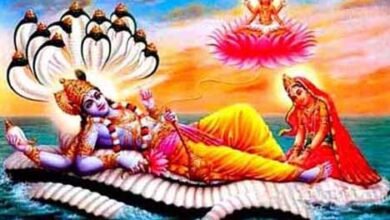
भारत के पश्चिम और उत्तरी भागों में दीपावली का त्योहार नये हिन्दू वर्ष की शुरुआत का प्रतीक भी माना जाता हैं. दीपावली का पांच दिवसीय महोत्सव देवताओं और राक्षसों द्वारा दूध के सागर के मंथन से पैदा हुई लक्ष्मी के जन्म दिवस के रूप में मनाया जाता है. भगवान विष्णु ने दीपावली की रात्री को ही माँ लक्ष्मी से शादी की थी, वहीं कुछ लोगों का मानना है कि दीपावली के दिन ही भगवान विष्णु वैकुंठ लौटे थे. मान्यता है कि, इस दिन माँ लक्ष्मी प्रसन्न रहती हैं और जो मनुष्य उनकी पूजा करते हैं वो, अगले वर्ष के दौरान मानसिक व शारीरिक दुखों से दूर होकर सुखी जीवन व्यतीत करते हैं. प्राचीन हिन्दू धर्म ग्रंथ रामायण के अनुसार भगवान राम के चौदह सालों के वनवास के उपरान्त अयोध्या लौटने के उपलक्ष्य में मनाते हैं वहीं, महाभारत के अनुसार तेरह वर्षों के वनवास के बाद पांडवों के वापसी के उपलक्ष्य में मनाया जाता है.
पंजाब में जन्मे स्वामी रामतीर्थ का जन्म और महाप्रयाण दोनों ही दीपावली के दिन हुआ था, उन्होंने गंगातट पर स्नान करते समय ‘ओम’ कहते हुए समाधि ले ली थी, वहीं महर्षि दयानंद जो आर्य समाज की स्थापना की थी उन्होंने भी दीपावली के दिन ही अजमेर के निकट अवसान लिया था. कहा जाता है कि,मुगल सम्राट अकबर के शासनकाल में 40 गज ऊँचे बाँस पर एक बड़ा आकाशदीप दीपावली के दिन लटकाया जाता था, वहीं बादशाह जहाँगीर और मुगलवंश के अंतिम सम्राट बहादुर शाह जफर भी बड़े धूमधाम से दीपावली का पर्व मनाते थे. शाह आलम द्वितीय के समय में शाही महलों को दीपों से सजाया जाता था और लालकिले में कार्यक्रम आयोजित होते थे जिसमे हिन्दू-मुसलमान दोनों मिलकर इस उत्सव को मनाते थे.
दीपों का पर्व दीपावली पांच पर्व मिलकर बना है, और इस पर्व को आर्थिक पर्व भी कहते हैं. इस पर्व में प्राय: हिन्दू नए कपड़े, घर के सामान, उपहार, सोने या अन्य बड़ी खरीददारी करते हैं. चुकिं, इस त्योहार पर खर्च और खरीद को ही शुभ माना जाता है, क्योंकि लक्ष्मी को, धन, समृद्धि, और निवेश की देवी भी कहा जाता है. हर साल दीपावली के दौरान हज़ारों करोड़ रुपए के पटाखों की खपत होती है. भारत के अलावा विदेशों में भी लोग अपने-अपने तरीकों से दीपोत्सव का पर्व मनाते हैं.
पंजाब में जन्मे स्वामी रामतीर्थ का जन्म और महाप्रयाण दोनों ही दीपावली के दिन हुआ था, उन्होंने गंगातट पर स्नान करते समय ‘ओम’ कहते हुए समाधि ले ली थी, वहीं महर्षि दयानंद जो आर्य समाज की स्थापना की थी उन्होंने भी दीपावली के दिन ही अजमेर के निकट अवसान लिया था. कहा जाता है कि,मुगल सम्राट अकबर के शासनकाल में 40 गज ऊँचे बाँस पर एक बड़ा आकाशदीप दीपावली के दिन लटकाया जाता था, वहीं बादशाह जहाँगीर और मुगलवंश के अंतिम सम्राट बहादुर शाह जफर भी बड़े धूमधाम से दीपावली का पर्व मनाते थे. शाह आलम द्वितीय के समय में शाही महलों को दीपों से सजाया जाता था और लालकिले में कार्यक्रम आयोजित होते थे जिसमे हिन्दू-मुसलमान दोनों मिलकर इस उत्सव को मनाते थे. दीपों का पर्व दीपावली पांच पर्व मिलकर बना है, और इस पर्व को आर्थिक पर्व भी कहते हैं. इस पर्व में प्राय: हिन्दू नए कपड़े, घर के सामान, उपहार, सोने या अन्य बड़ी खरीददारी करते हैं, चुकीं इस त्योहार पर खर्च और खरीद को ही शुभ माना जाता है, क्योंकि लक्ष्मी को, धन, समृद्धि, और निवेश की देवी भी कहा जाता है. हर साल दीपावली के दौरान करीब पांच हज़ार करोड़ रुपए के पटाखों की खपत होती है. भारत के अलावा विदेशों में भी लोग अपने-अपने तरीकों से दीपोत्सव का पर्व मनाते हैं.
आधुनिक व डिजिटल युग में गैजेट व तेज रौशनी से दूर होकर प्रदूषण-मुक्त दीपोत्सव मनाने का संकल्प लेते हुए मिट्टी के दीयों के साथ-साथ सरसों व तिल के तेल का दीपक जलाने का संकल्प लेना चाहिए ताकि पर्यावरण के साथ-साथ प्राकृतिक उल्लास व रौशनी के पर्व का मूल भावना बनी रहेगी। चूकिं, यह पर्व अंधकार पर प्रकाश की विजय के साथ-साथ आपसी दूरियों को मिटाने, गले मिलने और एक-दूसरे के जीवन में खुशियों के दीप जलाने का भी अवसर होता है.
=========== ============= =======
Deepotsav…
In India—a land of traditions—Diwali, also known as ‘Deepotsav’ (a festival of lights), is a grand celebration marking the victory of light over darkness, good over evil, and truth over falsehood. Today, this festival is celebrated not only in India but across the entire world. The word ‘Deepavali’ is derived from two Sanskrit terms: ‘deepa’, meaning “lamp,” and ‘avali’, meaning “a line, series, or row.”
In Hindu philosophy—rooted in Yoga and the Vedas—it is understood that beyond this physical body and mind, there exists something pure, infinite, and eternal, known as the ‘Atman’ (the soul). Deepavali is celebrated as a festival representing the triumph of inner light over spiritual darkness, knowledge over ignorance, truth over falsehood, and good over evil. It is widely known as the “festival of lights.” Among all the festivals celebrated in India, Deepavali holds significant social, religious, and economic importance.
Since ancient times, Deepavali has been celebrated in India during the month of Kartika in the Hindu calendar, following the harvest season. The festival is also mentioned in the Padma Purana and the Skanda Purana. According to the Skanda Purana, the deepa (lamp) is considered to represent fragments of the Sun—the source of light and energy essential for life—which, according to the Hindu calendar, shifts its position during the month of Kartika.
The story of Yama and Nachiketa, found in the Upanishads (dating back to the first millennium BCE), is also associated with Deepavali. In the 7th-century Sanskrit play ‘Nagananda’, King Harsha refers to the festival as “Deepapratipadutsava,” a celebration involving the lighting of lamps and the exchange of gifts between newlywed couples. In the 9th century, the scholar Rajashekhara, in his work ‘Kavyamimamsa’, refers to it as “Deepamalika,” describing a tradition where homes were whitewashed and illuminated at night with oil lamps, which also adorned streets and marketplaces. Furthermore, the 11th-century Persian traveler and historian Al-Biruni, in his accounts of India, noted that Deepavali was a festival observed by Hindus on the day of the new moon in the month of Kartika.
As for Deepavali… Deepotsav, or Diwali, is known as the festival of lights. Among all the festivals celebrated in India, Diwali holds significant social, religious, and economic importance. In many parts of the country, it is also referred to as ‘Deepotsav’. The phrase “Tamaso ma jyotirgamaya”—found in the Upanishads—translates to “lead me from darkness toward light.” It is worth noting that for followers of Jainism, Diwali marks the day Lord Mahavira attained moksha (liberation), while for those who follow Sikhism, it is celebrated as “Bandi Chhor Divas.” In some regions of India, Goddess Kali is worshipped instead of Goddess Lakshmi, and the festival is known as ‘Kali Puja’. In Mathura and Vrindavan, Lord Krishna is worshipped, and an offering (‘bhog’) consisting of 56 or 108 varieties of dishes is presented to Him. Meanwhile, in Ayodhya, Lord Ram is worshipped on the day of Diwali, and the offerings made to Him consist exclusively of items prepared from milk.
In the western and northern regions of India, the festival of Diwali is also considered to mark the beginning of the new Hindu year. This five-day celebration commemorates the birth anniversary of Goddess Lakshmi, who emerged during the churning of the ocean of milk by the gods and demons. It is believed that Lord Vishnu married Goddess Lakshmi on the night of Diwali; others hold the belief that it was on this day that Lord Vishnu returned to Vaikuntha (his celestial abode). It is said that Goddess Lakshmi remains pleased on this day, and those who worship her are blessed with a life free from mental and physical suffering throughout the coming year. According to the ancient Hindu epic Ramayana, the festival celebrates the return of Lord Rama to Ayodhya after his fourteen-year exile, while according to the Mahabharata, it marks the return of the Pandavas following their thirteen-year exile.
Swami Ram Tirath, who was born in Punjab, both entered the world and departed from it on the day of Diwali; he attained samadhi while chanting ‘Om’ during a ritual bath on the banks of the Ganges. Similarly, Maharishi Dayanand, the founder of the Arya Samaj, also passed away near Ajmer on the day of Diwali. It is said that during the reign of the Mughal Emperor Akbar, a large akashdeep (a ceremonial lamp) was hung from a 40-yard-high bamboo pole on Diwali. Emperors Jahangir and Bahadur Shah Zafar—the last of the Mughal rulers—also celebrated the festival with great pomp. During the reign of Shah Alam II, the royal palaces were illuminated with lamps, and events were held at the Red Fort where both Hindus and Muslims joined together to celebrate the occasion.
Diwali, the festival of lights, consists of five distinct observances and is also regarded as an economic festival. During this period, Hindus typically make significant purchases, such as new clothing, household items, gifts, and gold or other valuable goods. Spending and making purchases during this festival are considered auspicious, as Goddess Lakshmi is revered as the deity of wealth, prosperity, and investment. Every year, during Diwali, firecrackers worth thousands of crores of rupees are consumed. Beyond India, people in other countries also celebrate this festival of lights in their own unique ways.
Swami Ram Tirath, who was born in Punjab, both entered the world and departed from it on the day of Diwali; he attained samadhi while chanting ‘Om’ during a ritual bath on the banks of the Ganges. Similarly, Maharishi Dayanand, the founder of the Arya Samaj, also passed away near Ajmer on the day of Diwali. It is said that during the reign of the Mughal Emperor Akbar, a large akashdeep (a lamp suspended high up) would be hung from a 40-yard-tall bamboo pole on Diwali. Emperors Jahangir and Bahadur Shah Zafar—the last of the Mughal emperors—also celebrated the festival with great pomp. During the era of Shah Alam II, the royal palaces were illuminated with lamps, and events were held at the Red Fort where both Hindus and Muslims joined together to celebrate the occasion. Diwali, the festival of lights, is composed of five distinct observances and is also regarded as an economic festival. During this time, Hindus often purchase new clothes, household items, and gifts, or make significant investments—such as buying gold—because spending and purchasing are considered auspicious; after all, Goddess Lakshmi is the deity of wealth, prosperity, and investment. Every year, during Diwali, firecrackers worth approximately five thousand crore rupees are consumed. Beyond India, people in other countries also celebrate this festival of lights in their own unique ways.
In this modern, digital age, let us resolve to celebrate a pollution-free festival of lights—moving away from electronic gadgets and harsh artificial illumination—by using earthen lamps filled with mustard or sesame oil. This will help preserve the environment while upholding the true spirit of this festival, which is rooted in natural radiance and joy. After all, this celebration not only signifies the victory of light over darkness but also serves as an occasion to bridge divides, embrace one another, and kindle the lamps of happiness in each other’s lives.