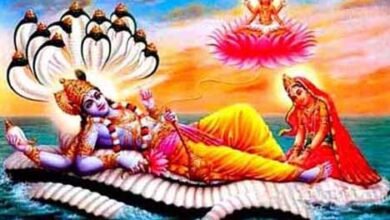
परम्पराओं के देश भारत में पर्व और त्यौहार केवल धार्मिक अनुष्ठान अथवा सामाजिक उत्सव नहीं है, बल्कि उसके पीछे जीवन-दर्शन, सांस्कृतिक चेतना, आध्यात्मिक चिंतन और लोककल्याण की व्यापक भावना निहित होती है. वर्तमान समय में कार्तिक मास चल रहा है. और इस मास का अपना अलग ही महत्व है. इस मास का वर्णन कई पौराणिक ग्रन्थों में हुआ है. पौराणिक ग्रन्थों के अनुसार, कार्तिक कृष्ण पक्ष द्वादशी को कामधेनु गाय, कार्तिक कृष्ण पक्ष त्रयोदशी को धन्वंतरी, कार्तिक कृष्ण पक्ष चतुर्दशी को माँ काली और कार्तिक अमावस्या को माँ लक्ष्मी का सागर से प्रादुर्भाव हुआ था.
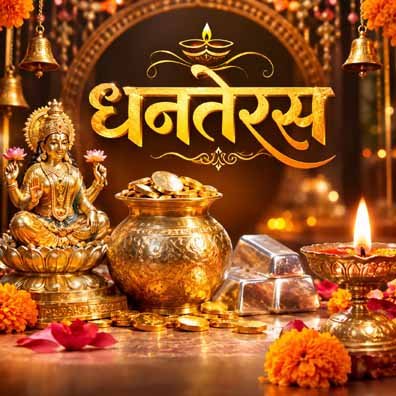
भारतीय पर्व-परंपरा में दीपावली का विशेष स्थान है. दीपावली का शुभारंभ कार्तिक मास के कृष्ण पक्ष की त्रयोदशी तिथि को मनाए जाने वाले धनतेरस अथवा धन्वन्तरी जयंती से होता है. एक तरफ धनतेरस के दिन धन, वैभव, स्वर्ण, चाँदी तथा नए बर्तन खरीदने के पर्व के रूप में देखा जाता है वहीं, दूसरी ओर आयुर्वेदिक चिकित्सा परंपरा के आराध्य देवता भगवान धन्वन्तरी की पूजा-अर्चना की जाती है.
धनतेरस शब्द दो शब्दों से मिलकर बना है—’धन’ और ‘तेरस’. जिसमें धन का अर्थ संपत्ति, समृद्धि और ऐश्वर्य है, जबकि तेरस का अभिप्राय त्रयोदशी तिथि से होता है. दूसरी तरफ आयुर्वेद के आदि आचार्य की भी पूजा होती है. ‘आयुर्वेद’ शब्द दो संस्कृत शब्दों से बना है—’आयु’ और ‘वेद’. आयु का अर्थ जीवन और वेद का अर्थ ज्ञान है. आयुर्वेद का उद्देश्य केवल रोग का उपचार करना नहीं है, बल्कि स्वस्थ व्यक्ति के स्वास्थ्य की रक्षा करना और रोगी के रोग का शमन करना भी है.
कार्तिक के पावन और पवित्र महीने का वर्णन कई पौराणिक ग्रंथों में किया गया है. पौराणिक ग्रंथो के अनुसार, कार्तिक मास में देवताओं और दानवों के युद्ध व कटुता को दूर करने के लिए समुद्र मंथन भी हुआ था. पौराणिक ग्रन्थों के अनुसार, कार्तिक कृष्ण पक्ष द्वादशी को कामधेनु गाय, कार्तिक कृष्ण पक्ष त्रयोदशी को धन्वंतरी, कार्तिक कृष्ण पक्ष चतुर्दशी को माँ काली और कार्तिक अमावस्या को माँ लक्ष्मी का सागर से प्रादुर्भाव हुआ था.
कार्तिक कृष्ण पक्ष त्रयोदशी को धन्वंतरी का प्रादुर्भाव सागर से हुआ था और इसी दिन से इन्होने आयुर्वेद का प्रादुर्भाव किया था. आयुर्वेदाचार्य धन्वन्तरी को भगवान विष्णु का दूसरा रूप भी कहते हैं. इनकी चार भुजाएं हैं और इन चार भुजाओं में उपर की दोंनों भुजाओं में शंख और चक्र धारण किये हुये हैं जबकि, दो अन्य भुजाओं मे से एक में जलूका और औषध तथा दूसरे मे अमृत कलश लिए हुए हैं और इनका प्रिय धातु पीतल माना जाता है. इन्होंने ही अमृतमय औषधियों की खोज की थी. बताते चलें कि, इनके वंश में दिवोदास हुए जिन्होंने “ शल्य चिकित्सा ” का पहला विद्यालय काशी में स्थापित किया जिसके प्रधानाचार्य आचार्य सुश्रत बनाये गये थे.
सुश्रुत ॠषि विश्वामित्र के पुत्र और दिवोदास के शिष्य थे. ॠषि विश्वामित्र पुत्र सुश्रुत ने ही सुश्रुत संहिता लिखा था और विश्व के पहले शल्य चिकित्सक या यूँ कहें कि सर्जन थे. पौराणिक ग्रन्थों के अनुसार, जब सागर से धन्वंतरी का प्रादुर्भाव हुआ तब धन्वंतरी ने भगवान विष्णु से कहा कि, लोक में मेरा स्थान और भाग निश्चित कर दें. इस पर विष्णु ने कहा कि यज्ञ का विभाग तो देवताओं में पहले ही हो चुका है अत: यह अब संभव नहीं है. देवों के बाद आने के कारण तुम (देव) ईश्वर नहीं हो. अत: तुम्हें अगले जन्म में सिद्धियाँ प्राप्त होंगी और तुम लोक में प्रसिद्ध होगे और तुम्हें उसी शरीर से देवत्व प्राप्त होगा और द्विजातिगण तुम्हारी सभी तरह से पूजा करेंगे. तुम आयुर्वेद का अष्टांग विभाजन भी करोगे.
द्वापर युग में तुम पुन: जन्म लोगे इसमें कोई सन्देह नहीं है. इस वर के अनुसार पुत्र काम काशिराज धन्व की तपस्या से प्रसन्न हो कर अब्ज भगवान ने उसके पुत्र के रूप में जन्म लिया और धन्वंतरि नाम धारण किया. बताते चलें कि, धन्व ही काशी नगरी के संस्थापक काश के पुत्र थे. वे सभी रोगों के निवराण करने में निपुण थे और उन्होंने भारद्वाज से आयुर्वेद ग्रहण कर उसे अष्टांग में विभक्त कर अपने शिष्यों में बाँट दिया. हरिवंश पुराण के अनुसार…
। काश-दीर्घतपा-धन्व-धन्वंतरि-केतुमान्-भीमरथ (भीमसेन)-दिवोदास-प्रतर्दन-वत्स-अलर्क।।
बताते चलें कि, वैदिक काल में जो महत्व और स्थान अश्विनी को प्राप्त था वही पौराणिक काल में धन्वंतरि को प्राप्त हुआ. अश्विनी कुमार के हाथों मधुकलश था वहाँ धन्वंतरि को अमृत कलश मिला चूँकि, भगवान विष्णु ही संसार की रक्षा करते हैं अत: रोगों से रक्षा करने वाले धन्वंतरि को विष्णु का अंश माना गया है. पौराणिक ग्रन्थों के अनुसार, कश्यप और तक्षक का जो संवाद महाभागवत पुराण में आया है वैसा ही धन्वंतरि और नागदेवी मनसा का ब्रह्मवैवर्त पुराण में आया है. उन्हें गरुड़ का भी शिष्य कहा गया है.
धनतेरस के दिन दीप जलाककर भगवान धन्वन्तरि की पूजा करें. भगवान धन्वन्तरी से स्वास्थ और सेहतमंद बनाये रखने हेतु प्रार्थना करते हुए कहें… “परम भगवान, जिन्हें हम सभी सुदर्शन वासुदेव धन्वंतरी के नाम से जानते हैं, जो हाथों में अमृत कलश लिये हैं, वो प्रभु सभी का नाश करने वाले हैं, जो तीनों लोकों के स्वामी हैं और उनका निर्वाह करने वाले हैं, उन विष्णु स्वरूप धन्वंतरी को बारम्बार बरम्बार नमस्कार है”
कार्तिक कृष्ण पक्ष त्रयोदशी को आयुर्वेद के जानकार या डॉक्टर भगवान धन्वंतरि की पूजा-अर्चना करते हैं. इसी दिन धनतेरस का पर्व भी मनाया जाता है. स्कन्द पुराण के अनुसार, कार्तिक महीने के कृष्ण पक्ष की त्रयोदशी के दिन को मनाए जाने वाले इस महापर्व का वर्णन लिखा गया है. लोकमान्यता के अनुसार, भगवान धन्वन्तरि चूंकि कलश लेकर प्रकट हुए थे इसलिए ही इस अवसर पर बर्तन खरीदने की परम्परा है, कहीं-कहीं तो इस दिन स्वर्ण, चांदी या अन्य वस्तु खरीदने से उसमें तेरह गुणा वृद्धि होती है. अक्सर, इस अवसर पर लोग झाड़ू या धनिया के बीज खरीदते हैं और दीपावली उपरान्त इन बीजों को अपने बाग-बगीचों में या खेतों में बोते हैं.
============= ============= =====
Dhanteras or Dhanvantari Jayanti…
In India—a land of traditions—festivals and celebrations are not merely religious rituals or social gatherings; rather, they embody a profound philosophy of life, cultural consciousness, spiritual reflection, and a broad sense of concern for the welfare of all. We are currently in the month of Kartika, a month that holds a unique significance and is described in various ancient scriptures (Puranic texts). According to these texts, several divine entities emerged from the ocean during the dark fortnight (Krishna Paksha) of the month of Kartika: Kamadhenu (the wish-fulfilling cow) on the twelfth day (Dwadashi), Lord Dhanvantari on the thirteenth day (Trayodashi), Goddess Kali on the fourteenth day (Chaturdashi), and Goddess Lakshmi on the new moon day (Amavasya).
Diwali holds a special place within the Indian festive tradition. The celebrations for Diwali commence with Dhanteras—also known as Dhanvantari Jayanti—observed on the thirteenth day (Trayodashi) of the dark fortnight of the month of Kartika. While Dhanteras is often celebrated as an occasion to acquire wealth, prosperity, gold, silver, and new utensils, it is also a time to worship Lord Dhanvantari, the revered deity of the Ayurvedic medical tradition.
The term ‘Dhanteras’ is composed of two words: ‘Dhan’ and ‘Teras’. ‘Dhan’ signifies wealth, prosperity, and opulence, while ‘Teras’ refers to the thirteenth day (Trayodashi) of the lunar fortnight. Furthermore, the primordial master (Adi Acharya) of Ayurveda is also worshipped on this day. The word ‘Ayurveda’ is derived from two Sanskrit terms: ‘Ayu’ (life) and ‘Veda’ (knowledge). The objective of Ayurveda extends beyond the treatment of diseases; it encompasses the preservation of health in those who are well, as well as the alleviation of ailments in those who are ill.
The sacred and auspicious month of Kartika is described in many ancient scriptures. According to these texts, it was during the month of Kartika that the ‘Samudra Manthan’ (the churning of the ocean) took place—an event that helped resolve the conflicts and deep-seated animosity between the gods (Devas) and the demons (Asuras). According to ancient scriptures, the cow Kamadhenu emerged from the ocean on the twelfth day of the dark fortnight (Krishna Paksha) of the month of Kartika; Dhanvantari emerged on the thirteenth day, Goddess Kali on the fourteenth day, and Goddess Lakshmi on the new moon day (Amavasya) of the same month.
Dhanvantari emerged from the ocean on the thirteenth day of the dark fortnight (Krishna Paksha) of the month of Kartika; it was on this very day that he introduced Ayurveda. Dhanvantari, the master of Ayurveda, is also considered an incarnation of Lord Vishnu. He is depicted with four arms: in his two upper hands, he holds a conch (shankha) and a discus (chakra), while in his other two hands, he carries a leech (jaluka) and medicinal herbs in one, and a pot of nectar (amrita kalasha) in the other. Brass is considered his preferred metal. It was he who discovered life-giving, nectar-like medicinal herbs. Notably, his lineage includes Divodasa, who established the first school of surgery in Kashi, with Acharya Sushruta appointed as its principal.
Sushruta was the son of the sage Vishvamitra and a disciple of Divodasa. He authored the Sushruta Samhita and is recognized as the world’s first surgeon. According to Puranic texts, when Dhanvantari emerged from the ocean, he asked Lord Vishnu to define his place and share among the beings of the world. Vishnu replied that since the shares of sacrificial offerings (yajna) had already been allocated among the existing deities, it was no longer possible to assign a new one. Because he appeared after the other gods, he was not considered a deity in the traditional sense. Vishnu promised that in a future birth, he would attain great powers (siddhis), gain renown in the world, attain divinity while in his human form, and be worshipped by the dvijati (the twice-born/learned classes). He was also tasked with organizing Ayurveda into its eight branches (ashtanga).
There is no doubt that he would be reborn in the Dvapara Yuga. In accordance with this boon, the Lord—who emerged from the waters (abja)—was pleased by the penance of the King of Kashi, Dhanva (who sought a son), and was born as his child, taking the name Dhanvantari. It is worth noting that Dhanva was the son of Kasha, the founder of the city of Kashi. He was adept at curing all manner of diseases; having acquired the knowledge of Ayurveda from Bharadvaja, he divided it into eight branches (ashtanga) and imparted it to his disciples. According to the Harivamsa Purana…
।Kasha-Dirghatapa-Dhanva-Dhanvantari-Ketuman Bhimaratha (Bhimasena)- Divodas-Pratardana-Vatsa-Alarka।।
It is worth noting that the significance and status held by the Ashvini Kumaras during the Vedic period were attained by Dhanvantari during the Puranic period. While the Ashvini Kumaras are depicted holding a madhukalash (a vessel of nectar/honey), Dhanvantari is associated with the amrit kalash (a vessel of divine nectar). Since Lord Vishnu is the protector of the world, Dhanvantari—who protects against diseases—is considered an aspect (amsa) of Lord Vishnu. According to Puranic texts, the dialogue between Kashyapa and Takshaka, as found in the Mahabhagavata Purana, finds a parallel in the conversation between Dhanvantari and the serpent goddess Manasa in the Brahmavaivarta Purana. He is also said to be a disciple of Garuda.
On the day of Dhanteras, one should worship Lord Dhanvantari by lighting lamps. While praying to Lord Dhanvantari for health and well-being, one may recite: “Salutations, again and again, to the Supreme Lord—known to us as Sudarshana Vasudeva Dhanvantari—who holds a vessel of divine nectar (amrit kalash) in His hands. He is the Lord of the three worlds, their sustainer, and the destroyer of all afflictions; I offer my repeated obeisances to this form of Vishnu, Lord Dhanvantari.”
On the thirteenth day of the dark fortnight (Krishna Paksha) of the month of Kartika, practitioners of Ayurveda and physicians worship Lord Dhanvantari. This is the day when the festival of Dhanteras is celebrated. The Skanda Purana contains a description of this significant festival, observed on the thirteenth day of the dark fortnight of the month of Kartika. According to popular belief, since Lord Dhanvantari appeared holding a vessel (kalash), there is a tradition of purchasing utensils on this occasion. In some regions, it is believed that purchasing gold, silver, or other items on this day leads to a thirteen-fold increase in one’s wealth or possessions. Often, people also purchase a broom or coriander seeds on this day; after Diwali, these seeds are sown in gardens or fields.