ॐ पितृगणाय विद्महे जगत् धारिणी धीमहि तन्नो पितरों प्रचोदयात्।
मृत्यु एक अटल सत्य है यह हम सभी जानते हैं परन्तु मृत्यु के उपरांत दुनिया के सभी धर्मों में कुछ ऐसे कर्म-काण्ड होते हैं जिनका पालन हर धर्म के लोग करते हैं. वहीं, हिन्दू धार्मिक परंपरा में मृत्यु का अर्थ व्यक्ति का पूरी तरह समाप्त हो जाना नहीं, बल्कि अस्तित्व की एक अवस्था से दूसरी अवस्था में प्रवेश करना माना गया है. इसी दृष्टि से हिन्दू धर्म में मृत माता-पिता, दादा-दादी, परदादा-परदादी तथा वंश के पूर्वजों के प्रति स्मरण, तर्पण, पिण्डदान और श्राद्ध की परंपरा विकसित हुई है. कुछ विद्वानों का तर्क है कि, वैदिक और उत्तरवैदिक परंपरा में पूर्वज-अनुष्ठानों की एक लम्बी विकास-यात्रा रही, जो आगे चलकर शास्त्रीय श्राद्ध का रूप ले लिया.
मानव सभ्यता की सबसे प्राचीन और सर्वाधिक व्यापक धार्मिक प्रवृत्तियों में से एक है पितृ पूजा. अफ्रीका के आदिवासी समुदायों से लेकर चीन के पारिवारिक पूर्वज-मंदिरों तक, जापान के ओबोन से लेकर मैक्सिको के “मृतक दिवस” तक, और प्राचीन रोम के “मानेस” से लेकर प्रशांत द्वीपों की वंशावली-पूजा में पूर्वजों को स्मरण करना, उन्हें भोजन-जल अर्पित करना, उनसे आशीर्वाद मांगना और उनके प्रति कृतज्ञता व्यक्त करना विभिन्न रूपों में मौजूद रहा है. वैसे तो हिन्दू धर्म में श्राद्ध पक्ष की शुरुआत भाद्रपद पूर्णिमा से आश्विन कृष्ण पक्ष अमावस्या तक लगभग 15-16 दिनों का होता है. इस अवधि में पूर्वजों (पितरों) की आत्मा की शांति, तृप्ति और मोक्ष के लिए श्राद्ध, तर्पण, पिंडदान और ब्राह्मण भोज किए जाते हैं. दैहिक, दैविक,और भौतिक तीनो तापों से मुक्ति पाने के लिए श्राद्ध से बढ़कर कोई दूसरा उपाय नहीं है.
पौराणिक ग्रंथों के अनुसार, भगवान् ब्रह्मा ने यह पक्ष पितरों के लिए ही बनाया है. सूर्यपुत्र यमदेव के बीस हज़ार वर्ष तक घोर तपस्या करने के फलस्वरूप भगवान शिव ने उन्हें यमलोक और पितृलोक का अधिकारी बनाया. पौराणिक ग्रंथों के अनुसार, किसी भी मानव के तीन मुख्य ऋण होते हैं – देवऋण, ऋषिऋण और पितृऋण. पितृऋण माता-पिता और पूर्वजों द्वारा दिए गए जीवन, पालन-पोषण और वंश की निरंतरता का है. यह उस स्वीकृति का भी प्रतीक है कि मैं अकेले नहीं बना; मेरे पीछे अनेक जीवन, श्रम और पीढ़ियाँ हैं. दुसरा है वंश और स्मृति की निरंतरता का जो अनवरत चलता रहता है. मृत व्यक्ति को भुलाने के वजाय उन्हें याद रखा जाता है. यही कारण है कि, इसमें नाम, गोत्र, संबंध और वंश-क्रम का उच्चारण महत्वपूर्ण माना जाता है. तीसरा है मृत्यु के बाद की यात्रा – धार्मिक परम्पराओं के अनुसार व्यक्ति की मृत्यु के बाद “प्रेत” और “पितृ” के बीच अंतर किया जाता है. गरुड़ पुराण और अन्य श्राद्ध-पद्धतियों में इस संक्रमण का विस्तृत वर्णन मिलता है. चौथा है जीवितों का धर्म – गरुड़ पुराण के श्राद्ध-अध्याय में इसका विस्तृत वर्णन दिया गया है. श्राद्ध का लाभ केवल मृतकों के लिए नहीं बताया जाता है.
ब्रह्मपुराण के अनुसार, आश्विन मास के कृष्ण पक्ष में यमराज सभी पितरों को अपने यहां से छोड़ देते हैं, ताकि वे अपनी संतान के पास आ सकें. पौराणिक ग्रंथों के अनुसार ऋषि कश्यप की पत्नी अदिति के 12 पुत्रों में से एक अर्यमा थे. उनके नाम हैं- अंशुमान, इंद्र, अर्यमन, त्वष्टा, धातु, पर्जन्य, पूषा, भग, मित्र, वरुण, विवस्वान और त्रिविक्रम (वामन)। इंद्रदेव के दूसरे नंबर के भाई और अदिति के तीसरे पुत्र अर्यमा को पितरों का देवता कहा जाता है. चंद्रमंडल में स्थित पितृलोक में अर्यमा सभी पितरों के अधिपति के रूप में नियुक्त हैं. श्राद्ध के समय यदि अर्यमा के नाम से जलदान दिया जाए तो वे प्रसन्न होते हैं और पितरों की आत्मा को तृप्ति मिलती है. पौराणिक ग्रंथों के अनुसार, देवकार्यादपि सदा पितृकार्यं विशिष्यते” अर्थात देवकार्य से भी पितृकार्य श्रेष्ठ है. श्राद्ध न करने पर पितर अतृप्त रहकर परिवार में कष्ट, रोग, वंशहीनता या बाधाएँ उत्पन्न कर सकते हैं. पौराणिक व धार्मिक मान्यताओं के अनुसार, श्रद्धा से किया गया श्राद्ध, तर्पण और पिंडदान मनुष्य को पितृ ऋण तथा पितृ दोष से मुक्त करता है और पितरों को मोक्ष दिलाता है.
हिन्दू धर्म में पितरों का श्राद्ध करने के लिए एक वर्ष में 96 अवसर आते हैं. ये हैं बारह महीने की 12 अमावस्या, सतयुग, त्रेता, द्वापर और कलियुग के प्रारंभ की चार तिथियां, मनुवों के आरम्भ की 14 मन्वादि तिथियां, 12 संक्रांतियां, 12 वैधृति योग, 12 व्यतिपात योग, 15 महालय-श्राद्ध पक्ष की तिथियां, पांच अष्टका पांच अन्वष्टका और पांच पूर्वेद्युह. धार्मिक मान्यताओं के अनुसार, जब किसी प्रिय की मौत होती है तो वह पितृदेव का रूप धारण कर लेता है और अपने वंशजों की रक्षा करते हैं. यदि वंशज उनकी पूजा न करें या तिरस्कार करें तो वे नाराज हो जाते हैं. ज्योतिषाचार्यों के अनुसार, किसी व्यक्ति की कुंडली में सूर्य और राहु की युति से – पूर्वजों के असहयोग, अतृप्ति या उनके द्वारा किए गए बुरे कर्मों का नकारात्मक प्रभाव पड़ता है.
यदि संतान अपने माता-पिता या पूर्वजों का जीवन-काल में ही तिरस्कार करे, उन्हें कष्ट दे, तो यह पितृ दोष का सीधा कारण बनता है. अगर किसी व्यक्ति की अकाल मृत्यु होना या मृत व्यक्ति का विधिवत अंतिम क्रिया-कर्म न होना भी पितृ दोष का कारण बनता है. श्राद्ध पूजा के दौरान दान का अनादर, वैद्य को दिया हुआ अन्न पितरों के लिए अग्राह्य हो जाता है. यही पितरों के क्रोध का कारण बनता है. पितरों के नाराज होने पर जीवन में कई संकेत दिखते हैं. उदाहरण – हर काम में रुकावट, अचानक आर्थिक संकट, पारिवारिक कलह, संतान पक्ष से जुड़ी समस्याएं आदि.
पौराणिक धर्म ग्रंथ वायु पुराण, मनुस्मृति और अन्य ग्रंथों के अनुसार श्राद्ध के समय पितर आमंत्रित योग्य ब्राह्मणों में वायु (सूक्ष्म) रूप में प्रवेश करते हैं. चुकि, महालय पक्ष में पितृ पितृलोक से छोड़े जाकर कर्ता के घर के बाहर प्रतीक्षा करते हैं और श्राद्ध कराने वाले ब्राह्मण को निमंत्रण देने पर पितृ ब्राह्मण के शरीर में और कर्ता के शरीर में प्रवेश कर ब्राह्मण के साथ पितृ भी श्राद्ध-गृह में प्रवेश करते हैं. ऐसा माना जाता है कि, ब्राह्मण को श्राद्ध में माध्यम या वाहन माना जाता है. वहीं, रामायण में भी उल्लेख मिलता है कि जब जानकी जी ने निमंत्रित ब्राह्मणों के शरीरों में दशरथ आदि को देखा तो वे लज्जा से अन्यत्र चली गईं थीं. जब ब्राह्मण वस्त्र, अन्न, दक्षिणा आदि से पूजित होते हैं और भोजन ग्रहण करते हैं, तो पितर उनके माध्यम से तृप्त होते हैं. यह एक प्रतीकात्मक और सूक्ष्म प्रक्रिया है जिसमें भोजन तो ब्राह्मण करते हैं परन्तु सूक्ष्म तत्त्व पितरों तक पहुँचता है.
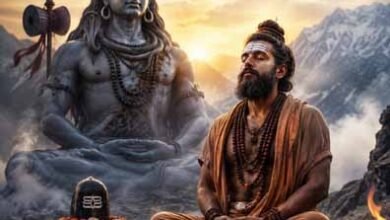
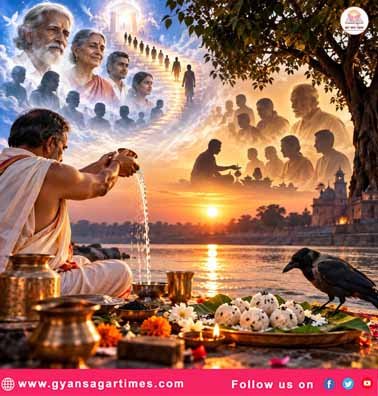
पितरों को जल देने का समय प्रात: 11:30 से 12:30 के बीच का होता है. पितरों को जल चढ़ाते समय कांसे का लोटा या तांबे के लोटे का प्रयोग करें. इसके अलावा पितृ गायत्री मंत्र पढ़ने से भी पितरों की आत्मा को मुक्ति मिलती है तथा उनका आशीर्वाद भी मिलता है.
मंत्र: –
ॐ पितृगणाय विद्महे जगत धारिणी धीमहि तन्नो पितृो प्रचोदयात्।
पितरों के स्वामी भगवान् जनार्दन के ही शरीर के पसीने से तिल की और रोम से कुश की उत्पत्ति हुई है. इसलिए तर्पण और अर्घ्य के समय तिल और कुश का प्रयोग करना चाहिए. श्राद्ध में ब्राह्मण भोज का सबसे पुण्यदायी समय कुतप, दिन का आठवां मुहूर्त अभिजित 11 बजकर 36 मिनट से लेकर १२ बजकर २४ मिनट तक का माना गया है. इस अवधि के मध्य किया जाने वाला श्राद्ध तर्पण एवं ब्राह्मण भोजन पुण्य फलदायी होता है. श्राद्धकर्म प्रकाश के अतिरिक्त पुराणों में लिखा गया है कि, श्राद्धं न कुरुते मोहात तस्य रक्तं पिबन्ति ते. अर्थात् जो श्राद्ध नहीं करते उनके पितृ उनका ही रक्तपान करते हैं और साथ ही… पितरस्तस्य शापं दत्वा प्रयान्ति च. यानी जब कोई व्यक्ति अपने पितरों का श्राद्ध नहीं करता है तो पितृगण अमावस्या तक प्रतीक्षा करने के पश्चात अपने परिजन को श्राप देकर पितृलोक चले जाते हैं.
हिन्दू धर्म के अलावा अन्य धर्मों में भी पितृ पूजा किया जाता है. उदाहरण – चीनी परम्परा में क़िंगमिंग और झोंगयुआन त्योहारों में कब्र-सफाई, भोजन-अर्पण और कागज़ी मुद्रा जलाते हैं साथ ही भोजन भी अर्पित करते हैं. यह पूजा बड़े से छोटे के क्रम में होती है. और अंत में प्रसाद बाँटा जाता है. माना जाता है कि पूर्वजों का “सार” प्रसाद में उतर आया है, जिसे खाने से अगली पीढ़ी को सौभाग्य मिलता है. वहीं, जापानी परम्परा में ओबोन त्यौहार मनाया जाता है. जापान का ओबोन पर्व प्राचीन जापानी आत्मा-पूजा और बौद्ध उल्लंबन का संगम है. मान्यताओं के अनुसार, पूर्वजों की आत्माएँ ओबोन के दिनों में घर लौटती हैं. घर के बौद्ध वेदी के सामने पूर्वजों की वेदी सजाई जाती है, कागज़ के लालटेन लटकाए जाते हैं, कब्रों पर जाकर भोजन चढ़ाया जाता है. इस दौरान ककड़ी का घोड़ा—“जल्दी आओ”, बैंगन का बैल—“धीरे जाओ” के प्रतीक के रूप में बनाए जाते हैं.
कोरिया में पूर्वजों की पूजा को “ जेसा” कहा जाता है. इस पूजा का मूल सिद्धांत है “मृत्यु को जीवन के समान”. वहाँ के लोग इस अवसर पर अपने पूर्वजों की पूजा जीवित मानकर करते हैं. यहाँ कब्र-पूजा अधिक प्रचलित है, क्योंकि कोरियाई लोग कब्रों को विशेष महत्व देते हैं. वहीं, वियतनाम में पूर्वज-पूजा “थो कुंग ओंग बा” कहा जाता है. इस दौरान कब्रों की सफाई, मरम्मत और चिपचिपे चावल के केक अर्पित किए जाते हैं. साथ ही वियतनामी संस्कृति में पानी के स्रोत को याद रखते हैं. दक्षिण-पूर्व एशिया में पूर्वजों की पूजा धार्मिक ब्रह्मांड-दृष्टि का केंद्रीय तत्व है और इसके विविध स्वरूप दिखाई देते हैं. उदाहरण – तोराजा (सुलावेसी) के लोग पूर्वजों को पत्थर-कब्रों में रखा जाता है. माना जाता है कि पूर्वज वंशजों की जीवन-शक्ति के स्रोत हैं. जावा के लोग इस दौरान अपने पूर्वजों की कब्रों पर जाते हैं. वहीं, बाली के लोग मृत्यु-संस्कार में पारंपरिक पूर्वज-पूजा और आधुनिक हिन्दू-धर्म के बीच का समन्वय दिखता है.
कंबोडिया के लोग पितृ पूजा के दौरान पूर्वजों से प्रार्थना की जाती है और माना जाता है कि, पूर्वज केवल आशीर्वाद के स्रोत नहीं, सामाजिक मानदंडों के रक्षक भी हैं. वहीं, यहूदी, ईसाई और इस्लाम धर्म-सिद्धांत रूप से पितृ-पूजा का सख्त निषेध करते हैं, क्योंकि यह एकेश्वरवाद के विरुद्ध है. इस्लाम की बात करें तो, पहले अरब लोग अन्साब (स्मारक-स्तंभ) पर मृतकों की पूजा करते थे, पशु-बलि और बाल अर्पित करते थे. वहीं, मुहम्मद ने इसे मूर्तिपूजा कहकर प्रतिबंधित किया था लेकिन, इस्लाम में पीर-पूजा, वली-श्रद्धा, सैयद-वंश और सूफी परंपरा में पूर्वजों की आत्मिक शक्ति की मान्यता बनी हुई है. उदाहरण- मकबरों पर चादर चढ़ाना, फातिहा पढ़ना भी पूर्वज-श्रद्धा का रूपांतरित रूप है.
यहूदी धर्म की बात करें तो अब्राहम, इसहाक और याकूब इनके कुलपिता हैं. वहीं, यहूदी धर्म में यिजकोर और कद्दिश जैसी प्रार्थनाएँ मृतकों की स्मृति में पढ़ी जाती हैं. ईसाई धर्म में संत-पूजा को पूर्वज पूजा का रूपान्तर रूप मानते हैं. ईसाई धर्म में ऑल सेंट्स डे और ऑल सोल्स डे मनाया जाता है जो यूरोप की प्राचीन पूर्वज-स्मृति का ईसाईकृत रूप हैं जबकि, कैथोलिक और ऑर्थोडॉक्स परंपरा में मृतकों के लिए प्रार्थना, कब्र पर मोमबत्ती जलाना, फूल चढ़ाना आज भी प्रचलित है. अफ्रीका में भी पितृ पूजा होती है. वहां के लोगों के अनुसार, “ पूर्वज मरते नहीं बल्कि, वे आत्मा-लोक में जीवित रहते हैं और अपने वंशजों के कार्यों में गहरी रुचि रखते हैं”. अफ़्रीकी लोग इसे कृषि, न्याय व दंड, भय और स्नेह के साथ-साथ बलि और भोग भी अर्पित करते हैं.
प्राचीन रोम के लोग पूर्वजों की आत्माओं को “मानेस” कहते है. परिवार लोग अपने आंगन में पूर्वजों के चित्र रखते थे जिन्हें घर का रक्षक माना जाता था. जबकि, प्राचीन यूनान के लोग मृतकों को “हेस्टिया” कहते थे. इस दौरान घर का मुखिया अपने पूर्वज-अनुष्ठान थे जिसमें बाहरी लोगों का प्रवेश वर्जित होता था. जर्मन और केल्टिक समुदायों में विरासत-भोज और कब्र पर जल-अर्पण की प्रथा थी. ईसाई धर्म ने पूर्वज-पूजा को समाप्त नहीं किया, बल्कि संत-पूजा, आत्मा-दिवस, मृतक-प्रार्थना में रूपांतरित कर दिया.
पितृ पूजा सिर्फ हिन्दू ही नहीं करते है बल्कि सभी धर्मों में होता है. वैसे तो पितृ-पूजा मृत्यु का नहीं, जीवन और निरंतरता का धर्म है. जबकि, श्राद्ध पक्ष केवल धार्मिक अनुष्ठान नहीं, बल्कि मनोवैज्ञानिक-सामाजिक और आध्यात्मिक है. जबकि, वैज्ञानिक दृष्टिकोण से यह स्मृति-संस्कार और सामूहिक चेतना का प्रतीक हो सकता है. पितरों का आशीर्वाद प्राप्त करने के लिए नियमित स्मरण, सात्त्विक जीवन और परिवार के प्रति कर्तव्य-पालन आवश्यक माना गया है. श्राद्ध का सबसे गहरा अर्थ यह नहीं कि “हम पितरों को क्या दे रहे हैं?” बल्कि यह है कि, हमने उनसे क्या पाया है और आने वाली पीढ़ियों को हम क्या देंगें.
======== ============ ===========
Ancestor worship is not limited to Hinduism alone…
Om Pitrganaay Vidmahe Jagat Dhaarinee Dheemahi Tanno Pitaro Prachodayaat।
We all know that death is an undeniable truth; yet, across all the world’s religions, specific rituals are observed following a person’s passing. In Hindu tradition, death is not viewed as the absolute end of an individual, but rather as a transition from one state of existence to another. It is from this perspective that the Hindu traditions of remembrance, Tarpan (offering water), Pind-daan (offering rice balls), and Shraddha (ritual homage) for deceased parents, grandparents, great-grandparents, and other ancestors have evolved. Some scholars argue that ancestor-related rituals underwent a long evolutionary journey within Vedic and post-Vedic traditions, eventually taking the form of the classical Shraddha ceremony.
Ancestor worship is one of the oldest and most widespread religious practices in human civilization. From the tribal communities of Africa to the family ancestral shrines of China, from Japan’s Obon festival to Mexico’s “Day of the Dead,” and from the Manes of ancient Rome to the lineage-based ancestor worship of the Pacific Islands, the practices of remembering ancestors, offering them food and water, seeking their blessings, and expressing gratitude toward them have existed in various forms. In Hinduism, the Shraddha Paksha (fortnight dedicated to ancestors) spans approximately 15 to 16 days, beginning on the full moon day (Purnima) of the Bhadrapada month and concluding on the new moon day (Amavasya) of the Ashwin month’s dark fortnight. During this period, rituals such as Shraddha, Tarpan, Pind-daan, and Brahmin Bhoj (feasting of Brahmins) are performed to ensure the peace, contentment, and ultimate liberation (Moksha) of the ancestors’ souls. There is no greater remedy than Shraddha for attaining relief from the three types of afflictions: Daihik (physical/bodily), Daivik (divine/supernatural), and Bhautik (material/worldly).
According to Puranic texts, Lord Brahma designated this specific fortnight for the ancestors. It is said that after Lord Yama—the son of the Sun God—performed severe penance for twenty thousand years, Lord Shiva appointed him as the ruler of Yamlok (the realm of the dead) and Pitrilok (the realm of the ancestors). According to ancient scriptures, every human being bears three primary debts: Deva-ri (debt to the gods), Rishi-rin (debt to the sages), and Pitri-rin (debt to ancestors). Pitri-rin arises from the life, upbringing, and continuity of lineage bestowed by parents and ancestors. It also symbolizes the acknowledgment that one’s existence is not solitary; it rests upon the lives, labor, and generations that came before. Secondly, it represents the unbroken continuity of lineage and memory; the deceased are not forgotten but kept alive in remembrance. This is why the recitation of names, gotra (lineage/clan), relationships, and ancestral succession is considered crucial. The third aspect concerns the journey after death; religious traditions distinguish between a Preta (disembodied spirit) and a Pitri (ancestral spirit) following a person’s demise. Detailed accounts of this transition are found in the Garuda Purana and other texts outlining Shraddha rituals. The fourth aspect pertains to the duty of the living—a subject elaborated upon in the Shraddha chapter of the Garuda Purana. The benefits of Shraddha are not limited solely to the deceased.
According to the Brahma Purana, during the dark fortnight (Krishna Paksha) of the month of Ashwin, Yama (the God of Death) releases all ancestors from his realm, allowing them to visit their descendants. Ancient scriptures state that Aryama was one of the twelve sons of Aditi and the sage Kashyapa. His brothers include Anshuman, Indra, Tvashta, Dhatu, Parjanya, Pusha, Bhaga, Mitra, Varuna, Vivasvan, and Trivikrama (Vamana). Aryama—Indra’s second-eldest brother and Aditi’s third son—is revered as the deity of the ancestors. He presides as the lord of all ancestors in Pitri-loka (the realm of ancestors), situated within the lunar sphere. It is believed that offering water (Jal-daan) in the name of Aryama during Shraddha pleases him and brings fulfillment and satisfaction to the souls of the ancestors. According to ancient scriptures, Pitru-karya (rituals performed for ancestors) holds greater significance than Deva-karya (rituals performed for deities). If Shraddha is not performed, unsatisfied ancestors may cause suffering, illness, the absence of progeny, or various obstacles within the family. According to mythological and religious beliefs, the performance of Shraddha, Tarpan, and Pind-daan with devotion liberates a person from ancestral debt (Pitru-rin) and ancestral afflictions (Pitru-dosh), while also granting salvation (Moksha) to the ancestors.
In Hinduism, there are 96 occasions in a year to perform Shraddha (rituals to honor ancestors). These include the 12 Amavasyas (new moon days) of the year; the four dates marking the beginning of the Satya, Treta, Dvapara, and Kali Yugas; the 14 Manvadi dates marking the beginning of the Manvantaras; the 12 Sankrantis (solar transitions); 12 Vaidhriti Yogas; 12 Vyatipat Yogas; the 15 days of the Mahalaya-Shraddha fortnight; and the five Ashtakas, five Anvashtakas, and five Purvedyuhs. According to religious beliefs, when a loved one passes away, they assume the form of an ancestor deity (Pitru-Deva) and protect their descendants. If descendants fail to worship them or treat them with disrespect, the ancestors become displeased. Astrologers state that a conjunction of the Sun and Rahu in a person’s horoscope indicates negative effects stemming from a lack of cooperation from ancestors, their unfulfilled desires, or the consequences of their past misdeeds.
If children mistreat or cause suffering to their parents or ancestors while they are still alive, it directly leads to Pitru Dosh (ancestral affliction). Premature death or the failure to perform proper funeral rites for the deceased can also cause Pitru Dosh. Disrespecting the act of charity during Shraddha rituals, or offering food meant for the ritual to a physician (Vaidya), renders the offering unacceptable to the ancestors; this provokes their wrath. Several signs in life indicate the displeasure of ancestors, such as obstacles in every task, sudden financial crises, family discord, and problems concerning one’s children.
According to ancient scriptures like the Vayu Purana, Manusmriti, and others, during the Shraddha ceremony, the ancestors enter the invited, worthy Brahmins in a subtle (Vayu) form. During the Mahalaya Paksha, the Pitris (ancestral spirits) leave Pitriloka and wait outside the home of the person performing the rituals. Upon the invitation extended to the officiating Brahmin, the Pitris enter the bodies of both the Brahmin and the host, thereby entering the ritual space alongside the Brahmin. The Brahmin is considered a medium or a vessel for the ritual. The Ramayana also recounts an instance where Janaki (Sita) withdrew out of modesty upon seeing the spirits of Dasharatha and others within the bodies of the invited Brahmins. When the Brahmins are honored with offerings—such as clothing, food, and dakshina (ritual fee)—and partake of the meal, the Pitris are satiated through them. This is a symbolic and subtle process wherein, although the Brahmin consumes the physical food, the subtle essence reaches the Pitris.
The appropriate time to offer water to the Pitris is between 11:30 AM and 12:30 PM. One should use a vessel made of bronze or copper for this offering. Additionally, chanting the Pitri Gayatri Mantra helps liberate the souls of the ancestors and invokes their blessings.
Mantra: –
Om Pitrganaay Vidmahe Jagat Dhaarinee Dheemahi Tanno Pitaro Prachodayaat।
Sesame seeds originated from the sweat, and Kusha grass from the body hair, of Lord Janardana—the Lord of the ancestors (Pitris). Therefore, sesame seeds and Kusha grass should be used during Tarpan (offering water) and Arghya (offering water/oblations). The Kutap period—specifically the Abhijit Muhurta (the eighth Muhurta of the day, spanning from 11:36 AM to 12:24 PM)—is considered the most auspicious time for the Brahmin feast during Shraddha. Performing Shraddha, Tarpan, and the Brahmin feast during this period yields meritorious results. Apart from the Shraddhakarma Prakash, the Puranas state: “Those who do not perform Shraddha out of ignorance have their blood consumed by their ancestors.” In other words, the ancestors of those who fail to perform Shraddha drink their blood and—after waiting until the Amavasya (new moon day)—depart for Pitriloka (the realm of ancestors) after cursing their kin.
Ancestor worship is practiced in religions other than Hinduism as well. For instance, in Chinese tradition, festivals like Qingming and Zhongyuan involve grave cleaning, food offerings, and the burning of paper money. This worship proceeds in order of seniority—from the eldest to the youngest—and concludes with the distribution of Prasad (sanctified food). It is believed that the “essence” of the ancestors infuses the Prasad, and consuming it brings good fortune to the next generation. Similarly, the Obon festival is celebrated in Japanese tradition. Obon is a fusion of ancient Japanese spirit worship and the Buddhist Ullambana festival. According to belief, the spirits of ancestors return home during Obon. An altar for the ancestors is decorated in front of the household Buddhist altar, paper lanterns are hung, and food offerings are made at the gravesites. During this time, a horse made of cucumber—symbolizing “come quickly”—and an ox made of eggplant—symbolizing “go slowly”—are crafted.
In Korea, ancestor worship is known as “Jesa.” The fundamental principle of this ritual is treating “death as life”; people worship their ancestors as if they were still alive. Grave worship is particularly prevalent there, as Koreans attach great importance to burial sites. In Vietnam, ancestor worship is called “Thờ cúng ông bà”; observances include cleaning and repairing graves and offering sticky rice cakes, alongside a cultural emphasis on honoring water sources. Across Southeast Asia, ancestor worship is central to the religious worldview and manifests in diverse forms. For instance, the Toraja people of Sulawesi inter their ancestors in stone tombs, believing them to be the source of their descendants’ life force. In Java, people visit their ancestors’ graves during these observances, while in Bali, funeral rites reflect a synthesis of traditional ancestor worship and modern Hinduism.
In Cambodia, prayers are offered to ancestors during worship rituals, with the belief that they are not merely sources of blessing but also guardians of social norms. Conversely, Judaism, Christianity, and Islam strictly prohibit ancestor worship on doctrinal grounds, as it conflicts with monotheism. Historically, pre-Islamic Arabs worshipped the dead at Ansab (monumental pillars), offering animal sacrifices and hair; although the Prophet Muhammad banned this practice as idolatry, elements of ancestor veneration persist in Islam through the worship of Pirs (saints) and Walis, reverence for the Sayyid lineage, and Sufi traditions acknowledging the spiritual power of ancestors. Practices such as draping chadars (ceremonial cloths) over tombs and reciting Fatiha serve as transformed expressions of this ancestral reverence. In Judaism, Abraham, Isaac, and Jacob are regarded as the patriarchs. Prayers such as Yizkor and Kaddish are recited in memory of the deceased. In Christianity, the veneration of saints is considered a transformed version of ancestor worship; observances like All Saints’ Day and All Souls’ Day represent the Christianized forms of ancient European ancestor-remembrance traditions, while practices such as praying for the dead, lighting candles at graves, and offering flowers remain common in Catholic and Orthodox traditions. Ancestor worship is also practiced in Africa; the people there believe that ancestors do not die but continue to live in the spirit realm, taking a deep interest in the lives and actions of their descendants. African communities honor them in contexts involving agriculture, justice and retribution, fear and affection, and through the offering of sacrifices and ritual food.
Ancient Romans referred to the spirits of their ancestors as Manes. Families kept images of their ancestors in their courtyards, regarding them as guardians of the home. Meanwhile, the ancient Greeks referred to the deceased as Hestia. During rituals honoring ancestors, the head of the household presided over ceremonies from which outsiders were excluded. Germanic and Celtic communities practiced inheritance feasts and the ritual offering of water at gravesites. Christianity did not abolish ancestor worship but rather transformed it into the veneration of saints, the observance of All Souls’ Day, and prayers for the dead.
Ancestor worship is not exclusive to Hinduism; it exists across various religions. Fundamentally, ancestor worship is a practice rooted in life and continuity rather than death. The Shraddh Paksha (fortnight dedicated to ancestors) is not merely a religious ritual but encompasses psychological, social, and spiritual dimensions; from a scientific perspective, it can be viewed as a rite of remembrance and a symbol of collective consciousness. To receive the blessings of one’s ancestors, regular remembrance, a sattvic (pure) lifestyle, and the fulfillment of familial duties are considered essential. The profound significance of Shraddha lies not in “what we are offering to our ancestors,” but rather in acknowledging what we have received from them and considering what we will pass on to future generations.