हिंदी पंचांग के अनुसार वर्ष का आठवां महीना अपने अंतिम चरण पर पहुँच चुका है. वैसे तो सनातन धर्मालम्बियों के लिए महीने की हर पूर्णिमा का विशेष महत्व होता है. वहीँ, कार्तिक महीने के पूर्णिमा का महत्व सबसे ज्यादा होता है. चुकि, कार्तिक मास के पूर्णिमा को त्रिपुर पूर्णिमा भी कहा जाता है. कार्तिक मास के पूर्णिमा की बात हो रही हो और काशी की याद ना आए… ऐसा संभव नहीं है.
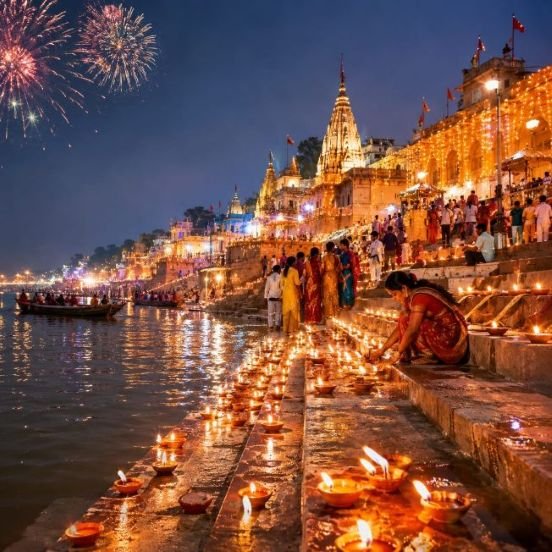
त्रिपुर पूर्णिमा की रात्रि में काशी के गंगा तट पर लाखों दीये जलते हैं और उनकी रोशनी पवित्र नदी के जल में झिलमिलाती है, तब एक ऐसा दृश्य उभरता है जिसे शब्दों में बाँधना असंभव हो जाता है. दीपावली के पंद्रह दिनों बाद मनाया जाना वाला यह पर्व अपने भीतर कई परतें समेटे हुए है. यह एक सामाजिक उत्सव है जो लोगों को एक साथ लाते हुए अर्थव्यवस्था को गति देता है साथ ही प्रकृति व पर्यावरण के प्रति जागरूकता का भी संदेश देता है.
देव दीपावली का शाब्दिक अर्थ “देवताओं का दीपोत्सव” है. या यूँ कहें कि, देवताओं द्वारा मनाया जाने वाला प्रकाश उत्सव. दुसरे शब्दों में कहें तो जब मानव अपने भीतर के राक्षसी भावना ( अहंकार, क्रोध, लोभ और वासना) को त्याग कर देव-दीपावली पर्व मनाया जाता है. पौराणिक ग्रंथों स्कन्द पुराण, नारद पुराण और पद्म पुराण में कार्तिक मास व देव दीपावली का विस्तार से वर्णन किया गया है. वहीं, पौराणिक ग्रंथों व धार्मिक मान्यताओं के अनुसार, आज ही के दिन मान्यता है कि इस दिन भगवान शिव ने त्रिपुरासुर नामक राक्षस का वध किया था, जिसकी खुशी में देवताओं ने दीप जलाकर उत्सव मनाया था.
कथा: –
तारकासुर के तीन पुत्रों – तारकाक्ष, कमलाक्ष और विद्युनमाली ने कठोर तपस्या करके ब्रह्मा जी से वरदान प्राप्त किया कि उन्हें केवल ‘त्रिपुर संयोग’ नामक दुर्लभ योग में ही मारा जा सकेगा. इस वरदान के अहंकार में उन्होंने स्वर्ण, चाँदी और लोहे के तीन विशाल नगरों का निर्माण किया, जिन्हें ‘त्रिपुर’ कहा गया. इन नगरों से उन्होंने तीनों लोकों में आतंक मचा दिया और देवताओं तथा ऋषियों को अत्याचार से पीड़ित कर दिया. तब सभी देवता भगवान शिव की शरण में पहुँचे. जब वह दुर्लभ ‘त्रिपुर संयोग’ आया, तब भगवान शिव ने अपने धनुष पिनाक से एक ही बाण चलाकर त्रिपुरासुर का वध कर दिया और संसार में पुनः धर्म और शांति का संतुलन स्थापित किया.
इस विजय के बाद देवताओं ने प्रसन्न होकर काशी में दीप जलाकर उत्सव मनाया. मान्यता है कि उसी दिन से यह परंपरा प्रारंभ हुई कि कार्तिक पूर्णिमा की रात्रि को देवता स्वयं दीप जलाते हैं. एक अन्य मान्यता के अनुसार, इसी दिन सभी देवी-देवता स्वर्गलोक से धरती पर आते हैं और पवित्र गंगा में स्नान कर काशी के घाटों पर दीप जलाते हैं.
विश्व का सबसे प्राचीन शहर काशी में कार्तिक पूर्णिमा के दिन माँ गंगा की पूजा कर घाट के किनारे लाखों दीपक जलाकर माँ गंगा को सम्मान दिया जाता है. गंगा किनारे ऐसा महसूस होता है कि पूरी आकाश ही गंगा में उतर गई हो. देव-दीपावली परम्परा की शुरुआत वर्ष 1915 में पंचगंगा घाट पर हजारों दिए जलाकर इसकी शुरुआत की गई थी. प्राचीन परम्परा और संस्कृति में आधुनिकता का शुरुआत कर विश्वस्तर पर एक नये अध्याय का आविष्कार किया था. माना जाता है कि कार्तिक पूर्णिमा के दिन देवतागण दीपावली मनाते हैं व इसी दिन देवताओं का काशी में प्रवेश हुआ था.
देव-दीपावली का यह पर्व सिर्फ काशी ही नहीं पुरे देश में अलग-अलग परम्पराओं के साथ मनाया जाता है. काशी में देव दीपावली की रात्रि में माँ गंगा के घाटों पर लाखों दीये जलाकर भव्य महाआरती की जाती है वहीं, बिहार और झारखंड में इस अवसर पर गंगा स्नान और दीपदान का विशेष महत्व होता है. पंजाब में आज के दिन गुरु नानक जयंती मनाई जाती है.
देव-दीपावली महज एक पर्व नहीं बल्कि, आस्था से जुड़ा हुआ एक अनुभव है जो हमें यह एहसास कराता है कि देवता भी उस पवित्र धरती पर उतरना चाहते हैं जहाँ श्रद्धा और भक्ति का ऐसा अनुपम संगम हो. यह पर्व केवल दीपों की ज्योति का नहीं, बल्कि आत्मा की शुद्धि और आध्यात्मिक जागरण का भी प्रतीक माना जाता है. एक ऐसी अनूठी परम्परा है जहाँ आस्था और आध्यात्मिकता एक साथ गंगा की धारा में विलीन हो जाती हैं.
========== ========= ===========
Dev Deepawali- 2026.
According to the Hindu calendar, the eighth month of the year has reached its final phase. While every full moon (Purnima) holds special significance for followers of the Sanatan tradition, the full moon of the month of Kartik is considered the most significant. The full moon of the month of Kartik is also known as ‘Tripur Purnima’. It is impossible to speak of the full moon of Kartik without thinking of Kashi (Varanasi).
On the night of Tripur Purnima, millions of earthen lamps (diyas) are lit along the banks of the Ganges in Kashi; their light shimmers upon the waters of the sacred river, creating a scene that defies description in words. Celebrated fifteen days after Deepawali, this festival encompasses many layers of meaning. It is a social celebration that brings people together, boosts the economy, and fosters awareness regarding nature and the environment.
The literal meaning of ‘Dev Deepawali’ is the “festival of lights of the gods”—or, in other words, a festival of light celebrated by the deities. On a deeper level, it signifies a time when humans cast aside the demonic tendencies within themselves—such as ego, anger, greed, and lust—to observe the festival. The month of Kartik and the festival of Dev Deepawali are described in detail in ancient texts, including the Skanda Purana, Narada Purana, and Padma Purana. According to these scriptures and religious beliefs, it was on this very day that Lord Shiva slew the demon Tripurasura; in celebration of this victory, the gods lit lamps.
Katha: –
The three sons of Tarakasura, Tarakaksha, Kamalaksha, and Vidyunmali—performed rigorous penance and obtained a boon from Lord Brahma, stipulating that they could only be destroyed during a rare celestial alignment known as ‘Tripur Sanyog’. Emboldened by this boon, they constructed three massive cities—made of gold, silver, and iron—collectively known as ‘Tripura’. From these strongholds, they unleashed terror across the three worlds, subjecting both gods and sages to severe oppression. Seeking refuge, the gods turned to Lord Shiva. When the rare celestial alignment known as the ‘Tripura Samyoga’ occurred, Lord Shiva—wielding his bow, Pinaka—slayed the demon Tripurasura with a single arrow, thereby restoring righteousness and peace to the world.
Following this victory, the gods celebrated by lighting lamps in Kashi. It is believed that this marked the origin of the tradition wherein the gods themselves light lamps on the night of Kartika Purnima. According to another belief, on this day, all the deities descend from the celestial realm (Svargaloka) to Earth, bathe in the sacred Ganges, and light lamps along the ghats of Kashi.
In Kashi—one of the world’s oldest cities—devotees honour Mother Ganga on Kartika Purnima by worshipping her and lighting hundreds of thousands of lamps along the riverbanks. The scene along the Ganges is so ethereal that it feels as though the entire night sky has descended upon the river. The tradition of ‘Dev Deepawali’ (the Deepawali of the gods) began in 1915 at Panchganga Ghat, where thousands of lamps were lit. This blend of ancient tradition and modern sensibility opened a new chapter on the global stage. It is said that the gods celebrate Deepawali on Kartika Purnima, the very day they are believed to have entered Kashi.
The festival of Dev Deepawali is celebrated across the country, with unique traditions varying by region. In Kashi, the night is marked by the lighting of hundreds of thousands of lamps along the ghats of the Ganges, accompanied by a grand ‘Maha Aarti’. In Bihar and Jharkhand, the occasion holds special significance for ritual bathing in the Ganges and the offering of lamps (deepdaan). Meanwhile, in Punjab, this day is observed as Guru Nanak Jayanti. Dev Deepawali is not merely a festival; it is an experience rooted in faith—one that suggests even the deities yearn to descend upon a sacred land where such a unique confluence of reverence and devotion exists. This celebration signifies more than just the light of lamps; it represents the purification of the soul and a spiritual awakening. It is a singular tradition in which faith and spirituality merge, flowing together into the waters of the Ganges.
========== ========= ===========