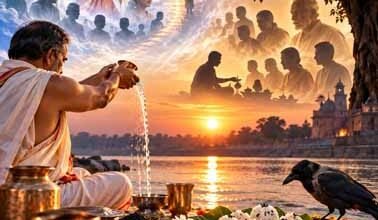
आश्विन महीने की शुरुआत होते ही दशहरा की भी शुरुआत हो जाती है. वैदिक साहित्य में भी नौ रात्रियों का सुंदर वर्णन किया गया है. नवरात्रि का संधि होता है, नव + रात्रि . जिसमें नव का अर्थ होता है नया और रात्रि का अर्थ है अंधकार. अंधकार से प्रकाश में लाने की क्रिया को ही जागरण कहा जाता है. जागरण का अभिप्राय यह है कि जो मानव जागरूक रहता है उसके यहां रात्रि कोई वस्तु नहीं होती है. रात्रि तो उनके लिये होती हैं जो जागरूक नहीं रहते हैं. या यूं कहें कि, ये नौ रातें साधकों में शक्ति की उपासना, आत्मशुद्धि, साधना, संघर्ष, विजय और नवचेतना का संदेश लेकर आती हैं. यह पर्व केवल देवी दुर्गा की आराधना का अवसर नहीं, बल्कि मनुष्य के भीतर विद्यमान सकारात्मक शक्तियों को जागृत करने तथा नकारात्मक प्रवृत्तियों पर विजय प्राप्त करने की सांस्कृतिक प्रेरणा भी है.
माता के गर्भ स्थल में रहने के जो नव मास हैं वे रात्रि के रूप में ही होते है. वहां पर अंधकार ही रहता है और वहां रूद्र रमण करते हैं तथा मूत्रो की मलिनता भी रहती है. उसमें आत्मा वास करके शरीर का निर्माण करता है. अतः जो मानव नौ द्वारों से जागरूक रहकर उनमें अशुद्धता नहीं आने देता वह मानव नव मास के इस अंधकार में नहीं जाता, जहां मानव का महाकष्टमय जीवन होता है. वह इतना भयंकर अंधकार होता है कि मानव न तो वहां पर कोई विचार विनियम ही कर सकता है और न अनुसंधान ही कर सकता है और न विज्ञान में ही जा सकता है. इस अंधकार को नष्ट करने के लिये ऋषि मुनियों ने अपना अनुष्ठान किया और गृहस्थियों में पति -पत्नी को जीवन में अनुष्ठान करने का भी उपदेश दिया. अनुष्ठान में दैव -यज्ञ करें. दैव- यज्ञ का अभिप्राय यह है कि ज्योति को जागरूक करें. दैविक ज्योति का अभिप्राय यह है कि दैविक ज्ञान -विज्ञान को अपने में भरण करने का प्रयास करें. वहीं आनंदमयी ज्योति है जिसको जानने के लिये ऋषि -मुनियों ने प्रयत्न किया. इस आत्मिक अग्नि को जान करके हमें ध्रुव -लोक में जाने का प्रयत्न करना चाहिए.
चैत के मध्य भाग में प्रायः अनुष्ठान किये जाते हैं. इसमें परम्परा से राजा और प्रजा मिलकर यज्ञ किया करते थे. इसमें प्रकृति माता की उपासना की जाती है, जिससे वायुमंडल वाला वातावरण शुद्ध हो और अन्ना दूषित न हो. इस समय माता पृथ्वी के गर्भ में नाना प्रकार की वनस्पतियां परिपक्व होती है. इसी नाते बुद्धिजीवी प्राणी मां दुर्गे की याचना करता है अर्थात प्रकृति की उपासना करता है कि हे मां! तू इन ममतामयी वनस्पतियों तथा हमारे अन्न को हमारे गृह में भरण कर दे तथा अस्वात कर दे. जैसे ब्रह्मचारी अपनी विद्या की रक्षा करता है, इसी प्रकार हे मां ! यह राष्ट्र और प्रजा की सम्पदा है. इसमें तू हमें इस अन्न को दे. इस प्रकार वैदिक -मंत्रों द्वारा अनुष्ठान करके यज्ञ में जो आहुति दी जाती है. इस प्रकार नवरात्रि तथा नवदिवस उपासना की जाती है. प्रतिपदा से लेकर अष्टमी तक प्रकृति की गति चैत्र के महीने में शांत रहती है. इसीलिए इसको गति देने के लिये तथा वायुमंडल को शोधन करने के लिये प्रत्येक मानव यज्ञमयी ज्योति को जागरूक करता है यह ज्योति शांत नहीं होनी चाहिये. इसका अनुष्ठान व्रती रहकर संकल्प के द्वारा जब यज्ञपति, होताजन, उद् गाताजन आदि यज्ञ करते हैं.
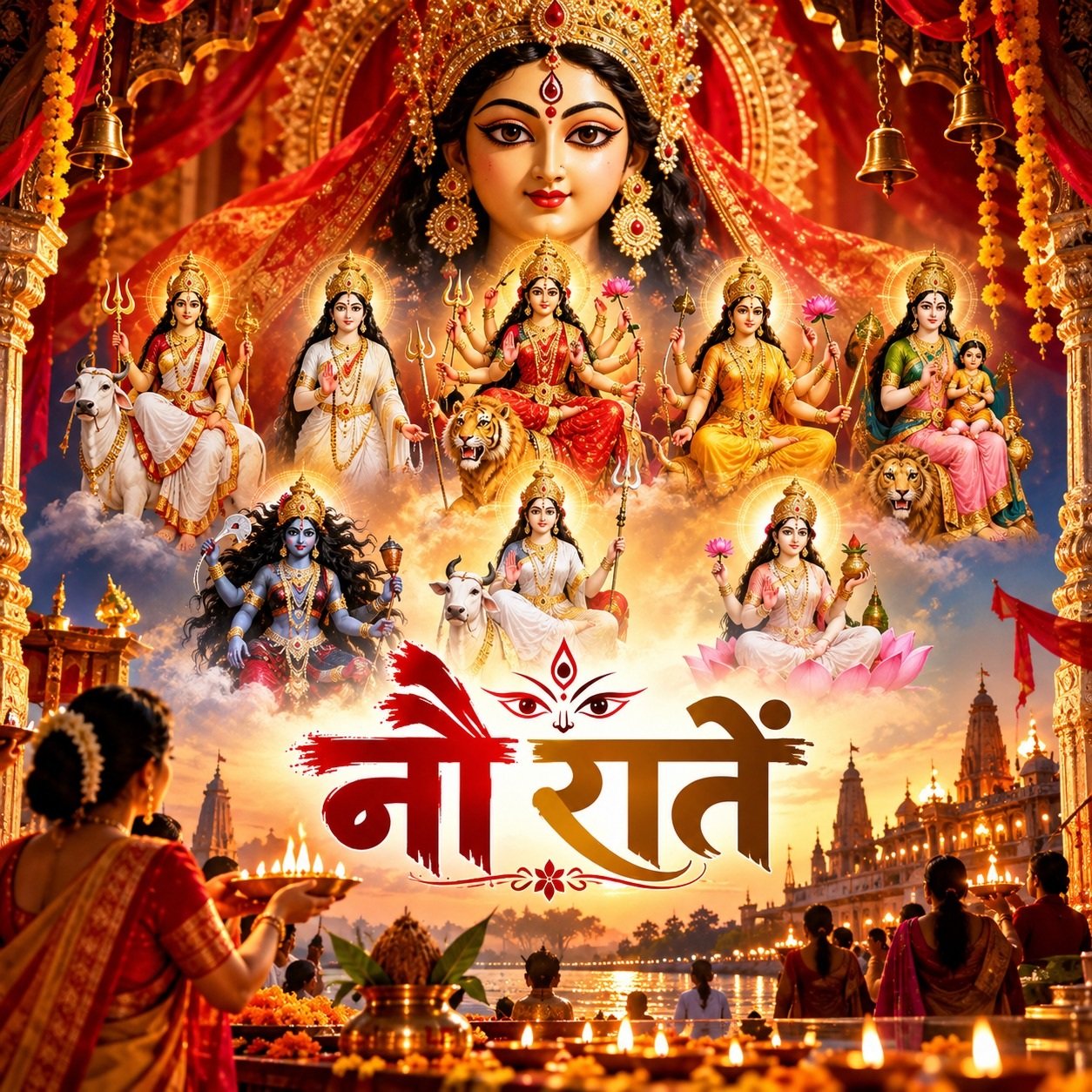
प्रत्येक मानव और देवकन्या याज्ञिक बनकर अनुष्ठान करने लगता है तो उसकी प्रवृत्तियां ही मानव का निर्माण करती हैं तथा प्रवृत्तियां ही वायुमंडल का निर्माण कर देती है. वायुमंडल जितना शोधित होता है उतनी ही कृषक की भूमि पवित्र होती है और उतनी ही पृथ्वी के गर्भ में नाना प्रकार की औषधियां शोधित हो जाती हैं और पवित्र बन जाती है, इसलिये यह अनुष्ठान किया जाता है. शैलपुत्री, ब्रह्मचारिणी, चंद्रघंटा, स्कंदमाता, कात्यायनी, कालरात्रि, महागौरी, सिद्धिदात्री और कूष्मांडा की पूजा की जाती है. इन नौ दिनों में इन नौ देवियों के रूपों की पूजा की जाती है. नवरात्रि की पूजा सबसे पहले श्रीराम ने समुद्र तट के किनारे की थी जब वह रावण से युद्ध करने जा रहे थे.
अन्न शरीर का घृत है अतः अन्न की स्थापना करके अन्नमयी ज्योति जागरूक की जाती है. उसी के द्वारा यह अग्नि प्रदीप्त रहती हैं, अन्यथा बिना वनस्पतियों के इस अग्नि को कोई महत्व नहीं है. इसीलिये हमें अग्नि की उपासना करते हुए, उस ज्योति को जानते हुए तथा मां वसुंधरा की याचना करते हुए अपने जीवन में योगिकता को प्राप्त करना चाहिये.
समस्त देशवासियों व राज्यवासियों को शारदीय नवरात्रि की हार्दिक शुभकामनायें.
======== ========= ===========
Nine nights…
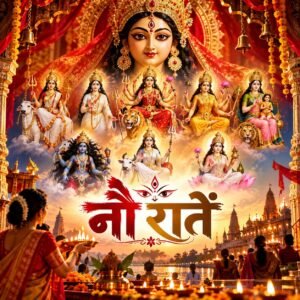
The onset of the month of Ashwin marks the beginning of Dussehra. Vedic literature contains a beautiful description of these nine nights. The term ‘Navratri’ is a combination of Nav (meaning ‘new’ or ‘nine’) and Ratri (meaning ‘darkness’). The process of transitioning from darkness to light is known as Jagaran (awakening). The essence of Jagaran is that for a person who remains spiritually awake, ‘night’—in the sense of ignorance or darkness—ceases to exist; such darkness exists only for those who lack awareness. In other words, these nine nights bring a message of Shakti worship, self-purification, spiritual practice, struggle, victory, and a new consciousness to spiritual seekers. This festival is not merely an occasion to worship Goddess Durga; it is also a source of cultural inspiration to awaken the positive forces within and triumph over negative tendencies.
The nine months spent in the mother’s womb are akin to a state of darkness; it is a realm of obscurity where Rudra dwells amidst the impurities of urine and waste. The soul resides there and fashions the physical body. Therefore, a human being who remains vigilant regarding the nine bodily gates—preventing impurity from entering them—avoids falling into the darkness of those nine months, a period characterized by immense suffering. This darkness is so profound that one cannot exchange thoughts, conduct research, or engage in scientific inquiry. To dispel this darkness, sages and seers performed sacred rituals (anushthans) and instructed householders—husbands and wives—to perform such rituals in their own lives. Central to these rituals is the Daiva-Yajna (Divine Sacrifice). The essence of Daiva-Yajna lies in awakening the inner light. This divine light signifies the endeavor to internalize divine knowledge and wisdom. It is this blissful light that sages and seers strove to realize. Having recognized this spiritual fire, we should endeavor to ascend to Dhruva-Loka (the Abode of the Eternal/the Pole Star).
Rituals are typically performed during the middle of the month of Chaitra. Traditionally, the king and his subjects would come together to perform the Yajna (sacrificial ritual). During this time, Mother Nature is worshipped to purify the atmosphere and ensure that the grain remains untainted. It is a period when various forms of vegetation mature within the womb of Mother Earth. Consequently, the wise human being invokes Mother Durga—thereby worshipping Nature—with this prayer: “O Mother! Bestow these nurturing plants and grains upon our homes and bless them with health-giving properties. Just as a Brahmachari (celibate student) safeguards his knowledge, O Mother, please grant us this grain—which is the wealth of the nation and its people.” Offerings are made into the Yajna fire accompanied by the chanting of Vedic mantras; this is how the worship of Navratri—spanning nine days—is conducted. From the Pratipada (first day) to the Ashtami (eighth day) of Chaitra, the pace of nature remains relatively still. Therefore, to invigorate this movement and purify the atmosphere, every individual kindles the sacred flame of the Yajna; this flame must not be allowed to die out. The ritual is performed by the Yajnapati (patron of the sacrifice), Hota, Udgata, and other priests, who observe vows and make solemn resolutions while conducting the ceremony.
When a human or a celestial maiden performs a ritual as a Yajnik (officiant), their inner inclinations shape the individual and simultaneously create the surrounding atmosphere. The more purified the atmosphere becomes, the more sanctified the farmer’s land grows, and the more the various medicinal herbs within the earth’s womb are purified and consecrated; this is the purpose of performing this ritual. Worship is offered to Shailaputri, Brahmacharini, Chandraghanta, Skandamata, Katyayani, Kalaratri, Mahagauri, Siddhidatri, and Kushmanda. During these nine days, the nine forms of the Goddess are worshipped. Lord Rama was the first to perform the Navaratri worship on the seashore while he was on his way to wage war against Ravana.
Food serves as the ghee (clarified butter) for the body; thus, by offering food, the Annamayi Jyoti (the light of the food-essence) is awakened. It is through this that the inner fire remains kindled; otherwise, without the essence derived from vegetation, this fire holds no significance. Therefore, while worshipping the fire and recognizing that inner light—and while making supplications to Mother Earth—we should strive to attain a state of Yoga in our lives.
Heartfelt greetings to all the citizens of the country and the state on the occasion of Sharadiya Navaratri.