अनंन्तसागरमहासमुद्रेमग्नान्समभ्युद्धरवासुदेव।
अनंतरूपेविनियोजितात्माह्यनन्तरूपायनमोनमस्ते॥
भगवान् कृष्ण का महीना भादों अपने आखरी चरण में पहुंच चुका है. भादों महीने के कृष्ण पक्ष की अष्टमी को भगवान् का जन्मोत्सव मनाया जाता है वहीं, भादों महीने के शुक्ल पक्ष की चतुर्दशी को भगवान् विष्णु के अनन्त (अनंत, शाश्वत, सीमाहीन) स्वरूप की पूजा होती है साथ ही गणपति बप्पा भी आपके घर से विदा लेते हैं.
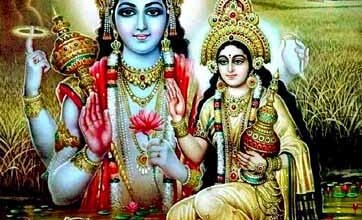
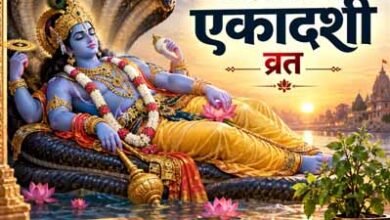
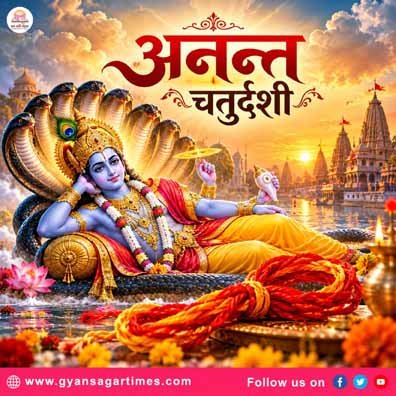
‘अनन्त’ का शाब्दिक अर्थ होता है जिसका आदि और अंत न हो. पौराणिक ग्रंथों के अनुसार, भगवान विष्णु को क्षीरसागर में शेषनाग की शैया पर शयन करते हुए अनन्त रूप में वर्णित किया गया है. वहीं, अनन्त का संबंध भगवान विष्णु के उस स्वरूप से जोड़ा जाता है जो शाश्वत और अनंत सत्ता का प्रतीक है. अग्नि पुराण आदि ग्रंथों में इस दिन अनन्त रूप की आराधना से पाप-क्षय और संकट-निवारण का उल्लेख मिलता है. यह व्रत केवल बाहरी अनुष्ठान तक सीमित नहीं है बल्कि, इसके पीछे स्थायित्व, धैर्य, विश्वास और जीवन में धर्माचरण की भावना निहित मानी जाती है.
भविष्य पुराण के अनुसार, जब पाण्डव जुए में अपना सारा राज-पाट हार कर वन में कष्ट भोग रहे थे, तब भगवान श्रीकृष्ण ने उन्हें अनन्त चतुर्दशी का व्रत करने की सलाह दी थी. धर्मराज युधिष्ठिर ने अपने भाइयों तथा द्रौपदी के साथ पूरे विधि-विधान से यह व्रत किया तथा अनन्तसूत्रधारण किया व व्रत के प्रभाव से पाण्डव सब संकटों से मुक्त हुए और महाभारत के युद्ध में उन्हें विजयी की प्राप्ति हुई थी. अनंत चतुर्दशी का पर्व हिंदू के साथ- साथ जैन समाज के लिए भी महत्त्वपूर्ण होता है, चुकिं जैन धर्म के दशलक्षण पर्व का इसी दिन समापन होता है. जैन अनुयायी इस दिन श्रीजी की शोभायात्रा निकालते हैं, और भगवान का जलाभिषेक भी करते हैं.
भगवान अनंत की पूजा करने व अनंत सूत्र बांधने से अनंत भगवान सभी संकटों से रक्षा करते है. चौदह गाँठों वाला अनन्त सूत्र चौदह लोकों (भू, भुवः, स्वः, महः, जनः, तपः, सत्यः, अतल, वितल, सुतल, तलातल, महातल, रसातल और पाताल) का प्रतीक माना जाता है. यह सूत्र केवल रक्षा का धागा नहीं, बल्कि साधक के पूरे ब्रह्मांड से जुड़ाव और दीर्घकालिक संकल्प का चिह्न है.
पौराणिक ग्रंथों के अनुसार, इस व्रत का संकल्प एवं पूजन किसी पवित्र नदी या सरोवर के तट पर करने का विधान है, लेकिन यदि ऐसा संभव न हो तो, घर में, पूजागृह में या स्वच्छ भूमि पर ही कलश स्थापित करें. कलश पर शेषनाग की शैय्यापर लेटे भगवान विष्णु की मूर्ति या चित्र को रखें, साथ ही चौदह गांठों से युक्त अनन्तसूत्र (डोरा) भी रखें. इसके बाद ॐ अनन्तायनम: मंत्र से भगवान विष्णु तथा अनंतसूत्र की षोडशोपचार-विधि से पूजा करें. पूजनोपरांत अनन्त सूत्र को मंत्र पढकर पुरुष अपने दाहिने हाथ और स्त्री बाएं हाथ में बांध लें. अनंत सूत्र बांध लेने के बाद किसी भी ब्राह्मण को नैवेद्य देकर स्वयं सपरिवार प्रसाद ग्रहण करें. पूजा के बाद व्रत-कथा को पढें.
कथा: –
सत्ययुग में सुमन्तु नाम के एक मुनि थे उनकी पुत्री शीला भी अपने नाम के अनुरूप अत्यंत सुशील थी. सुमन्तु मुनि ने उस कन्या का विवाह कौण्डिन्यमुनि से किया. कौण्डिन्यमुनि अपनी पत्नी शीला को लेकर जब ससुराल से घर वापस लौट रहे थे, तब रास्ते में नदी के किनारे कुछ स्त्रियां अनन्त भगवान की पूजा करते दिखाई पडीं. शीला ने भी अनन्त-व्रत का माहात्म्य जानकर उन स्त्रियों के साथ अनंत भगवान का पूजन करके अनन्तसूत्र बांध लिया, इसके फलस्वरूप थोडे ही दिनों में उसका घर धन-धान्य से पूर्ण हो गया. कुछ दिनों बाद जब कौण्डिन्य मुनि की दृष्टि अपनी पत्नी के बाएं हाथ में बंधे अनन्तसूत्रपर पड़ी, जिसे देखकर वह भ्रमित हो गए और उन्होंने अपनी पत्नी से पूछा? क्या तुमने मुझे वश में करने के लिए यह सूत्र बांधा है? शीला ने विनम्रतापूर्वक उत्तर दिया जी नहीं, यह अनंत भगवान का पवित्र सूत्र है, लेकिन ऐश्वर्य के मद में अंधे हो चुके कौण्डिन्य ने अपनी पत्नी की सही बात को भी गलत ही समझा और अनन्तसूत्र को जादू-मंतर वाला वशीकरण करने का डोरा समझकर तोड दिया, साथ ही उसे आग में डालकर जला दिया. इस जघन्य कर्म के कारण उनकी सारी संपत्ति नष्ट हो गई, और दीन-हीन स्थिति में जीवन-यापन करने को विवश हो गये. जब कौण्डिन्य ऋषि को अपने अपराध का बोध हुआ तो उन्होंने अपने उस अपराध के प्रायश्चित करने का निर्णय लिया. वे अनन्त भगवान से क्षमा मांगने हेतु वन में चले गए, और उन्हें रास्ते में जो कोई भी मिलता, वे उससे ही अनन्त देव का पता पूछते जाते. बहुत खोजने पर भी कौण्डिन्य मुनि को जब अनन्त भगवान का साक्षात्कार नहीं हुआ, तब वे निराश होकर प्राण त्यागने को तैयार हुए, तभी एक वृद्ध ब्राह्मण ने आकर उन्हें आत्महत्या करने से रोक दिया और एक गुफा में ले जाकर चतुर्भुज अनन्त देव का दर्शन कराया.
भगवान ने मुनि से कहा, तुमने जो अनन्तसूत्र का तिरस्कार किया, यह सब उसी का फल है, इसके प्रायश्चित हेतु तुम चौदह वर्ष तक निरंतर अनन्त-व्रत का पालन करो. इस व्रत का अनुष्ठान पूरा हो जाने पर तुम्हारी नष्ट हुई सम्पत्ति तुम्हें पुन:प्राप्त हो जाएगी और तुम पूर्ववत् सुखी और समृद्ध हो जाओगे. कौण्डिन्य मुनि ने इस आज्ञा को सहर्ष ही स्वीकार कर लिया. भगवान ने कहा, जीव अपने पूर्ववत् दुष्कर्मोका फल ही दुर्गति के रूप में भोगता है, और मनुष्य जन्म-जन्मांतर के पातकों के कारण अनेक कष्ट भी पाता है. अनन्त-व्रत का विधिपूर्वक पालन करने से से पाप नष्ट होते हैं, और सुख-शांति प्राप्त होती है. कौण्डिन्य मुनि ने चौदह वर्ष तक अनन्त-व्रत का नियमपूर्वक पालन करके खोई हुई समृद्धि को पुन: प्राप्त कर लिया.
भारतीय संस्कृति में कोई भी पूजा प्रकृति के साथ होती है ना कि प्रकृति के विमुख. वर्तमान समय के आधुनिक व डिजिटल युग में भी अनन्त चतुर्दशी का महत्व सिर्फ पूजा- पद्धति में नहीं, बल्कि उन जीवन-मूल्यों में है. अनन्त चतुर्दशी का पर्व हमें जीवन का मूल्य धैर्य और त्याग के बारे में बताता है.
========== ========= ===========
Anant Chaturdashi-2026.
Anantasagaramahasamudremagnansamabhyuddharavasudev।
Anantarupeviniyojitatmahyanantarupayanamonamaste॥
The month of Bhadon, dedicated to Lord Krishna, has reached its final phase. While the Lord’s birth anniversary is celebrated on the Ashtami (eighth day) of the dark fortnight (Krishna Paksha) of Bhadon, the Chaturdashi (fourteenth day) of the bright fortnight (Shukla Paksha) marks the worship of the Anant (eternal, everlasting, infinite) form of Lord Vishnu; this day also sees the farewell of Ganpati Bappa from one’s home.
The literal meaning of ‘Anant’ is that which has neither beginning nor end. According to ancient scriptures, Lord Vishnu is depicted in His Anant form, reclining on the serpent Sheshnag in the Ksheersagar (Ocean of Milk). This form symbolizes an eternal and infinite existence. Texts like the Agni Purana mention that worshipping the Anant form on this day leads to the cleansing of sins and the alleviation of troubles. This observance is not limited to mere external rituals; it embodies the values of steadfastness, patience, faith, and righteous conduct (Dharmacharan) in life.
According to the Bhavishya Purana, when the Pandavas were suffering in exile after losing their entire kingdom in a game of dice, Lord Krishna advised them to observe the Anant Chaturdashi fast. Dharmaraj Yudhishthira, along with his brothers and Draupadi, observed this fast with full ritualistic devotion and tied the sacred Anant-sutra (thread); through the power of this observance, the Pandavas were liberated from all their troubles and ultimately emerged victorious in the Mahabharata war. The festival of Anant Chaturdashi holds significance for the Jain community as well, as it marks the conclusion of the Dashalakshan Parva. On this day, Jain devotees take out a ceremonial procession (Shobhayatra) of the deity and perform the ritual bathing (Jal-Abhishek) of the Lord.
Worshipping Lord Anant and tying the sacred Anant-sutra invokes the Lord’s protection against all adversities. Anant Sutra with fourteen knots is considered to be the symbol of fourteen worlds (Bhu, Bhuvah, Swah, Mahah, Janah, Tapah, Satyah, Atal, Vittal, Sutal, Talatal, Mahatal, Rasatal and Patal). This sutra is not just a thread of protection, but a sign of the seeker’s connection with the entire universe and long-term resolution.
According to ancient scriptures, the ritualistic vow and worship associated with this observance are ideally performed on the banks of a sacred river or lake; however, if this is not feasible, one may install a Kalash (sacred pot) at home—either in the prayer room or on a clean patch of ground. Place an idol or image of Lord Vishnu—depicted reclining on the serpent Sheshnag—upon the Kalas, alongside the Anant-sutra (a sacred thread featuring fourteen knots). Subsequently, worship Lord Vishnu and the Anant-sutra using the Shodashopachara method (a sixteen-step ritual of worship) while chanting the mantra “Om Anantaya Namah.” After the worship, recite the mantra and tie the Anant-sutra—men on their right arm and women on their left. Once the thread is tied, offer Naivedya (sacred food offering) to a Brahmin, and then partake of the Prasad with your family. Conclude the observance by reading the Vrat-katha (the story associated with the fast).
Story: –
In the Satya Yuga, there lived a sage named Sumantu; his daughter, Sheela, was—true to her name—exceptionally virtuous and gentle. Sage Sumantu married her to Sage Kaundinya. While Kaundinya was returning home with his wife, Sheela, after visiting her parents’ home, they saw some women worshipping Lord Ananta on the riverbank. Upon learning of the significance of the Ananta-Vrat (the vow of Ananta), Sheela joined the women in worshipping the Lord and tied the sacred Ananta-Sutra (holy thread) around her wrist; consequently, their home was soon filled with abundant wealth and prosperity. Sometime later, Kaundinya noticed the Ananta-Sutra tied to his wife’s left wrist. Confused and suspicious, he asked her, “Have you tied this thread to cast a spell and bring me under your control?” Sheela humbly replied, “No, this is the sacred thread of Lord Ananta.” However, blinded by the arrogance of his wealth, Kaundinya misinterpreted her truthful words; believing the Ananta-Sutra to be a magical charm for subjugation, he tore it off and cast it into the fire. As a result of this heinous act, he lost all his wealth and was forced to live a life of abject poverty and misery. When Sage Kaundinya realized the gravity of his offense, he resolved to atone for it. He went into the forest to seek forgiveness from Lord Ananta, inquiring about the Lord’s whereabouts from everyone he met along the way. Despite an exhaustive search, he failed to behold the Lord; in despair, he prepared to end his life. Just then, an elderly Brahmin appeared, stopped him from committing suicide, and led him to a cave where he was granted a vision of the four-armed Lord Ananta.
The Lord said to the sage, “All this suffering is the consequence of your disrespect towards the Ananta-Sutra. To atone for this, you must observe the Ananta-Vrat continuously for fourteen years.” Upon the successful completion of this vow, you will regain your lost wealth and become happy and prosperous once again. Sage Kaundinya gladly accepted this instruction. The Lord explained that a living being suffers adversity as a consequence of past misdeeds and endures various hardships due to sins accumulated over many lifetimes. Observing the Ananta Vrat according to the prescribed rituals destroys sins and brings happiness and peace. By faithfully observing the Ananta Vrat for fourteen years, Sage Kaundinya regained his lost prosperity.
In Indian culture, any act of worship is performed in harmony with nature, not in opposition to it. Even in today’s modern and digital age, the significance of Ananta Chaturdashi lies not merely in the rituals of worship, but in the life values it embodies. The festival of Ananta Chaturdashi teaches us about the value of life, as well as the virtues of patience and sacrifice.