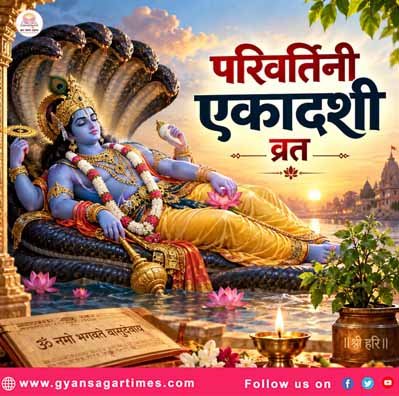
वाल व्यास सुमन जी महाराज धार्मिक चर्चा कर रहे थे, उसी समय एक भक्त ने पूछा कि, मान्यवर, भादो महीने के शुक्ल पक्ष में जो एकादशी होती है उसका नाम और काम क्या हैं? इसे करने की विधि क्या है? कृपया हम लोगों को विस्तार से बताएं…?
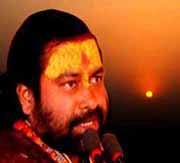 वाल व्यास सुमन जी महाराज कहतें हैं कि, एक बार धर्मराज युधिष्ठिर ने श्यामसुन्दर से कहा…हे मधुसुदन, भादो शुक्ल पक्ष में जो एकादशी होती है उसका नाम और काम क्या हैं? इसे करने की विधि क्या है? इसमें किस देवता की पूजा होती है? श्रीकृष्ण कहते हैं कि, हे युधिष्ठिर… जिस कथा को ब्रह्माजी ने नारद जी से कहा था, वही मैं तुमसे भी कहता हूँ. एक समय नारद जी ने ब्रह्माजी से यही प्रश्न किया था, तब ब्रह्माजी ने कहा… हे नारद, तुमने कलियुगी जीवों के उद्धार के लिए बहुत ही उत्तम प्रश्न किया है. क्योंकि एकादशी का व्रत सब व्रतों में उत्तम होता है, इस व्रत से समस्त पाप समाप्त हो जाते हैं.
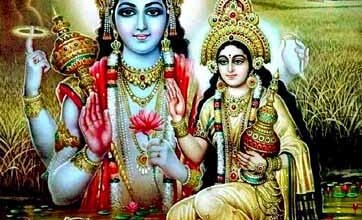
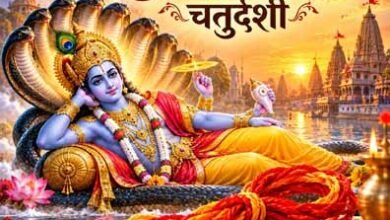
भादो शुक्ल पक्ष में जो एकादशी होती है उसे पद्मा, परिवर्तिनी, जयंती या एकादशी भी कहते हैं. इस एकादशी को करने से वाजपेय यज्ञ का फल मिलता है, और पापियों के पाप नाश करने के लिए इससे बढ़कर और कोई उपाय भी नहीं है. जो मनुष्य इस एकादशी के दिन मेरी (वामन रूप की) पूजा करता है, उससे तीनों लोक पूज्य होते हैं, और जो मनुष्य मोक्ष की इच्छा रखते हैं उन्हें इस व्रत को अवश्य ही करना चाहिए.
पूजन सामाग्री: –
वेदी, कलश, सप्तधान, पंच पल्लव, रोली, गोपी चन्दन, गंगा जल, दूध, दही, गाय के घी का दीपक, सुपाड़ी, शहद, पंचामृत, मोगरे की अगरबत्ती, ऋतू फल, फुल, आंवला, अनार, लौंग, नारियल, नीबूं, नवैध, केला और तुलसी पत्र व मंजरी.
पूजा-विधि: –
एकादशी के दिन स्नानादि से पवित्र होने के पश्चात संकल्प करके श्रीविष्णु के विग्रह की पूजन करना चाहिए. भगवान विष्णु को फूल, फल, तिल, दूध, पंचामृत आदि नाना पदार्थ निवेदित करके, आठों प्रहर निर्जल रहकर विष्णु जी के नाम का स्मरण एवं कीर्तन करना चाहिए. एकादशी व्रत में ब्राह्मण भोजन एवं दक्षिणा का बड़ा ही महत्व है अत: ब्राह्मण को भोजन करवाकर दक्षिणा सहित विदा करने के पश्चात ही भोजन ग्रहण करें. इस प्रकार जो पद्मा / परिवर्तिनी एकादशी का व्रत रखता है, उसकी सभी कामनाएं पूर्ण हो जाती हैं.
कथा: –
सूर्यवंश में मान्धाता नामक एक चक्रवर्ती, सत्य प्रतिज्ञ और प्रतापी राजा थे. वे अपने औरस पुत्रों की भाँति धर्म पूर्वक प्रजा का पालन किया करते थे. उनके राज्य में अकाल नहीं पड़ता था, मानसिक चिन्ताएँ भी नहीं सताती थीं, और व्याधियों का प्रकोप भी नहीं होता था. उनकी प्रजा निर्भय तथा धन धान्य से समृद्ध थी. महाराज के कोष में केवल न्यायोपार्जित धन का ही संग्रह होता था. उनके राज्य में समस्त वर्णों और आश्रमों के लोग अपने अपने धर्म में लगे रहते थे. मान्धाता के राज्य की भूमि कामधेनु के समान फल देने वाली थी और उनके राज्यकाल में प्रजा को बहुत ही सुख प्राप्त होता था. एक समय किसी कर्म का फल भोग प्राप्त होने पर राजा के राज्य में तीन वर्षों तक वर्षा नहीं हुई, और इससे उनकी प्रजा भूख से पीड़ित हो नष्ट होने लगी. तब सम्पूर्ण प्रजा ने महाराज के पास आकर इस प्रकार कहा.
नृपश्रेष्ठ, आपको प्रजा की बात सुननी चाहिए. चुकिं, पुराणों में मनीषी पुरुषों ने जल को ‘नार’ कहा है, और वह ‘नार’ ही भगवान का ‘अयन’ (निवास स्थान) है, इसलिए वे ‘नारायण’ कहलाते हैं. नारायणस्वरुप भगवान विष्णु सर्वत्र व्यापकरुप में विराजमान हैं. वे ही मेघस्वरुप होकर वर्षा करते हैं, वर्षा से अन्न पैदा होता है, और अन्न से प्रजा को जीवन मिलती है. नृपश्रेष्ठ, इस समय अन्न के बिना प्रजा का नाश हो रहा है, अत: ऐसा कोई उपाय कीजिये, जिससे हमारे योगक्षेम का निर्वाह हो सके.
मान्धाता ने कहा कि, आप लोगों का कथन सत्य है, क्योंकि अन्न को ही ब्रह्म कहा गया है. अन्न से प्राणी उत्पन्न होते हैं, और अन्न से ही जगत में जीवन धारण होता है. लोक में बहुधा ऐसा सुना जाता है, तथा पुराण में भी बहुत विस्तार के साथ ऐसा ही वर्णन है कि, राजाओं के अत्याचार से प्रजा को पीड़ा होती है, किन्तु जब मैं बुद्धि से विचार करता हूँ तो मुझे अपना किया हुआ कोई अपराध भी नहीं दिखायी देता है, फिर भी मैं प्रजा का हित करने के लिए अवश्य ही प्रयत्न करुँगा.
ऐसा निश्चय करके राजा मान्धाता कुछ गिने हुए व्यक्तियों को साथ लेकर और ईश्वर को प्रणाम करके सघन वन की ओर चल दिये, और मुनियों और तपस्वियों के आश्रमों पर घूमते-घूमते अंगिरा ॠषि के आश्रम पहुंचे, जहां उन्हें ब्रह्मपुत्र अंगिरा ॠषि के दर्शन हुए व उन पर दृष्टि पड़ते ही राजा हर्ष में भरकर अपने घोड़े से उतरकर और इन्द्रियों को वश में रखते हुए दोनों हाथ जोड़कर उन्होंने मुनि के चरणों में प्रणाम किया. मुनि ने भी ‘स्वस्ति’ कहकर राजा का अभिनन्दन किया, और कुशल-मंगल पूछा. मुनि ने राजा को आसन और अर्ध्य दिया, जिसे ग्रहण करके जब वे मुनि के समीप बैठे तो मुनि ने राजा से आगमन का कारण पूछा. राजा ने कहा कि, भगवन्… मैं धर्मानुकूल प्रणाली से पृथ्वी का पालन कर रहा हूँ, फिर भी मेरे राज्य में वर्षा का अभाव हो गया, इसका क्या कारण है इस बात को मैं भी नहीं जानता. ॠषि ने कहा कि, राजन्… सब युगों में उत्तम यह सत्ययुग है, इसमें सब लोग परमात्मा के चिन्तन में लगे रहते हैं, तथा इस समय धर्म अपने चारों चरणों से युक्त होता है. इस युग में केवल ब्राह्मण ही तपस्वी होते हैं, दूसरे लोग नहीं. किन्तु महाराज… आपके राज्य में एक शूद्र तपस्या कर रहा है, इसी कारण से मेघ पानी नहीं बरसाते हैं. तुम इसके प्रतिकार का यत्न करो, जिससे यह अनावृष्टि का दोष शांत हो जाय.
राजा ने कहा, मुनिवर… एक तो वह तपस्या में लगा हुआ है और दूसरा, वह निरपराध भी है. अत: मैं उसका अनिष्ट नहीं करुँगा. आप उक्त दोष को शांत करनेवाले किसी धर्म का उपदेश कीजिये. ॠषि ने कहा कि, राजन्… यदि ऐसी बात है तो, एकादशी का व्रत करो. भादों मास के शुक्ल पक्ष की पद्मा नाम की एकादशी का विधिपूर्वक व्रत करो. व्रत के प्रभाव से तुम्हारे राज्य में वर्षा होगी और प्रजा सुख प्राप्त करेगी क्योंकि इस एकादशी का व्रत सब सिद्धियों को देने वाला है और समस्त उपद्रवों को नाश करने वाला है. इस एकादशी का व्रत तुम प्रजा, सेवक और मंत्रियों सहित करो. ॠषि के इस वचन को सुनकर राजा अपने नगर को वापस आया और उसने विधिपूर्वक पद्मा एकादशी का व्रत किया, और उस व्रत के प्रभाव से वर्षा हुई और प्रजा को सुखी हो गई.
भगवान श्रीकृष्ण कहते हैं, राजन्… इस कारण इस उत्तम व्रत का अनुष्ठान अवश्य ही करना चाहिए.‘पधा एकादशी’ के दिन जल से भरे हुए घड़े को वस्त्र से ढकँकर दही और चावल के साथ ब्राह्मण को दान देना चाहिए, साथ ही छाता और जूता भी देना चाहिए.
दान करते समय निम्नांकित मंत्र का उच्चारण करना चाहिए: –
नमो नमस्ते गोविन्द बुधश्रवणसंज्ञक ॥
अघौघसंक्षयं कृत्वा सर्वसौख्यप्रदो भव ।
भुक्तिमुक्तिप्रदश्चैव लोकानां सुखदायकः॥
एकादशी का फल: –
महाराज जी कहते हैं कि जो व्यक्ति श्रृद्धा पूर्वक पद्मा / परिवर्तिनी एकादशी का व्रत रखता है उसके पूर्व जन्म के पाप कट जाते हैं और इस जन्म में सुख-समृद्धि की प्राप्ति होती है. पद्मा / परिवर्तिनी एकादशी एकादशी का व्रत करने से वाजपेय यज्ञ का फल मिलता है, और समस्त पापों का नाश करने के लिए इससे बढ़कर और कोई उपाय भी नहीं है.
वाल व्यास सुमन जी महाराज,
महात्मा भवन,
श्रीरामजानकी मंदिर,
राम कोट, अयोध्या.
Mob: – 8709142129.
========== ========= ===========
Parivartini Ekadashi Vrat
Val Vyas Suman Ji Maharaj was discussing religious matters when a devotee asked, “Sir, what is the name and purpose of the Ekadashi that occurs during the bright fortnight of the month of Bhado? What is the ritual for observing it? Please explain it in detail…”
Val Vyas Suman Ji Maharaj says that once, Dharmaraja Yudhishthira said to Shyamsundar, “O Madhusudan, what is the name and purpose of the Ekadashi that occurs during the bright fortnight of Bhado? What is the ritual for observing it? Which deity is worshipped during this time?” Shri Krishna said, “O Yudhishthira… I will tell you the same story that Brahmaji told Naradaji. Naradaji once asked Brahmaji the same question, to which Brahmaji replied, ‘O Narada, you have asked a very important question for the salvation of the people of Kaliyuga.
Because the Ekadashi fast is the best of all fasts; this fast eliminates all sins.'” The Ekadashi that occurs during the bright fortnight of the Bhado month is also known as Padma, Parivartini, Jayanti, or Ekadashi. Observing this Ekadashi bestows the fruits of the Vajapeya Yajna, and there is no better way to expiate the sins of sinners. Those who worship me (in the form of Vamana) on this Ekadashi are blessed with the three worlds, and those who desire salvation must observe this fast.
Worship materials: –
Altar, Kalash, Saptdhan (seven grains), Panch Pallava (five leaves), Roli (sweet rice), Gopi Chandan (sandalwood paste), Ganga water, milk, curd, cow ghee lamp, betel nut (betel nut), honey, Panchamrit (sweet jasmine) incense sticks, seasonal fruits, flowers, Amla (Indian gooseberry), pomegranate, cloves, coconut, lemon, Navaidh (sweet jasmine), banana, and Tulsi leaves and buds.
Worship method: –
On Ekadashi, after purifying oneself with a bath, one should make a resolution and worship the idol of Lord Vishnu. Offering flowers, fruits, sesame seeds, milk, Panchamrit, and other items to Lord Vishnu, one should remain thirsty for eight hours, remembering and chanting the name of Lord Vishnu. Feeding Brahmins and offering Dakshina (gifts) are of great importance during the Ekadashi fast. Therefore, one should eat only after feeding a Brahmin and bidding him farewell with Dakshina. Thus, one who observes the Padma/Parivartini Ekadashi fast fulfills all his wishes.
Story: –
In the Suryavansh dynasty, there was a king named Mandhata, a true emperor, truthful and powerful. He ruled his subjects righteously, just as his own sons. His kingdom was free from famine, mental anxieties, and diseases. His subjects were fearless and prosperous. The king’s treasury was filled with only justly earned wealth. People from all castes and orders in his kingdom devoted themselves to their respective dharmas. The land of Mandhata’s kingdom yielded fruits like the Kamadhenu, and during his reign, the people enjoyed immense happiness. Once, as a result of some karmic consequences, the king’s kingdom experienced no rain for three years, and as a result, his subjects suffered from hunger and began to perish. The entire people came to the king and said this:
O King, you should listen to the people. Since wise men in the Puranas have called water “Nar,” and that “Nar” is the Lord’s “Ayan” (abode), he is called “Narayana.” Lord Vishnu, in the form of Narayana, is omnipresent. He, in the form of clouds, brings rain. Rain produces food, and food provides life to the people. O best of kings, at this time, without food, the people are perishing. Therefore, please find a solution that can ensure our well-being.
Mandhata said, “What you say is true, because food is called Brahma. Living beings are born from food, and life in the world is sustained by food.” It is often heard, and the Puranas also describe it in great detail, that the people suffer because of the oppression of kings. However, when I reflect on this with my intellect, I cannot find any wrongdoing on my part. Nevertheless, I will certainly strive to benefit the people.
Having resolved thus, King Mandhata, accompanied by a few men, and after paying obeisance to God, set off for the dense forest. Visiting the ashrams of sages and ascetics, he reached the ashram of sage Angira, where he met sage Angira, and son of Brahma. Overjoyed, the king dismounted his horse and, controlling his senses, folded his hands and bowed at the sage’s feet. The sage greeted the king with a “Swasti” (good wishes) and inquired about his well-being. The sage offered the king a seat and a Prasad (offering). After accepting it, the king sat down next to him. The sage asked the king the reason for his visit. The king replied, “Lord, I am managing the earth according to the Dharma, yet my kingdom is experiencing a lack of rainfall. I don’t know the reason for this.” The sage replied, “O King, this Satyayuga is the best of all ages. In it, everyone is engaged in contemplation of God, and Dharma is prevalent in all its four stages. In this age, only Brahmins practice asceticism, not others. But, Your Majesty, a Shudra is performing penance in your kingdom, which is why the clouds do not rain. You should try to counteract this and alleviate the evil of this lack of rainfall.”
The king replied, “Munivar… firstly, he is engaged in penance, and secondly, he is innocent. Therefore, I will not harm him. Please preach a Dharma that can alleviate this evil.” The sage said, “King… if that is the case, then observe the Ekadashi fast. Observe the Ekadashi named Padma on the bright fortnight of the Bhadon month, as prescribed. The effect of this fast will bring rain to your kingdom, and your people will be happy, for this Ekadashi fast bestows all accomplishments and destroys all troubles. You, along with your subjects, servants, and ministers, should observe this Ekadashi fast.” Hearing the sage’s words, the king returned to his city and observed the Padma Ekadashi fast as prescribed. As a result, it brought rain and your people happiness.
Lord Krishna says, “O King… for this reason, this excellent fast must be observed.” On the day of Padha Ekadashi, a water-filled pitcher should be covered with a cloth and donated to a Brahmin along with curd and rice, along with an umbrella and shoes.
The following mantra should be chanted while making the donation: –
Namo Namaste Govind Budhashravanasangnyak ॥
Aghaughasankshayam Krutva Sarvasaukhyaprado Bhav ।
Bhuktimuktipradaschaiv Lokaanam Sukhdayakah॥
The Benefits of Ekadashi: –
Maharaj Ji says that anyone who devoutly observes the Padma/Parivartini Ekadashi fast is freed from the sins of their previous lives and enjoys happiness and prosperity in this life. Fasting on Padma/Parivartini Ekadashi bestows the fruits of the Vajapeya Yagna, and there is no better way to eradicate all sins.
Val vyas suman ji Maharaj,
Mahatma Bhawan, Sri Ram-janaki Temple,
Ram Kot, Ayodhya.
Contact: – 8709142129.