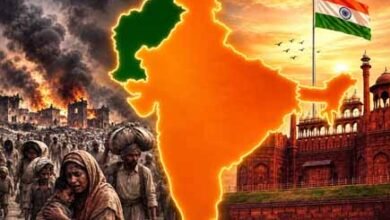
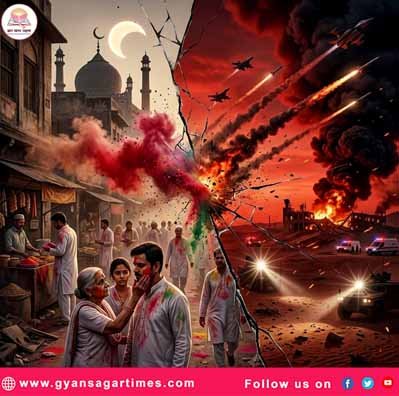
फरवरी – 26 का अंतिम दिन और मार्च – 26 का पहला सप्ताह भारतीय उपमहाद्वीप और पश्चिम एशिया के लिए एक अद्भुत विरोधाभास लेकर आया है. एक तरफ भारत में रंगों का त्योहार होली और आत्मसंयम का महीना रमजान एक साथ पड़ रहे हैं, तो दूसरी तरफ हजारों मील दूर मध्य पूर्व का रेगिस्तान युद्ध की चिंगारी से धधक कर लाल हो रहा है. इसे ही विनाश काले विपरीत बुद्धि कहते हैं
होली, बुराई पर अच्छाई की जीत और वसंत के स्वागत का प्रतीक, हर साल फाल्गुन पूर्णिमा को मनाई जाती है. लेकिन, वर्ष 2026 में इस तिथि को लेकर एक दुर्लभ खगोलीय घटना हो रही है. बताते चलें कि, 3 मार्च 2026 को पूर्ण चंद्र ग्रहण (चंद्र ग्रहण) लग रहा है, जो फाल्गुन पूर्णिमा के दिन ही पड़ रहा है. हिंदू धर्म में ग्रहण के दौरान सूतक काल माना जाता है, जिसमें कोई भी शुभ या धार्मिक कार्य वर्जित होते हैं. होलिका दहन का मुहूर्त प्रदोष काल (सूर्यास्त के बाद) में आता है, और ऐसे में 3 मार्च की शाम को पड़ रहे ग्रहण और उससे पहले लगने वाले सूतक ने तिथियों में भ्रम पैदा कर दिया है. इस खगोलीय संयोग का परिणाम यह हुआ है कि देश के अलग-अलग हिस्सों में होली अलग-अलग तारीखों पर मनाई जा रही है. पश्चिम बंगाल और ओडिशा में 04 मार्च को डोल पूर्णिमा के रूप में मनाया जाएगा. वहीँ, हर वर्ष की भांति मथुरा-वृंदावन में भी लड्डू मार होली हो या फिर बरसाने की लट्ठमार होली, उत्सव का माहौल पहले से ही शुरू हो चुका है.
रंगों का उत्सव है होली ,वहीं रमजान इस्लामी कैलेंडर का सबसे पवित्र महीना है. होली सामाजिक बंधनों को तोड़ने और मतभेदों को रंगों में विलीन करने का त्योहार है. यह “बहिर्मुखी” उत्सव है जहाँ लोग गलियों में निकलकर एक-दूसरे को रंग व अबीर लगाकर ख़ुशी मानते हैं वहीँ, दूसरी तरफ, इस्लाम का पवित्र महीना रमजान चल रहा है, जो आत्म-अनुशासन, धैर्य और त्याग का प्रतीक है. यह “अंतर्मुखी” साधना है जहाँ रोजे के जरिए अपनी इंद्रियों पर विजय पाई जाती है.
वर्तमान समय के भारतवर्ष में संगम की मिठास बनी हुई है जो गंगा-यमुना संस्कृति का अद्भुत अनुभूति करती है. जहाँ होली और रमजान साथ-साथ मनाई जा रही है. उत्तर प्रदेश की गलियों से लेकर पाकिस्तान के सिंध प्रांत के रेगिस्तानी शहर मिठी तक, होली और रमजान का संगम देखते ही बन रहा है. वहीं मध्य पूर्व एक बार फिर युद्ध की विभीषिका से जूझ रहा है. फरवरी महीने के अंतिम दिन संयुक्त राज्य अमेरिका और इज़राइल ने ईरान पर बड़े पैमाने पर हवाई हमले किए. इन हमलों में ईरान के सर्वोच्च नेता आयतुल्लाह अली खामेनेई समेत कई वरिष्ठ सैन्य और राजनीतिक नेताओं के मारे जाने की खबर है. अब यह युद्ध पूरे क्षेत्र में फैलता जा रहा है. ईरान ने जवाबी कार्रवाई करते हुए संयुक्त अरब अमीरात (दुबई), बहरीन, कतर, कुवैत और जॉर्डन में मौजूद अमेरिकी ठिकानों पर मिसाइलें दागी हैं. हॉरमुज जलडमरूमध्य, जहाँ से दुनिया की 20% से अधिक तेल आपूर्ति होती है, युद्ध क्षेत्र घोषित कर दिया गया है, जिससे वैश्विक तेल कीमतों में उछाल आने की आशंका पैदा हो गई है.
अमेरिका, इजरायल और ईरान के युद्ध ने पूरी दुनिया को दो हिस्सों में बांट दिया है. वहीँ, सऊदी अरब और मिस्र जैसे देश ईरान पर संप्रभुता उल्लंघन का आरोप लगा रहे हैं, वहीं तुर्की ने तटस्थ रहने की घोषणा की है. जबकि, चीन और रूस ने इस सैन्य कार्रवाई को अंतरराष्ट्रीय कानून का उल्लंघन बताते हुए तत्काल युद्ध विराम की अपील की है. विशेषज्ञों के अनुसार, यह संघर्ष सिर्फ ईरान तक सीमित नहीं रहेगा वहीँ, हिजबुल्लाह और हूती विद्रोहियों के भी शामिल होने की आशंका है जिससे यह युद्ध तीसरे विश्व युद्ध के कगार पर भी पहुँच सकता है. इस युद्ध ने वैश्विक राजनीति में एक बार फिर यह सवाल खड़ा कर दिया है कि कूटनीति को दरकिनार कर ताकत का प्रदर्शन क्या वास्तव में किसी समस्या का समाधान है?
ज्ञात है कि, मिडिल ईस्ट, जो कई महान सभ्यताओं और धर्मों का केंद्र रहा है लेकिन, वर्तमान समय में खुनी जंग चल रही है. एक तरफ जहाँ हिन्द में रमजान शांति से बीत रहा है, वहीं गाजा और आसपास के क्षेत्रों में मस्जिदें मलबे में तब्दील हो चुकी हैं. यह जंग केवल दो देशों की नहीं, बल्कि संसाधनों, जमीन और वर्चस्व की है. ईरान, इजराइल, हमास और हिजबुल्लाह जैसे खिलाड़ियों के बीच आम इंसान पिस रहा है. संयुक्त राष्ट्र की रिपोर्टों के अनुसार, मिडिल ईस्ट के युद्धग्रस्त क्षेत्रों में भुखमरी चरम पर है. जहाँ पड़ोसी देशों में पकवान बन रहें है वहीँ ईरान के लोग एक वक्त की रोटी के लिए संघर्ष कर रहें हैं.
हिन्द की धरती से निकलने वाला संदेश “वसुधैव कुटुंबकम” आज वैश्विक आवश्यकता बन गया है. यदि मिडिल ईस्ट के देश पुरानी शत्रुता को ‘होली’ की तरह जलाकर राख कर सकें, तो शांति संभव है. वहीँ, दूसरी तरफ रमजान सिखाता है कि युद्ध से ज्यादा कठिन और जरूरी है ‘अपने भीतर के क्रोध’ पर विजय पाना है.वर्तमान समय में पूरी दुनिया दो हिस्सों में बटीं दिखा रही है. एक तरफ जहाँ शांति है वहीँ दूसरी तरफ जीवित रहने की जद्दोजहद। वर्तमान समय में मिडिल ईस्ट को आज हथियारों की नहीं, बल्कि उसी ‘संवाद’ और ‘सहिष्णुता’ की जरूरत है जो भारत की गलियों में होली और रमजान के दौरान दिखती है. वैसे तो मानवता के पास हमेशा दो ही रास्ते होते हैं – त्योहारों से जीवन को रोशन करना या युद्ध से अंधकार में धकेलना.
वर्तमान समय मानवता के लिए एक बड़ा सबक है. एक तरफ होली के रंग हमें सिखाते हैं कि जिंदगी रंगीन है, उसे खुशी से जीना चाहिए वहीँ दूसरी तरफ रमजान सिखाता है कि इस खुशी को दूसरों के दर्द को समझकर, संयमित होकर जीना चाहिए और युद्द हमें चेताती है कि अगर हमने यह नहीं सीखा, तो यह रंगीन दुनिया एक दिन धुएं और आग के काले रंग में तब्दील हो जायगी.
========== ========= ===========
Holi in India and war in the Middle East…
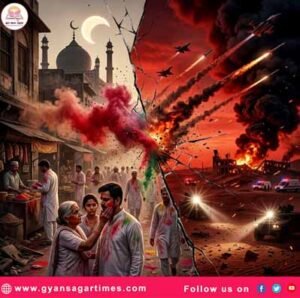
The last day of February 2026 and the first week of March 2026 bring a striking contrast to the Indian subcontinent and West Asia. While Holi, the festival of colors, and Ramadan, the month of self-restraint, coincide in India, thousands of miles away, the deserts of the Middle East are blazing red with the sparks of war. This is what is called “Vinaash Kale Viprit Buddhi” (Destruction in the Black and Viprit Wisdom).
Holi, symbolizing the triumph of good over evil and the welcome of spring, is celebrated annually on the full moon day of Phalguna. However, in 2026, a rare astronomical event is occurring on this date. A total lunar eclipse (Chandra Grahan) will occur on March 3, 2026, coinciding with the full moon day of Phalguna. In Hinduism, the period of eclipse is considered a period of “Sutak” (sunday), during which any auspicious or religious activities are prohibited. The auspicious time for Holika Dahan falls during Pradosh Kaal (after sunset), and the eclipse on the evening of March 3rd and the Sutak period preceding it have created confusion regarding the dates. This astronomical coincidence has resulted in Holi being celebrated on different dates in different parts of the country. In West Bengal and Odisha, Dol Purnima will be celebrated on March 4th. Meanwhile, as every year, in Mathura-Vrindavan, whether it’s Laddumar Holi or the Lathmar Holi of Barsana, the festive atmosphere has already begun.
Holi is a festival of colors, while Ramadan is the holiest month in the Islamic calendar. Holi is a festival of breaking social barriers and merging differences with colors. It is an “extroverted” festival where people come out into the streets to celebrate by smearing each other with colors and abir. Meanwhile, the holy month of Ramadan, a symbol of self-discipline, patience, and sacrifice, is underway. This is an “introverted” practice where one conquers the senses through fasting.
In present-day India, the sweetness of confluence remains, offering a wonderful experience of the Ganga-Yamuna culture. Holi and Ramadan are being celebrated together. From the streets of Uttar Pradesh to the desert city of Mithi in Pakistan’s Sindh province, the confluence of Holi and Ramadan is a sight to behold. Meanwhile, the Middle East is once again grappling with the horrors of war. On the last day of February, the United States and Israel launched massive airstrikes on Iran. These attacks reportedly killed several senior military and political leaders, including Iran’s Supreme Leader, Ayatollah Ali Khamenei. This war is now spreading throughout the region. Iran retaliated by firing missiles at US bases in the United Arab Emirates (Dubai), Bahrain, Qatar, Kuwait, and Jordan. The Strait of Hormuz, which carries over 20% of the world’s oil supply, has been declared a war zone, raising fears of a surge in global oil prices.
The war between the US, Israel, and Iran has divided the world. While countries like Saudi Arabia and Egypt are accusing Iran of violating its sovereignty, Turkey has declared neutrality. China and Russia, meanwhile, have called for an immediate ceasefire, calling the military action a violation of international law. According to experts, this conflict will not be limited to Iran alone; Hezbollah and Houthi rebels are also feared to be involved, which could push the conflict to the brink of World War III. This war has once again raised the question in global politics: is a display of power, bypassing diplomacy, truly the solution?
It is known that the Middle East, home to many great civilizations and religions, is currently witnessing a bloody war. While Ramadan is being celebrated peacefully in India, mosques in Gaza and surrounding areas have been reduced to rubble. This war isn’t just between two countries, but rather for resources, land, and dominance. The common man is being crushed by players like Iran, Israel, Hamas, and Hezbollah. According to United Nations reports, famine is rampant in the war-torn regions of the Middle East. While neighboring countries are preparing feasts, Iranians are struggling to make ends meet.
The message emanating from India, “Vasudhaiva Kutumbakam,” has become a global necessity. If the Middle Eastern countries can burn old enmities to ashes like Holi, peace is possible. On the other hand, Ramadan teaches that conquering the “anger within oneself” is more difficult and necessary than war. Currently, the entire world appears divided into two parts. On one side, there is peace, while on the other, there is the struggle for survival. Today, the Middle East needs not weapons, but the same “dialogue” and “tolerance” that is visible in the streets of India during Holi and Ramadan. Humanity always has two paths: to brighten life with festivals or to plunge it into darkness with war.
The present times hold a significant lesson for humanity. On the one hand, the colors of Holi teach us that life is colorful and should be lived happily. On the other hand, Ramadan teaches us that this joy should be lived with restraint, understanding the pain of others. War warns us that if we fail to learn this, this colorful world will one day be transformed into a black haze of smoke and fire.