
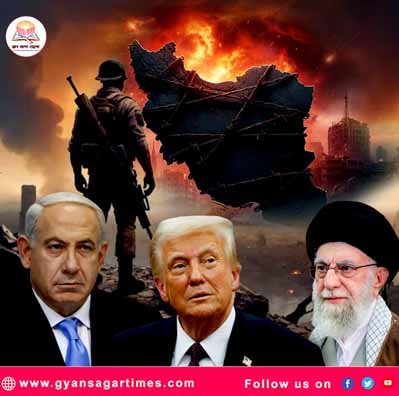
दुनिया की सबसे पुरानी सभ्यताओं में से एक है ईरान. पश्चिमी एशिया में स्थित एक देश जिसे वर्ष 1935 तक फ़ारस (पर्शिया) नाम से भी जाना जाता है. इसकी राजधानी तेहरान है और यह देश पश्चिम में इराक़ और तुर्की, उत्तर-पश्चिम में अज़रबैजान और आर्मीनिया, उत्तर में कैस्पियन सागर, उत्तर-पूर्व में तुर्कमेनिस्तान, पूर्व में अफ़्ग़ानिस्तान और पाकिस्तान और दक्षिण में फ़ारस की खाड़ी और ओमान की खाड़ी से घिरा है.वर्ष 2026 की शुरुआत के साथ ही ईरान एक ऐसे चौराहे पर खड़ा नजर आ रहा है, जहाँ बाहरी सैन्य खतरे और आंतरिक विद्रोह की आग ने उसे चारों तरफ से घेर लिया है. दशकों से चले आ रहे छद्म युद्ध और ‘प्रतिरोध के अक्ष’ की रणनीति अब सीधे टकराव में बदल चुकी है.
बताते चलें कि, वर्ष 2025 में हुए 12-दिवसीय युद्ध के बाद भी ईरानी नेतृत्व इसे जारी मानता है. इस संघर्ष ने ईरान की सैन्य क्षमताओं, विशेषकर उसके परमाणु बुनियादी ढांचे और हवाई रक्षा प्रणालियों को काफी नुकसान पहुँचाया। वहीँ, इज़राइल और अमेरिका द्वारा ईरान के परमाणु कार्यक्रम पर हमले ने उसकी सैन्य और रणनीतिक स्थिति को कमजोर किया. हिज़्बुल्लाह और हमास जैसे ईरान-समर्थित समूहों पर निरस्त्रीकरण का दबाव के साथ कई शीर्ष नेताओं की हत्या से इन संगठनों की ताकत भी घट गई है.
ट्रंप प्रशासन की वापसी के बाद ‘अधिकतम दबाव’ की नीति फिर से सक्रिय हो गई है. अमेरिका ने ईरान के साथ व्यापार करने वाले देशों पर भारी टैरिफ लगाने और प्रदर्शनकारियों पर बल प्रयोग के खिलाफ सैन्य कार्रवाई की चेतावनी भी दी है. युद्ध के जाल से भी खतरनाक ईरान की गिरती अर्थव्यवस्था का ऐतिहासिक रूप करीब 14 लाख प्रति डॉलर के स्तर तक पहुँच गई है. यह मुद्रास्फीति की दर 60% के करीब है.
बताते चलें की, दिसंबर 2025 से शुरू हुए विरोध प्रदर्शनों ने वर्ष 2026 में एक ‘क्रांति’ का रूप ले लिया है. ईरान के सभी 31 प्रांतों के 180 से अधिक शहरों में लोग सड़कों पर प्रदर्शन करते हुए “न गाजा, न लेबनान, मेरी जान सिर्फ ईरान” जैसे नारे लगा रहे हैं, जो सीधे तौर पर शासन की विदेश नीति और क्षेत्रीय युद्धों में पैसा बहाने के खिलाफ हैं.
वास्तव में ईरान एक साथ तीन मोर्चों पर लड़ रहा है. एक तरफ, संयुक्त राष्ट्र के प्रतिबंध फिर से लागू होने के बाद ईरान के परमाणु ठिकानों पर हमले का खतरा बढ़ गया है तो दूसरी तरफ, जल संकट और बिजली की कमी ने ग्रामीण आबादी को भी सरकार के खिलाफ कर दिया है. अभी भी रिवोल्यूशनरी गार्ड्स शासन के प्रति वफादार हैं, लेकिन बड़े पैमाने पर हो रहे नरसंहार (अनुमानित 2000+ मौतें) सुरक्षा बलों के भीतर भी तनाव को पैदा कर सकते हैं.
वर्तमान समय में ईरान के जो हालात बने हैं उसका बड़ा कारण ईरान की महत्वाकांक्षी क्षेत्रीय नीतियों और आर्थिक कुप्रबंधन. यदि शासन आंतरिक असंतोष को दूर करने के बजाय केवल बल प्रयोग पर निर्भर रहता है, तो वर्ष 2026 ईरान के वर्तमान राजनीतिक ढांचे के ‘अस्तित्व का संकट’ बन सकता है.मध्य पूर्व की शांति इस बात पर टिकी है कि ईरान इस जाल से निकलने के लिए कूटनीति का रास्ता चुनता है या पूर्ण युद्ध की ओर कदम बढ़ाता है.
========== ========= ===========
Iran entangled in the web of war…
Iran is one of the world’s oldest civilizations. Located in Western Asia, the country was also known as Persia until 1935. Its capital is Tehran, and it is bordered by Iraq and Turkey to the west, Azerbaijan and Armenia to the northwest, the Caspian Sea to the north, Turkmenistan to the northeast, Afghanistan and Pakistan to the east, and the Persian Gulf and the Gulf of Oman to the south. As 2026 begins, Iran finds itself at a crossroads, surrounded by external military threats and the flames of internal rebellion. Decades of proxy wars and the “axis of resistance” strategy have now escalated into direct confrontation.
It is worth noting that the Iranian leadership considers the 12-day war of 2025 to be ongoing. This conflict significantly damaged Iran’s military capabilities, particularly its nuclear infrastructure and air defense systems. Attacks on Iran’s nuclear program by Israel and the United States have weakened its military and strategic position. The pressure to disarm Iran-backed groups like Hezbollah and Hamas, along with the assassination of several top leaders, has also diminished the strength of these organizations.
With the return of the Trump administration, the “maximum pressure” policy has been reactivated. The US has imposed heavy tariffs on countries trading with Iran and has also warned of military action against the use of force against protesters.
Even more dangerous than the web of war is Iran’s collapsing economy, with the historical low of its currency reaching approximately 1.4 million rials per dollar. The inflation rate is close to 60%.
It is worth mentioning that the protests that began in December 2025 have transformed into a “revolution” in 2026. In more than 180 cities across all 31 provinces of Iran, people are taking to the streets, chanting slogans like “Neither Gaza, nor Lebanon, my life is only for Iran,” directly opposing the regime’s foreign policy and its spending on regional wars.
In reality, Iran is fighting on three fronts simultaneously. On one hand, the threat of attacks on Iran’s nuclear facilities has increased after the re-imposition of UN sanctions, while on the other hand, water scarcity and power shortages have turned the rural population against the government. The Revolutionary Guards remain loyal to the regime, but the large-scale killings (estimated 2000+ deaths) could create tensions even within the security forces.
The current situation in Iran is largely a result of its ambitious regional policies and economic mismanagement. If the regime relies solely on force instead of addressing internal discontent, the year 2026 could become an “existential crisis” for Iran’s current political structure. Peace in the Middle East hinges on whether Iran chooses the path of diplomacy to escape this trap or moves towards full-scale war.