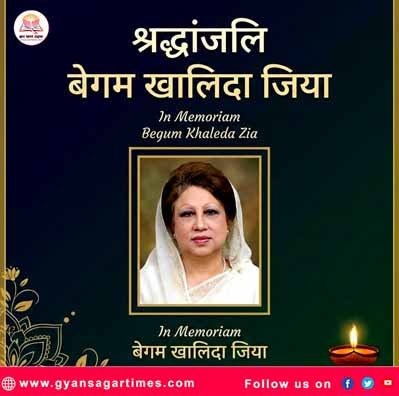
बांग्लादेश की पहली महिला प्रधानमंत्री थीं बेगम खालिदा जिया. वे बांग्लादेश की राजनीती का ऐसा स्तंभ थी जिनका जीवन संघर्ष, सत्ता, सड़कों की धूल, और अदालतों की सीढ़ियाँ के बीच बुना गया था. बेगम खालिदा जिया ना केवल बांग्लादेश की पहली महिला प्रधानमंत्री बनीं बल्कि उन्होंने देश की राजनीति को ‘दो बेगमों के ध्रुवीकरण के इर्द-गिर्द केंद्रित कर दिया था. उनकी मृत्यु के साथ बांग्लादेशी राजनीति का एक युग समाप्त हुआ.
खालिदा ज़िया बांग्लादेश की पहली महिला प्रधानमंत्री थीं. उनकी ऐसी पहचान जो प्रतीक भी है और इतिहास भी. वे सेना-प्रमुख हुसैन मुहम्मद इर्शाद के शासन के विरोध में उभरीं, और सड़कों से लेकर संसद तक लोकतंत्र की बहाली के लिए लड़ती रहीं. उनकी राजनीतिक यात्रा में सत्ता मिली, मुक़ाबले हुए, और कारावास भी आया और इसी मिश्रण ने उनकी छवि को ‘शक्ति और प्रतिरोध’ की धुरी बना दिया था. 30 दिसंबर 2025 को ढाका के एवरकेयर अस्पताल में सुबह 6 बजे खालिदा ज़िया का निधन लंबी बीमारी के बाद हुआ.
बताते चलें कि, खालिदा जिया का राजनीति में आना सुनियोजित नहीं था. वर्ष 1981 में उनके पति और तत्कालीन राष्ट्रपति जियाउर रहमान की हत्या के बाद, ‘बांग्लादेश नेशनलिस्ट पार्टी’ (BNP) बिखरने की कगार पर थी तब पार्टी को एकजुट करने के लिए खालिदा ने वर्ष 1982 में राजनीति में कदम रखा और वर्ष 1984 में BNP की चेयरपर्सन बनीं. उन्होंने वर्ष 1980 के दशक में उन्होंने सैन्य तानाशाह एच.एम. इरशाद के खिलाफ कड़ा संघर्ष किया था जिसके कारण उन्हें ‘अपुशहीन नेत्री’ भी कहा जाने लगा था.
खालिदा जिया तीन बार बांग्लादेश की प्रधानमंत्री रहीं और उनके कार्यकाल ने देश की सामाजिक व आर्थिक स्थिति पर गहरा प्रभाव डाला. वर्ष 1991 के स्वतंत्र चुनावों में जीत हासिल कर वे देश की पहली महिला प्रधानमंत्री बनीं और उन्होंने संसदीय लोकतंत्र की बहाली में महत्वपूर्ण भूमिका निभाई थीं. उनके शासनकाल में लड़कियों के लिए मुफ्त शिक्षा और अनिवार्य प्राथमिक शिक्षा जैसे क्रांतिकारी कदम उठाए गए. उन्होंने मुक्त बाजार अर्थव्यवस्था को बढ़ावा दिया और विदेशी निवेश को आकर्षित करने के लिए नीतियां भी बनाईं थीं.
बताते चलें कि, खालिदा जिया की राजनीति मुख्य रूप से ‘बांग्लादेशी राष्ट्रवाद’ पर आधारित रही है, जो शेख हसीना की ‘बंगाली राष्ट्रवाद’ (जो भाषा और संस्कृति पर केंद्रित है) से भिन्न है. उनके कार्यकाल के दौरान भारत के साथ संबंध अक्सर तनावपूर्ण रहे. उन पर अक्सर भारत-विरोधी चरमपंथी समूहों को संरक्षण देने के आरोप भी लगे. उनकी पार्टी (BNP) का ‘जमात-ए-इस्लामी’ जैसे दक्षिणपंथी दलों के साथ गठबंधन रहा, जिससे उनकी छवि एक रूढ़िवादी नेता के रूप में बनी थी.
वर्ष 2008 के बाद से खालिदा जिया का राजनीतिक ग्राफ लगातार गिरता चला गया. अवामी लीग की सत्ता में वापसी के बाद उन पर कानूनी शिकंजा भी कसता गया. वर्ष 2018 में उन्हें ‘जिया ऑर्फनेज ट्रस्ट’ मामले में 5 साल की जेल की सजा सुनाई गई. ‘जिया चैरिटेबल ट्रस्ट’ मामले में भी उन्हें सजा भी हुई थी. पिछले कुछ वर्षों से वे गंभीर बीमारियों से जूझ रही थी. मानवीय आधार पर उनकी सजा को निलंबित कर उन्हें घर पर रहने की अनुमति दी गई थी, लेकिन उनकी राजनीतिक गतिविधियां पूरी तरह रुक गईं. अगस्त 2024 में बांग्लादेश में हुए बड़े राजनीतिक उलटफेर (शेख हसीना के इस्तीफे) के बाद खालिदा जिया को आधिकारिक तौर पर रिहा कर दिया गया.
खालिदा जिया का इतिहास इस बात का गवाह है कि कैसे एक साधारण गृहिणी ने दक्षिण एशिया की सबसे शक्तिशाली महिलाओं में से एक बनकर दिखाया. हालांकि, भ्रष्टाचार के आरोपों और कट्टरपंथी ताकतों के साथ गठबंधन ने उनकी विरासत पर सवाल भी खड़े किए.
========== ========= ===========
Tribute to Begum Khaleda Zia…
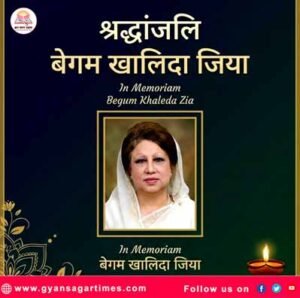
Begum Khaleda Zia was Bangladesh’s first female Prime Minister. She was a pillar of Bangladeshi politics, whose life was woven between struggle, power, the dust of the streets, and the steps of the courts. She not only became Bangladesh’s first female Prime Minister but also centered the country’s politics around the polarization of the “two Begums.” With her death, an era in Bangladeshi politics ended.
Khaleda Zia was Bangladesh’s first female Prime Minister, a persona that is both symbolic and historical. She emerged in opposition to the rule of Army Chief Hussain Muhammad Ershad and fought for the restoration of democracy from the streets to Parliament. Her political journey included power, contests, and imprisonment, a combination of which cemented her image as a symbol of “strength and resistance.” Khaleda Zia passed away at 6 a.m. on December 30, 2025, at Evercare Hospital in Dhaka, after a prolonged illness.
It should be noted that Khaleda Zia’s entry into politics was not planned. Following the assassination of her husband and then-President Ziaur Rahman in 1981, the Bangladesh Nationalist Party (BNP) was on the verge of collapse. Khaleda entered politics in 1982 to unite the party and became its chairperson in 1984. Her fierce struggle against military dictator H.M. Ershad in the 1980s earned her the nickname “the unrepentant leader.”
Khaleda Zia served as Prime Minister of Bangladesh three times, and her tenure profoundly impacted the country’s social and economic situation. Winning the 1991 free elections, she became the country’s first female Prime Minister and played a key role in the restoration of parliamentary democracy. During her tenure, revolutionary measures such as free education for girls and compulsory primary education were implemented. She promoted a free market economy and enacted policies to attract foreign investment.
It should be noted that Khaleda Zia’s politics were primarily based on “Bangladeshi nationalism,” which differs from Sheikh Hasina’s “Bengali nationalism” (which focuses on language and culture). During her tenure, relations with India were often strained. She was often accused of patronizing anti-India extremist groups. Her party (BNP) was allied with right-wing parties like Jamaat-e-Islami, which created her image as a conservative leader.
Since 2008, Khaleda Zia’s political profile has steadily declined. After the Awami League returned to power, legal pressure on her increased. In 2018, she was sentenced to five years in prison in the Zia Orphanage Trust case. She was also convicted in the Zia Charitable Trust case. She had been battling serious illnesses for the past few years. Her sentence was suspended on humanitarian grounds and she was allowed to remain at home, but her political activities were completely halted. Following the major political upheaval in Bangladesh (Sheikh Hasina’s resignation) in August 2024, Khaleda Zia was officially released.
Khaleda Zia’s history is a testament to how a simple housewife rose from a simple woman to become one of South Asia’s most powerful women. However, allegations of corruption and alliances with radical forces have also raised questions about her legacy.