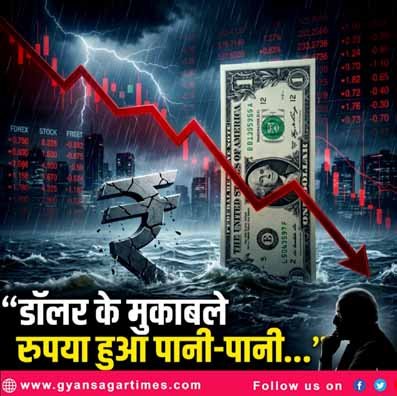
20 मई 2026 को डॉलर के मुकाबले रुपया अपने नीचले स्तर पर पहुँच गया. कभी शासन सत्ता का हथियार बना आज खुद के ही गले की फांस बन गया है. दूसरी तरफ, पड़ोसी मुद्राओं टका (बांग्लादेश) और पाकिस्तानी रुपये के सामने भी हमारी मुद्रा की तुलना भी की जा रही है तो यह कहना गलत नहीं होगा कि जिस तरह भारतीय रुपया डॉलर के मुकाबले लगातार निचले स्तर को छू रहा है, उसे ‘पानी-पानी’ कहना गलत नहीं होगा?
– डॉलर के सामने रुपया अपने नीचले स्तर पर,
– मुकाबला शुरू हुआ टका और पाकिस्तानी रुपया से होने लगा है,
– कभी रुपया पतला होता था अब मोटा हो गया…
वर्तमान समय में भारतीय अर्थव्यवस्था अपने लचीलेपन के कारण आज बेहद ही संवेदनशील मोड़ पर खड़ी हो गई है. विदेशी मुद्रा बाजार में भारतीय रुपया लगातार ऐतिहासिक निचले स्तर पर पहुँच गया है. दूसरी तरफ यह स्थिति आर्थिक चिंता के साथ-साथ राजनीतिक सवाल भी खड़ा करती है. मुख्यमंत्री रहते हुए दिए गए पुराने बयानों को आज के परिदृश्य से जोड़कर देखा जा रहा है.
बताते चलें कि, आजादी के समय जहां एक डॉलर की कीमत मात्र 4.76 रुपये हुआ करती थी. करीब 12 वर्ष पीछे जब केंद्र में यूपीए की सरकार थी और रुपया डॉलर के मुकाबले 60-65 के स्तर पर था, उस वक्त तत्कालीन मुख्यमंत्री नरेंद्र मोदी ने एक प्रसिद्ध बयान दिया था कि “डॉलर के मुकाबले रुपया पतला होता जा रहा है और यह देश की प्रतिष्ठा गिरने का प्रतीक है. वहीं, वर्तमान समय में रुपया डॉलर के मुकाबले ऐतिहासिक रूप से बेहद कमजोर होकर एशिया की सबसे कमजोर प्रमुख मुद्रा बन गया है. आजादी के बाद आज तक यह आंकड़ा करीब 20 गुना बढ़ गया है.
गुजरात के मुख्यमंत्री नरेंद्र मोदी ने वर्ष 2013 दिए गए बयानों के कुछ अंश –
- “किसी देश की करेंसी तभी गिरती है जहां सरकार बेईमान और भ्रष्ट हो.”
- “मैं कभी सोचता हूं केंद्र सरकार और गिरते रुपये के बीच रेस लगी है. कौन सबसे नीचे जाएगा?”
- “प्रधानमंत्री की प्रतिष्ठा गिरते रुपये से जुड़ी हुई है. यह जितना गिरता है, प्रधानमंत्री की विश्वसनीयता उतनी ही खत्म होती है.”
- मोदी ने यह भी कहा था कि “डॉलर के मुकाबले रुपया पतला हो रहा है” और एक सशक्त प्रधानमंत्री ही रुपये को मजबूत कर सकता है.
बताते चलें कि, वर्ष 2014 में जब भाजपा की सरकार बनी और मोदी पीएम बने उस वक्त डॉलर की कीमत 58.58 रुपये थी. वर्तमान समय की परिस्थिति को देखते हुए रुपया डॉलर के मुकाबले लगभग 65 प्रतिशत कमजोर हुआ है. आर्थिक दृष्टिकोण से देखें तो मुद्रा का गिरना हमेशा केवल सरकार की विफलता नहीं होता, बल्कि इसके पीछे वैश्विक आर्थिक परिस्थितियां भी होती हैं. वहीं, वर्तमान समय में राजनीतिक रूप से यह मौजूदा सरकार के लिए बड़ा पलटवार साबित हो रहा है चूकिं, जनता पुराने वादों और आज की जमीनी हकीकत से तुलना कर रही है.
राजनीती के जानकारों के अनुसार, रुपये की इस ‘दुर्दशा’ के लिए तीन प्रमुख वैश्विक कारण है. – मध्य एशिया में तनाव के कारण क्रूड आयल की कीमतों में इजाफा. ज्ञात है कि, भारत अपनी तेल जरूरतों का एक बड़ा हिस्सा आयात करता है, इसलिए तेल की बढ़ती कीमतें डॉलर की मांग बढ़ाती हैं, जिससे रुपये पर भी दबाव बढ़ता है. अमेरिकी फेडरल रिजर्व द्वारा ब्याज दरों को उच्च रखने या बढ़ाने की संभावनाओं ने डॉलर इंडेक्स को मजबूत करने के कारण वर्ष 2007 के बाद अमेरिकी 30-वर्षीय बॉन्ड यील्ड अपने उच्चतम स्तर पर पहुंच गई है, जिससे निवेशक डॉलर की ओर आकर्षित हो रहें हैं. वहीं, बाजार में जोखिम बढ़ने से विदेशी संस्थागत निवेशक लगातार पूंजी निकाल रहें हैं. वर्तमान समय का आलम यह है कि, रुपया केवल डॉलर के मुकाबले कम नहीं हुआ बल्कि, पाकिस्तानी रुपया और बांग्लादेशी टका के मुकाबले में भी कमजोर हुआ है. मई 2025 में 1 भारतीय रुपया 3.29 पाकिस्तानी रुपये के बराबर था, जो मई 2026 में घटकर लगभग 2.90 पाकिस्तानी रुपये रह गया वहीं, पिछले एक साल में रुपया टका के मुकाबले लगभग 10% कमजोर हुआ है.
वर्तमान समय में पाकिस्तान की अर्थव्यवस्था बेहद नाजुक दौर से गुजर रही है, जहां डॉलर के मुकाबले उनका रुपया 275-280 के पार पहुँच गया है साथ ही पाकिस्तान की विदेशी मुद्रा भंडार भी खत्म होने की कगार पर खड़ी है दूसरी तरफ, बांग्लादेश में अभी हालिया राजनैतिक उथल-पुथल के कारण विदेशी मुद्रा संकट से भी जूझ रहा है. उस मुकाबले में अभी भारत का विदेशी मुद्रा भंडार काफी मजबूत है. रुपया इसलिए नहीं गिर रहा कि भारतीय अर्थव्यवस्था बर्बाद हो रही है, बल्कि इसलिए गिर रहा है क्योंकि अमेरिकी डॉलर वैश्विक स्तर पर काफी मजबूत हो रहा है. तकनीकी रूप से यह गिरावट का एक नया रिकॉर्ड है.
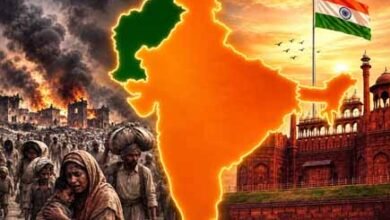
अगर हम इतिहास को झाँक कर देखें तो पता चलता है कि, वर्ष 1947 में पाकिस्तान और भारत की मुद्राएं लगभग बराबर थीं. वर्ष 1955 तक दोनों करेंसीज ने डॉलर के मुकाबले अपना मूल्य भी समायोजित किया. उसके बाद दोनों देशों की अर्थव्यवस्था अलग-अलग दिशाओं में बढ़ी. एक तरफ जहाँ पाकिस्तान लंबे समय तक राजनीतिक अस्थिरता, विदेशी कर्ज, ऊंची महंगाई और कमजोर विदेशी मुद्रा भंडार जैसी समस्याओं से जूझता रहा जिसका सीधा असर वहां की करेंसी पर पड़ा. वर्तमान समय में दोनों देशों की मुद्राएं डॉलर के मुकाबले लगातार कमजोर हो रही हैं.
रुपया कीं कमजोरी का सीधा असर आम आदमी की जेब पर पड़ता है. इसे हम “आयातित मुद्रास्फीति” कहा जाता है. जब डॉलर महंगा होगा, तो पेट्रोल-डीजल के दाम बढ़ेंगे, ईंधन महंगा होने से माल ढुलाई महंगी हो जाएगी, जिससे फल, सब्जियां, दूध और राशन की हर चीज महंगी हो जाएगी. साथ ही रुपया कमजोर होने से लैपटॉप, मोबाइल और टीवी जैसी चीजें महंगी हो सकती हैं चूकिं,भारत ज्यादातर इलेक्ट्रॉनिक कंपोनेंट्स, चिप्स और मोबाइल पार्ट्स, पाम ऑयल और अन्य खाद्य तेलों को भी आयात करता है. इस तरह आप समझ सकते हैं कि, महंगाई का दबाव निश्चित रूप से बढ़ेगा.
महंगाई बम फूटने से बचाने के लिए रिजर्व बैंक ऑफ इंडिया ने रुपये की गिरावट की रफ्तार को कम करने के लिए हस्तक्षेप किया है, जैसे कि 5 बिलियन डॉलर का स्वैप ऑक्शन. बाजार के जानकारों के अनुसार, रिजर्व बैंक ऑफ इंडिया केवल अस्थिरता को कम कर सकता है, लेकिन वह तेल की कीमतों या डॉलर की मजबूती जैसे मूलभूत कारकों को रोक नहीं सकता है. अगर रुपया इसी तरह से टूटता रहा, तो मध्यम वर्ग और गरीबों पर महंगाई की मार पड़ना तय है.
“डॉलर के मुकाबले रुपया पानी-पानी” होना कोई नई बात नहीं है यह एक ऐतिहासिक प्रवृत्ति है जो दशकों से चली आ रही है. वर्ष 1947 से वर्तमान समय तक रुपया लगातार कमजोर हो रहा है. जिसके कारण महंगाई बढ़ेगी और मुद्रा स्फीति दर करीब 5% से अधिक का अनुमान है, जो आम आदमी की जेब पर भारी पड़ेगा. कभी राजनीती के लिए बनाया गया हथियार खुद के गले की फांस बनकर लौट रहा है.
वर्तमान समय में भारत दुनिया की पांचवीं सबसे बड़ी अर्थव्यवस्था हो, लेकिन जब तक हम अपनी आयातों (विशेषकर ऊर्जा और तकनीक) पर निर्भरता कम नहीं करेंगे और देश के निर्यात को वैश्विक स्तर पर प्रतिस्पर्धी नहीं बनाएंगे, तब तक डॉलर के सामने रुपया इसी तरह हांफता रहेगा. रुपये का “पानी-पानी” होना एक चेतावनी है लेकिन यह अंत नहीं है. आने वाले महीने यह तय करेंगे कि भारत इस चुनौती को अवसर में बदल पाता है या फिर यह गिरावट एक नए “कीर्तिमान” की शुरुआत मात्र है.
यह लेख विभिन्न वित्तीय डेटा स्रोतों और रिपोर्ट्स पर आधारित है.
========== ========= ===========
The rupee has plummeted against the dollar…

On May 20, 2026, the rupee reached its lowest level against the dollar. Once a weapon of government power, it has now become a thorn in its own throat. On the other hand, when our currency is being compared against neighboring currencies like the Taka (Bangladesh) and the Pakistani Rupee, it wouldn’t be wrong to say that the Indian Rupee is constantly sinking against the dollar.
- The Rupee is at its lowest level against the dollar,
- The competition has begun with the Taka and the Pakistani Rupee,
- The Rupee, once thin, has now become thick…
At present, the Indian economy is at a very sensitive juncture due to its resilience. The Indian Rupee has consistently reached historic lows in the foreign exchange market. This situation raises both economic concerns and political questions. Old statements made while serving as Chief Minister are being interpreted in light of the current situation.
It should be noted that at the time of independence, one dollar was worth only 4.76 rupees. About 12 years ago, when the UPA government was in power at the center and the rupee was at 60-65 against the dollar, then-Chief Minister Narendra Modi famously stated, “The rupee is weakening against the dollar, a symbol of the country’s declining prestige.” At present, the rupee has historically weakened against the dollar, becoming the weakest major currency in Asia. This figure has increased nearly 20-fold since independence.
Excerpts from statements made by Gujarat Chief Minister Narendra Modi in 2013: –
- “A country’s currency falls only when the government is dishonest and corrupt.”
- “I sometimes think there’s a race between the central government and the falling rupee. Who will sink the lowest?”
- “The Prime Minister’s prestige is linked to the falling rupee. The more it falls, the more the Prime Minister’s credibility is lost.”
- Modi also said that “the rupee is weakening against the dollar” and only a strong Prime Minister can strengthen the rupee.
It should be noted that in 2014, when the BJP government was formed and Modi became Prime Minister, the dollar was worth ₹58. Given the current situation, the rupee has weakened by approximately 65 percent against the dollar. From an economic perspective, a currency decline isn’t always a result of government failure; global economic conditions are also a factor. Politically, this is proving to be a major setback for the current government, as the public is comparing past promises with current ground realities.
According to political experts, there are three major global reasons for the rupee’s “plight.” – Rising crude oil prices due to tensions in Central Asia. It’s known that India imports a significant portion of its oil needs, so rising oil prices increase demand for the dollar, putting pressure on the rupee. The prospect of the US Federal Reserve keeping interest rates high or raising them has strengthened the dollar index, pushing US 30-year bond yields to their highest levels since 2007, attracting investors to the dollar. Meanwhile, rising market risk aversion has led to continued capital withdrawals by foreign institutional investors. The current situation is that the rupee has not only depreciated against the dollar but has also weakened against the Pakistani rupee and the Bangladeshi taka. In May 2025, one Indian rupee was equivalent to 3.29 Pakistani rupees, which fell to approximately 2.90 Pakistani rupees in May 2026. The rupee has weakened by approximately 10% against the taka over the past year.
Pakistan’s economy is currently going through a very fragile phase, with the rupee reaching 275-280 against the dollar, and Pakistan’s foreign exchange reserves are on the verge of depletion. Meanwhile, Bangladesh is also grappling with a foreign exchange crisis due to recent political turmoil. Compared to that, India’s foreign exchange reserves are currently quite strong. The rupee is falling not because the Indian economy is collapsing, but because the US dollar is gaining strength globally. Technically, this is a new record decline.
If we look at history, we find that in 1947, the currencies of Pakistan and India were almost equal. By 1955, both currencies adjusted their value against the dollar. After that, the economies of both countries grew in different directions. While Pakistan has long grappled with problems like political instability, foreign debt, high inflation, and weak foreign exchange reserves, all of which directly impacted its currencies, the currencies of both countries are currently continuously weakening against the dollar.
The rupee’s weakness directly impacts the common man’s pockets. This is called “imported inflation.” When the dollar becomes more expensive, petrol and diesel prices will rise. Fuel prices will increase, making transportation more expensive, leading to higher prices for fruits, vegetables, milk, and other groceries. Furthermore, a weakening rupee could make items like laptops, mobile phones, and televisions more expensive, as India imports most electronic components, chips, and mobile parts, as well as palm oil and other edible oils. Therefore, inflationary pressures will inevitably increase.
To prevent the inflation bomb from exploding, the Reserve Bank of India has intervened to slow the rupee’s decline, such as a $5 billion swap auction. According to market experts, the Reserve Bank of India can only mitigate volatility, but it cannot stop fundamental factors like oil prices or the dollar’s strength. If the rupee continues to fall at this rate, inflation is bound to hit the middle class and the poor.
The “rupee’s weakness against the dollar” is nothing new; it’s a historical trend that has persisted for decades. The rupee has been steadily weakening since 1947. This has led to a rise in inflation, with inflation estimated to exceed 5%, which will be a burden on the common man’s pocket. Once a political weapon, it is now returning as a noose around its own neck.
India may currently be the world’s fifth-largest economy, but until we reduce our dependence on imports (especially energy and technology) and make our exports globally competitive, the rupee will continue to struggle against the dollar. The rupee’s decline is a warning, but it is not the end. The coming months will determine whether India can turn this challenge into an opportunity or whether this decline is just the beginning of a new record.
This article is based on various financial data sources and reports.