आज एक ऐसे सवाल की बात कर रहें है जो शाश्वत, गहरा और व्यापक भी है. जिस प्रकार शरीर में हृदय का महत्व होता है उतना ही महत्व कला-संसार को चेतना, लय और अभिव्यक्ति का. यह सवाल सदियों से रंगकर्मियों, दार्शनिकों और कला प्रेमियों को भी मथता रहा है. ठीक उसी प्रकार भारतीय रंगमंच, की जड़ें नाट्यशास्त्र जैसे प्राचीन ग्रंथ, संस्कृत नाटकों की शास्त्रीय परंपरा, और साथ ही लोकनाट्यों की जीवंत धारा के साथ जुड़ी हुई है. वर्तमान समय में सिनेमा के भव्य वीएफएक्स (VFX), ओटीटी (OTT) की सुगमता और सोशल मीडिया के दौर में यह माना जाने लगा कि थियेटर (रंगमंच) हाशिए पर जा रहा है, तब यह सवाल और भी प्रासंगिक हो जाता है.
वैसे तो देखा जाय तो कला मानवीय संवेदनाओं, विचारों और आत्मा की अभिव्यक्ति है, तो निस्संदेह थियेटर को कला का ‘दिल’ या ‘धड़कन’ कहा जाता है. पौराणिक ग्रंथों में भरत मुनि का जिक्र आता है. कभी भारत मुनि ने नाट्यशास्त्र के माध्यम से सिद्ध किया था कि रंगमंच केवल मनोरंजन नहीं, बल्कि दर्शकों के भीतर श्रृंगार, वीर, करुणा, रौद्र, हास्य, भयानक, वीभत्स, अद्भुत और शांत रसों को सजीव रूप से अनुभव कराने की एक आध्यात्मिक प्रक्रिया है.
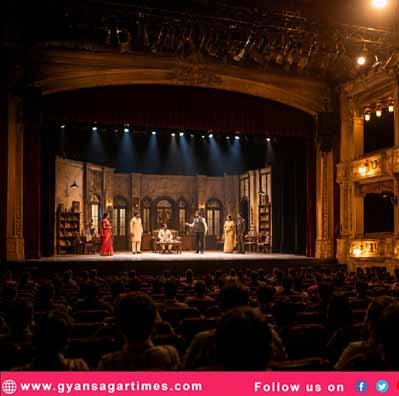
सिनेमा और चित्रकला में दर्शक के बीच एक पर्दा या समय का फासला होता है लेकिन थियेटर में ऐसा नहीं होता है. रंगमंच एक जीवित संवाद है जहाँ कलाकार के पसीने की बूंदें, उसकी आवाज और सांसों की गति को दर्शक साक्षात महसूस करते हैं. यहाँ री-टेक की कोई गुंजाइश नहीं होती है. इसीलिए, थियेटर को कला का दिल भी कहा जाता है. जब नाटक को मंच पर उतरा जाता है उसमें, मंच सज्जा, सेट्स और बैकड्रॉप, पार्श्व संगीत, लाइव गायन, पटकथा और संवाद, मुद्राएं, कोरियोग्राफी के साथ ही दिखाने का भी समय शामिल होता है.
यूनानी दार्शनिक अरस्तू ने कहा था कि नाटक दर्शक के भीतर दबे भय और करुणा को बाहर निकालकर उसकी आत्मा को शुद्ध करता है. वहीं, थियेटर का सीधा संबंध ‘भावनाओं की अभिव्यक्ति’ से होता है. चूकिं, जब एक दर्शक किसी चरित्र को मंच पर रोते, हंसते या संघर्ष करते देखता है, तो वह केवल मनोरंजन के साथ-साथ उस भाव को भी महसूस कर रहा होता है. दूसरी तरफ नुक्कड़ नाटक की बात करें तो यह समाज का वह आइना है जो कभी झूठ नहीं बोलता है.
बताते चलें कि, पूरी दुनिया के नामचीन अभिनेताओं की जड़े भी ‘थियेटर’ ही रही है. दूसरी तरफ सिनेमा में निर्देशक का माध्यम होता है ‘एडिटिंग’ लेकिन, थियेटर में अभिनेता ही सबकुछ होता है. जब अभिनेता अकेले मंच पर अपनी आवाज के उतार-चढ़ाव और शरीर की भाषा से भीड़ को बांधकर रखता है. यह अभिनेता के कला की सर्वोच्च परीक्षा मानी जाती है. यही कारण है कि, रंगमंच को अभिनय की ‘दिल’ कहा जाता है.
विडंबना यह है कि जिसे हम ‘कला का दिल’ कह रहे हैं, वह बीसवीं सदी के मध्य तक अपने ही देश में लगभग ‘बेहोश’ पड़ा था. चूकिं, औपनिवेशिक मानसिकता और फिल्मों के उदय ने रंगमंच को कमज़ोर किया. स्वतंत्रता के बाद राष्ट्रीय नाट्य विद्यालय और संगीत नाटक अकादमी ने इसे पुनर्जीवित किया. वर्तमान समय का आलम यह है कि भारत के कितने शहरों में व्यावसायिक रंगमंच जीवित है? साथ ही एक सवाल का भी जन्म होता है कि, जिस तरह रामलीला आम भरतीय दर्शकों में लोकप्रिय है क्या उसी तरह रंगमंच भी…?
जिस प्रकार शरीर में दिल का काम होता है ठीक उसी प्रकार थियेटर भी कला की दुनिया में यही भूमिका निभाता है. डिजिटल युग में तकनीक कितनी भी आगे निकल जाए परन्तु, इंसानी स्पर्श और आमने-सामने बैठकर कहानी सुनने-सुनाने की जो भूख है, उसे केवल थियेटर ही शांत कर सकता है. इसीलिए भी हम कह सकते हैं कि, जब तक मानव में भावनाएं जीवित होगी तब-तक कला का यह दिल भी धड़कता रहेगा…
========== ========= ===========
Is theatre the heart of art?
Today, we are discussing a question that is eternal, profound, and pervasive. Just as the heart is important to the body, consciousness, rhythm, and expression are equally important to the world of art. This question has been troubling theatre artists, philosophers, and art lovers for centuries. Similarly, Indian theatre is deeply rooted in ancient texts like the Natyashastra, the classical tradition of Sanskrit drama, and the vibrant flow of folk theatre. In the current era of cinema’s spectacular VFX, the ease of OTT platforms, and social media, it is believed that theatre is being marginalized. This question becomes even more relevant.
Since art is an expression of human emotions, thoughts, and the soul, theatre is undoubtedly called the “heart” or “heartbeat” of art. Bharata Muni is mentioned in mythological texts. Bharat Muni once proved through the Natyashastra that theatre is not just entertainment, but a spiritual process of making the audience experience the emotions of Shringar, Veer, Karuna, Raudra, Hasya, Bhayankar, Vibhatsa, Adbhuta, and Shanta in a vivid way.
Cinema and painting have a screen or a time gap between them, but theatre does not. Theatre is a live dialogue where the audience can feel the sweat drops, voice, and breathing of the artist. There is no scope for retakes. That is why theatre is also called the heart of art. When a play is put on stage, it involves stage decoration, sets and backdrops, background music, live singing, script and dialogue, postures, choreography, as well as the timing of the performance.
The Greek philosopher Aristotle said that drama purifies the soul of the audience by releasing the fear and compassion buried within them. At the same time, theatre is directly related to the expression of emotions. Because when an audience sees a character crying, laughing, or struggling on stage, they are not only entertained but also experiencing that emotion. On the other hand, street theatre is a mirror of society that never lies.
It should be noted that renowned actors from around the world have their roots in theatre. In cinema, the director’s medium is editing, but in theatre, the actor is everything. When an actor, alone on stage, captivates the audience with the modulations of their voice and body language, it is considered the ultimate test of an actor’s craft. This is why theatre is called the “heart” of acting.
Ironically, what we call the “heart of art” was virtually unconscious in our own country until the mid-20th century. Colonial mentality and the rise of films weakened theatre. After independence, the National School of Drama and the Sangeet Natak Akademi revived it. The current situation is: how many cities in India still have commercial theatre? It also begs the question: is theatre as popular with the general Indian audience as Ramlila?
Just as the heart plays a role in the body, theatre plays a similar role in the world of art. No matter how much technology advances in the digital age, only theatre can satisfy the hunger for human touch and face-to-face storytelling. Therefore, we can say that as long as emotions are alive in humans, this heart of art will continue to beat…