सपनों की नगरी या यूँ कहें कि माया नगरी को धन की देवी लक्ष्मी का ‘मायका’ भी कहा गया है, क्योंकि लक्ष्मी समुद्र की बेटी मानी जाती हैं और मुंबई समुद्र किनारे बसा हुआ शहर है. पौराणिक ग्रंथों में धन या लक्ष्मी को माया भी कहा जाता है. मुंबई का विकास सात अलग-अलग द्वीपों को जोड़कर किया गया, जो एक डेढ़ सदी में पूरा हुआ था. वर्तमान समय में यह शहर दुनिया का सातवाँ सबसे अमीर शहर है, जहाँ भारत के सबसे ज्यादा धनाढ्य लोग रहते हैं वहीं दूसरी तरफ करोड़ों की आबादी झुग्गियों और चॉलों में बसी है जिनके लिए ये शहर ‘सपनों का शहर’ है.
आधुनिक युग में जहाँ एक ओर भौतिकतावाद और चकाचौंध अपनी चरम सीमा पर है, वहीं दूसरी ओर भारतीय संस्कृति और आस्था भी अपने पारंपरिक मूलों से गहराई से जुड़ी हुई है. सपनों की नगरी जिसे माया नगरी भी कहा जाता है. ये भारत की आर्थिक राजधानी भी है जिसे वर्तमान में हम सभी ‘मुंबई’ के नाम से जानते व पहचानते हैं.
मुंबई शब्द ‘मुंबा’ या ‘महा-अंबा’ से आया है, जो देवी दुर्गा का ही एक रूप है. वहीं दूसरी ओर इसे मायानगरी भी कहा जाता है. माया का अर्थ है भ्रम, आकर्षण, धन और वह जादुई शक्ति जो लाखों लोगों को अपने सपनों की खोज में खींच लाती है. इस माया नगरी की आत्मा में अगर किसी का सबसे गहरा रंग है, तो वह है बप्पा का. एकदन्त, गजकर्ण, सिद्धिदाता, सिद्दिविनायक को मुंबईवासी प्यार से सिर्फ ‘बप्पा’ कहते हैं.
सपनों के शहर में बप्पा के आराधना की शुरुआत वर्ष 1893 में लोकमान्य बाल गंगाधर तिलक ने किया था. तिलक ने इस उत्सव को राष्ट्रीय गौरव, एकता और प्रतिरोध का साधन बनाया जिसे मुंबई के मिल मजदूरों और श्रमिक समुदाय ने इस उत्सव को अपनाया जो आगे चलकर इस शहर की सांस्कृतिक पहचान बन गई. वर्तमान समय के दौर में गणेशोत्सव अर्थव्यवस्था का एक अनिवार्य ‘आर्थिक इंजन’ बन चुका है. वर्ष 2025 में इस उत्सव के दौरान मुंबई का आर्थिक उछाल लगभग दोगुना हो गया था.
भगवान गणेश भारतीय सांस्कृतिक चेतना में बुद्धि, विवेक, शुभारंभ और विघ्नों को दूर करने के प्रतीक माने जाते हैं इसीलिए किसी भी नए कार्य की शुरुआत करने से पहले भगवान गणेश को स्मरण करने की परम्परा रही है. मुंबई का गणेशोत्सव इस आत्मीयता को सार्वजनिक और सामुदायिक रूप देता है. जिस प्रकार, घरों में स्थापित गणपति से लेकर विशाल सार्वजनिक मंडपों तक, उत्सव में अनेकों सामाजिक वर्गों की भागीदारी भी दिखाई देती है. वहीं, ‘बप्पा’ के संबोधन में देवता और भक्त के बीच एक आत्मीय संबंध की अनुभूति भी होती है.
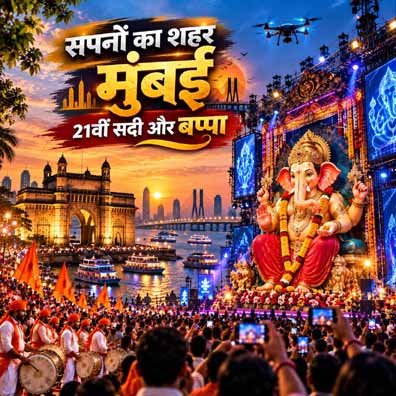
मुंबई की आत्मा में बप्पा का रंग सबसे गहरा है चूकिं, हर वर्ष भाद्रपद मास में गणेश चतुर्थी के साथ ही पूरा शहर बदल जाता है और चारों तरफ ‘गणपति बप्पा मोरया’ का जयकारा गूंजता है. शहर में कई ऐसे भी पंडाल है जहाँ लाखों लोगों के आस्था का केंद्र भी हैं जैसे – लालबागचा राजा, अंधेरीचा राजा, जीएसबी महागणपति, केतवाड़ीचा गणराज. यह उत्सव धार्मिक ही नहीं ऐतिहासिक भी है. बॉलीवुड ने भी बप्पा को अपनी फिल्मों में जगह देते हुए वह ‘अग्निपथ’ का प्रसिद्ध गीत “देवा श्री गणेशा” हो, या ‘डॉन’ का “मौर्या रे” हो. यह सिर्फ गीत ही नहीं बल्कि, मुंबई की सांस्कृतिक पहचान का हिस्सा भी है.
आधुनिक युग में सपनों की नगरी और बप्पा का संबंध और भी गहरा हो गया है. एक तरफ शहर की माया- धन, सत्ता, चमक लोगों को आकर्षित करती है वहीं, दूसरी तरफ बप्पा उन्हें याद दिलाते हैं कि सफलता स्थायी नहीं, आस्था और विवेक जरूरी है. चूकिं, बप्पा बुद्धि और बाधा-निवारण के देवता हैं. आधुनिक युग में गणेशोत्सव के स्वरूप में अनेक परिवर्तन हुए हैं. पहले जहाँ उत्सव मुख्यतः स्थानीय समुदाय और प्रत्यक्ष सहभागिता पर आधारित था, वहीं आज डिजिटल माध्यमों ने इसकी पहुँच वैश्विक बना दी है. वहीं, सोशल मीडिया पर गणपति की सजावट, आरती, विसर्जन और सांस्कृतिक कार्यक्रमों की तस्वीरें तथा वीडियो लोगों तक पहुँचते हैं.
आधुनिक व डिजिटल युग में गणेशोत्सव एक नई करवट ले चुका है चुकि, पहले यह पड़ोस की चॉलों में सामूहिक भागीदारी का प्रतीक था, वहीं अब यह विशाल पंडालों, कॉर्पोरेट प्रायोजनों और सोशल मीडिया की दुनिया में प्रवेश कर चुका है. कभी गणेशोत्सव के दौरान परिवार को जोड़ने की परम्परा रही टी जो आधुनिक व डिजिटल युग में फैशन बना गया है. यह बदलाव उत्सव की व्यावसायीकरण को दर्शाता है.
मुंबई के गणेशोत्सव में आधुनिक तकनीक का उपयोग कई स्तरों पर देखा जा रहा है. जहाँ एक ओर रोशनी, ध्वनि, डिजिटल स्क्रीन, थीम आधारित सजावट और आधुनिक कलात्मक तकनीकें मंडपों को आकर्षक बनाती हैं वहीं, दूसरी ओर आयोजन-प्रबंधन में डिजिटल भुगतान और ऑनलाइन सूचना-प्रसार जैसी व्यवस्थाएँ भी बढ़ रही है. यह परिवर्तन केवल सुविधा का परिवर्तन नहीं है बल्कि, धार्मिक व सांस्कृतिक स्वरूप भी बदल रहा है. यह उत्सव 21वीं सदी के पूंजीवादी समाज में समानता और भाईचारे का एक बेहतरीन उदाहरण पेश करता है.
वर्तमान समय के दौर में गणेशोत्सव की सबसे बड़ी चुनौती पर्यावरणीय प्रदूषण है. चुकि, प्लास्टर ऑफ पेरिस (पीओपी) से बनी मूर्तियाँ विसर्जन के बाद महीनों तक नहीं घुलतीं और समुद्री जीवन के लिए घातक साबित होती हैं वहीं, मुम्बई वासी अब पर्यावरण के प्रति जागरूक हो रहें है. मिट्टी की मूर्तियां, ग्रीन इमर्शन और प्लास्टिक-मुक्त पंडाल की चर्चा बढ़ी है. प्रतिमाओं के निर्माण में प्रयुक्त सामग्री, रंग, सजावट और विसर्जन की प्रक्रिया जल निकायों पर भी प्रभाव डालती है जिसके कारण वर्तमान समय में पर्यावरण अनुकूल मूर्तियों, प्राकृतिक रंगों, कृत्रिम विसर्जन कुंडों और पुनर्चक्रण जैसे उपायों पर विशेष जोर दिया जा रहा है.
वर्तमान समय में गणेशोत्सव अपनी मूल सामूहिक भावना को खो रहा है. वर्तमान समय में मुंबई के पुनर्विकास के कारण पुरानी चॉलें और उनकी सामूहिक गणेशोत्सव परंपराएँ संकट में हैं. पहले जहाँ पुरे परिसर में लोग एक साथ मिलकर मंडप सजाता, प्रसाद बनाता और सांस्कृतिक कार्यक्रम आयोजित करते थे वहीं वर्तमान समय में व्यावसायिक समूहों का ‘युद्धक्षेत्र’ बनता जा रहा है. एक ओर जहाँ गणेशोत्सव में बढ़ते व्यावसायीकरण के कारण लोग चिता में है वहीं दूसरी ओर ये गंभीर बहस का विषय बन चुका है. वर्तमान समय की स्थिति को देखकर यह लगता है कि आने वाले समय में बप्पा की सांस्कृतिक पहचान के बजाय औद्योगिक समूहों के नाम से जानी जाएगी. बताते चलें कि, वैश्विक स्तर पर गणेशोत्सव अब लंदन, अमेरिका और अन्य देशों में भी धूमधाम से मनाया जाता है, जहाँ भारतीय समुदाय अपनी सांस्कृतिक विरासत को जीवित रखे हुए हैं.
आधुनिक व डिजिटल युग में सपनों की नगरी और बप्पा का संबंध सिर्फ आस्था और उत्सव नहीं रह गया है बल्कि, आधुनिक जीवन की अनिश्चितताओं के बीच मानसिक शांति, उम्मीद और सामूहिक ऊर्जा का भी स्रोत है. गणपति बप्पा मोरया का जयकारा सिर्फ उत्सव का नारा नहीं, बल्कि इस शहर की धड़कन भी है. बप्पा का उत्सव सपनों की नगरी का सबसे सुंदर और जटिलता का भी प्रतीक है. गणपति बप्पा मोरया का जयघोष सिर्फ एक धार्मिक आह्वान नहीं है बल्कि, यह मुंबई शहर की सामूहिक चेतना की अभिव्यक्ति भी होती है.
========== ========= ===========
The City of Dreams, the 21st Century, and Bappa…
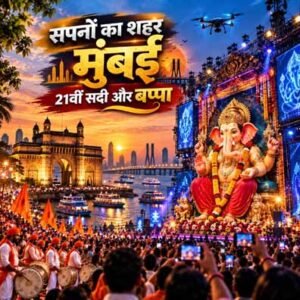
The City of Dreams, or simply Maya Nagari, is also known as the “hometown” of Lakshmi, the goddess of wealth, because Lakshmi is considered the daughter of the ocean, and Mumbai is a city situated on the seashore. In mythological texts, wealth, or Lakshmi, is also referred to as Maya. Mumbai was developed by connecting seven separate islands, a process that took over a century and a half. Currently, the city is the seventh richest in the world, home to India’s wealthiest people, while millions live in slums and shanties, for whom this city is a “city of dreams.”
In the modern era, while materialism and glitz are at their peak, Indian culture and faith remain deeply rooted in their traditional roots. The City of Dreams, also known as Maya Nagari, is also the economic capital of India, and we all know and recognize it as “Mumbai.”
The word Mumbai comes from ‘Mumba’ or ‘Maha-Amba’, a form of Goddess Durga. It is also known as the city of illusion. Maya means illusion, allure, wealth, and the magical power that draws millions in pursuit of their dreams. If anyone holds the deepest sway in the soul of this city of illusion, it is Bappa. Ekdant, Gajkarna, Siddhidatta, and Siddhivinayak are fondly referred to as simply ‘Bappa’ by Mumbai Kars.
The worship of Bappa in the city of dreams was initiated in 1893 by Lokmanya Bal Gangadhar Tilak. Tilak transformed this festival into a symbol of national pride, unity, and resistance, and it was adopted by Mumbai’s mill workers and labor community, which later became the city’s cultural identity. In the present day, Ganeshotsav has become an essential economic engine. In 2025, Mumbai’s economic growth nearly doubled during this festival.
Lord Ganesha is considered a symbol of wisdom, discretion, initiation, and the remover of obstacles in the Indian cultural consciousness. Therefore, it is customary to invoke Lord Ganesha before beginning any new task. Mumbai’s Ganeshotsav gives this affinity a public and communal form. From the Ganpati installed in homes to the grand public pavilions, the festival sees participation from a wide range of social classes. The address “Bappa” also evokes a sense of intimacy between deity and devotee.
Bappa’s influence is deeply ingrained in Mumbai’s soul. Every year, with Ganesh Chaturthi in the month of Bhadrapada, the entire city transforms, with chants of “Ganpati Bappa Morya” echoing throughout. The city boasts numerous pandals that are a center of devotion for millions, such as Lalbaugcha Raja, Andhericha Raja, GSB Mahaganpati, and Ketwadicha Ganraj. This festival is not only religious but also historical. Bollywood has also incorporated Bappa into its films, including the famous song “Deva Shri Ganesha” from “Agneepath” or “Mourya Re” from “Don.” These are not just songs, but also a part of Mumbai’s cultural identity.
In the modern era, the connection between the city of dreams and Bappa has deepened. While the city’s allure—wealth, power, and glamour—attracts people, Bappa reminds them that success is not permanent; faith and wisdom are essential. Bappa is the god of wisdom and obstacle-removal. The Ganeshotsav has undergone numerous transformations in the modern era. While the festival once relied primarily on local communities and direct participation, digital media has now expanded its reach globally. Photos and videos of Ganpati decorations, aarti, immersion, and cultural programs reach people on social media.
In the modern and digital era, Ganeshotsav has taken a new turn. While it once symbolized collective participation in neighborhood chawls, it has now entered the world of large pandals, corporate sponsorships, and social media. What was once a tradition of family bonding during Ganeshotsav has become fashionable in the modern and digital era. This change reflects the commercialization of the festival.
The use of modern technology is being seen at many levels in Mumbai’s Ganeshotsav. While lighting, sound, digital screens, theme-based decorations, and modern artistic techniques enhance the pandals’ attractiveness, digital payments and online information dissemination are also increasing in event management. This change isn’t just about convenience, but also about the religious and cultural aspects. This festival offers a shining example of equality and brotherhood in a 21st-century capitalist society.
The biggest challenge facing Ganeshotsav today is environmental pollution. Since idols made of plaster of Paris (POP) don’t dissolve for months after immersion and are detrimental to marine life, Mumbai residents are becoming increasingly environmentally conscious. Clay idols, green immersion, and plastic-free pandals have become increasingly popular. The materials, colors, decorations, and immersion processes used in the idols’ construction also impact water bodies, leading to a growing emphasis on environmentally friendly idols, natural colors, artificial immersion ponds, and recycling.
Currently, Ganeshotsav is losing its original collective spirit. Mumbai’s redevelopment is threatening the old chawls and their collective Ganeshotsav traditions. Where once the entire area would come together to decorate pavilions, prepare Prasad, and organize cultural programs, it is now becoming a “battlefield” for business groups. While the increasing commercialization of Ganeshotsav is a source of concern, it has also become a subject of serious debate. Looking at the current situation, it seems that in the future, Bappa will be known by the names of industrial groups rather than his cultural identity. It’s worth noting that globally, Ganeshotsav is now celebrated with great fanfare in London, the United States, and other countries, where Indian communities are keeping their cultural heritage alive.
In the modern and digital age, the connection between the city of dreams and Bappa is not just about faith and celebration, but also a source of peace of mind, hope, and collective energy amid the uncertainties of modern life. The chant “Ganpati Bappa Morya” is not just a festive slogan, but the heartbeat of this city. The celebration of Bappa symbolizes the city of dreams at its most beautiful and complex. The chant of Ganpati Bappa Morya is not just a religious invocation, but also an expression of the collective consciousness of the city of Mumbai.