
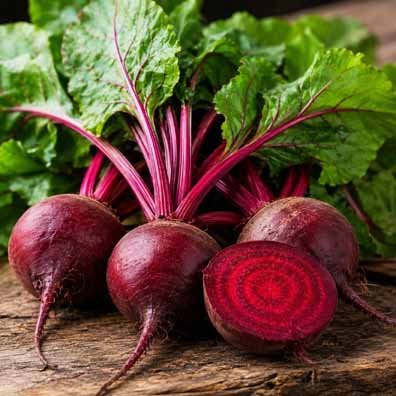
चुकंदर एक ऐसी जड़ वाली सब्जी है जिसे अपने गहरे लाल-बैंगनी रंग, विशिष्ट स्वाद और पोषक तत्वों के कारण आहार में विशेष स्थान प्राप्त है. इसे अपनी डेली डाइट में शामिल करना तंदरुस्ती के लिये किसी वरदान से कम नहीं है. चुकंदर अपने अद्भुत सेहतमंद गुणों की बदोलत तो लाजवाब है ही लेकिन उससे भी बढ़कर इसकी खासियत यह है कि यह कई बेहद गंभीर रोगों को नष्ट करने में भी बेहद कारगर है.
चुकंदर एक मूसला जड़ वाला वनस्पति है. इसका वैज्ञानिक नाम है बीटा वल्गैरिस। चुकि, यह वल्गैरिस उपजाति का सदस्य है. इसकी मूसला जड़ अक्सर हलकी-मीठी होती है और उसका रंग लाल, जामुनी, पीला या श्वेत होता है. गहरे रंग के साथ-साथ प्राकृतिक नाइट्रेट, फाइबर, पोटैशियम तथा विभिन्न जैव-सक्रिय वनस्पति यौगिक पाए जाते हैं.
लाभ: –
- चुकन्दर में क्षारीयता की विशेष खूबी पाई जाती है जो शरीर में एसीडोसिस को रोकने में बेहद सहायक होता है.
- चुकंदर में मौजूद नाइट्रिक ऑक्साइड रक्त वाहिकाओं को फैलाने में भूमिका निभाता है, जिससे रक्त प्रवाह बेहतर हो सकता है. रक्त वाहिकाओं के फैलाव और रक्त प्रवाह में नाइट्रिक ऑक्साइड की भूमिका अहम् होती है.
- चुकन्दर से प्राप्त उच्च गुणवत्ता का लोह तत्व रक्त में हीमोग्लोबीन का निर्माण व लाल रक्तकणों की सक्रियता के लिए बेहद प्रभावशाली है.
- चुकन्दर का मुलायम रेशा आँतों की गति बनाए रखता है. इसको नियमित रूप से खाने से लंबे समय से चली आ रही कब्ज से मुक्ति मिलने में सहायक होती है.
- चुकन्दर के रस का नियमित सेवन रक्त नलिकाओं में कैल्शियम के जमाव को हटाकर उनका लचीलापन बनाए रखता है, जिससे रक्त संचरण सुगमता से होता है.
- चुकन्दर में पाए जाने वाले अमीनो एसिड में कैंसररोधी तत्व पाए जाते हैं. शोध अध्ययनों से पता चला है कि चुकन्दर के रस के नियमित सेवन से कैंसरकारक तत्वों का निर्माण बाधित होकर पाचन तन्त्र की कार्यक्षमता को बढ़ावा मिलता है.
- चुकन्दर के रस का नियमित सेवन न केवल यकृत , बल्कि सम्पूर्ण पाचन तंत्र के हानिकारक तत्वों को शरीर से बाहर निकालकर आरोग्य प्रदान करता है. चुकन्दर के साथ यदि गाजर मिलाकर इसके रस का सेवन किया जाए तो यह पित्ताशय व वृक्क से हानिकारक तत्वों को हटाकर इन अंगों की कार्यक्षमता को बढ़ाता है.
- चुकंदर में बेटालेन, पॉलीफेनॉल और अन्य जैव-सक्रिय यौगिक पाए जाते हैं. ये शरीर में ऑक्सीडेटिव तनाव और सूजन को कम करने में सहायक होता है.
नुक्सान: –
- चुकंदर खाने के बाद पेशाब या मल का रंग लाल या गुलाबी दिखाई दे सकता है. इसका कारण चुकंदर का प्राकृतिक रंगद्रव्य बेटानिन है और सामान्यतः यह हानिकारक नहीं होता है. अगर ये रंग लंबे समय तक बना रहता है, तो इसे केवल चुकंदर का प्रभाव मानकर नजरअंदाज नहीं करना चाहिए.
- चुकंदर में कैल्शियम- ऑक्सालेट की मात्रा अपेक्षाकृत अधिक होती है. जिसके कारण किडनी में स्टोन बनने का खतरा बना रहता है.
- चुकंदर को पोटैशियम का स्रोत भी माना जाता है. जिन लोगों को क्रॉनिक किडनी डिजीज है और जिनका रक्त-पोटैशियम बढ़ा हुआ है वे डॉक्टर की सलाह का पालन करें.
- चुकंदर के नाइट्रेट से रक्तचाप में कमी आ सकती है. अगर किसी व्यक्ति का रक्तचाप पहले से कम रहता है या वह रक्तचाप कम करने वाली दवाएँ ले रहा है, तो बहुत अधिक मात्रा में चुकंदर का रस लेने से पहले चिकित्सकीय सलाह अवश्य लें.
चुकंदर पौष्टिक सब्जी / सलाद है. खाने के लिए पत्तीदार चुकन्दर का ही उपयोग करना चाहिए. पत्ती सहित चुकन्दर को 3-4 दिनों तक रेफ्रीजेटर में संग्रह करने पर इनकी पत्तियों की नमी बनी रहती है, जबकि पत्तियों के बिना चुकन्दर को लगभग दो सप्ताह तक संग्रह किया जा सकता है. चुकन्दर का तल गोलाई लिए होता है, वे दूसरों से अधिक स्वादिष्ट होता हैं. ताजे व कच्चे चुकन्दर में एक विशेष खुशबू होती है, जो इसके स्वाद को बढ़ाती है.
========== ========= ===========
Beetroot is a treasure trove of benefits…
Beetroot is a root vegetable that holds a special place in the diet due to its deep reddish-purple color, distinctive flavor, and nutritional value. Including it in your daily diet is a boon for health. Beetroot is not only wonderful for its amazing health benefits, but even more so, it is also highly effective in eliminating many serious diseases.
Beetroot is a taproot plant. Its scientific name is Beta vulgaris, as it belongs to the vulgaris subfamily. Its taproot is often mildly sweet and can range in color from red, purple, yellow, or white. Along with its deep color, it contains natural nitrates, fiber, potassium, and various bioactive plant compounds.
Benefit: –
- Beetroot possesses the unique alkalinity of being a natural nutrient, which is extremely helpful in preventing acidosis in the body.
- The nitric oxide present in beetroot plays a role in dilating blood vessels, which can improve blood flow. Nitric oxide plays a crucial role in blood vessel dilation and blood flow.
- The high-quality iron content of beetroot is highly effective in the formation of hemoglobin and activation of red blood cells.
- The soft fiber of beetroot maintains intestinal motility. Regular consumption of beetroot juice helps relieve chronic constipation.
- Regular consumption of beetroot juice removes calcium deposits from blood vessels and maintains their flexibility, facilitating smooth blood circulation.
- The amino acids found in beetroot contain anti-cancer properties. Research studies have shown that regular consumption of beetroot juice inhibits the formation of carcinogenic elements and promotes the functioning of the digestive system.
- Regular consumption of beetroot juice not only improves the health of the liver but also of the entire digestive system by removing harmful substances from the body. Consuming beetroot juice mixed with carrot juice improves the functioning of the gallbladder and kidneys by removing harmful substances from these organs.
- Beetroot contains betalains, polyphenols, and other bioactive compounds. These help reduce oxidative stress and inflammation in the body.
Disadvantages: –
- Urine or stool may appear red or pink after consuming beets. This is due to betanin, a natural pigment in beets, and is generally harmless. If this color persists for a long time, it should not be dismissed as simply an effect of the beetroot.
- Beets contain a relatively high amount of calcium-oxalate, which increases the risk of kidney stones.
- Beets are also considered a source of potassium. People with chronic kidney disease and high blood potassium levels should consult a doctor.
- Nitrates in beets may lower blood pressure. If a person already has low blood pressure or is taking blood pressure-lowering medications, seek medical advice before consuming large amounts of beetroot juice.
Beetroot is a nutritious vegetable/salad. Only leafy beets should be used for cooking. Leafy beets can be stored in the refrigerator for 3-4 days to retain their moisture, while leafless beets can be stored for about two weeks. Beets with a rounded base are more flavorful than others. Fresh, raw beets have a distinctive aroma that enhances their flavor.