प्राचीन काल से ही गाय केवल एक पशु नहीं, बल्कि भारतीय जीवन-दर्शन, कृषि-व्यवस्था, ग्रामीण अर्थव्यवस्था और धार्मिक आस्था का एक महत्वपूर्ण आधार रहा है. परम्पराओं के देश भारत में गाय को ‘गौमाता’ कहकर संबोधित किया जाता है.
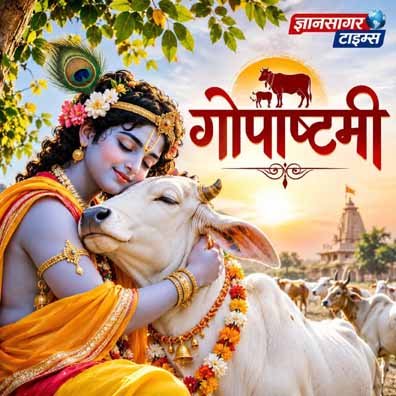
गायों के प्रति श्रद्धा, सम्मान और सेवा-भाव को प्रकट करने का महत्वपूर्ण पर्व है गोपाष्टमी. यह त्योहार कार्तिक शुक्ल अष्टमी के दिन, दीपावली के आठवें दिन मनाया जाता है. इस वर्ष यह पर्व 17 नवंबर 2026 को जाएगी.
‘गो’ और ‘अष्टमी’ शब्दों से मिलकर बना है ‘गोपाष्टमी’. जिसमें ‘गो’ का अर्थ गाय तथा ‘अष्टमी’ का अर्थ होता है चंद्र मास के शुक्ल पक्ष की आठवीं तिथि। और यह पर्व कार्तिक मास के शुक्ल पक्ष की अष्टमी को मनाया जाता है. गोपाष्टमी के दिन गवान श्रीकृष्ण के गोपालक स्वरूप की पूजा-अर्चना की जाती है. इस पर्व का विशेष महत्व विशेष रूप से व्रजभूमि (मथुरा और वृंदावन) में है, जहाँ इसे उल्लासपूर्वक मनाया जाता है.
पौराणिक कथाओं के अनुसार, इस दिन भगवान कृष्ण ने पहली बार ग्वालों के साथ मिलकर गायों को चराने का कार्य शुरू किया था. इसे गोचारण का पर्व भी कहा जाता है. गोपाष्टमी पर गायों और बछड़ों की पूजा की जाती है, उन्हें सजाया जाता है और उनके प्रति श्रद्धा व्यक्त की जाती है. भक्त विशेष पूजा करते हैं, गायों को चारा खिलाते हैं, और उनके स्वास्थ्य और कल्याण के लिए प्रार्थना करते हैं.
वर्तमान समय के आधुनिक व डिजिटल युग में भी कृषि और पशुपालन का महत्व समाप्त नहीं हुआ है बल्कि, वर्तमान समय तक के करोड़ों ग्रामीण परिवारों की आजीविका का मुख्य साधन पशुपालन ही है. गौ-सेवा का वास्तविक अर्थ केवल पूजा करना नहीं होता है, बल्कि गायों को जीवनभर भोजन, आश्रय, चिकित्सा व सुरक्षा भी प्रदान करना होता है.
परम्पराओं के देश भारत में ‘गौ ‘ सांस्कृतिक, धार्मिक आस्था और दया का पवित्र प्रतीक माना जाता है. गोपाष्टमी का पर्व हमें यह संदेश देता है कि गायों की सेवा और संरक्षण का कार्य न केवल धार्मिक दृष्टि से महत्वपूर्ण है, बल्कि पर्यावरण और समाज के लिए भी लाभकारी है.
========== ========= ===========
Gopashtami-2026.
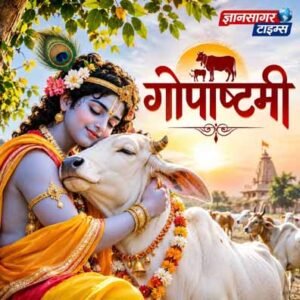
Since ancient times, the cow has been more than just an animal; it has served as a vital pillar of Indian philosophy, the agricultural system, the rural economy, and religious faith. In India—a land deeply rooted in tradition—the cow is revered and addressed as ‘Gomata’ (Mother Cow).
Gopashtami is an important festival dedicated to expressing reverence, respect, and a spirit of service toward cows. It is celebrated on the eighth day of the bright fortnight (Shukla Paksha) of the month of Kartika—eight days after Diwali. This year, the festival will be observed on November 17, 2026.
The term ‘Gopashtami’ is derived from the words ‘Go’ (meaning cow) and ‘Ashtami’ (referring to the eighth day of the lunar fortnight). The festival is celebrated on the eighth day of the bright fortnight of the month of Kartika. On this day, Lord Krishna is worshipped in his form as a ‘Gopalak’ (a protector and herder of cows). The festival holds special significance in the Braj region (Mathura and Vrindavan), where it is celebrated with great joy and enthusiasm.
According to mythology, it was on this day that Lord Krishna first began herding cows alongside the cowherds. For this reason, it is also known as the festival of ‘Gocharan’ (cow-herding). On Gopashtami, cows and calves are worshipped and adorned, serving as an expression of deep devotion. Devotees perform special rituals, offer fodder to the cows, and pray for their health and well-being.
Even in today’s modern, digital age, the importance of agriculture and animal husbandry remains undiminished; for millions of rural families, animal husbandry continues to be the primary source of livelihood. True service to the cow (Gau-seva) goes beyond mere ritualistic worship—it entails ensuring that cows are provided with food, shelter, medical care, and protection throughout their lives.
In India, a land defined by its traditions, the cow is regarded as a sacred symbol of culture, religious faith, and compassion. The festival of Gopashtami conveys the message that the service and protection of cows are not only significant from a religious perspective but are also beneficial for the environment and society.