चंद्रमा की कलाओं के अनुसार प्रत्येक दिन-रात का अपना अलग महत्व होता है. चाहे शुक्ल हो या कृष्ण दोनों ही पक्षों में प्रतीक दिन का अपना अलग महत्व होता है. वैसे तो हर महीनें में दो पक्ष होते हैं उनमे कृष्ण पक्ष की अष्टमी का सनातन परंपरा में विशेष महत्व होता है. हर महीने के कृष्ण पक्ष की अष्टमी को कालाष्टमी कहते हैं.
पौराणिक ग्रंथों के अनुसार, , इस सृष्टि को चलाने लिए तीन देव नियुक्त किये गए. ये तीन देव हैं ब्रह्मा, विष्णु और महादेव. कहा जाता ही कि, महादेव भोले-भंडारी है और उन्हें प्रसन्न करना बहुत ही आसन है. सच्चे मन से पुकारने पर वो वेल पत्र भी खींचे चले आते हैं. महादेव अपने भक्तों को भय-मुक्त करने के लिए हर दुःख: तकलीफ को अपने उपर ले लेते हैं. महादेव के कई गणों को आप जानते ही है, उन्ही गणों में एक गण है भैरव. भैरव की विशेष पूजा-अर्चना हर महीने के कृष्ण पक्ष की अष्टमी को की जाती है.
भैरव जिसका शाब्दिक अर्थ होता है भयानक. दुसरे शब्दों में कहें तो भैरव का अर्थ होता है भय से रक्षा करने वाला. भैरव को अगर हम संधि करें तो भय और रव मिलकर बनता है भैरव. भैरव का वाहन है कुत्ता. इन्ह्की संख्यां 64 होती है और ये 08 भागों में विभक्त है. पौराणिक ग्रंथ शिव पुराण के अनुसार, कार्तिक मास (महीने) के कृष्णपक्ष की अष्टमी को मध्यान्ह में भगवान शंकर के अंश से भैरव की उत्पत्ति हुई थी, अतः इस तिथि को काल-भैरवाष्टमी के नाम से भी जाना जाता है. भैरव को दंड-पाणी भी कहा जाता है.
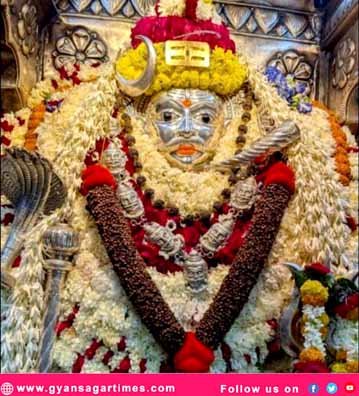
बताते चलें कि, हर महीने के कृष्ण पक्ष की अष्टमी को कालाष्टमी कहते हैं. लेकिन, कार्तिक महीने की अष्टमी के दिन मनाया जाने वाले पर्व को काल भैरव जयंती, भैरव अष्टमी, काल भैरव अष्टमी, महाकाल भैरव अष्टमी भी कहा जाता है. इस दिन का इंताजार अघोरी बड़ी ही बेसब्री से करते हैं. पौराणीक ग्रंथों के अनुसार, भैरव भगवान शिव का ही प्रचंड स्वरप है. देखने में ये गहरा काला रंग, विशाल प्रलंब, स्थूल शरीर, अंगारकाय त्रिनेत्र, काले डरावने चोगेनुमा वस्त्र, रूद्राक्ष की कण्ठमाला, हाथों में लोहे का भयानक दण्ड और काले कुत्ते की सवारी करते हैं.
वर्तमान समय में भैरव पूजा दो प्रकार से की जाती है. पहला है बटुक भैरव और दुसरे का नाम है काल भैरव.
बटुक भैरव: – अपने भक्तों को अभी देने और सौम्य स्वरूप के लिए जाने जाते है.
काल भैरव: – यह रूप पापियों को दंड देने वाला माना जाता है. वैसे तो काल भैरव उग्र कपालिक सम्प्रदाय के देवता के रूप में जाने जाते हैं, और तन्त्र शास्त्र से उनकी आराधना की जाती है.
भैरव के उत्पत्ति की कथा: –
शिव पुराण के अनुसार, अंधकासुर नामक दैत्य अपने कृत्यों से अनीति व अत्याचार की सीमाएं पार कर रहा था, यहाँ तक कि एक बार घमंड में चूर होकर वह भगवान शिव तक के ऊपर आक्रमण करने का दुस्साहस कर बैठा. तब उसके संहार के लिए शिव के रुधिर से भैरव की उत्पत्ति हुई. वहीं कुछ अन्य पुरानों के अनुसार, भगवान शिव के अपमान-स्वरूप भैरव की उत्पत्ति हुई थी. सृष्टि के प्रारंभकाल में सृष्टिकर्ता ब्रह्मा ने भगवान शंकर की वेशभूषा और उनके गणों की रूपसज्जा देख कर शिव को तिरस्कारयुक्त वचन कहे. इस अपमान पर भोले भंडारी ने ध्यान नहीं दिया किन्तु उनके शरीर से उसी समय क्रोध से कम्पायमान और विशाल दण्डधारी एक प्रचण्डकाय काया प्रकट हुई और वो ब्रह्मा का संहार करने के लिये आगे बढ़ गई. यह देखकर सृष्टिकर्ता भय से चीख पड़े. तब, भगवान शंकर के द्वारा मध्यस्थता करने पर ही वह काया शांत हो सकी. चुकिं, रूद्र के शरीर से उत्पन्न उस काय का नाम महाभैरव मिला.
कालान्तर में भगवान शिव ने अपनी पूरी काशी का नगरपाल नियुक्त कर दिया. पौराणिक ग्रंथों के अनुसार, भगवान शंकर ने कृष्ण पक्ष की अष्टमी को ब्रह्मा के अहंकार को नष्ट किया था, इसलिए यह दिन भैरव अष्टमी व्रत के रूप में मनाया जाने लगा. दूसरी कथा यह है कि, सृष्टि के प्रारंभकाल में ब्रह्मा के पांच मुख हुआ करते थे और ब्रह्माजी पांचवे वेद की भी रचना करने जा रहे थे तब सभी देवो के कहने पर महाकाल भगवान शिव ने जब ब्रह्मा जी से वार्तालाप की और समझाने का प्रयास किया लेकिन, ब्रह्माजी नहीं माने और महाकाल से उग्र,प्रचंड रूप भैरव प्रकट हुए और उन्होंने नाख़ून के प्रहार से ब्रह्मा जी की का पांचवा मुख काट दिया.
कालभैरव की पूजा प्राय: पूरे देश में होती है लेकिन, अलग-अलग राज्यों में अलग-अलग नामों से वो जाने-पहचाने जाते हैं. महाराष्ट्र में खण्डोबा के नाम से उनकी पूजा की जाती है वहीं दक्षिण भारत में भैरव का नाम शास्ता है. पुरे देश में भैरव के प्रसिद्ध मंदिर है जिनमें, काशी का काल भैरव मंदिर सर्वप्रमुख माना जाता है. दूसरा, नई दिल्ली के विनय मार्ग पर नेहरू पार्क में बटुक भैरव का पांडव कालीन मंदिर अत्यंत प्रसिद्ध है. तीसरा उज्जैन के काल भैरव मंदिर जिसकी प्रसिद्धि के कारण ऐतिहासिक और तांत्रिक है. चौथी, नैनीताल के समीप घोड़ाखाल का बटुकभैरव मंदिर भी अत्यंत प्रसिद्ध है. इसके अलावा शक्तिपीठों और उपपीठों के पास स्थित है भैरव मंदिर.
बतातें चलें कि, भारत में राजपूत काल के अंतिम दौर में मुग़ल काल शुरू हुआ. कहा जाता है कि, औरंगजेब के शासन काल में औरंगजेब ने विख्यात विश्वनाथ मंदिर का ध्वंस किया तब, कालभैरव का मंदिर पूरी तरह अछूता बना रहा था. जनश्रुतियों के अनुसार कालभैरव का मंदिर तोड़ने के लिये जब औरंगज़ेब के सैनिक वहाँ पहुँचे तो अचानक पागल कुत्तों का एक पूरा समूह कहीं से निकल पड़ा था. उन कुत्तों ने जिन सैनिकों को काटा वे तुरंत पागल हो गये और फिर स्वयं अपने ही साथियों को उन्होंने काटना शुरू कर दिया. तब औरंगजेब को अपनी जान बचाने के लिए विवस होना पड़ा और उसने अपने अंगरक्षकों द्वारा अपने ही सैनिको को मरवा दिया.
भैरव साधना में ध्यान का विशिष्ट महत्व होता है. ध्यान का अर्थ होता है कि, उस देवी-देवता का संपूर्ण आकार एक क्षण में मानस-पटल पर प्रतिबिम्बित होना. शास्त्रों के अनुसार, बटुक भैरव जी के ध्यान हेतु इनके सात्विक, राजस व तामस रूपों का वर्णन मिलाता है. जहां सात्विक ध्यान अपमृत्यु का निवारक, आयु-आरोग्य व मोक्षफल की प्राप्ति कराता है, वहीं धर्म, अर्थ व काम की सिद्धि के लिए राजस ध्यान करना चाहिए. उसी प्रकार, कृत्या, भूत, ग्रहादि के द्वारा शत्रु का शमन करने वाले ध्यान को तामस ध्यान कहा गया है.
- भैरव बाबा को तांत्रिको का देवता कहा जाता है. अत: इनकी पूजा रात्रि में ही की जाती है.
- पूरी रात्रि भगवान शिव, माता पार्वती के साथ भैरव की पूजा की जाती है.
- दुसरे दिन सबरे उठकर पवित्र नदी में स्नान, श्राद्ध और तर्पण किया जाता है.
- उसके बाद भगवान शिव के भैरव रूप पर भभूत चढाई जाती है.
- उसके बाद काले कुत्ते की पूजा और भोग दी जाती है.
- इनकी पूजा-आराधना करने वाले को कोई भय नहीं होता है और जीवन में पूर्ण खुशहाली बनी रहती है.
======== ========== =========
Kalashtami…
According to the phases of the moon, every day and night holds a unique significance. Whether it is the Shukla Paksha (waxing phase) or the Krishna Paksha (waning phase), each day carries its own distinct importance. Within the Sanatan (Hindu) tradition, the eighth day (Ashtami) of the Krishna Paksha in every lunar month holds special significance; this day is known as ‘Kalashtami’.
According to ancient scriptures, three deities were entrusted with the governance of this creation: Brahma, Vishnu, and Mahadev (Shiva). It is said that Mahadev is Bhole-Bhandari—benevolent and easily pleased; he is drawn even by the simple offering of a Bel leaf when presented with a sincere heart. To liberate his devotees from fear, Mahadev takes all their sorrows and sufferings upon himself. Among the many Ganas (attendants/associates) of Mahadev, one is Bhairava. Special worship of Bhairava is conducted on the Ashtami of the Krishna Paksha each month.
The term ‘Bhairava’ literally means ‘terrific’ or ‘fearsome’; in another sense, it signifies ‘one who protects from fear’ (bhaya). Etymologically, the name is derived from the combination of the words bhaya (fear) and rava (sound/cry). Bhairava’s vahana (divine vehicle) is a dog. There are 64 forms of Bhairava, categorized into eight groups. According to the Shiva Purana, Bhairava manifested from a portion of Lord Shiva at midday on the Ashtami of the Krishna Paksha in the month of Kartika; hence, this date is also known as ‘Kala-Bhairavashtami’. Bhairava is also referred to as Danda-pani (the one who holds the staff of justice/punishment).
While the Ashtami of the Krishna Paksha in any month is called Kalashtami, the specific observance falling in the month of Kartika is known by various names, including Kala Bhairava Jayanti, Bhairava Ashtami, Kala Bhairavashtami, and Mahakala Bhairavashtami. The Aghoris (a sect of ascetics) await this day with great anticipation. According to ancient scriptures, Bhairava is a fierce manifestation of Lord Shiva. In appearance, he is dark-skinned, possesses a massive, imposing physique, and has three fiery, glowing eyes. He wears dark, fearsome, robe-like garments and a necklace of Rudraksha beads; he carries a formidable iron staff in his hand and rides upon a black dog.
In the present day, Bhairava worship is performed in two forms: the first is Batuk Bhairava, and the second is Kala Bhairava.
Batuk Bhairava: – Known for his benevolent nature and for bestowing immediate blessings upon his devotees.
Kala Bhairava: – This form is considered the punisher of sinners. Kala Bhairava is associated with the fierce Kapalika tradition, and his worship is conducted according to the principles of Tantra Shastra.
The legend of the origin of Bhairava: –
According to the Shiva Purana, a demon named Andhakasura crossed all limits of injustice and tyranny through his actions; blinded by arrogance, he even dared to attack Lord Shiva himself. To destroy him, Bhairava emerged from the blood of Lord Shiva. Other Puranas suggest that Bhairava manifested as a consequence of an insult directed at Lord Shiva. At the dawn of creation, Brahma, the creator, mocked Lord Shiva’s attire and the appearance of his attendants (ganas). Although the benevolent Lord Shiva (Bhole Bhandari) chose to ignore this insult, a formidable, towering figure—trembling with rage and wielding a massive staff—emerged from his body and advanced to destroy Brahma. Terrified, the creator cried out in fear. It was only through the intervention of Lord Shiva that this entity was pacified. As this being had emerged from the body of Rudra, he came to be known as ‘Mahabhairava.’
In time, Lord Shiva appointed him as the guardian (kotwal) of the entire city of Kashi. According to Puranic texts, Lord Shiva shattered Brahma’s ego on the eighth day of the waning moon (Krishna Paksha Ashtami); this day is now observed as ‘Bhairava Ashtami.’ Another account states that at the beginning of creation, Brahma possessed five heads and intended to compose a fifth Veda. At the behest of the other gods, Lord Shiva (Mahakal) attempted to reason with Brahma, but when Brahma remained unyielding, a fierce and formidable manifestation of Mahakal—Bhairava—emerged and severed Brahma’s fifth head with a strike of his fingernail.
Kala Bhairava is worshipped throughout the country, though he is known by different names in various states. In Maharashtra, He is worshipped under the name ‘Khandoba’, while in South India, Bhairava is known as ‘Shasta’. There are prominent temples of Bhairava throughout the country; among these, the Kala Bhairava temple in Kashi (Varanasi) is considered the most significant. Another highly renowned site is the ancient Batuk Bhairava temple—believed to date back to the era of the Pandavas—located in Nehru Park on Vinay Marg, New Delhi. A third notable site is the Kala Bhairava temple in Ujjain, which is famous for both its historical significance and its association with Tantric traditions. The Batuk Bhairava temple at Ghorakhal, near Nainital, is also extremely well-known. Furthermore, Bhairava temples are frequently found in the vicinity of Shaktipeethas (major shrines of the Divine Mother) and Upapeethas (secondary shrines).
It is worth noting that the Mughal era in India began during the final phase of the Rajput period. It is said that when Aurangzeb, during his reign, ordered the destruction of the renowned Vishwanath Temple, the temple of Kaal Bhairav remained completely untouched. According to popular legend, when Aurangzeb’s soldiers arrived to demolish the Kaal Bhairav temple, a pack of rabid dogs suddenly appeared from nowhere. The soldiers bitten by these dogs immediately went mad and began attacking their own comrades. Faced with this, Aurangzeb, in order to save his own life, was compelled to have his own soldiers killed by his bodyguards.
In the practice of Bhairav Sadhana (devotional discipline), the act of Dhyana (meditation/visualization) holds special significance. Dhyana here implies the instantaneous manifestation of the deity’s complete form within one’s mind. According to the shastras (scriptures), the Dhyana of Batuk Bhairav can be performed by focusing on his sattvic (pure), rajas (active/passionate), or tamas (fierce/dark) forms. While sattvic meditation serves to avert untimely death (apmrityu) and bestows longevity, good health, and moksha (liberation), rajas meditation is practiced for the attainment of dharma (righteousness), artha (prosperity), and Kama (desires). Similarly, tamas meditation is that which is employed to neutralize enemies—often by invoking forces such as kritya (malevolent spells), bhuta (spirits), or grahas (malefic planetary influences).
- Bhairav Baba is considered the deity of the Tantriks; therefore, he is worshipped only at night.
- Throughout the night, Lord Shiva, Goddess Parvati, and Bhairav are worshipped.
- The following morning, devotees bathe in a sacred river and perform Shraddha (rituals for ancestors) and Tarpan (libations).
- Thereafter, bhabhut (sacred ash) is offered to the Bhairav form of Lord Shiva.
- Subsequently, a black dog is worshipped and offered food (bhog).
- Those who worship and revere him remain free from all fear and enjoy complete prosperity in their lives.