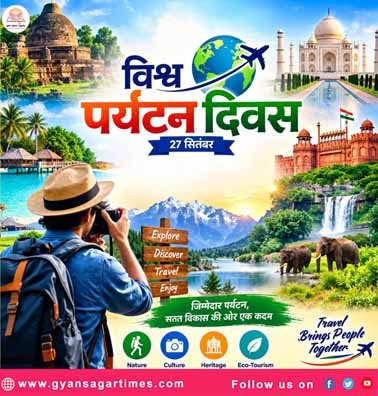
पर्यटन का नाम सुनते ही मन आनन्दित और प्रफुल्लित हो जाता है. पर्यटन चूकिं, सिर्फ यात्रा का नाम नहीं है बल्कि यह मनुष्य, प्रकृति, संस्कृति और अर्थव्यवस्था को जोड़ने वाली एक व्यापक सामाजिक-आर्थिक प्रक्रिया भी है. इसी महत्व को देखते हुए हर वर्ष 27 सितंबर को विश्व पर्यटन दिवस मनाया जाता है. इस दिन को मनाने का उद्देश्य वैश्विक स्तर पर पर्यटन के महत्व को बढ़ावा देना और इसके सामाजिक, सांस्कृतिक, राजनीतिक, और आर्थिक प्रभावों के बारे में जागरूकता फैलाना है. वर्तमान समय में पर्यटन उद्योग वैश्विक अर्थव्यवस्था का महत्वपूर्ण क्षेत्र बन गया है. पर्यटन का वास्तविक मूल्य केवल पर्यटकों की संख्या बढ़ाने में नहीं, बल्कि इस बात में है कि पर्यटन से स्थानीय समुदायों, प्रकृति और सांस्कृतिक विरासत को कितना लाभ मिलता है.
विश्व पर्यटन दिवस की स्थापना संयुक्त राष्ट्र विश्व पर्यटन संगठन (UNWTO) द्वारा वर्ष 1980 में की गई थी. 27 सितंबर को यह दिवस इसलिए चुना गया क्योंकि वर्ष 1970 में इसी दिन UNWTO के संविधान को अपनाया गया था. यह दिन पर्यटन क्षेत्र में वैश्विक सहयोग और समन्वय का प्रतीक माना जाता है. पहली बार वर्ष 1980 में पर्यटन दिवस मनाया गया था तभी से लेकर वर्तमान समय तक 27 सितंबर को विश्व पर्यटन दिवस मनाया जाता है. प्रत्येक वर्ष विश्व पर्यटन दिवस एक विशेष थीम के अंतर्गत मनाया जाता है और इसकी मेजबानी एक देश करता है.
पर्यटन से न केवल देशों की अर्थव्यवस्था को बल मिलता है, बल्कि यह सांस्कृतिक आदान-प्रदान और अंतरराष्ट्रीय संबंधों को भी मजबूत करता है. यह दिन जिम्मेदार और सतत पर्यटन के महत्व पर जोर देता है ताकि पर्यटन से पर्यावरण और सांस्कृतिक धरोहर को नुकसान न हो. विश्व पर्यटन दिवस पर्यटन से जुड़े मुद्दों जैसे रोजगार के अवसर, सांस्कृतिक संरक्षण और पर्यावरण संरक्षण को उजागर करने का प्रयास करता है.
पर्यटन कई देशों की अर्थव्यवस्था का एक महत्वपूर्ण हिस्सा है. यह रोजगार सृजन, विदेशी मुद्रा अर्जित करने और स्थानीय व्यापार को बढ़ावा देने में मदद करता है. पर्यटन विभिन्न संस्कृतियों को एक-दूसरे के करीब लाता है. यह लोगों को एक-दूसरे की परंपराओं, रीति-रिवाजों, और जीवनशैली को समझने और सम्मान करने का अवसर प्रदान करता है. सतत और जिम्मेदार पर्यटन से पर्यावरण संरक्षण को बढ़ावा दिया जा सकता है, जैसे कि इको-टूरिज्म और प्रकृति आधारित पर्यटन.
भारत में पर्यटन की संभावनाएँ केवल ऐतिहासिक स्मारकों तक सीमित नहीं हैं बल्कि, धार्मिक पर्यटन, आध्यात्मिक पर्यटन, चिकित्सा पर्यटन, ग्रामीण पर्यटन, साहसिक पर्यटन, इको-टूरिज्म, समुद्री पर्यटन और सांस्कृतिक पर्यटन इसके विविध आयाम हैं. अगर ग्रामीण पर्यटन की बात करें तो गुजरात का धोरडो इसका उल्लेखनीय उदाहरण है. संयुक्त राष्ट्र पर्यटन के अनुसार, धोरडो को वर्ष 2023 का सर्वश्रेष्ठ पर्यटन गाँव के रूप में मान्यता मिली थी.
पर्यटन और संस्कृति का संबंध दोतरफा है. एक ओर सांस्कृतिक विरासत पर्यटकों को आकर्षित करती है, दूसरी ओर पर्यटन से प्राप्त आय और वैश्विक पहचान उस विरासत के संरक्षण में मदद कर सकती है. लोक-नृत्य, लोकगीत, हस्तशिल्प, पारंपरिक वास्तुकला, स्थानीय खान-पान और त्योहार किसी क्षेत्र की विशिष्ट पहचान होते हैं. चूकिं, संस्कृति को केवल पर्यटकों के मनोरंजन की वस्तु बना देने से उसका मूल स्वरूप कमजोर हो सकता है.
पर्यटन के साथ रोजगार भी जुड़ा होता है. चूकिं, पर्यटन का क्षेत्र एक श्रम प्रधान क्षेत्र है. यहाँ होटल, रेस्तराँ, परिवहन, गाइड सेवा, हस्तशिल्प, मनोरंजन और स्थानीय व्यापार जैसे अनेक क्षेत्रों में रोजगार पैदा होते हैं. इसका सबसे महत्वपूर्ण पक्ष है महिलाओं और युवाओं की भागीदारी का. अगर युवाओं को भाषा, डिजिटल तकनीक, आतिथ्य, गाइडिंग और उद्यमिता का प्रशिक्षण मिले तो स्वरोजगार के अवसर प्राप्त हो सकते हैं वहीं, स्थानीय महिलाओं द्वारा बनाए गए हस्तशिल्प, वस्त्र, खाद्य उत्पाद और अन्य पारंपरिक वस्तुओं को पर्यटक बाजार से जोड़ने पर घरेलू आय में वृद्धि हो सकती है.
वर्तमान समय के डिजिटल व आधुनिक युग में पर्यटन के स्वरूप को तेजी से बदल रहा है. वर्तमान समय में पर्यटक यात्रा की योजना बनाने, होटल और परिवहन बुक करने, डिजिटल भुगतान करने और स्थानों की जानकारी प्राप्त करने के लिए मोबाइल तथा इंटरनेट पर निर्भरता बढ़ रही हैं. वहीं, सोशल मीडिया ने भी कम प्रसिद्ध पर्यटन स्थलों को भी वैश्विक पहचान दिलाने की क्षमता पैदा की है वहीं, डिजिटल पर्यटन का उद्देश्य केवल पर्यटन को बढ़ाना नहीं, बल्कि सूचना की विश्वसनीयता, पर्यटक सुरक्षा और जिम्मेदार यात्रा व्यवहार को बढ़ावा देना चाहिए.
पर्यटन के क्षेत्र में भारत सहित अनेक देशों में भी पर्यटन के क्षेत्र में कई चुनौतियां व संरचनात्मक समस्याएँ भी हैं. उदाहरण – बुनियादी ढाँचे की कमी, कौशल की कमी, पर्यावरणीय दबाव, स्थानीय समुदाय की सीमित भागीदारी, मौसमी रोजगार, जलवायु परिवर्तन और सुरक्षा व स्वच्छता.
विश्व पर्यटन दिवस पर्यटन के सकारात्मक प्रभावों को पहचानने और इसे जिम्मेदारी से प्रोत्साहित करने के लिए मनाया जाता है. यह दिन यह भी सुनिश्चित करता है कि पर्यटन की शक्ति का उपयोग सभी के लाभ के लिए किया जाए, चाहे वह आर्थिक विकास हो, सांस्कृतिक समझ हो, या पर्यावरणीय संतुलन बनाए रखना.
========== ========= ===========
World Tourism Day
The mere mention of tourism fills the mind with joy and enthusiasm. Tourism is not merely about travel; it is a comprehensive socio-economic process that connects people, nature, culture, and the economy. Recognizing this significance, World Tourism Day is celebrated annually on September 27th. The objective of this day is to promote the importance of tourism globally and to raise awareness about its social, cultural, political, and economic impacts. In contemporary times, the tourism industry has become a vital sector of the global economy. The true value of tourism lies not just in increasing tourist numbers, but in the extent to which it benefits local communities, nature, and cultural heritage.
World Tourism Day was established by the United Nations World Tourism Organization (UNWTO) in 1980. September 27th was chosen because the UNWTO Statutes were adopted on this very day in 1970. This day symbolizes global cooperation and coordination within the tourism sector. Tourism Day was first celebrated in 1980, and it has been observed on September 27th ever since. Each year, World Tourism Day is celebrated under a specific theme and hosted by a designated country.
Tourism not only strengthens national economies but also fosters cultural exchange and international relations. The day emphasizes the importance of responsible and sustainable tourism to ensure that the environment and cultural heritage remain unharmed. World Tourism Day seeks to highlight issues related to tourism, such as employment opportunities, cultural preservation, and environmental conservation.
Tourism is a crucial component of many countries’ economies. It aids in job creation, earning foreign exchange, and boosting local businesses. Tourism brings diverse cultures closer together, offering people the opportunity to understand and respect each other’s traditions, customs, and lifestyles. Sustainable and responsible tourism—such as eco-tourism and nature-based tourism—can foster environmental conservation. Tourism potential in India extends far beyond historical monuments; it encompasses diverse dimensions like religious, spiritual, medical, rural, adventure, eco-, marine, and cultural tourism. Dhordo in Gujarat stands as a notable example of rural tourism; according to UN Tourism, it was recognized as a ‘Best Tourism Village’ in 2023.
There is a symbiotic relationship between tourism and culture. While cultural heritage attracts tourists, the revenue and global recognition generated by tourism can, in turn, aid in preserving that heritage. Folk dances, folk songs, handicrafts, traditional architecture, local cuisine, and festivals define a region’s unique identity; however, reducing culture merely to a source of tourist entertainment risks diluting its authentic essence.
Tourism is also closely linked to employment, as it is a labor-intensive sector. It creates jobs across various fields, including hotels, restaurants, transportation, guide services, handicrafts, entertainment, and local trade. A crucial aspect is the participation of women and youth. Training youth in language skills, digital technology, hospitality, tour guiding, and entrepreneurship can open avenues for self-employment, while connecting handicrafts, textiles, food products, and other traditional items made by local women to the tourism market can boost household incomes.
In today’s digital and modern era, the nature of tourism is rapidly evolving. Tourists are increasingly relying on mobile phones and the internet to plan trips, book accommodation and transport, make digital payments, and gather information about destinations. At the same time, social media has created the potential to bring global recognition to lesser-known tourist destinations; however, the objective of digital tourism should not merely be to boost tourism but also to promote the reliability of information, tourist safety, and responsible travel behavior.
The tourism sector faces numerous challenges and structural issues in many countries, including India. Examples include a lack of infrastructure and skills, environmental pressures, limited local community participation, seasonal employment, climate change, and concerns regarding safety and hygiene.
World Tourism Day is observed to recognize the positive impacts of tourism and to encourage it responsibly. This day also ensures that the power of tourism is harnessed for the benefit of all—whether through economic growth, cultural understanding, or the maintenance of environmental balance.