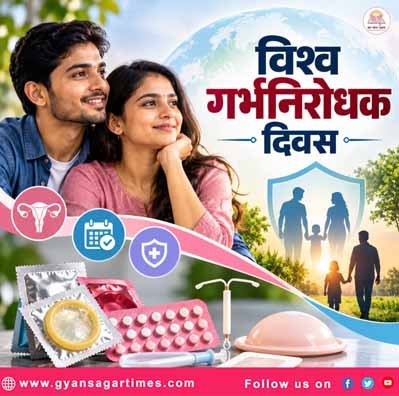
विश्व गर्भनिरोधक दिवस हर वर्ष 26 सितंबर को मनाया जाता है. इस दिवस का मूल उद्देश्य महिलाओं और पुरुषों को गर्भनिरोधक के सुरक्षित, प्रभावी और सुलभ विकल्पों के बारे में जागरूक करना साथ ही यौन और प्रजनन स्वास्थ्य को बढ़ावा देने और लोगों को अपने भविष्य के बारे में सूचित निर्णय लेने में सक्षम बनाने के लिए समर्पित है. गर्भनिरोध केवल गर्भधारण को रोकने का माध्यम नहीं है, बल्कि यह मातृ स्वास्थ्य, शिशु स्वास्थ्य, परिवार नियोजन, महिलाओं की शिक्षा एवं रोजगार, आर्थिक स्थिरता और लैंगिक समानता से भी जुड़ा हुआ है.
विश्व गर्भनिरोधक दिवस की शुरुआत वर्ष 2007 में दस अंतर्राष्ट्रीय परिवार नियोजन संगठनों के एक गठबंधन द्वारा की गई थी. वर्ष 1994 के काहिरा अंतरराष्ट्रीय जनसंख्या एवं विकास सम्मेलन में सभी जोड़ों और व्यक्तियों को स्वतंत्र रूप से और जिम्मेदारी से बच्चों की संख्या व अंतराल तय करने का अधिकार स्वीकार किया गया था. संयुक्त राष्ट्र जनसंख्या कोष (UNFPA), विश्व स्वास्थ्य संगठन (WHO) और कई गैर-सरकारी संगठनों ने इसे समर्थन दिया.
विश्व गर्भनिरोधक दिवस का मुख्य उद्देश्य गर्भनिरोधक के आधुनिक और पारंपरिक तरीकों के बारे में सही और वैज्ञानिक जानकारी प्रदान करना साथ ही अनचाही गर्भावस्था को रोकना और मातृ-शिशु स्वास्थ्य को बेहतर बनाना. गर्भनिरोधक का उपयोग केवल अनचाहे गर्भ को रोकने तक सीमित नहीं है, बल्कि यह यौन संचारित रोगों (एसटीडी), जैसे एचआईवी/एड्स, के जोखिम को कम करने में भी महत्वपूर्ण भूमिका निभाता है.
अगर भारत की बात की जाय तो भारत जैसे विशाल देश व विभिन्न संस्कृतियों वाले देश में मातृ एवं शिशु स्वास्थ्य, ग्रामीण-शहरी असमानता, स्वास्थ्य सेवाओं की उपलब्धता, महिला शिक्षा और सामाजिक मान्यताओं से है. परिवार नियोजन (FP2030) के अनुमानों के अनुसार वर्ष 2025 में लगभग 16.15 करोड़ महिलाएं आधुनिक गर्भनिरोधक विधियों का उपयोग कर रही हैं. जबकि, आधुनिक गर्भनिरोधक प्रसार दर सभी महिलाओं के लिए लगभग 43.2 प्रतिशत और विवाहित महिलाओं के लिए अधिक है. विधि मिश्रण में महिला नसबंदी अभी भी प्रमुख है (लगभग 68 प्रतिशत), इसके बाद कंडोम, गोलियां और आईयूडी हैं. सरकार ने इंजेक्टेबल (डीएमपीए) और सेंटक्रोमन (छाया) जैसी नई विधियों को शामिल कर विकल्पों का विस्तार किया है.
गर्भनिरोधक से जुड़ी भ्रांतियों, मिथकों और नकारात्मक दृष्टिकोणों को समाप्त करना. महिलाओं को अपने शरीर और जीवन पर नियंत्रण प्रदान करना, जिससे वे शिक्षा, कैरियर और सामाजिक भागीदारी में बेहतर अवसर प्राप्त कर सकें. वहीं, गर्भनिरोधक के उपयोग से मातृ मृत्यु दर में लगभग 40% तक की कमी संभव है. यह एचआईवी/एड्स और यौन संचारित संक्रमणों से लड़ने में मदद करता है. यह बाल मृत्यु दर और गर्भपात की संभावना को भी कम करता है.
गर्भनिरोधक के प्रकार: – कंडोम, बर्थ कंट्रोल पिल्स, कॉपर टी (IUD), इंजेक्शन और इम्प्लांट्स, स्थायी उपाय जैसे नसबंदी.
आधुनिक गर्भनिरोधक तक पहुंच में सुधार के बावजूद, दुनिया भर में लाखों महिलाएं और पुरुष अभी भी परिवार नियोजन की जानकारी और साधनों से वंचित हैं. विश्व स्वास्थ्य संगठन (WHO) के अनुसार, विकासशील देशों में लगभग 25 करोड़ से अधिक महिलाएं, जो गर्भधारण नहीं करना चाहती हैं, आधुनिक गर्भनिरोधक का उपयोग नहीं कर पा रही हैं.
विश्व गर्भनिरोधक दिवस केवल एक स्वास्थ्य अभियान नहीं है, बल्कि एक स्वस्थ, शिक्षित और सशक्त समाज के निर्माण में भी योगदान देता है. परिवार नियोजन व्यक्तिगत स्वास्थ्य के साथ-साथ राष्ट्र के विकास के लिए भी आवश्यक है. इस दिन का उद्देश्य हर व्यक्ति को यह संदेश देना है कि अपने प्रजनन स्वास्थ्य के बारे में सूचित और जिम्मेदार निर्णय लेना उनका मौलिक अधिकार है.
========== ========= ===========
World Contraception Day
World Contraception Day is observed annually on September 26. The primary objective of this day is to raise awareness among men and women about safe, effective, and accessible contraceptive options, while also promoting sexual and reproductive health and empowering individuals to make informed decisions about their futures. Contraception is not merely a means to prevent pregnancy; it is also linked to maternal and infant health, family planning, women’s education and employment, economic stability, and gender equality.
World Contraception Day was launched in 2007 by a coalition of ten international family planning organizations. The right of all couples and individuals to freely and responsibly decide the number and spacing of their children was recognized at the 1994 International Conference on Population and Development in Cairo. The United Nations Population Fund (UNFPA), the World Health Organization (WHO), and numerous non-governmental organizations have supported this initiative.
The main goal of World Contraception Day is to provide accurate, scientific information about modern and traditional contraceptive methods, prevent unintended pregnancies, and improve maternal and infant health. The use of contraception is not limited to preventing unwanted pregnancies; it also plays a crucial role in reducing the risk of sexually transmitted diseases (STDs), such as HIV/AIDS.
In the context of a vast and culturally diverse nation like India, the issue is intertwined with maternal and infant health, rural-urban disparities, the availability of healthcare services, women’s education, and social norms. According to family planning (FP2030) estimates, approximately 161.5 million (16.15 crore) women are projected to be using modern contraceptive methods by 2025. Meanwhile, the modern contraceptive prevalence rate stands at approximately 43.2 percent for all women, with a higher rate among married women. Female sterilization remains the dominant method (accounting for approximately 68 percent), followed by condoms, pills, and IUDs. The government has expanded the range of options by introducing new methods such as injectable (DMPA) and Centchroman (Chhaya).
Addressing misconceptions, myths, and negative attitudes surrounding contraception is crucial. Empowering women to take control of their bodies and lives enables them to access better opportunities in education, careers, and social participation. Furthermore, the use of contraceptives can reduce maternal mortality rates by approximately 40%. It aids in combating HIV/AIDS and sexually transmitted infections, while also lowering child mortality rates and the incidence of abortions.
Types of contraceptives include condoms: – birth control pills, Copper-T (IUDs), injections, implants, and permanent measures like sterilization.
Despite improvements in access to modern contraceptives, millions of women and men worldwide still lack information about and access to family planning methods. According to the World Health Organization (WHO), more than 250 million women in developing countries who wish to avoid pregnancy are unable to use modern contraceptives.
World Contraception Day is not merely a health campaign; it contributes to building a healthy, educated, and empowered society. Family planning is essential for both individual health and national development. The day aims to convey the message to everyone that making informed and responsible decisions regarding their reproductive health is a fundamental right.