सनातन संस्कृति में पर्व केवल धार्मिक अनुष्ठान नहीं होते बल्कि वे समाज की सामूहिक स्मृति, जीवन-दृष्टि और सांस्कृतिक चेतना के जीवंत प्रतीक भी माने जाते हैं. श्रीकृष्ण जन्मोत्सव जिसे हम सभी जन्माष्टमी या गोकुलाष्टमी के नाम से भी जानते हैं वो केवल एक धार्मिक अनुष्ठान या तिथि विशेष का नाम नहीं है, बल्कि यह भारतीय संस्कृति, सनातन दर्शन और सामूहिक लोकचेतना का एक जीवंत दस्तावेज भी है. भाद्रपद मास के कृष्ण पक्ष की अष्टमी तिथि, रोहिणी नक्षत्र और मध्यरात्रि के घनघोर अंधकार में रोहिणी-कान्त के अवतरण की यह कथा मूलतः उस सनातन विश्वास की जीवंत अभिव्यक्ति है, जो यह घोषणा करता है कि अन्याय, अधर्म और वैचारिक पतन के कितने भी प्रगाढ़ अंधकार क्यों न छा जाएं, सत्य और धर्म के प्रकाश को कोई कभी बुझा नहीं सकता है.
वैसे तो देखा जाय तो श्रीकृष्ण के जीवन में आठ (08) अंक का गहरा और अलौकिक संबंध है. चुकिं, भगवान विष्णु के आठवें अवतार हैं श्रीकृष्ण. उनका जन्म भाद्रपद मास के कृष्ण पक्ष की अष्टमी तिथि को हुआ था. वो माता देवकी और वसुदेव की आठवीं संतान हैं. श्रीकृष्ण की आठ पटरानियाँ (रुक्मिणी, सत्यभामा, जाम्बवती, कालिंदी, मित्रविंदा, सत्या, लक्ष्मणा और भद्रा) थीं. वे अष्ट सिद्धियों के ज्ञाता या उनके मूल श्रोत थे. वहीं, श्रीकृष्ण ने लगभग 125 वर्ष का जीवन बिताया था.
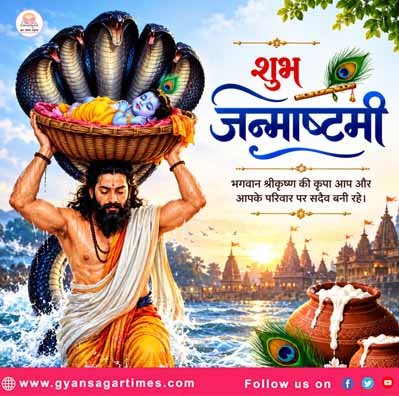
पौराणिक धर्मग्रंथों के अनुसार भगवान श्रीकृष्ण का जन्म मथुरा में देवकी और वसुदेव के पुत्र के रूप में हुआ था. जिस समय श्रीकृष्ण का जन्म हुआ था उस समय मथुरा का शासन देवकी के भाई कंस के हाथों में था. एक भविष्यवाणी हुई कि देवकी का आठवाँ पुत्र कंस के अत्याचार का अंत करेगा. इससे भयभीत कंस ने देवकी और वसुदेव को कारागार में बंद कर दिया और उनके नवजात शिशुओं की हत्या करता रहा. आठवें पुत्र के रूप में कृष्ण का जन्म कारागार में हुआ था. वसुदेव उन्हें यमुना पार करके गोकुल ले गए, जहाँ उनका पालन-पोषण नंद और यशोदा के स्नेह में हुआ था. आगे चलकर कृष्ण ने कंस का वध किया और मथुरा को उसके अत्याचार से मुक्त कराया था.
श्रीकृष्ण का जन्मोत्सव मध्यरात्री को मनाया जाता है. अर्द्ध रात्री का यह समय महज धार्मिक परंपरा नहीं, बल्कि गहन प्रतीकात्मक अर्थ भी रखता है. इसका एक व्यापक और सांस्कृतिक अर्थ भी है अज्ञान, भय, अन्याय और निराशा के बीच विवेक, साहस और आशा का उदय होना. वैसे तो जन्माष्टमी का धार्मिक महत्व गौड़ीय वैष्णव परंपरा में विशेष रूप से अधिक है, जहाँ कृष्ण को ईश्वर का स्रोत और परम स्वरूप माना जाता है. इस पर्व का आध्यात्मिक सन्देश भगवद्गीता के मूल मंत्र—”यदा यदा हि धर्मस्य…” में निहित है. शास्त्रों के अनुसार, “जब-जब धरती पर पाप और अधर्म बढ़ता है, तब-तब भगवान अवतार लेते हैं”.
श्रीकृष्ण का जन्म असत्य और अन्याय के अंधकार के बीच सत्य और धर्म के प्रकाश का भी प्रतीक माना जाता है. यह पर्व भक्ति योग (भक्तिपूर्ण समर्पण) का उत्सव है, जिसमें भक्त उपवास, रात्रि जागरण, कीर्तन और ध्यान के माध्यम से ईश्वर से जुड़ते हैं. जन्माष्टमी हृदय को गहन स्मरण और हार्दिक भक्ति की ओर आकर्षित करती है, और यह भी माना जाता है कि भगवान कृष्ण का प्राकट्य सभी प्राणियों के उत्थान के लिए हुआ है.
भारतीय दर्शन में धर्म की अत्यंत जटिल और व्यावहारिक अवधारणा प्रस्तुत करते हैं श्रीकृष्ण. महाभारत के युद्ध में अर्जुन के मोह और नैतिक संकट के बीच कृष्ण कर्म, कर्तव्य और आत्मबोध की चर्चा करते हैं. उनका प्रसिद्ध संदेश है कि मनुष्य को कर्म करने का अधिकार है, लेकिन कर्म के फल पर उसका अधिकार नहीं है. श्रीकृष्ण का कर्मयोग आधुनिक जीवन में भी अत्यंत प्रासंगिक दिखाई देता है. वर्तमान समय में हर व्यक्ति परिणाम, सफलता और प्रतिस्पर्धा के दबाव से घिरा हुआ है. ऐसे समय में कृष्ण का संदेश हमें याद दिलाता है कि जीवन का मूल्य केवल परिणाम से निर्धारित नहीं होता बल्कि, कर्म की गुणवत्ता, नीयत और नैतिकता भी उतनी ही महत्त्वपूर्ण मानी जाती हैं.
श्रीकृष्ण का सबसे आकर्षक पक्ष उनके व्यक्तित्व की बहुरंगी प्रकृति है. वे गोपियों के बीच बाँसुरी बजाने वाले कृष्ण भी हैं और महाभारत के युद्धक्षेत्र में अर्जुन के सारथी भी. वे बाल-लीलाओं के नटखट कान्हा हैं और राजनीतिक संकटों में निर्णायक भूमिका निभाने वाले रणनीतिकार भी हैं. उनका जीवन हमे यह संदेश देता है कि समग्र जीवन वही है जिसमें संवेदना, विवेक, प्रेम, दायित्व, आनंद और संघर्ष का साहस भी हो. वहीं, राधा-कृष्ण की अवधारणा भक्ति परंपरा में प्रेम की सर्वोच्च अभिव्यक्तियों में से एक मानी गई है. राधा का प्रेम सांसारिक संबंधों की सीमाओं से ऊपर उठकर भक्ति और समर्पण का प्रतीक माना जाता है. प्रेम यहाँ दूसरे के अस्तित्व का सम्मान करता है और आत्मसमर्पण की भावना पैदा करता है.
श्रीकृष्ण राजनीतिक व्यक्तित्व सबसे अधिक जटिल है. महाभारत में वे युद्ध स्वयं नहीं लड़ते, लेकिन युद्ध की दिशा और रणनीति पर उनका प्रभाव निर्णायक है. वे शांति का प्रयास करते हैं, लेकिन आवश्यकता पड़ने पर संघर्ष से पीछे नहीं हटते हैं. श्रीकृष्ण की राजनीति को सरल नैतिक श्रेणियों में बाँटना बेहद ही कठिन है चुकि, वे कई अवसरों पर ऐसी रणनीतियों का समर्थन करते हैं जिन्हें पारंपरिक दृष्टि से ‘छल’कहा जाता है.
वैसे तो श्रीकृष्ण की जीवन-कथा सामाजिक सीमाओं को चुनौती देने वाला भी है.चुकिं, श्रीकृष्ण का जन्म कारागार में होता है और उनका पालन-पोषण व बाल्यकाल का जीवन राजमहल में नहीं, बल्कि गोकुल के ग्रामीण परिवेश में बीता है. उनके निकट गोप-गोपियाँ हैं, ग्वालबाल हैं और सामान्य जन हैं. उनकी कथाओं में मित्रता और आत्मीयता सामाजिक प्रतिष्ठा से बड़ी दिखाई देती है. सुदामा के साथ कृष्ण की मित्रता की कथा विशेष रूप से लोकप्रिय है. वर्तमान समय में सामाजिक जीवन आर्थिक और सामाजिक असमानताओं से प्रभावित है, कृष्ण-सुदामा की कथा समानता और मानवीय गरिमा की भी याद दिलाती है.
वर्तमान समय में जब समाज तकनीकी विकास के बावजूद मानसिक तनाव, सामाजिक विभाजन, उपभोक्तावाद, हिंसा, राजनीतिक ध्रुवीकरण और पर्यावरणीय संकट जैसी अनेक चुनौतियों से जूझ रहा होता है उस समय श्रीकृष्ण का संदेश कई स्तरों पर प्रासंगिक हो सकता है. उनका पहल कर्म का संदेश – हमें निष्क्रियता से बाहर निकालता है, दुसरा संदेश धर्म और न्याय का विचार हमें अन्याय के प्रति संवेदनशील बनाता है, तीसरा संदेश – कृष्ण की प्रसन्नता और विनोदप्रियता हमें यह याद दिलाती है कि गंभीर जीवन का अर्थ नीरस जीवन नहीं होता है, चौथा संदेश उनकी मित्रता और प्रेम की परंपरा सामाजिक संबंधों में संवेदना के महत्त्व को बताती है और पांचवाँ संदेश – उनका रणनीतिक विवेक यह सिखाता है कि केवल भावुकता से नहीं, बल्कि परिस्थितियों को समझकर निर्णय लेना भी आवश्यक होता है.
जन्माष्टमी केवल एक धार्मिक पर्व नहीं, बल्कि भारतीय सांस्कृतिक चेतना, आध्यात्मिक जागृति और सामाजिक समरसता का एक जीवंत उत्सव है. वर्तमान समय के आधुनिक, उपभोक्तावादी और तनावग्रस्त दौर में जन्माष्टमी की प्रासंगिकता और अधिक बढ़ जाती है. वर्तमान समय में जब समाज में स्वार्थ, वैमनस्य, नैतिक मूल्यों के क्षरण और मानसिक संताप की प्रवृत्तियां बढ़ रही हैं, तब श्रीकृष्ण का चरित्र हमें यह सिखाता है कि हर परिस्थिति में संतुलित, प्रफुल्लित और कर्मनिष्ठ कैसे रहा जाए. उनका पूरा जीवन यह सिखाता है कि जीवन की जटिलताओं से घबराने के बजाय उन्हें एक बांसुरी की तरह सुरमय बनाया जा सकता है. जन्माष्टमी का यह पावन पर्व हमें अपनी मूल जड़ों से जुड़ने, आंतरिक चेतना को जागृत करने और समाज के उत्थान के लिए निष्काम भाव से समर्पित होने की प्रेरणा देता है.
सभी पाठकों को जन्माष्टमी की हार्दिक शुभकामनाएं.
========== ========= ===========
Janmashtami…
In Sanatan culture, festivals are not merely religious rituals but are also considered living symbols of society’s collective memory, life-view, and cultural consciousness. The birth anniversary of Lord Krishna, also known as Janmashtami or Gokulashtami, is not merely a religious ritual or the name of a specific date, but also a living document of Indian culture, Sanatan philosophy, and collective public consciousness. This story of the incarnation of Rohini-Kant on the eighth day of the Krishna Paksha (dark fortnight) of Bhadrapada month, under the Rohini Nakshatra, in the dense darkness of midnight, is essentially a living expression of the eternal belief that no matter how intense the darkness of injustice, unrighteousness, and ideological degradation may prevail, the light of truth and righteousness can never be extinguished.
In fact, the number eight (08) has a deep and supernatural connection in the life of Lord Krishna. As the eighth incarnation of Lord Vishnu, he was born on the eighth day of the Krishna Paksha (dark fortnight) of Bhadrapada month. He is the eighth child of Mother Devaki and Vasudeva. Shri Krishna had eight wives (Rukmini, Satyabhama, Jambavati, Kalindi, Mitravinda, Satya, Lakshmana, and Bhadra). They were knowers of the eight siddhis (spirits), or their source. Shri Krishna lived there for approximately 125 years.
According to mythological scriptures, Lord Shri Krishna was born in Mathura, the son of Devaki and Vasudeva. At the time of Shri Krishna’s birth, Mathura was ruled by Devaki’s brother, Kansa. A prophecy stated that Devaki’s eighth son would end Kansa’s tyranny. Frightened by this, Kansa imprisoned Devaki and Vasudeva and continued killing their newborns. Krishna, the eighth son, was born in prison. Vasudeva took him across the Yamuna to Gokul, where he was raised in the affection of Nanda and Yashoda. Later, Krishna killed Kansa and liberated Mathura from his tyranny.
Shri Krishna’s birth anniversary is celebrated at midnight. This midnight hour is not merely a religious tradition, but also holds profound symbolic meaning. It also has a broader cultural connotation, symbolizing the rise of wisdom, courage, and hope amidst ignorance, fear, injustice, and despair. Janmashtami religious significance is particularly strong in the Gaudiya Vaishnava tradition, where Krishna is considered the source and ultimate form of God. The festival’s spiritual message is rooted in the Bhagavad Gita’s core mantra—”Yada yada hi dharmasya…” (Yada yada hi dharmasya…). According to the scriptures, “Whenever sin and unrighteousness increase on earth, God incarnates.”
The birth of Lord Krishna is also considered a symbol of the light of truth and righteousness amidst the darkness of falsehood and injustice. This festival is a celebration of Bhakti Yoga (devotional surrender), in which devotees connect with God through fasting, night vigils, kirtan, and meditation. Janmashtami draws the heart to deep remembrance and heartfelt devotion, and it is also believed that Lord Krishna’s appearance was for the upliftment of all beings.
In Indian philosophy, Lord Krishna presents a very complex and practical concept of Dharma. Amidst Arjuna’s delusion and moral dilemma in the Mahabharata war, Krishna discusses karma, duty, and self-realization. His famous message is that man has the right to perform actions, but not to the fruits of his actions. Lord Krishna’s Karma Yoga remains highly relevant in modern life. In today’s times, every person is surrounded by the pressure of results, success, and competition. At such a time, Krishna’s message reminds us that the value of life is not determined solely by the outcome; the quality of action, intention, and morality are equally important.
The most fascinating aspect of Shri Krishna is the multifaceted nature of his personality. He is both the flute-playing Krishna among the Gopis and Arjuna’s charioteer on the battlefield of the Mahabharata. He is the mischievous Krishna of his childhood pastimes and also the strategist who plays a decisive role in political crises. His life teaches us that a complete life is one that combines compassion, wisdom, love, responsibility, joy, and the courage to fight. Meanwhile, the concept of Radha and Krishna is considered one of the highest expressions of love in the Bhakti tradition. Radha’s love transcends the boundaries of worldly relationships and symbolizes devotion and dedication. Here, love respects the existence of the other and creates a feeling of self-surrender.
Shri Krishna is the most complex political figure. In the Mahabharata, he does not fight the war himself, but his influence on the direction and strategy of the war is decisive. He strives for peace, but does not shy away from conflict when necessary. It is extremely difficult to categorize Shri Krishna’s politics into simple moral categories, as he often advocates strategies that are traditionally considered “deceitful.”
Indeed, Shri Krishna’s life story challenges social boundaries. Born in prison, Shri Krishna’s upbringing and childhood were spent not in a palace but in the rural environment of Gokul. He was surrounded by cowherds, cowherd boys, and ordinary people. In his stories, friendship and intimacy transcend social status. The story of Krishna’s friendship with Sudama is particularly popular. In modern times, social life is riven by economic and social inequalities, the story of Krishna and Sudama also serves as a reminder of equality and human dignity.
In today’s times, when society, despite technological advances, is grappling with numerous challenges such as mental stress, social divisions, consumerism, violence, political polarization, and environmental crisis, Shri Krishna’s message can be relevant on many levels. His message of action, firstly, lifts us from inertia; secondly, his ideals of dharma and justice sensitize us to injustice; thirdly, Krishna’s cheerfulness and sense of humor remind us that a serious life does not necessarily mean a dull one; fourthly, his tradition of friendship and love highlights the importance of empathy in social relationships; and fifthly, his strategic wisdom teaches us that decisions must be made based on understanding the circumstances, not just sentimentality.
Janmashtami is not merely a religious festival, but a vibrant celebration of Indian cultural consciousness, spiritual awakening, and social harmony. In today’s modern, consumerist, and stressful times, Janmashtami relevance increases even more. In today’s times, when selfishness, animosity, erosion of moral values, and mental anguish are on the rise in society, the character of Lord Krishna teaches us how to remain balanced, cheerful, and dedicated to action in every situation. His entire life teaches us that instead of being overwhelmed by life’s complexities, they can be made melodious like a flute. This sacred festival of Janmashtami inspires us to connect with our roots, awaken our inner consciousness, and selflessly dedicate ourselves to the upliftment of society.
Happy Janmashtami to all our readers.