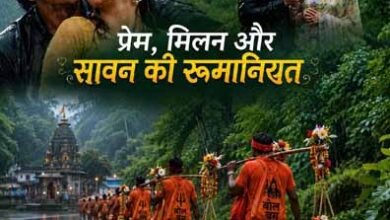
भारतीय संस्कृति में ऋतुओ का बड़ा ही अनोखा संगम हैं. वर्तमान समय में श्रावण / सावन का महीना चल रहा है. यह महीना प्रतीक्षा, प्रेम, विरह, मिलन, स्मृति, हरियाली और उल्लास का महीना है. इस महीने में लोकगीत कजरी का अपना ही महत्व होता है. यह मुख्यतः वर्षा, श्रृंगार और विरह से जुड़ी है तथा इसके अनेक रूपों में राधा-कृष्ण, पति-पत्नी, ननद-भाभी और मायके की स्मृतियाँ अभिव्यक्त होती हैं. विशेषतः पूर्वी उत्तर प्रदेश और बिहार के भोजपुरी अंचल में कजरी सावन की सांस्कृतिक पहचान बन चुकी है. जब इस लोकसंगीत को हिंदी सिनेमा के गीतों में मिश्रण किया गया तो सावन के जादू ने अमर कर दिया.
भीषण गर्मी और लू के थपेड़ों के बाद जब आसमान में काले बादल घिरते हैं और रिमझिम फुहारें धरती को भिगोती हैं, तो जनमानस का मन झूम उठता है. इसी सुहाने मौसम की आत्मा है ‘कजरी’. माना जाता है कि कजरी शब्द ‘कजरा’ (गाल या आँखों का काजल) या बादलों की कालिख से उपजा है. कजरी में मुख्य रूप से श्रृंगार और वियोग (विरह) रस की प्रधानता होती है. जहां एक ओर यह राधा-कृष्ण के प्रेम और झूला झूलने की लीलाओं का बखान करती है, वहीं दूसरी ओर सावन में परदेश गए पति की याद में तड़पती नायिका के विरह को भी स्वर देती है.
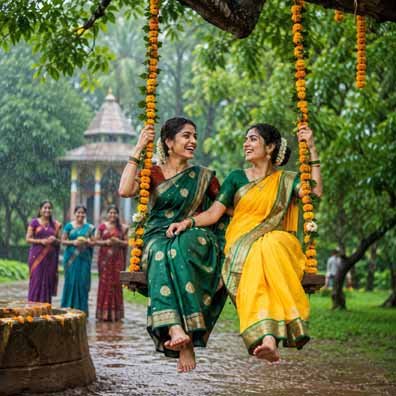
सावन के दिनों में गांव की महिलाएं पेड़ों पर पड़े झूलों पर बैठकर, हाथों में हाथ डालकर गोल घेरे में सामूहिक कजरी गाती हैं वहीं, ननद-भाभी की नोकझोंक और ठिठोली भी कजरी गीतों का एक अहम हिस्सा है. कजरी की सबसे बड़ी विशेषता यह है कि बाहरी प्रकृति और आंतरिक मनःस्थिति एक-दूसरे का प्रतिबिंब बन जाती हैं. वर्षा केवल पानी नहीं बरसाती; वह स्मृतियों और प्रेम की भावनाओं को भी जगा देती है. यही द्वंद्व प्रकृति का उत्सव और मन का विरह कजरी की आत्मा है. हिंदी सिनेमा में कजरी को सीधे तौर पर या इसके लोक-अंगों (धुनों, लय और संवेदना) को ढालकर कई बेहतरीन गीत रचे गए, जिन्होंने सावन के मौसम को पर्दे पर अमर कर दिया.
कजरी अर्ध-शास्त्रीय गायन की विधा है. इसके गायन में स्वर, ताल और पद का विशेष ध्यान रखा जाता है, हालाँकि कभी-कभी राग से भटकाव की छूट भी होती है. साहित्यिक दृष्टि से कजरी गीतों में प्रकृति का वर्णन, विरह-वर्णन, शृंगार रस और राधा-कृष्ण की लीलाओं का अद्भुत संगम होता है. चूकिं, कजरी के गीतों में सावन की फुहार, झूले, हरे-भरे वन, मोरों का नृत्य और प्रेमी-युगल के मिलन का चित्रण होता है. उदाहरण – “हरे रामा रिम-झिम बरसे पानिया, झूले राधा रानिया हे हरि”. इस गीत में राधा-कृष्ण के झूलने का दृश्य, बरसती बूंदें, बाजती पायल और कंगन सभी मिलकर सावन का पूरा जीवंत चित्र उकेरते हैं. एक और गीत है “अब के बरस भेज भइया को बाबुल”. यह गीत फिल्म बंदनी का है. इस गीत में सावन के बहाने मायके की स्मृति, बचपन की सखियों और पिता के घर लौटने की आकांक्षा व्यक्त होती है.
लोक-कजरी में भी विवाहिता स्त्री के लिए सावन मायके जाने का भावनात्मक अवसर रहा है. इसलिए फ़िल्मी गीत में “बाबुल”, “आँगन”, “सखियाँ”, “झूले” और “फुहार” जैसे शब्द केवल सजावटी बिंब नहीं हैं; वे स्त्री के उस जीवन की स्मृति हैं जिसमें विवाह से पहले उसका सहज और स्वतंत्र संसार था. सिनेमा ने लोकगीत की आत्मा को एक व्यापक सामाजिक अर्थ दिया है. गीत केवल किसी एक स्त्री की इच्छा नहीं रह जाता; वह विवाह के बाद स्त्री के जीवन में आए विस्थापन और मायके की स्मृति का सांस्कृतिक दस्तावेज बन जाता है.
कजरी की सबसे विशेषता है स्त्री के अनुभवों को स्वर देना. लोक-कजरी में स्त्री केवल प्रेमिका नहीं है बल्कि, वो बेटी, पत्नी, बहन, सखी और भाभी होती है. वहीं, सिनेमा ने इस स्त्री-स्वर को कैमरे और अभिनय से अतिरिक्त प्रभाव दिया है. उदाहरण- जब नायिका कहती है कि सावन आया लेकिन प्रिय नहीं आया, तो फिल्म में उसके चेहरे की प्रतीक्षा, खिड़की के बाहर गिरती बारिश और सूना आँगन उस भाव को दृश्य रूप दे देते हैं.
कजरी का मूल भाव-संसार श्रृंगार से जुड़ा है, लेकिन उसका श्रृंगार केवल संयोग का नहीं है. इसमें विप्रलंभ या विरह-श्रृंगार विशेष रूप से प्रभावशाली है. यही कारण है कि कजरी में एक तरफ झूले हैं, हँसी है, सखियाँ हैं और हरियाली है; दूसरी तरफ अकेली नायिका है, जिसकी आँखें प्रिय की राह देख रही हैं चुकि, सावन का मौसम प्रेमियों को मिलाने के बजाय कई बार उनकी दूरी का एहसास और बढ़ा देता है.
कजरी की दूसरी भाव कृष्ण-भक्ति और राधा-कृष्ण के प्रेम से जुड़ी हुई है. सावन, झूला और कृष्ण की लीलाएँ उत्तर भारतीय लोक-संस्कृति में एक-दूसरे से गहरे जुड़े हैं. वहीं, फ़िल्मों में इसका रूपांतरण करने पर लौकिक प्रेम और आध्यात्मिक प्रेम के बीच की दूरी कम हो जाती है. हिंदी फिल्मों में कई ऐसे सावन के गीत हैं जिनमें नायिका के अकेलेपन या उसकी सखियों के संग छेड़छाड़ को जो दिखाया जाता है, उसकी अंतरात्मा में कजरी की ही भावना छिपी होती है.”सावन आए भदवा आए…” या रिमझिम बारिश पर आधारित गानों में कजरी की ताल (जो कि कहहरवा या द्रुत तीनताल के आसपास घूमती है) का साफ प्रभाव झलकता है.
वैसे तो देखा जाय तो हिंदी सिनेमा में कजरी का प्रयोग चयनित और अपेक्षाकृत सीमित रहा वहीं, भोजपुरी सिनेमा का संबंध इससे अधिक स्वाभाविक दिखाई देता है. चुकि, कजरी का मूल सांस्कृतिक क्षेत्र भोजपुरी भाषी उत्तर प्रदेश और बिहार से गहराई से जुड़ा है. भोजपुरी सिनेमा में लोकधुनों के प्रयोग की एक बड़ी विशेषता यह रही कि यहाँ कजरी केवल “सावन का वातावरण बनाने” के लिए नहीं आती, बल्कि ग्रामीण जीवन की स्वाभाविक अभिव्यक्ति के रूप में सामने आती है. उदाहरण- वर्ष 1963 की भोजपुरी फिल्म ‘बिदेसिया’ में पारंपरिक धुनमुनिया कजरी की शैली का प्रयोग किया गया था. इस शैली में स्त्रियाँ सामूहिक रूप से अर्धवृत्ताकार बैठकर कजरी गाती थीं और रात-जागरण जैसी प्रस्तुतियों में कजरियों की श्रृंखला प्रस्तुत की जाती थी.
पारंपरिक कजरी में लोकभाषा का सहज प्रयोग होता है वहीं, फ़िल्मी कजरी में कजरी की शक्ति उसके शब्दों के साथ-साथ उसकी धुन में होती है. संगीत की दृष्टि से भी कजरी ने लोक और उपशास्त्रीय संगीत के बीच एक महत्वपूर्ण सेतु बनाया है. कजरी को बाद में अर्धशास्त्रीय संगीत की प्रतिष्ठित विधा के रूप में भी स्थान मिला और गिरिजा देवी जैसी गायिकाओं ने इसे बड़े संगीत-मंच तक पहुँचाया. लोक-कजरी सामुदायिक अनुभव से पैदा होती है. उसे किसी निश्चित मंच या कथा की आवश्यकता नहीं होती। महिलाएँ झूले पर, आँगन में या सामूहिक आयोजन में गा सकती हैं जबकि, फ़िल्मी कजरी पूर्व-निर्धारित होती है. फ़िल्मी कजरी का संबंध फिल्म की कहानी, पात्र और दृश्य से होता है. गीत की अवधि, संगीत-संयोजन और दृश्य-सौंदर्य भी उसके निर्माण को प्रभावित करते हैं.
वर्तमान समय में कजरी के सामने सबसे बड़ी चुनौती उसके पारंपरिक सामाजिक परिवेश का कमजोर होना है. पहले गाँवों में सामूहिक गायन, झूले और स्त्रियों के मेल-जोल के अवसर अधिक सहज थे. वर्तमान समय में मोबाइल, सोशल मीडिया, डिजिटल संगीत और तेज़ मनोरंजन के नए साधनों ने लोकगीत सुनने और गाने के तरीकों को बदल दिया है.
भारतीय लोक-संस्कृति में सावन और कजरी का संबंध अत्यंत गहरा और बहुआयामी है. कजरी में बारिश का सौंदर्य के साथ-साथ स्त्री का मन है, प्रेम की आकांक्षा है, प्रिय-विरह है, मायके की स्मृति है, राधा-कृष्ण की प्रतीक्षा है और ग्रामीण समाज की सामूहिक चेतना भी है. ‘बंदिनी’ जैसे हिंदी फिल्मों के गीतों ने कजरी के भाव-संसार को राष्ट्रीय स्तर पर लोकप्रिय बनाया, जबकि ‘बिदेसिया’ जैसे भोजपुरी सिनेमा के उदाहरणों ने लोक-कजरी की पारंपरिक प्रस्तुति को सीधे पर्दे पर स्थान दिया. सावन की पहली फुहार जब धरती को भिगोती है, तब कजरी उस भीगी हुई धरती और भीगे हुए मन और आवाज बन जाती है. यह गीत हमें सिखाते हैं कि बारिश सिर्फ पानी का बरसना नहीं, बल्कि भावनाओं के सैलाब का भी उमड़ना है.
========== ========= ===========
Sawan, Kajri, and Hindi Cinema

Indian culture features a unique confluence of seasons. Currently, the month of Shravan (or Sawan) is underway a time defined by anticipation, love, separation, reunion, nostalgia, lush greenery, and jubilation. The folk song genre known as ‘Kajri’ holds a special significance during this month. Primarily associated with the rains, romantic longing (shringar), and the pain of separation (virah), its various forms express themes ranging from the divine love of Radha and Krishna to the dynamics between a husband and wife or a sister-in-law and her brother’s wife, as well as memories of one’s maternal home. Kajri has become a cultural hallmark of Sawan, particularly in the Bhojpuri-speaking regions of Eastern Uttar Pradesh and Bihar. When this folk tradition was blended into Hindi cinema, the magic of Sawan immortalized it.
After the scorching heat and blistering winds of summer, when dark clouds gather and a gentle drizzle soaks the earth, people’s hearts fill with joy. ‘Kajri’ embodies the very soul of this delightful season. The word ‘Kajri’ is believed to have originated from ‘Kajra’ (kohl applied to the eyes or cheeks) or the dark hue of rain-laden clouds. Kajri is characterized chiefly by the sentiments of romantic love and the anguish of separation. While on one hand, it celebrates the love of Radha and Krishna and their playful moments on the swing, on the other, it gives voice to the heroine pining for her husband who has traveled far away during Sawan.
During this season, village women gather in circles—often holding hands—to sing Kajri while seated on swings hung from trees; the playful banter between a sister-in-law and her brother’s wife also forms an integral part of these songs. A defining feature of Kajri is how the external natural world and the internal state of mind mirror each other. The rain does not merely bring water; it awakens memories and emotions of love. This interplay—between the celebration of nature and the heart’s longing—constitutes the soul of Kajri. Many exquisite songs have been composed in Hindi cinema—either directly incorporating Kajri or adapting its folk elements (melodies, rhythms, and sensibilities)—that have immortalized the season of Sawan (monsoon) on screen.
Kajri is a genre of semi-classical singing. While specific attention is paid to pitch, rhythm, and lyrics during its rendition, there is also occasional leeway to deviate from strict Raga constraints. From a literary perspective, Kajri songs feature a remarkable blend of nature imagery, themes of separation (viraha), romantic sentiment (shringar), and the divine play (leela) of Radha and Krishna. These songs vividly depict the monsoon drizzle, swings, lush green forests, dancing peacocks, and the union of lovers. For instance, the song “Hare Rama rim-jhim barse paniyan, jhule Radha Raniyan he Hari” paints a lively picture of the season through the imagery of Radha and Krishna on a swing, falling raindrops, and the tinkling sounds of anklets and bangles. Another example is the song “Ab ke baras bhej bhaiya ko Babul” from the film Bandini; here, the monsoon serves as a backdrop to express memories of one’s maternal home and childhood friends, alongside a longing to return to one’s father’s house. In folk Kajri traditions, too, Sawan has long been an emotionally significant time for married women to visit their maternal homes.Consequently, words like Babul (father), aangan (courtyard), sakhiyan (female friends), jhule (swings), and phuhar (drizzle) in film songs are not merely decorative imagery; they evoke memories of a woman’s life prior to marriage—a time when her world was spontaneous and free.
Cinema has imbued the soul of this folk genre with broader social significance. The song transcends the individual desire of a single woman; it becomes a cultural document reflecting the displacement experienced after marriage and the enduring memory of one’s maternal home. A defining characteristic of Kajri is its role in giving voice to women’s experiences. In folk Kajri, a woman is not merely a lover; she embodies the roles of daughter, wife, sister, friend, and sister-in-law. Cinema has further amplified this feminine voice through the camera and acting. For instance, when the heroine laments that Sawan (the monsoon month) has arrived but her beloved has not, the film visually captures this sentiment through the look of anticipation on her face, the rain falling outside the window, and the desolate courtyard.
The core emotional realm of Kajri is rooted in Shringar (romantic love), yet it is not limited to the joy of union; the theme of Vipralambha or the Shringar of separation—is particularly poignant. This is why Kajri encompasses both the imagery of swings, laughter, female companions, and lush greenery, and the image of a solitary heroine whose eyes are fixed on the path her beloved might take; for the Sawan season, rather than uniting lovers, often heightens the sense of the distance between them.
Another facet of Kajri is linked to devotion to Krishna and the love between Radha and Krishna. In North Indian folk culture, Sawan, the swing, and the divine plays (Leelas) of Krishna are deeply intertwined. When adapted for cinema, the boundary between worldly love and spiritual love blurs. Many Hindi film songs depicting a heroine’s solitude or playful banter with her companions are imbued with the very spirit of Kajri. Songs like “Sawan Aaye Bhadwa Aaye…” or those set against a backdrop of gentle rain clearly reflect the rhythmic patterns of Kajri (which typically revolve around Kaharwa or fast-paced Teen Taal).
While the use of Kajri in Hindi cinema has been selective and relatively limited, its connection with Bhojpuri cinema appears far more organic, given that Kajri’s cultural roots lie deep within the Bhojpuri-speaking regions of Uttar Pradesh and Bihar. A distinctive feature of how folk melodies are employed in Bhojpuri cinema is that Kajri appears not merely to “set the mood” for the monsoon season, but as a natural expression of rural life. For instance, the 1963 Bhojpuri film Bidesiya employed the traditional Dhunmuniya Kajri style. In this style, women would sit in a semi-circle and sing Kajri collectively, and a series of Kajri songs would be presented during performances resembling night-long vigils.
While traditional Kajri relies on the spontaneous use of vernacular language, the power of Kajri in films lies as much in its melody as in its lyrics. Musically, Kajri has served as a vital bridge between folk and semi-classical music. It eventually gained recognition as a prestigious semi-classical genre, with vocalists like Girija Devi elevating it to major musical stages. Folk Kajri stems from communal experience; it requires no specific stage or narrative framework. Women might sing it while on swings, in courtyards, or during collective gatherings. In contrast, film Kajri is pre-scripted and tied to the movie’s plot, characters, and visuals; factors such as song duration, musical composition, and visual aesthetics shape its creation.
Today, the greatest challenge facing Kajri is the erosion of its traditional social context. In the past, opportunities for communal singing, swinging, and social interaction among women were more natural and frequent. Modern elements such as mobile phones, social media, digital music, and new, fast paced forms of entertainment have transformed the ways in which folk songs are heard and sung.
The bond between Sawan (the monsoon season) and Kajri in Indian folk culture is profound and multifaceted. Kajri embodies not only the beauty of the rain but also a woman’s inner world—her longing for love, the pain of separation from her beloved, memories of her maternal home, the anticipation of Radha and Krishna, and the collective consciousness of rural society. Songs from Hindi films like Bandini popularized the emotional essence of Kajri on a national scale, while Bhojpuri films like Bidesiya brought the traditional performance of folk Kajri directly to the screen. When the first showers of Sawan drench the earth, Kajri becomes the voice of that rain-soaked land and the rain-drenched heart. These songs teach us that rain is not merely the falling of water, but also the surging of a flood of emotions.