श्रावाण महीने की शुरुआत हो चुकी है. भारतीय हिन्दू परम्परा में इस मास का विशेष महत्व है चुकि, इस मास में हिन्दू परम्परा अनुसार जिन देवता की आराधना की जाती है वो योग, तप, वैराग्य, करुणा, संहार, सृजन और आत्मबोध के अद्भुत समन्वय के प्रतीक हैं. वो नटेश्वर, नीलकंठ और महादेव है. शिव का स्वरूप जितना सरल दिखाई देता है, उसका दार्शनिक अर्थ उतना ही गहरा है.
शिव’ शब्द का सामान्य अर्थ ही है—कल्याणकारी, मंगलमय। शिव का तात्पर्य उस चेतना से भी जोड़ा जाता है जो समस्त अस्तित्व में व्याप्त है. वहीँ, भारतीय दर्शन में शिव को परम चेतना का प्रतीक माना गया है. शिव की साधना किसी बाहरी सत्ता को प्रसन्न करने मात्र का प्रयत्न नहीं, बल्कि अपने भीतर की चेतना को जागृत करने का एक मार्ग (रास्ता) है.
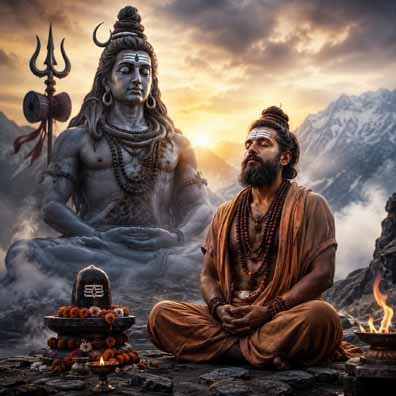
शिव का सबसे प्रभावशाली रूप एक समाधिस्थ योगी का है. शिव की जटाएँ मनुष्य के अनियंत्रित विचारों को नियंत्रित करने और चेतना को एकाग्र करने का संकेत देती हैं. वहीँ, दूसरी तरफ गंगा ज्ञान और पवित्रता का प्रतीक है. मस्तक पर स्थित चंद्रमा मन की शीतलता और संतुलन का बोध कराता है साथ ही शरीर पर लगी भस्म यह स्मरण कराती है कि संसार की भौतिक उपलब्धियाँ अंततः नश्वर हैं. गले का सर्प भय पर विजय तथा जीवन की ऊर्जा पर नियंत्रण का प्रतीक माना जाता है. गले का सर्प भय पर विजय तथा जीवन की ऊर्जा पर नियंत्रण का प्रतीक माना जाता है और शिव का तीसरा नेत्र ज्ञान और अंतर्दृष्टि का प्रतीक माना जाता है.
शिव पूजा में पंचाक्षरी मंत्र “ॐ नमः शिवाय” का विशेष महत्व होता है. चुकि, इस मंत्र का जाप “मन” को एकाग्र करने के लिए किया जाता है. चूकिं, मंत्रों का जप और नाद (ध्वनि) साधना मन को एकाग्र करने के सबसे शक्तिशाली माध्यम माना जाता है. “ॐ नमः शिवाय” का यह महामंत्र पांच तत्वों (पृथ्वी, जल, अग्नि, वायु, आकाश) और शरीर की ऊर्जा प्रणालियों को संतुलित करता है. वहीँ, दूसरी तरफ महामृत्युंजय मंत्र प्राण-ऊर्जा (जीवन शक्ति) को बढ़ाने और अकाल मृत्यु (शारीरिक व मानसिक दोनों स्तरों पर) के भय को दूर करने वाला माना जाता है.
कर्मकांड में “लिंग” पूजा का विशेष महत्व होता है चुकि लिंग का अर्थ ‘प्रतीक’ या ‘चिह्न’ होता है. शिवलिंग की पूजा का दार्शनिक अर्थ बहुत गहरा होता है. जबकि, शिवलिंग यह दर्शाता है कि निराकार ब्रह्म का कोई रूप नहीं होता, लेकिन वह इस संपूर्ण ब्रह्मांड का आधार है. आमतौर पर शिवलिंग पर जलधारा, बेलपत्र और धतूरा चढ़ाना केवल एक कर्मकांड नहीं है, बल्कि यह प्रकृति के साथ एकरूप होने और अपने अहंत्व (अहंकार) को शिव चरणों में समर्पित करने का भाव माना जाता है.
नटराज के रूप में शिव सृष्टि के नृत्य का प्रतीक हैं वहीँ, उनका तांडव केवल विनाश का नृत्य नहीं है; उसमें सृष्टि, स्थिति, परिवर्तन और पुनर्निर्माण की प्रक्रिया भी निहित होती है. जन्म के बाद मृत्यु है, निर्माण के बाद विनाश है और विनाश के बाद पुनः निर्माण की संभावना होती है चुकि, शिव का नटराज रूप हमें परिवर्तन से डरने के बजाय उसे समझने का संदेश देता है.
शिव की साधना केवल व्यक्तिगत मोक्ष तक सीमित रह जाए और समाज के दुख से हमारा कोई संबंध न हो, तो उसका व्यापक अर्थ अधूरा रह जाता है. चुकि, शिव ‘भूतनाथ’ हैं. वे उन लोगों के भी देवता हैं जिन्हें समाज अक्सर हाशिए पर रख देता है. उनका स्वरूप सामाजिक रूढ़ियों से परे एक व्यापक स्वीकार का संदेश देता है.
शिव को ‘औघड़’ और ‘समदर्शी’ कहा जाता है. वे विष (हलाहल) भी ग्रहण करते हैं और मस्तक पर चंद्रमा भी धारण करते हैं. शिव को शमशानवासी भी कहा जाता है. जो व्यक्ति शमशानवासी शिव की साधना करता है, वह मृत्यु और संसार की नश्वरता से भयभीत नहीं होता है. चुकि, उसके भीतर एक निर्भीकता का जन्म होता है. तंत्र और योग साधना में शिव को पुरुष (चेतना) और शक्ति को प्रकृति (ऊर्जा) माना गया है. जब कुंडलिनी शक्ति जागृत होकर सहस्रार चक्र में स्थित शिव से मिलती है, तो साधक को परमानंद की प्राप्ति होती है.
वर्तमान समय में मानव भौतिक रूप से पहले से अधिक सुविधासंपन्न है, लेकिन मानसिक रूप से अधिक तनावग्रस्त भी दिखाई देता है. इसका कारण है सूचनाओं की अधिकता, प्रतिस्पर्धा, सामाजिक तुलना, उपभोग की प्रवृत्ति और भविष्य की चिंता ने मानव को भीतर से अशांत कर दिया है. शिव साधना करने से आंतरिक शक्ति व आत्म-विश्वास बढ़ता है. मंदिर में जल चढ़ाना श्रद्धा है, मंत्र-जप उपासना है, ध्यान साधना है; लेकिन इन सबका परिणाम यदि चरित्र में परिवर्तन के रूप में सामने आए, तभी साधना जीवन को स्पर्श करती है.
भगवान शिव का दर्शन हमें जीवन से भागना नहीं, बल्कि जीवन को गहराई से समझना सिखाता है. वे तपस्या के प्रतीक हैं, पर जीवन-विरोधी नहीं; वे संहारक हैं, पर कल्याणकारी भी; वे विरक्त योगी हैं, पर आदर्श गृहस्थ भी. शिव की साधना साधक को मृत्यु के भय से मुक्त करती है और वर्तमान क्षण में जीना सिखाती है.
========== ========= ===========
Shiva’s Sadhana…

The month of Shravan has begun. This month holds special significance in Indian Hindu tradition, as the deities worshipped during this month symbolize a unique combination of yoga, austerity, detachment, compassion, destruction, creation, and self-realization. They are Nateshwar, Neelkanth, and Mahadev. Shiva’s form appears simple, yet his philosophical meaning is profound.
The word ‘Shiva’ generally means benevolent and auspicious. Shiva is also associated with the consciousness that permeates all existence. In Indian philosophy, Shiva is considered a symbol of supreme consciousness. Worshiping Shiva is not merely an attempt to appease an external entity, but a path to awakening one’s inner consciousness.
Shiva’s most powerful form is that of a meditative yogi. Shiva’s dreadlocks symbolize the control of uncontrolled thoughts and the concentration of consciousness. Meanwhile, the Ganges symbolizes knowledge and purity. The moon on the forehead evokes a sense of calmness and balance, while the ashes smeared on the body remind us that material accomplishments are ultimately transient. The snake around the neck symbolizes victory over fear and control over life’s energy, and Shiva’s third eye symbolizes wisdom and insight.
The five-syllable mantra “Om Namah Shivaya” holds special significance in Shiva worship. Chanting this mantra is used to focus the mind. Chanting mantras and sound meditation are considered the most powerful means of focusing the mind. This great mantra “Om Namah Shivaya” balances the five elements (earth, water, fire, air, and space) and the body’s energy systems. On the other hand, the Mahamrityunjaya mantra is believed to enhance life force (prana energy) and allay the fear of premature death (both physically and mentally).
Linga worship holds special significance in rituals, as linga means “symbol” or “mark.” The worship of the Shivalinga has profound philosophical implications. The Shivalinga signifies that the formless Brahman has no form but is the foundation of the entire universe. Generally, offering water, leaves of the vine, and dhatura to the Shivalinga is not merely a ritual, but a gesture of becoming one with nature and surrendering one’s ego at Shiva’s feet.
As Nataraja, Shiva symbolizes the dance of creation. His Tandava is not merely a dance of destruction; it also embodies the processes of creation, sustenance, transformation, and reconstruction. After birth, there is death, after creation, there is destruction, and after destruction, there is the possibility of reconstruction. Shiva’s Nataraja form teaches us to understand change rather than fear it.
If Shiva’s spiritual practice is limited to personal salvation and has no connection to the suffering of society, its broader meaning remains incomplete. Shiva is also the deity of those often marginalized by society. His form conveys a message of broad acceptance beyond social conventions.
Shiva is called ‘Aughad’ and ‘Samadarshi’. He even consumes poison (Halahal) and wears the moon on his head. Shiva is also called the crematorium dweller. Those who practice the crematorium dweller Shiva are not afraid of death and the impermanence of the world. This fosters a sense of fearlessness within them. In Tantra and Yoga practices, Shiva is considered Purusha (consciousness) and Shakti is considered Prakriti (energy). When the Kundalini Shakti awakens and unites with Shiva, located in the Sahasrara Chakra, the practitioner attains supreme bliss.
In the present age, humans are more physically comfortable than ever before, but they also appear to be more mentally stressed. This is because an abundance of information, competition, social comparison, consumerism, and worries about the future have left humans deeply disturbed. Practicing Shiva Sadhana increases inner strength and self-confidence. Offering water at a temple is devotion, chanting mantras is worship, and meditation is spiritual practice; but only when these results in a transformation in character does the practice truly touch life.
The vision of Lord Shiva teaches us not to escape from life, but to deeply understand it. He symbolizes austerity, but not anti-life; he is destructive, but also beneficial; he is a detached yogi, but also an ideal householder. Practicing Shiva frees the practitioner from the fear of death and teaches them to live in the present moment.