|
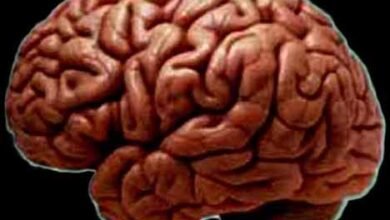
1. Where in the body is the pituitary gland located? = Located at the base of the brain, just below the hypothalamus, in a small bony cavity called the Cooper or sella turcica. 2. What is especially needed to digest food in the stomach? = Digestive juices (hydrochloric acid) and digestive enzymes (such as pepsin) are especially needed. 3. What does the saliva that comes out of the mouth digest? = Starch. 4. Which acid is present in the human stomach? = Hydrochloric acid. 5. What is protein converted into during digestion? = Amino Acids. 6. What causes Japanese encephalitis? = Japanese encephalitis virus (JEV). 7. An antigen is a substance that? = when it enters the body, stimulates the immune system and induces the production of antibodies. 8. The heart beats per minute in a healthy person? = 72 times per minute. 9. How many cartilages are found in the vocal cords? = 09 cartilages. 10. What produces mucus in the human trachea? = Specialized cells of the epithelium called goblet cells. 11. What is the lifespan of a platelet? = Approximately 8 to 12 days. 12. What are the vessels that carry impure blood called? = Veins. 13. Where does most of the absorption of digested food occur? = Small intestine. 14. What is the pericardium? = A double protective membrane (sac) that surrounds the heart. 15. What is the function of the vena cava? = Collects deoxygenated (impure) blood from various parts of the body and carries it to the right atrium of the heart. 16. Where is gray matter found? = In the brain and spinal cord. 17. Which gland secretes the hormone adrenaline? = Adrenal Gland. 18. How much time does it take for the heart to beat once in the human body? = 0.8 seconds. 19. Who coined the term heredity? = Spencer. 20. What is a gene? = A functional segment of DNA, which is the basic unit of heredity. 21. What is the transmission of various traits from generation to generation through gametes during sexual reproduction in living organisms called? = Heredity. 22. Which gland secretes the ptyalin enzyme? = It is secreted by the salivary gland. 23. Which enzyme is secreted by the salivary gland? = Amylase or Ptyalin is the enzyme secreted. 24. What are incisors? = They are the flat, sharp teeth located at the front of the mouth. There are eight of them (four in the upper jaw and four in the lower jaw). 25. In what form does food reach the esophagus from the pharynx and from the esophagus to the stomach? = In the form of a bolus. 26. In what form does food enter the small intestine from the stomach? = Chyme or acidic form. 27. Which fluid is filled between the coverings of the brain? = Cerebrospinal Fluid (CSF). 28. What is the corpus callosum? = The band that connects the two cerebral hemispheres. 29. Where does gaseous exchange occur during respiration? = Between the alveoli and the blood capillaries within the lungs. 30. What is the name of the structure that connects the pharynx and trachea? = Larynx (voice box). ========== ========= =========== जीव विज्ञान से संबंधित – 243.
1. पीयूष ग्रन्थि शरीर में किस स्थान पर स्थित होती है? = मस्तिष्क के आधार पर हाइपोथैलेमस के ठीक नीचे कूपर या सेला टर्सिका नामक एक छोटी अस्थिमय गुहा कूपर या सेला टर्सिका नामक एक छोटी अस्थिमय गुहा में स्थित होती है. 2. पेट में भोजन को पचाने के लिये किसकी खास आवश्यकता होती है? = पाचक रस (हाइड्रोक्लोरिक एसिड) और पाचक एंजाइम (जैसे पेप्सिन) की खास आवश्यकता होती है. 3. मुख से निकली लार किसका पाचन करती है? = स्टार्च. 4. किस अम्ल की उपस्थित मानव के पेट में होती हैं? = हाइड्रोक्लोरिक अम्ल. 5. पाचन क्रिया में प्रोटीन किस प्रदार्थ में बदल जाता है? = अमीनो एसिड. 6. जापानी एनसेफिलाइटिस का कारक होता है? = जापानी एन्सेफलाइटिस वायरस (JEV). 7. एन्टीजन (प्रतिजन) एक ऐसा पदार्थ है जो? = शरीर में प्रवेश करने पर प्रतिरक्षा प्रणाली (इम्यून सिस्टम) को उत्तेजित करता है और एंटीबॉडी के निर्माण को प्रेरित करता है. 8. स्वस्थ्य मनुष्य में प्रति मिनट हृदय स्पन्दन होता है? = 72 बार प्रति मिनट. 9. स्वर यंत्र में कितनी उपास्थि पाई जाती हैं? = 09 उपास्थि. 10. मनुष्यों की श्वासनली में श्लेष्मा का निर्माण कौन करता है? = उपकला (Epithelium) की विशिष्ट कोशिकाओं, जिन्हें गोब्लेट कोशिकाएं (Goblet cells) कहा जाता है. 11. बिंबाणु का जीवनकाल कितना होता है? = लगभग 8 से 12 दिन. 12. अशुद्ध रुधिर को प्रवाहित करने वाली वाहिकाएँ क्या कहलाती हैं? = शिरा (Veins). 13. पाचित भोजन का सर्वाधिक अवशोषण कहाँ होता है? = छोटी आँत. 14. हृदयावरण क्या है? = हृदय के चारों ओर पाई जाने वाली एक दोहरी सुरक्षात्मक झिल्ली (थैला). 15. महाशिरा का क्या कार्य होता है? = शरीर के विभिन्न अंगों से ऑक्सीजन-रहित (अशुद्ध) रक्त को एकत्र करके हृदय के दाहिने आलिंद में पहुँचाना. 16. धूसर द्रव्य कहाँ पाया जाता है? = मस्तिष्क और मेरुरज्जु (रीढ़ की हड्डी) में. 17. एड्रिनलीन हार्मोन का स्राव किस ग्रन्थि के द्वारा किया जाता है? = अधिवृक्क ग्रन्थि (Adrenal Gland). 18. मनुष्य के शरीर में हृदय को एक बार धड़कने के लिये कितना समय लगता है? = 0.8 सेकंड. 19. हेरिडिटी शब्द का प्रतिपादन किसने किया था? = स्पेन्सर (Spencer). 20. जीन किसे कहते हैं? = डीएनए का एक कार्यात्मक खंड है, जो आनुवंशिकता की मूल इकाई है. 21. सजीवों में लैंगिक जनन की क्रिया के समय युग्मकों द्वारा विभिन्न लक्षणों का पीढ़ी दर पीढी संचरण होना क्या कहलाता है? = आनुवंशिकता कहा जाता हैं. 22. टायलिन एंजाइम किस ग्रन्थि से स्रावित होती है? = लार ग्रंथि द्वारा स्रावित होता है. 23. लार ग्रंथि से कौन सा एंजाइम निकलता है? = एमाइलेज (Amylase) या टायलिन (Ptyalin) नामक एंजाइम निकलता है. 24. कृंतक दंत क्या हैं? = मुँह में सबसे आगे की ओर स्थित चपटे और धारदार दाँत होते हैं. इनकी संख्या 08 (चार ऊपरी जबड़े में और चार निचले जबड़े में) होती है. 25. भोजन किस रूप में ग्रसनी से ग्रसिका में तथा ग्रसिका से आमाशय में पहुंचता है? = बोलस के रूप में. 26. आमाशय से भोजन किस रूप में छोटी आंत्र में आता है? = चाइम (Chyme) या अम्लान्न के रूप में. 27. मस्तिष्क के आवरणों के बीच कौन- सा द्रव भरा रहता है? = मस्तिष्कमेरु द्रव (Cerebrospinal Fluid – CSF) भरा रहता है. 28. कार्पस केलोसम क्या है? = दोनों प्रमस्तिष्क गौलार्धों को जोड़ने वाली पट्टी. 29. श्वसन के दौरान गैसीय विनिमय कहाँ होता है? = फेफड़ों के अंदर वायुकोष्ठिका (एल्वियोली / Alveoli) और रक्त केशिकाओं (Capillaries) के बीच होता है. 30. ग्रसनी व श्वासनली को जोड़ने वाली रचना का नाम है?= स्वरयंत्र (Larynx या वॉइस बॉक्स).
|