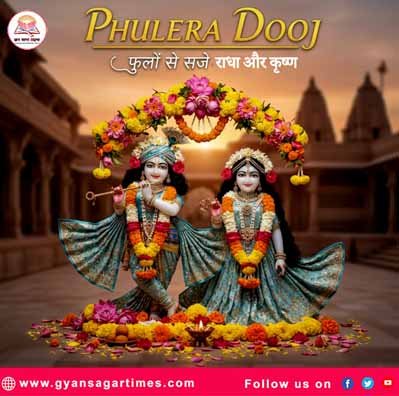
हिंदू पंचांग के अनुसार फाल्गुन मास की शुक्ल पक्ष की द्वितीया तिथि को फुलेरा दूज माने जाता है. यह पर्व विशेषकर उत्तर भारत, विशेषकर ब्रज क्षेत्र (मथुरा-वृंदावन) में मनाया जाता है. यह पर्व ऋतु परिवर्तन और प्रेम के प्रतीक के रूप में भी जाना जाता है.
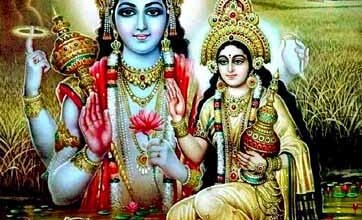
पौराणिक ग्रंथों के अनुसार, फुलेरा दूज का सीधा संबंध भगवान श्रीकृष्ण और राधा रानी से होता है. माना जाता है कि इसी दिन श्रीकृष्ण ने राधाजी और गोपियों के साथ फूलों की होली खेली थी. ब्रज के मंदिरों में इस दिन श्रीकृष्ण का विशेष श्रृंगार किया जाता है और उन्हें फूलों के बंगले में विराजमान किया जाता है.फुलेरा दूज के पर्व को निस्वार्थ प्रेम और भक्ति का प्रतीक भी माना जाता है.
ज्योतिष शास्त्र के अनुसार फुलेरा दूज को ‘अबूझ मुहूर्त’ माना जाता है. ‘अबूझ मुहूर्त’ का अर्थ होता है इस दिन किसी भी शुभ कार्य (जैसे विवाह, मुंडन, गृह प्रवेश) के लिए पंडित से मुहूर्त निकलवाने की आवश्यकता नहीं होती है. ज्योतिषाचार्यों के अनुसार, फुलेरा दूज की दोषमुक्त तिथि मानी जाती है. जिन लोगों के विवाह में बाधाएं आ रही होती हैं, उनके लिए इस दिन राधा-कृष्ण की पूजा करना अत्यंत फलदायी माना जाता है.
फुलेरा दूज को वसंत ऋतु के आगमन और सर्दियों की विदाई का सूचक भी माना जाता है. इस समय प्रकृति अपने पूर्ण यौवन पर होती है और चारों ओर फूल खिले होते हैं. ब्रज क्षेत्र में गुलरियों की परंपरा होती है, जिसमें फूलों और रंगों से उत्सव की शुरुआत होती है. मंदिरों में भक्त एक-दूसरे पर फूलों की वर्षा करते हैं साथ ही भगवान श्रीकृष्ण को विशेष रूप से पोहा और अन्य मीठे पकवानों का भोग भी लगाया जाता है. इस दिन भक्त और भगवन पीले रंग के कपडे धारण करते हैं. इस दिन राधा-कृष्ण विवाह की झांकी भी आयोजित की जाती हैं.
बताते चलें कि, फुलेरा दूज को विवाह के लिए सबसे शुभ दिन माना जाता है. इस कारण इस दिन रिकॉर्ड संख्या में विवाह होते हैं. यह पर्व सामूहिकता का प्रतीक माना जाता है. जहाँ समाज के लोग एक साथ मिलकर आनंद और भक्ति का अनुभव करते है. भारतीय संस्कृति में भक्ति, प्रेम और सामाजिक सामंजस्य को एक सूत्र में बाँधता है फुलेरा दूज. यह पर्व वर्तमान समय के दौर में सामाजिक समरसता के साथ- साथ यह जीवन के रंगों का भी उत्सव माना जाता है.
========== ========= ===========
Phulvara Dooj…
According to the Hindu calendar, Phulvara Dooj falls on the second day of the Shukla Paksha (waxing moon) of the month of Phalgun. This festival is celebrated especially in North India, particularly in the Braj region (Mathura-Vrindavan). It is also known as a symbol of the change of seasons and love.
According to mythological texts, Phulvara Dooj is directly connected to Lord Krishna and Radha Rani. It is believed that on this day, Lord Krishna played Holi with Radha and the Gopis. In the temples of Braj, Lord Krishna is specially decorated on this day and seated in a bungalow of flowers. The festival of Phulvara Dooj is also considered a symbol of selfless love and devotion.
According to astrology, Phulvara Dooj is considered an ‘Abujh Muhurat’. ‘Abujh Muhurat’ means that on this day, there is no need to consult a priest for any auspicious event (such as marriage, mundan ceremony, house warming). According to astrologers, Phulvara Dooj is considered a flawless date. Worshiping Radha-Krishna on this day is considered highly fruitful for those facing obstacles in their marriage.
Phulvara Dooj also marks the arrival of spring and the departure of winter. At this time, nature is in its full bloom, and flowers bloom everywhere. In the Braj region, there is the tradition of Gulari, which marks the beginning of the celebration with flowers and colors. Devotees shower each other with flowers in temples, and Lord Krishna is offered special offerings of poha and other sweet dishes. On this day, devotees and deities wear yellow clothes. Tableaus depicting the marriage of Radha and Krishna are also organized.
Phulvara Dooj is considered the most auspicious day for marriage, and as a result, a record number of marriages take place on this day. This festival is considered a symbol of togetherness, where people from all walks of life come together to experience joy and devotion. In Indian culture, Phoolera Dooj unites devotion, love, and social harmony. In contemporary times, this festival is considered a celebration of social harmony as well as the colors of life.