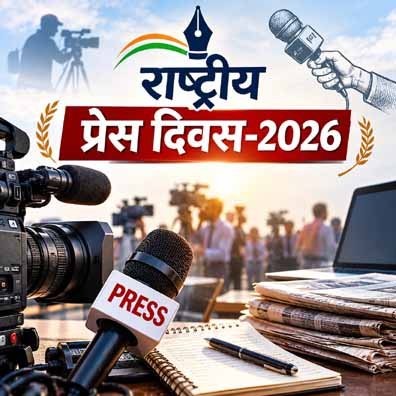
कहा जाता है कि, सरकार, प्रशासन और समाज के बीच संवाद का सशक्त माध्यम है “प्रेस” जो लोकतंत्र का चौथा स्तंभ कहलाता है. आज 16 नवंबर है प्रत्येक वर्ष आज ही के दिन राष्ट्रिय प्रेस दिवस मनाया जा रहा है. यह दिन भारत में स्वतंत्र और जिम्मेदार प्रेस के महत्व को उजागर करने और मीडिया की स्वतंत्रता के प्रति सम्मान प्रकट करने के लिए मनाया जाता है.
इस दिन की शुरुआत भारतीय प्रेस परिषद (Press Council of India) की स्थापना के उपलक्ष्य में की गई थी, जो कि 16 नवंबर 1966 को अस्तित्व में आई थी. प्रेस परिषद की स्थापना का उद्देश्य भारतीय प्रेस की स्वतंत्रता की रक्षा करना तथा पत्रकारिता के उच्च मानकों को बनाए रखना है.
बताते चलें कि, भारतीय संविधान के अनुच्छेद 19(1)(क) के अंतर्गत प्रत्येक नागरिक को अभिव्यक्ति की स्वतंत्रता का अधिकार प्राप्त है. वहीं, संविधान के अनुच्छेद 19(2) के अंतर्गत इस पर युक्तिसंगत प्रतिबंध भी लगाए जा सकते हैं. संविधान में प्रेस की स्वतंत्रता का अलग से उल्लेख नहीं है, लेकिन सर्वोच्च न्यायालय ने इसे अभिव्यक्ति की स्वतंत्रता का अभिन्न अंग माना है.
बताते चलें कि, लोकतंत्र में प्रेस की भूमिका केवल समाचारों के प्रकाशन तक सीमित नहीं है, बल्कि वह जनमत निर्माण, सत्ता की जवाबदेही और सामाजिक चेतना के विकास में महत्त्वपूर्ण भूमिका निभाता है. उदाहरण – जनमत निर्माण, वंचित वर्गों की आवाज, सत्ता पर निगरानी, शिक्षा एवं जनजागरूकता और राष्ट्रीय एकता एवं सामाजिक समरसता।
21वीं सदी की डिजिटल क्रांति ने पत्रकारिता के स्वरूप को व्यापक रूप से बदल दिया है. समाचार पत्रों और टेलीविजन के साथ डिजिटल पोर्टल, सोशल मीडिया और स्वतंत्र ऑनलाइन पत्रकारिता का विस्तार हुआ है. एक तरफ इससे सूचना का लोकतंत्रीकरण तो हुआ है, परन्तु, पत्रकारिता के समक्ष कई गंभीर चुनौतियाँ भी खड़ी हुई हैं. उदाहरण – फेक न्यूज और भ्रामक सूचनाएँ, पीत पत्रकारिता और टीआरपी की प्रतिस्पर्धा, आर्थिक दबाव और कॉरपोरेट प्रभाव, राजनीतिक ध्रुवीकरण, पत्रकारों की सुरक्षा के साथ-साथ डिजिटल युग की नई चुनौतियाँ.
लोकतंत्र में प्रेस की स्वतंत्रता अनिवार्य शर्त है, लेकिन स्वतंत्रता के साथ उत्तरदायित्व भी जुड़ा हुआ है.पत्रकारिता का उद्देश्य केवल किसी घटना की सूचना देना नहीं, बल्कि तथ्यों के आधार पर सत्य को सामने लाना भी है. प्रेस को भी यह समझना होगा कि उसकी शक्ति का उपयोग किसी व्यक्ति की प्रतिष्ठा को अनावश्यक रूप से नुकसान पहुँचाने, सामाजिक विद्वेष फैलाने अथवा जनमानस को भ्रमित करने के लिए नहीं होना चाहिए.
वर्तमान समय में प्रेस को स्वतंत्र, विश्वसनीय और उत्तरदायी बनाने के लिए कुछ महत्त्वपूर्ण कदम उठाए जाने चाहिए। उदाहरण – पत्रकारों की सुरक्षा के साथ -साथ उनकी अभिव्यक्ति की भी स्वतंत्रता होनी चाहिये, फेक न्यूज और दुष्प्रचार के विरुद्ध तथ्य-जाँच की व्यवस्था मजबूत की जाए, संपादकीय स्वतंत्रता को बढ़ावा दिया जाए, मीडिया संस्थानों की आर्थिक सहायता प्रदान की जाए, ग्रामीण एवं स्थानीय पत्रकारिता को प्रोत्साहित किया जाए, मीडिया संस्थानों में स्वामित्व की पारदर्शिता और जवाबदेही सुनिश्चित की जाए साथ ही डिजिटल और मीडिया साक्षरता को बढ़ावा दिया जाए.
राष्ट्रीय प्रेस दिवस महज एक औपचारिक दिवस नहीं बल्कि, ये पत्रकारिता के महत्व और समाज में इसके योगदान को पहचानने का एक अवसर है. साथ ही यह मीडिया कर्मियों को अपने दायित्वों की याद दिलाता है और निष्पक्ष और स्वतंत्र पत्रकारिता को बढ़ावा देता है.
========== ========= ===========
National Press Day – 2026.
The “press”—often referred to as the fourth pillar of democracy—serves as a powerful medium of communication between the government, the administration, and society. Today, November 16, marks National Press Day, which is observed annually on this date. It is celebrated to highlight the importance of a free and responsible press in India and to express respect for media freedom.
This day was established to commemorate the founding of the Press Council of India, which came into existence on November 16, 1966. The objective behind the establishment of the Press Council is to safeguard the freedom of the Indian press and to uphold high standards of journalism.
It is worth noting that under Article 19(1)(a) of the Indian Constitution, every citizen is granted the right to freedom of expression. Simultaneously, Article 19(2) allows for the imposition of reasonable restrictions on this right. While the Constitution does not explicitly mention “freedom of the press,” the Supreme Court has interpreted it as an integral component of the freedom of expression.
In a democracy, the role of the press extends beyond the mere publication of news; it plays a vital part in shaping public opinion, ensuring the accountability of those in power, and fostering social consciousness. Key functions include: shaping public opinion, serving as a voice for marginalized sections, monitoring the exercise of power, promoting education and public awareness, and fostering national unity and social harmony.
The digital revolution of the 21st century has fundamentally transformed the landscape of journalism. Alongside traditional newspapers and television, there has been an expansion of digital portals, social media, and independent online journalism. While this has led to the democratization of information, it has also introduced several serious challenges for the field of journalism—such as the spread of fake news and misinformation, sensationalist (yellow) journalism driven by the race for TRPs, economic pressures and corporate influence, political polarization, concerns regarding the safety of journalists, and various new challenges unique to the digital age. In a democracy, freedom of the press is an essential prerequisite; however, freedom is inherently linked to responsibility. The purpose of journalism extends beyond merely reporting events—it involves uncovering the truth based on facts. The press must also recognize that its power should not be used to cause unnecessary harm to an individual’s reputation, incite social discord, or mislead the public.
To ensure the press remains independent, credible, and responsible in the present day, several significant steps should be taken. These include: guaranteeing the safety of journalists alongside their freedom of expression; strengthening fact-checking mechanisms to combat fake news and disinformation; fostering editorial independence; providing financial support to media organizations; encouraging rural and local journalism; ensuring transparency and accountability regarding the ownership of media outlets; and promoting digital and media literacy.
National Press Day is not merely a formal observance; it is an opportunity to recognize the importance of journalism and its contribution to society. Furthermore, it serves as a reminder to media professionals of their responsibilities and encourages the practice of fair and independent journalism.