ओम श्री विष्णवे च विद्महे वासुदेवाय धीमहि, तन्नो विष्णुः प्रचोदयात्।
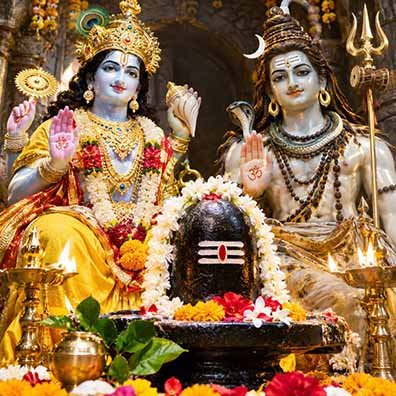
परम्पराओं के देश भारत में प्रत्येक पर्व का अपना विशिष्ट महत्त्व है. चुकिं, ये पर्व केवल पूजा-पाठ, व्रत और अनुष्ठानों तक सीमित नहीं हैं, बल्कि इनके माध्यम से भारतीय जीवन-दर्शन, आध्यात्मिक चेतना, नैतिक मूल्यों और सामाजिक समरसता की भी अभिव्यक्ति होती है. इन्हीं पर्वों में बैकुंठ चतुर्दशी का भी विशेष महत्व है. बैकुंठ चतुर्दशी जो कार्तिक शुक्ल पक्ष की चतुर्दशी तिथि को मनाया जाता है. इस दिन भगवान विष्णु और भगवान शिव की विशेष पूजा का महत्व है. मान्यता है कि इस दिन भगवान विष्णु ने भगवान शिव को बैकुंठ धाम का महत्त्व समझाया था और शिव ने विष्णु को वरदान दिया था कि इस तिथि पर उनकी पूजा करने से बैकुंठ लोक की प्राप्ति होती है.
बैकुंठ चतुर्दशी दो शब्दों से मिलकर बना है जिसमें ‘बैकुंठ’ और ‘चतुर्दशी’. ‘बैकुंठ’ – भगवान विष्णु के दिव्य धाम का नाम है, जिसे मोक्ष, शाश्वत शांति और परम आनंद का प्रतीक माना जाता है जबकि ‘चतुर्दशी’- महज एक तिथि है. लोक मान्यताओं के अनुसार, इस दिन भगवान विष्णु की पूजा के साथ भगवान शिव का पूजन करने से विशेष पुण्य की प्राप्ति होती है.
पूजा-विधि: –
- स्नान आदि कर मंदिर की साफ सफाई करें,
- भगवान श्री हरि विष्णु और शिव जी का जलाभिषेक करें,
- शिव जी का पंचामृत सहित गंगाजल से अभिषेक करें,
- अब विष्णु जी को पीला चंदन और पीले पुष्प अर्पित करें,
- शिव जी को सफेद चंदन, धतूरा, बिल्व पत्र, भांग, और सफेद पुष्प अर्पित करें,
- मंदिर में घी का दीपक प्रज्वलित करें.
इस दिन श्रद्धालु सुबह स्नान कर व्रत रखते हैं और शिव एवं विष्णु की पूजा करते हैं. वाराणसी में गंगा नदी के किनारे स्थित काशी विश्वनाथ मंदिर में इस दिन का खास महत्त्व है, और वहां भक्तजन दीपदान करते हैं.बैकुंठ चतुर्दशी के दिन गंगा में दीपदान करने से समस्त पापों का नाश होता है और मोक्ष की प्राप्ति होती है.
कथा: –
एक बार भगवान विष्णु ने भगवान शिव की आराधना करने का संकल्प लिया. उन्होंने भगवान शिव को एक हजार कमल पुष्प अर्पित करने का निश्चय किया. इसके लिए उन्होंने एक हजार कमल पुष्प एकत्र किए और अत्यंत श्रद्धा एवं भक्ति के साथ भगवान शिव की पूजा प्रारंभ की.
भगवान विष्णु को कमलनयन कहा जाता है, क्योंकि उनके नेत्र कमल के समान सुंदर हैं. भगवान शिव ने उनकी भक्ति की परीक्षा लेने के उद्देश्य से एक कमल पुष्प कम कर दिया. जब भगवान विष्णु ने देखा कि एक कमल पुष्प कम है, तो उन्होंने अपनी पूजा पूर्ण करने के लिए अपना एक नेत्र अर्पित करने का निश्चय किया.
वे अपना नेत्र निकालकर भगवान शिव को अर्पित करने के लिए तत्पर हुए. उनकी इस अद्वितीय भक्ति और समर्पण से भगवान शिव अत्यंत प्रसन्न हुए. उन्होंने भगवान विष्णु को प्रकट होकर दर्शन दिए और उन्हें सुदर्शन चक्र प्रदान किया.
भगवान विष्णु द्वारा अपना नेत्र अर्पित करने की पौराणिक कथा अहंकार और स्वार्थ के त्याग करने का प्रतीकात्मक संदेश देती है. वहीं, ईश्वर की प्राप्ति के लिए किसी एक संप्रदाय या उपासना पद्धति का आवश्यक नहीं होता है बल्कि, आध्यात्मिक दृष्टि से मानव तभी उन्नति कर सकता है, जब वह अपने अहंकार, लोभ, क्रोध और मोह को नियंत्रित करने में सफलता प्राप्त करे.
बैकुंठ चतुर्दशी केवल हरि और हर की पूजा का पर्व नहीं, बल्कि एकत्व, समन्वय, समर्पण और सद्भाव की भारतीय आध्यात्मिक चेतना का उत्सव है. यह हमें सिखाता है कि उपासना के मार्ग भिन्न हो सकते हैं, परन्तु, प्रेम, करुणा, सत्य और लोककल्याण ही धर्म के शाश्वत आधार माने जाते हैं.
========== ========= ===========
Vaikuntha Chaturdashi-2026.
Om Shri Vishnuve Cha Vidmahe Vasudeva Dheemahi, Tanno Vishnu Prachodayat।
In India, a land of rich traditions, every festival holds a unique significance. These festivals are not merely limited to rituals, fasts, and ceremonies; rather, they serve as an expression of the Indian philosophy of life, spiritual consciousness, moral values, and social harmony. Among these, Vaikuntha Chaturdashi holds a special place. It is celebrated on the fourteenth day (Chaturdashi) of the waxing phase (Shukla Paksha) of the month of Kartika. On this day, the worship of both Lord Vishnu and Lord Shiva is considered highly significant. According to tradition, it was on this day that Lord Vishnu explained the importance of ‘Vaikuntha Dharma’ (the divine abode of Vishnu) to Lord Shiva, and in return, Lord Shiva granted a boon to Lord Vishnu, stating that anyone who worships them on this day would attain Vaikuntha Loka (the divine realm).
The term ‘Vaikuntha Chaturdashi’ is composed of two words: ‘Vaikuntha’ and ‘Chaturdashi’. ‘Vaikuntha’ refers to the divine abode of Lord Vishnu—a realm synonymous with moksha (liberation), eternal peace, and supreme bliss—while ‘Chaturdashi’ simply denotes a specific lunar date. Popular belief holds that worshipping both Lord Vishnu and Lord Shiva on this day brings immense spiritual merit (punya).
Puja-Vidhi: –
- After bathing, clean the place of worship (shrine/temple).
- Perform jalabhishek (offering water) to both Lord Shri Hari Vishnu and Lord Shiva.
- Perform Abhishek (anointing) of Lord Shiva using panchamrit (a mixture of five sacred ingredients) and Gangajal (water from the Ganges).
- Offer yellow sandalwood paste and yellow flowers to Lord Vishnu.
- Offer white sandalwood paste, dhatura, bilva leaves, bhang, and white flowers to Lord Shiva.
- Light a ghee (clarified butter) lamp in the shrine.
Katha: –
On this day, devotees bathe in the morning, observe a fast, and worship both Lord Shiva and Lord Vishnu. The Kashi Vishwanath Temple in Varanasi, situated on the banks of the Ganges, holds special significance on this day, with devotees performing deepdaan (the ritual offering of lamps). It is believed that performing deepdaan in the Ganges on Vaikuntha Chaturdashi washes away all sins and leads to the attainment of moksha (liberation). Story: –
Once, Lord Vishnu resolved to worship Lord Shiva. He decided to offer one thousand lotus flowers to Lord Shiva. For this purpose, he gathered one thousand lotus flowers and began the worship of Lord Shiva with profound reverence and devotion.
Lord Vishnu is known as ‘Kamalnayan’ (lotus-eyed), as his eyes are as beautiful as lotus flowers. With the intention of testing his devotion, Lord Shiva removed one lotus flower from the collection. Upon noticing that one lotus flower was missing, Lord Vishnu decided to offer one of his own eyes to complete the worship.
He prepared to remove his eye and offer it to Lord Shiva. Deeply pleased by this unparalleled devotion and dedication, Lord Shiva manifested before him, granted him a vision, and bestowed upon him the ‘Sudarshan Chakra’.
The legend of Lord Vishnu offering his own eye serves as a symbolic message regarding the renunciation of ego and selfishness. Furthermore, it conveys that the attainment of the Divine is not confined to any single sect or method of worship; rather, from a spiritual perspective, a human being can truly progress only when they succeed in mastering their ego, greed, anger, and attachment.
Vaikuntha Chaturdashi is not merely a festival dedicated to the worship of Hari (Vishnu) and Hara (Shiva); it is a celebration of the Indian spiritual consciousness—one rooted in unity, harmony, dedication, and goodwill. It teaches us that while the paths of worship may vary, the eternal foundations of righteousness (Dharma) remain love, compassion, truth, and the welfare of all.