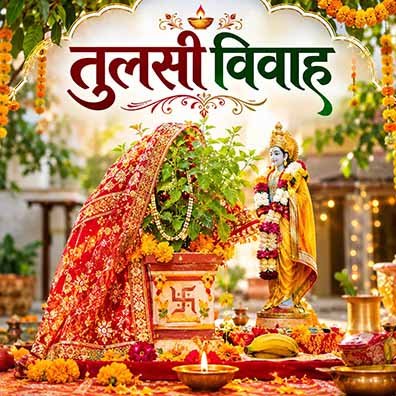
परंपराओं के देश भारत में पर्व या त्यौहार सिर्फ धार्मिक अनुष्ठानों तक सीमित नहीं होते हैं बल्कि, वे जीवन-दर्शन, प्रकृति-प्रेम, सामाजिक समरसता और आध्यात्मिक चेतना के भी वाहक होते हैं. वर्तमान समय में कार्तिक का पावन औए पवित्र महीना जो पर्वों की श्रृंखला लेकर आती है. उसी श्रृखला का एक और पर्व जो कार्तिक मास के शुक्ल पक्ष की द्वादशी तिथि को मनाया जाता है जिसे हम सभी तुलसी विवाह के नाम से जानते हैं. एक ऐसी परंपरा जिस्म्र्ण जगत के संचालनकर्ता भगवान् विष्णु के शालिग्राम स्वरूप के साथ तुलसी (वृंदा) का विवाह कराया जाता है. ऐसा प्रकृति से प्रेम आपने किसी और संस्कृति में नहीं देखा होगा आपने!
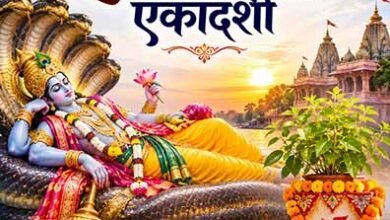
वास्तव में तुलसी विवाह केवल एक धार्मिक अनुष्ठान नहीं है, बल्कि यह भारतीय समाज में स्त्री-शक्ति, पवित्रता, प्रकृति-पूजा, पारिवारिक संस्कार, वैवाहिक आदर्श और पर्यावरण संरक्षण के अनेक मूल्यों को अभिव्यक्त करता है. मुख्य रूप से, यह पर्व कार्तिक मास के शुक्ल पक्ष की द्वादशी तिथि को मनाया जाता है परन्तु कुछ स्थानों पर इस पर्व को देवउठनी एकादशी को मनाया जाता है. यह एक प्रतीकात्मक विवाह समारोह है, जिसमें औषधीय गुणों से भरपूर तुलसी (वृंदा) के पौधे का विवाह भगवान विष्णु के एक स्वरूप शालिग्राम से किया जाता है. यह उत्सव चातुर्मास की समाप्ति और सभी मांगलिक कार्यों, जैसे विवाह, मुंडन आदि के आरंभ का भी प्रतीक माना जाता है.
तुलसी विवाह को करने से या करने से वैवाहिक जीवन में प्रेम, सुख, स्थिरता और खुशहाली आती है. अविवाहितों के लिए शीघ्र विवाह के योग बनते हैं और विवाह संबंधी अड़चनें दूर होती हैं. तुलसी विवाह के दिन तुलसी पूजन और विवाह कराने से जीवन के सभी कष्ट दूर होते हैं और पापों का शमन होता है.
विधि और परंपरा: –
सर्वप्रथम घर या मंदिर में तुलसी के पौधे को मंडप में सजाया जाता है. उसे चूड़ी, चुनरी, साड़ी, सिंदूर आदि से श्रृंगारित किया जाता है. उसके बाद भगवान विष्णु के शालिग्राम स्वरूप को तुलसी के पास रखा जाता है और विवाह की विधि पूरी श्रद्धा से संपन्न की जाती है. इस दौरान विवाह गीत, मंगल आरती, और प्रसाद वितरण के साथ यह उत्सव सामूहिक रूप से मनाया जाता है.
कथा: – यह कथा जालंधर नामक एक अत्यंत बलशाली असुर और उसकी पतिव्रता पत्नी वृंदा से जुड़ी हुई है.
राक्षसराज जालंधर को अपनी पत्नी वृंदा के सतीत्व के कारण अमरता का वरदान प्राप्त था. कोई भी देवता या मनुष्य उसे पराजित नहीं कर सकता था, जब तक वृंदा का सतीत्व भंग न हो जाए. जालंधर के अत्याचारों से तंग आकर सभी देवता भगवान विष्णु के पास सहायता के लिए पहुँचे. भगवान विष्णु ने सृष्टि की रक्षा के लिए छल का सहारा लिया. उन्होंने जालंधर का रूप धारण किया और वृंदा के पास पहुँचे. वृंदा उन्हें अपना पति समझकर स्पर्श कर बैठी, जिससे उनका पतिव्रता धर्म टूट गया और जालंधर की शक्तियां समाप्त हो गईं.
जब वृंदा को इस छल का पता चला, तो वे अत्यंत क्रोधित हुईं और उन्होंने भगवान विष्णु को पत्थर बन जाने का श्राप दे दिया. इसी श्राप के कारण भगवान विष्णु ने शालिग्राम (पत्थर का रूप) का स्वरूप धारण किया. इसके बाद वृंदा अपने पति के साथ सती हो गईं. जिस स्थान पर वृंदा सती हुईं, वहाँ एक पौधा उग आया. भगवान विष्णु ने वृंदा की भक्ति से प्रसन्न होकर उन्हें वरदान दिया कि तुम तुलसी के नाम से विख्यात होगी और मुझे (शालिग्राम को) लक्ष्मी से भी अधिक प्रिय होगी. उन्होंने यह भी कहा कि अब तुम्हारा विवाह हर वर्ष मेरे शालिग्राम स्वरूप से होगा.
तुलसी विवाह प्रकृति के साथ मानवीय संबंधों को पुनः स्मरण कराने वाला पर्व है. यह दर्शाता है कि प्रकृति भी पूजनीय है, और उसके साथ हमारा संबंध केवल उपयोग का नहीं, बल्कि सम्मान और प्रेम का होना चाहिए. तुलसी विवाह केवल एक धार्मिक अनुष्ठान नहीं, बल्कि प्रेम, त्याग और पुनरुत्थान की कथा है. वृंदा का त्याग, विष्णु का पश्चाताप, और प्रकृति के साथ पुनः एकात्मता—यह सब हमें यह सिखाता है कि सच्चा धर्म केवल पूजा नहीं, बल्कि संवेदना और समरसता है.
=========== ========== ==========
Tulsi Vivah – 2026
In India—a land of rich traditions—festivals are not merely confined to religious rituals; they serve as conduits for a philosophy of life, a love for nature, social harmony, and spiritual consciousness. The sacred month of Kartika brings with it a series of festivals, one of which is ‘Tulsi Vivah,’ celebrated on the twelfth day (Dwadashi) of the waxing phase (Shukla Paksha) of the month of Kartika. It is a tradition in which the Tulsi plant (Vrinda) is ceremonially wedded to the ‘Shaligram’—a manifestation of Lord Vishnu, the sustainer of the universe. Such a profound expression of love for nature is perhaps unique to this culture!
In essence, Tulsi Vivah is more than just a religious ritual; it embodies core values within Indian society, including the celebration of feminine power, purity, nature worship, family traditions, marital ideals, and environmental conservation. While primarily observed on the twelfth day of the waxing phase of Kartika, in some regions, it is celebrated on ‘Dev Uthani Ekadashi.’ It is a symbolic wedding ceremony wherein the Tulsi plant—revered for its medicinal properties—is united in marriage with the Shaligram, a form of Lord Vishnu. This festival also marks the conclusion of ‘Chaturmas’ (the four-month holy period) and signifies the commencement of auspicious activities, such as weddings and the ‘Mundan’ (tonsure) ceremony.
Performing or participating in Tulsi Vivah is believed to bring love, happiness, stability, and prosperity to one’s married life. For those who are unmarried, it is thought to create favourable conditions for an early marriage and help remove obstacles related to matrimony. Worshipping the Tulsi plant and conducting this ceremonial wedding is said to alleviate life’s hardships and cleanse one of past sins.
Vidhi aur Parampara: –
To begin, the Tulsi plant is placed within a decorated ‘mandap’ (ceremonial canopy) at home or in a temple. She is adorned with items such as bangles, a chunri (veil), a sari, and sindoor (vermilion). Following this, the Shaligram form of Lord Vishnu is placed beside the Tulsi plant, and the wedding ceremony is performed with deep devotion. The occasion is celebrated collectively, accompanied by the singing of wedding songs, mangal aarti (auspicious prayers), and the distribution of prasad (sanctified offerings).
Legend: This story revolves around a powerful asura (demon) named Jalandhara and his devoted, virtuous wife, Vrinda.
Due to the chastity and devotion of his wife, Vrinda, the demon king Jalandhara had been granted the boon of immortality. No god or human could defeat him as long as Vrinda’s chastity remained intact. Distressed by Jalandhara’s atrocities, the gods sought help from Lord Vishnu. To protect the universe, Lord Vishnu resorted to a ruse; he assumed the form of Jalandhara and approached Vrinda. Mistaking him for her husband, Vrinda touched him, which caused her vow of devotion to be broken, thereby stripping Jalandhara of his powers.
Upon discovering this deception, Vrinda became enraged and cursed Lord Vishnu, decreeing that he would turn into stone. It is because of this curse that Lord Vishnu took the form of a Shaligram (a sacred stone). Subsequently, Vrinda performed sati (immolated herself) alongside her husband. A plant sprouted at the very spot where Vrinda had performed sati. Pleased by her devotion, Lord Vishnu granted her a boon: “You shall be known as Tulsi, and you will be even dearer to me (in my Shaligram form) than Lakshmi.” He further decreed that, henceforth, she would be wedded to his Shaligram form every year.
Tulsi Vivah serves as a reminder of the human connection with nature. It illustrates that nature, too, is worthy of reverence—that our relationship with it should not be based merely on utility, but rather on respect and love. Tulsi Vivah is not merely a religious ritual; it is a tale of love, sacrifice, and rebirth. Vrinda’s sacrifice, Vishnu’s repentance, and the restoration of harmony with nature—all of this teaches us that true spirituality is not just about worship, but about empathy and harmony.