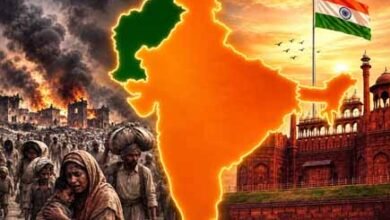
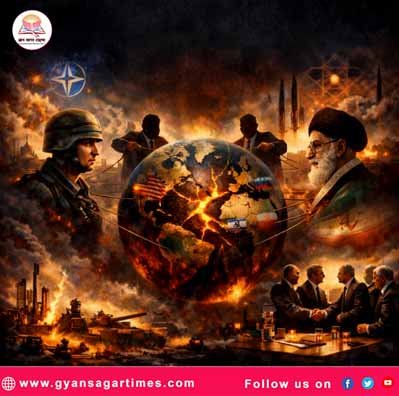
धरती के सृजन के बाद ही मानव निर्माण व सभ्यता का भी निर्माण हुआ था. इस निर्माण के साथ ही खून से लिखी युद्ध की एक लंबी कहानी दिखाई पड़ती है. प्राचीन काल के नगर-राज्यों के संघर्ष से लेकर विश्व के महायुद्धों तक, हर संघर्ष की जड़ में कहीं न कहीं मानवीय स्वार्थ ही प्रधान कारण के रूप में दिखता है. वर्तमान समय में एक यक्ष प्रश्न है “क्यों युद्ध का कारण बनते हैं अपने हित की बात करने वाले लोग?”… इतिहास गवाह है कि, ‘स्वहित’ कूटनीति की मर्यादा लांघकर जब ‘अति-महत्वाकांक्षा’ का रूप ले लेता है, तो वैश्विक शांति भंग हो जाती है. जिसका ताजा उदाहरन है अमेरिका, रूस, इजरायल, युक्रेन व ईरान.
मानव इतिहास में युद्ध केवल हथियारों और सेनाओं का टकराव नहीं रहा है, बल्कि यह स्वार्थ, सत्ता और संसाधनों की लालसा का परिणाम भी रहा है. चाहे वे शासक हों, व्यापारी हों या साम्राज्यवादी शक्तियाँ वे सिर्फ अपने हितों को सर्वोपरि मानते हैं और यहीं से संघर्ष की जमीन तैयार होती है. युद्ध का बीज हमेशा स्वार्थ में छिपा होता है. जब “अपने हित” को सार्वभौमिक हित का रूप दिया जाता है, तब समाज युद्ध की आग में झोंक दिया जाता है. स्वहित का होना स्वाभाविक है, लेकिन जब यह ‘स्वार्थ’ की सीमा पार कर जाए, तो विनाश लाता है. युद्ध केवल हथियारों से नहीं, बल्कि उन विचारों से शुरू होते हैं जो ‘हम बनाम वे’ की दीवार खड़ी करते हैं. शांति का मार्ग केवल तभी प्रशस्त हो सकता है जब हम “अपने हित” को “साझा हित” के साथ जोड़कर देखना शुरू करें.
वैसे भी अर्थशास्त्र का बुनियादी सिद्धांत है कि संसाधन सीमित हैं, लेकिन मानवीय इच्छाएँ अनंत. स्वार्थ केवल व्यक्तिगत लाभ तक सीमित नहीं है. यह एक व्यापक अवधारणा है जिसमें किसी व्यक्ति, समूह, वर्ग, राष्ट्र या विचारधारा के हितों की संतुष्टि शामिल है. जब कोई समूह या राष्ट्र अपने हितों को सर्वोपरि रखते हुए संसाधनों (जैसे जमीन, तेल, पानी या खनिज) पर एकाधिकार चाहते हैं, तो संघर्ष अनिवार्य हो जाता है. अपने हित की बात करने वाले लोग अक्सर अपने लक्ष्यों को ‘आवश्यकता’, ‘राष्ट्रीय सुरक्षा’ या ‘आर्थिक समृद्धि’ का नाम देकर वैध ठहराते हैं, जिससे उनका स्वार्थ एक नैतिक आवरण में ढक जाता है.
युद्ध के सबसे प्रमुख कारणों में से एक आर्थिक स्वार्थ है. शासक वर्ग अक्सर अपने हितों को “राष्ट्रहित” का नाम देकर जनता को युद्ध के लिए तैयार करता है. इतिहास गवाह है कि प्राकृतिक संसाधनों पर कब्ज़ा करने के लिए साम्राज्यों ने एक-दूसरे पर आक्रमण किये हैं. 15वीं से 20वीं सदी तक यूरोपीय शक्तियों ने अफ्रीका, एशिया और अमेरिका में उपनिवेश स्थापित करने के लिए न केवल युद्ध लड़े, बल्कि स्थानीय आबादी का कत्लेआम भी किया. उनका उद्देश्य सस्ता कच्चा माल प्राप्त करना और अपने तैयार माल के लिए बाजार हासिल करना था, जो पूंजीपतियों और व्यापारिक कंपनियों का स्वार्थ था. वहीँ, : 20वीं सदी के उत्तरार्ध और 21वीं सदी में इराक युद्ध (तेल), या पूर्वी चीन सागर में विवाद (मछली पकड़ने के क्षेत्र और संभावित ऊर्जा संसाधन) सीधे तौर पर आर्थिक स्वार्थों से उपजे थे.
अक्सर ‘हित’ का अर्थ केवल आर्थिक लाभ नहीं होता, बल्कि अहंकार की तृप्ति और वर्चस्व भी होता है. जब कोई नेता या समूह अपने राजनैतिक हित साधने के लिए राष्ट्रवाद या धर्म का सहारा लेता है, तो वह आम जनता की भावनाओं को हथियार बनाकर उन्हें युद्ध की ओर धकेल देता है. जहाँ ‘स्वहित’ तो मुट्ठी भर लोगों का ही होता है, लेकिन उसकी कीमत मासूम जनता चुकाती है. वहीँ, कई बार सत्ताधारियों का स्वार्थ अक्सर विस्तारवादी नीतियों को जन्म देता है. उदाहरण – हिटलर का ‘लेबेन्सराम’ (रहने की जगह) का सिद्धांत, या पूर्ववर्ती सोवियत संघ द्वारा पूर्वी यूरोप में प्रभाव क्षेत्र बनाना, सत्ता और वैचारिक वर्चस्व के स्वार्थ के ही परिणाम थे. वहीँ, : मध्यकाल में ईसाई यूरोप द्वारा पवित्र भूमि को मुसलमानों से मुक्त कराने के नाम पर किए गए अभियान धार्मिक स्वार्थ और राजनीतिक महत्वाकांक्षाओं के मिश्रण थे. साम्यवाद और पूंजीवाद के बीच वैचारिक द्वंद्व ने दुनिया को दो खेमों में बांट दिया था. हालाँकि, यह प्रत्यक्ष युद्ध नहीं हुआ, लेकिन कोरिया, वियतनाम और अफगानिस्तान जैसे देशों में इस वैचारिक स्वार्थ ने भीषण प्रॉक्सी युद्ध लड़वाए गए.
जब एक देश अपने हित और सुरक्षा के लिए हथियार जुटाता है, तो पड़ोसी देश इसे अपने लिए खतरा मानता है. इसे अंतरराष्ट्रीय राजनीति में इसे ‘सिक्योरिटी डिलेमा’ कहा जाता है. अपने हित की रक्षा की यह होड़ अंततः एक ऐसे हथियारों की दौड़ में बदल जाती है जिसका अंत केवल युद्ध ही होता है. अपने हित की बात करने वाले लोग अक्सर ‘नैतिक अंधेपन’ का शिकार हो जाते हैं. वो अक्सर ‘दूसरों’ को अमानवीय और खतरनाक के रूप में चित्रित करते हैं जिससे जनता में भय और घृणा पैदा की जा सके. वे अक्सर ही “लोकतंत्र बचाने”, “मानवता की रक्षा” या “आतंकवाद के खिलाफ जंग” जैसे नैतिक उद्देश्यों को जोड़कर युद्ध करते हैं. जब व्यक्ति व्यक्ति केवल अपने लाभ के चश्मे से दुनिया को देखता है, तो उसे सामने वाले का दर्द, उसकी संस्कृति और उसके अस्तित्व का मूल्य दिखाई देना ही बंद हो जाता है. अपने हित साधने वाले लोग अक्सर युद्ध को “सम्मान”, “राष्ट्र गौरव” या “सुरक्षा” का नाम देते हैं. युद्ध होने पर सबसे अधिक लाभ शासक वर्ग या पूँजीपति ही उठाते हैं, जबकि जनता तो खून के आँसू ही रोती है.
वर्तमान समय में भी युद्ध हो रहे हैं. 1. रूस-यूक्रेन युद्ध (सुरक्षा बनाम संप्रभुता) 2. इज़राइल और ईरान (अस्तित्व और धार्मिक नेतृत्व का संघर्ष) 3. वैश्विक पुलिसकर्मी या रणनीतिक हित?(अमेरिका).
- रूस-यूक्रेन युद्ध: – रूस नाटो (NATO) के विस्तार को अपने अस्तित्व के लिए खतरा मानता है. उसका हित यूक्रेन को एक ‘बफर जोन’ के रूप में बनाए रखने और सोवियत संघ के पुराने गौरव (वर्चस्व) को पुनः प्राप्त करने में है. वहीँ, यूक्रेन के लिए यह उसकी संप्रभुता और अस्तित्व की लड़ाई है. उसका हित पश्चिमी लोकतांत्रिक मूल्यों और सुरक्षा कवच (EU और NATO) से जुड़ने में है ताकि वह रूसी प्रभाव से मुक्त रह सके. यहाँ ‘सुरक्षा की दुविधा’ स्पष्ट दिखती है जहाँ एक की सुरक्षा दूसरे के लिए खतरा बन गई है.
- इज़राइल और ईरान: – मध्य पूर्व का यह तनाव दुनिया के सबसे जटिल संघर्षों में से एक है, जहाँ हित धार्मिक, राजनीतिक और सैन्य रूप से उलझे हुए हैं. जहाँ, इज़राइल के लिए एकमात्र प्राथमिक हित ‘अस्तित्व’ है. अरब देशों के बीच एक यहूदी राष्ट्र के रूप में खुद को बचाए रखने के लिए वह ‘आक्रामक बचाव’ की नीति अपनाता है. वहीँ, ईरान खुद को इस्लामी दुनिया के नेता और फिलिस्तीनी मुद्दे के चैंपियन के रूप में स्थापित करना चाहता है. उसका हित इराक, सीरिया और लेबनान (हिजबुल्लाह के माध्यम से) तक एक ‘शिया क्रीसेंट’ बनाने में है ताकि वह इज़राइल और अमेरिकी प्रभाव को चुनौती दे सके. साथ ही इरान का परमाणु कार्यक्रम उसके लिए ‘संप्रभुता’ का प्रतीक है, जबकि इज़राइल के लिए यह ‘अस्तित्व का खतरा’ है.
- वैश्विक पुलिसकर्मी या रणनीतिक हित?: – अमेरिका अक्सर अपने हितों को ‘लोकतंत्र की रक्षा’ के लिबास में पेश करता है, चाहे वह इराक हो या अफगानिस्तान.वहीँ, अमेरिका की भूमिका को अक्सर ‘लिबरल हेजेमनी’ या यूँ कहें कि, उदारवादी वर्चस्व के रूप में देखा जाता है. ज्ञात है कि, मध्य पूर्व में अमेरिका का हित तेल के निर्बाध प्रवाह और समुद्री व्यापारिक मार्गों की सुरक्षा सुनिश्चित करना रहा है. वहीँ, आलोचक इसे केवल अमेरिकी डॉलर और सैन्य-औद्योगिक परिसर के हितों को साधने का जरिया मानते हैं.
युद्ध का कारण बनने वाला स्वार्थ मानव सभ्यता के लिए एक अभिशाप की तरह है. महात्मा गांधी ने कहा था कि, “धरती हर इंसान की ज़रूरत को पूरा करने के लिए काफी है, लेकिन हर इंसान के लालच को पूरा करने के लिए नहीं”. यदि, व्यक्ति, समुदाय और राष्ट्र के उस संकीर्ण दृष्टिकोण को दर्शाता है जो केवल अपने लाभ को देखता है, न कि साझा भविष्य को. जब तक संसाधनों का वितरण असमान रहेगा, सत्ता की लालसा बनी रहेगी और विचारधाराएँ टकराती रहेंगी, तब तक स्वार्थ युद्ध के बीज बोता रहेगा. जब तक “वैश्विक हित” को “राष्ट्रीय हित” से ऊपर नहीं रखा जाएगा, तब तक हथियारों की खनक शांत नहीं होगी. सवाल यह है कि, क्या मानवता कभी अपने सामूहिक हितों को भी प्राथमिकता दे पाएगी..?
========== ========= ===========
Why Do People Who Prioritize Their Own Interests Become the Cause of War?

The creation of humanity and civilization followed immediately upon the creation of the Earth itself. Coinciding with this genesis, a long history of warfare—written in blood—comes into view. From the conflicts between ancient city-states to the great World Wars, human self-interest invariably emerges as the primary underlying cause at the root of every struggle. In the contemporary era, a pressing existential question looms: “Why do those who prioritize their own interests become the very cause of war?” History bears witness that when “self-interest” transgresses the boundaries of diplomacy and morphs into “excessive ambition,” global peace is shattered. The recent examples of the United States, Russia, Israel, Ukraine, and Iran serve as stark illustrations of this phenomenon.
Throughout human history, war has not merely been a clash of weaponry and armies; it has also been the inevitable consequence of greed—a lust for power, resources, and personal gain. Whether they be rulers, merchants, or imperialist powers, such entities invariably deem their own interests paramount; it is precisely here that the fertile ground for conflict is laid. The seeds of war are invariably concealed within self-interest. When “one’s own interest” is falsely elevated to the status of a universal good, society is inevitably cast into the raging fires of war. While the pursuit of self-interest is a natural human inclination, when it crosses the threshold into unbridled “selfishness,” it inevitably begets destruction. Wars are not ignited solely by weapons, but rather by those ideologies that erect divisive walls of “us versus them.” The path to peace can be paved only when we begin to view “our own interests” as inextricably intertwined with “shared interests.”
After all, a fundamental tenet of economics posits that while material resources are finite, human desires are infinite. Self-interest is not confined merely to individual gain; it is a broad concept encompassing the gratification of the interests of any individual, group, class, nation, or ideology. When a particular group or nation prioritizes its own interests above all else—seeking to establish a monopoly over vital resources such as land, oil, water, or minerals—conflict becomes an inevitable outcome. Those who advocate for their own interests often legitimize their objectives by labeling them as “necessity,” “national security,” or “economic prosperity,” thereby cloaking their self-interest in a moral guise.
One of the most prominent causes of war is economic self-interest. The ruling class frequently mobilizes the public for war by framing their own interests as the “national interest.” History bears witness to empires invading one another to seize control of natural resources. From the 15th to the 20th century, European powers not only waged wars to establish colonies in Africa, Asia, and the Americas but also massacred local populations. Their objective was to secure cheap raw materials and acquire markets for their finished goods—an agenda driven by the self-interest of capitalists and trading companies. Similarly, in the late 20th and 21st centuries, conflicts such as the Iraq War (driven by oil) or disputes in the East China Sea (concerning fishing grounds and potential energy resources) stemmed directly from economic self-interests.
Often, “interest” implies not merely economic gain, but also the gratification of ego and the pursuit of dominance. When a leader or group invokes nationalism or religion to advance their political agenda, they weaponize the sentiments of the general public, thereby propelling them toward war. While the “self-interest” at play belongs to only a handful of individuals, it is the innocent public that ultimately pays the price. Furthermore, the self-interest of those in power frequently gives rise to expansionist policies. Examples such as Hitler’s doctrine of *Lebensraum* (living space), or the former Soviet Union’s establishment of a sphere of influence in Eastern Europe, were direct consequences of the pursuit of power and ideological dominance. Likewise, the campaigns undertaken by Christian Europe during the Middle Ages—ostensibly to liberate the Holy Land from Muslim control—were a blend of religious self-interest and political ambition. The ideological conflict between Communism and Capitalism, too, effectively divided the world into two opposing camps. Although a direct war did not ensue, this ideological self-interest instigated fierce proxy wars in nations such as Korea, Vietnam, and Afghanistan.
When a nation mobilizes arms to safeguard its own interests and security, its neighbors perceive this as a threat to themselves. In international politics, this phenomenon is termed the “Security Dilemma.” This rivalry to protect one’s own interests ultimately escalates into an arms race that inevitably culminates in war. Those who champion their own self-interests often fall victim to “moral blindness.” They frequently portray “others” as inhumane and dangerous figures to sow fear and hatred among the public. They often wage war by invoking moral imperatives such as “saving democracy,” “protecting humanity,” or engaging in a “war against terrorism.” When an individual views the world solely through the lens of personal gain, they cease to perceive the pain, culture, and inherent worth of the “other.” Those pursuing their own self-interests often cloak war under the guise of “honor,” “national pride,” or “security.” When war breaks out, it is invariably the ruling class or the capitalists who reap the greatest benefits, while the common people are left to weep tears of blood.
Even in the present day, wars are being waged. 1. The Russia-Ukraine War (Security vs. Sovereignty) 2. Israel and Iran (A Struggle for Survival and Religious Leadership) 3. Global Policeman or Strategic Interests? (The USA).
- The Russia-Ukraine War: – Russia views the expansion of NATO as an existential threat. Its interest lies in maintaining Ukraine as a ‘buffer zone’ and in reclaiming the former glory (hegemony) of the Soviet Union. Conversely, for Ukraine, this is a battle for its sovereignty and survival. Its interest lies in aligning itself with Western democratic values and security frameworks (the EU and NATO) so that it may remain free from Russian influence. Here, the ‘security dilemma’ is clearly evident, wherein the security of one party has become a threat to the other.
- Israel and Iran: – This tension in the Middle East constitutes one of the world’s most complex conflicts, where interests—religious, political, and military—are deeply intertwined. For Israel, the sole primary interest is ‘survival.’ To preserve itself as a Jewish nation amidst Arab states, it adopts a policy of ‘aggressive defense.’ Meanwhile, Iran seeks to position itself as the leader of the Islamic world and the champion of the Palestinian cause. Its interest lies in establishing a ‘Shia Crescent’ extending through Iraq, Syria, and Lebanon (via Hezbollah) to challenge both Israeli and American influence. Furthermore, Iran’s nuclear program serves as a symbol of ‘sovereignty’ for the nation, whereas for Israel, it represents an ‘existential threat.’
- Global Policeman or Strategic Interests? : – The United States often frames its interests under the guise of ‘defending democracy,’ whether the context be Iraq or Afghanistan. However, the role of the United States is frequently perceived as one of ‘Liberal Hegemony’—that is, liberal dominance. It is well known that America’s interest in the Middle East has centered on ensuring the uninterrupted flow of oil and the security of maritime trade routes. Conversely, critics view this merely as a means to serve the interests of the U.S. dollar and the military-industrial complex.
Self-interest, as a catalyst for war, acts as a curse upon human civilization. Mahatma Gandhi famously stated: “The Earth has enough to satisfy every human’s need, but not every human’s greed.” Such self-interest reflects a narrow perspective—whether held by individuals, communities, or nations—that focuses solely on one’s own gain rather than on a shared future. As long as the distribution of resources remains unequal, the lust for power persists, and ideologies continue to clash, self-interest will sow the seeds of war. Until “global interests” are prioritized over “national interests,” the clamor of weapons will not be silenced. The question remains: will humanity ever be able to prioritize its collective interests?