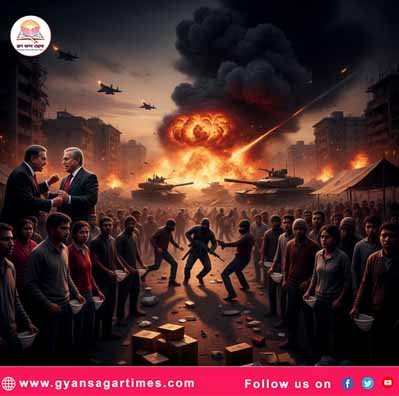
वर्तमान समय में दुनिया में जो उथल-पुथल हमें महसूस हो रही है, वह किसी एक कारण से नहीं, बल्कि कई बड़े बदलावों के एक साथ होने का परिणाम है. इसके पीछे राजनीतिक संघर्ष, आर्थिक असमानता, पर्यावरणीय संकट, तकनीकी बदलाव और सांस्कृतिक टकराव जैसे कई कारण जुड़े हुए हैं. यह अस्थिरता मानव सभ्यता के विकास और चुनौतियों का स्वाभाविक परिणाम भी है.
बताते चलें कि, द्वितीय विश्व युद्ध के बाद जो दुनिया बनी थी, वह अब बदल रही है. पहले दुनिया ‘एकध्रुवीय थी जहाँ अमेरिका का वर्चस्व था, लेकिन अब हम ‘बहुध्रुवीय’ दुनिया की ओर बढ़ रहे हैं. दुनिया का शक्ति संतुलन बदल रहा है. पुराने गठबंधन टूट रहे हैं और नए बन रहे हैं. पश्चिम से पूर्व (विशेषकर चीन और भारत) की ओर शक्ति का केंद्र खिसक रहा है.
संयुक्त राष्ट्र और विश्व स्वास्थ्य संगठन जैसे संस्थान आज के आधुनिक संघर्षों को रोकने या सुलझाने में उतने प्रभावी नहीं दिख रहे, जितने पहले थे. रूस-यूक्रेन युद्ध और मध्य पूर्व के संघर्षों ने वैश्विक सुरक्षा और अर्थव्यवस्था को अस्थिर कर दिया है. वहीँ, महाशक्तियों के बीच बढ़ती प्रतिस्पर्धा ने “शीत युद्ध” जैसा माहौल फिर से पैदा कर दिया है.
विशेषज्ञों के अनुसार, हम एक साथ कई संकटों के बीच फँसे हैं. जब आर्थिक संकट, महामारी, और युद्ध एक साथ आते हैं, तो उनका प्रभाव कई गुना बढ़ जाता है. कोविड-19 के बाद दुनिया भर में सप्लाई चेन टूटी, जिससे महंगाई बढ़ने से कई विकासशील देश कर्ज के जाल में डूब गए. अब युद्ध केवल जमीन के लिए नहीं, बल्कि डेटा, सेमीकंडक्टर चिप्स और स्वच्छ ऊर्जा के लिए आवश्यक खनिजों (जैसे लिथियम) के लिए भी हो रहा है.
वर्तमान समय में हम आर्टिफीसियल इंटेलिजेंस के युग में प्रवेश कर रहे हैं. यह बदलाव इतना तेज है कि लोग अपनी नौकरियों और भविष्य को लेकर भी असुरक्षित महसूस कर रहे हैं. तकनीक जितनी सुविधा ला रही है, उतनी ही अनिश्चितता भी…
वर्तमान समय में जानकारी जितनी तेजी से फैलती है, उतनी ही तेजी से भ्रामक खबरें और नफरत भी. सोशल मीडिया एल्गोरिदम अक्सर हमें वही दिखाते हैं जो हमारे गुस्से या पूर्वाग्रहों को बढ़ाता है या बढ़ाने में सहायक होता है. इससे समाज वैचारिक रूप से दो हिस्सों में बंट गया है, जिससे आपसी संवाद कम और टकराव ज्यादा हो रहें है.
सोशल मीडिया हमें अपनी ही विचारधारा के “इको चैंबर” में बंद कर देता है. इससे कट्टरता बढ़ती है और मध्यम मार्ग भी खत्म हो जाता है. एक तरफ, परंपरा और आधुनिकता के बीच खींचतान समाज में तनाव पैदा करती है. वहीँ, वैश्वीकरण से सांस्कृतिक पहचान पर दबाव बढ़ता है, जिससे असंतोष और विरोध की स्थितियाँ बनती हैं.
एक तरफ, अमीर और गरीब के बीच की खाई चौड़ी होती जा रही है. दुनिया भर में लोग बढ़ती महंगाई, बेरोजगारी और रहने की भारी लागत से जूझ रहे हैं. जब बुनियादी जरूरतें पूरी करना मुश्किल हो जाता है, तो नागरिक अशांति और सरकारों के प्रति गुस्सा बढ़ना भी स्वाभाविक है.
जलवायु परिवर्तन के कारण प्राकृतिक आपदाएं- जैसे बेमौसम बारिश, भीषण गर्मी और सूखा—अब केवल खबरें नहीं, बल्कि हकीकत बन चुकी हैं. यह न केवल पर्यावरण को नुकसान पहुँचा रहा है, बल्कि संसाधनों (जैसे पानी और भोजन) के लिए संघर्ष भी पैदा कर रहा है. जब लाखों लोग एक जगह से दूसरी जगह पलायन करते हैं, तो वहां सामाजिक और राजनीतिक टकराव होना तय है.
इतनी उथल-पुथल के बीच व्यक्तिगत स्तर पर भी इंसान अकेला पड़ गया है. परिवार के पुराने ढांचे टूट रहे हैं और डिजिटल दुनिया की चमक-धमक लोगों में हीन भावना और चिंता को पैदा कर रही है. समाज में बढ़ता असंतोष ही अक्सर सड़कों पर विरोध प्रदर्शन और उथल-पुथल के रूप में दिखता है.
दुनिया की उथल-पुथल केवल संकट नहीं, बल्कि नवीन सृजन का अवसर भी है. पुरानी व्यवस्थाएं पुरानी पड़ चुकी हैं और नई व्यवस्थाओं ने अभी पूरी तरह आकार नहीं लिया है. इतिहास गवाह है कि हर अस्थिरता के बाद नई व्यवस्थाएँ और विचारधाराएँ जन्म लेती हैं. यह दौर भी शायद हमें एक अधिक टिकाऊ और संतुलित भविष्य की ओर ले जाने का एक कठिन रास्ता हो.
========== ========= ===========
Why is there so much turmoil in the world?
The turmoil we are experiencing in the world today is not due to a single cause, but rather the result of several major changes happening simultaneously. Political conflicts, economic inequality, environmental crises, technological advancements, and cultural clashes are all contributing factors. This instability is also a natural consequence of the development and challenges of human civilization.
It’s worth noting that the world that emerged after World War II is now changing. Previously, the world was unipolar, dominated by the United States, but now we are moving towards a multipolar world.
The global balance of power is shifting. Old alliances are breaking down, and new ones are forming. The center of power is shifting from the West to the East (especially China and India). Institutions like the United Nations and the World Health Organization do not seem as effective in preventing or resolving modern conflicts as they once were. The Russia-Ukraine war and the conflicts in the Middle East have destabilized global security and the economy. Meanwhile, the increasing competition between superpowers has recreated a “Cold War” atmosphere.
According to experts, we are caught in the midst of multiple crises simultaneously. When economic crises, pandemics, and wars occur together, their impact is multiplied. After COVID-19, global supply chains were disrupted, leading to inflation, which plunged many developing countries into debt traps. Now, wars are being fought not only for land but also for data, semiconductor chips, and minerals essential for clean energy (such as lithium).
Currently, we are entering the age of artificial intelligence. This change is so rapid that people feel insecure about their jobs and their future. Technology brings convenience, but also uncertainty.
Social media traps us in “echo chambers” of our own ideologies. This increases extremism and eliminates the middle ground. On the one hand, the tension between tradition and modernity creates stress in society. Meanwhile, globalization increases pressure on cultural identity, leading to discontent and conflict.
In the current era, information spreads rapidly, but so do misinformation and hatred. Social media algorithms often show us what reinforces or amplifies our anger or biases. This has led to a society divided along ideological lines, resulting in less dialogue and more conflict.
On one hand, the gap between the rich and the poor is widening. People around the world are struggling with rising inflation, unemployment, and the high cost of living. When meeting basic needs becomes difficult, it is natural for civil unrest and anger towards governments to increase.
Natural disasters caused by climate change—such as unseasonal rains, extreme heat, and droughts—are no longer just news stories, but a harsh reality. This is not only damaging the environment but also creating conflicts over resources (such as water and food). When millions of people are displaced, social and political conflicts are inevitable.
Amidst all this turmoil, individuals are also becoming increasingly isolated. Traditional family structures are breaking down, and the allure of the digital world is fueling feelings of inadequacy and anxiety. The growing discontent in society often manifests as street protests and unrest.
The world’s upheaval is not just a crisis, but also an opportunity for innovation. Old systems have become obsolete, and new systems have not yet fully taken shape. History shows that every period of instability gives rise to new systems and ideologies. This period, too, may be a difficult path leading us towards a more sustainable and balanced future.