| 1. The number of bones in the human body is 206, and the number of ribs is 24.
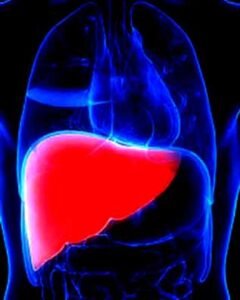
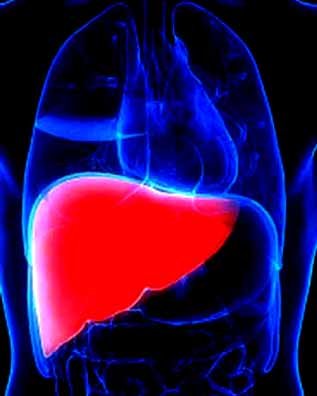
2. 8 bones are found in the human skull. 3. The smallest bone of the body is the Stapes (ear bone). 4. The largest bone of the body is the femur (thigh bone). 5. The strongest bone in the body is the jawbone (face) and the femur. 6. In humans, 12 pairs of cranial nerves and 31 pairs of spinal nerves are found. 7. The number of salivary glands in humans is three pairs. 8. Changes in urea or ammonia occur in the liver. 9. The liver plays an important role in urea formation. The liver is an excretory organ. 10. Mumps disease occurs in humans due to parotid gland infection (swelling). 11. Gastric juice comes out of the stomach. 12. A chemical called indole & skatole causes foul odour in stool. 13. Insulin is produced in the human pancreas. 14. The largest digestive gland in the body is the liver. 15. Digestive food is converted into feces in the large intestine. 16. An inorganic substance that helps to keep bones and teeth healthy is Fluoride. 17. The color of urine is due to yellow Urochrome. 18. The thyroid gland is found in the neck under the voice box. 19. The weight of water in the body is 60 – 70%. 20. Invertase converts sugars into glucose. 21. Carbohydrates provide energy to the body. 22. One gram of fat produces 9.3 kcal of energy. 23. The blood takes 20-30 seconds to circulate throughout the body. 24. The cerebrum controls all the mental functions. 25. The cerebrum controls balance for walking and standing. 26. The cerebrum is the largest part of the human brain. 27. Blood is a simple connective tissue. 28. The function of blood is to transport oxygen from the lungs to all parts of the body and to bring carbon dioxide from all parts of the body to the lungs. 29. Blood is an alkaline solution; its pH value is 7.4. 30. The amount of blood in the human body is about 7 to 8% of the body weight. ========= ========= ========= जन्तु विज्ञान से संबंधित – 227.
1. मनुष्य के शरीर मे हड्डियों की संख्या 206 तथा पसलियों की संख्या 24 होती है. 2. मनुष्य की खोपडी मे 8 हड्डियां पायी जाती हैं. 3. शरीर के सबसे छोटी हड्डी स्टेप्स (कान की हड्डी) होती है. 4. शरीर की सबसे बड़ी हड्डी फीमर (जांघ की हड्डी) होती है. 5. शरीर की सबसे मजबूत हड्डी जबड़ा की हड्डी होती है. 6. मनुष्य मे 12 जोड़ी कपाल तंत्रिकाएं और 31 जोड़ी मेरूरज्जु तंत्रिकाएं पायी जाती हैं. 7. मनुष्य मे लार ग्रंथियों की संख्या तीन जोड़ी होती है. 8. अमोनिया का यूरिया में परिवर्तन यकृत में होता है. 9. यकृत यूरिया निर्माण मे महत्वपूर्ण भूमिका निभाता है | यकृत एक उत्सर्जी अंग है. 10. पैरोटिड ग्रंथि में संक्रमण होने (फूलने) से मनुष्य में गलसुआ रोग हो जाता है. 11. जठर रस आमाशय से निकलता है. 12. मल में बदबू इंडोल तथा स्कैटोल नामक रसायनों के कारण होती है. 13. मनुष्य के अग्नयाशय मे इंसुलिन का निर्माण होता है. 14. शरीर की सबसे बड़ी पाचक ग्रंथि यकृत है. 15. वृहद आंत्र मे अपचा भोजन मल के रूप मे बदलता है. 16. हड्डियों एवं दातों को स्वस्थ रखने में सहायक अकार्बनिक पदार्थ फ्लोराइड होता है. 17. मूत्र का रंग पीला यूरोक्रोम के कारण होता है. 18. थाइराइड ग्रंथि गले में पायी जाती है. 19. शरीर मे जल का भार 60 – 70% होता है. 20. इन्वरटेज शर्करा को ग्लूकोज में बदलता है. 21. कार्बोहाइड्रेट शरीर को ऊर्जा प्रदान करती है. 22. एक ग्राम बसा से 9.3 किलो कैलोरी ऊर्जा उत्पन्न होती है. 23. शरीर में रक्त परिसंचरण में 20-30 सेकंड का समय लगता है. 24. सभी मानसिक क्रियाओं का नियंत्रण प्रमस्तिष्क (मस्तिष्क के अगले भाग) में होता है. 25. सामान्य ऐच्छिक क्रियाओं जैसे- चलना-फिरना, बोलना का नियंत्रण अनुमस्तिष्क (मस्तिष्क के पिछले भाग) मे होता है . 26. मनुष्य के मस्तिष्क का सबसे बड़ा भाग प्रमस्तिष्क होता है. 27. रक्त एक सरल संयोजी ऊतक है. 28. रूधिर का कार्य आक्सीजन को फेफड़ों से शरीर के सभी भागों में पहुंचाना तथा कार्बन डाई आक्साइड को शरीर के भागों से फेफड़े तक लाना है. 29. रक्त एक क्षारीय विलयन है, इसका PH मान 7.4 होता है. 30. मानव शरीर में रक्त की मात्रा शरीर के भार का लगभग 7 से 8% तक होती है.
|