|
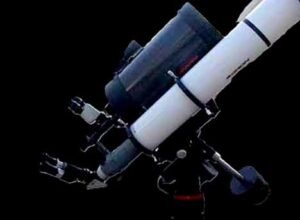
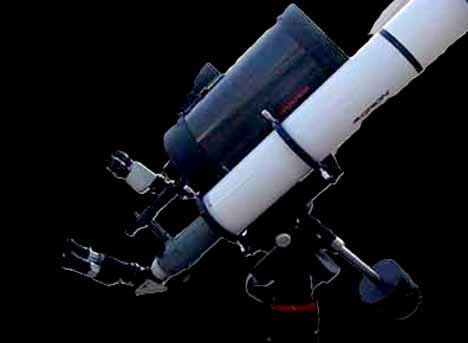
प्रकाशीय यंत्र(Optical instrument) दो प्रकार के होते है. प्रतिबिंब आधारित यंत्र (Image based instrument):- इन यंत्रों की सहायता से हम वस्तुओं को आवर्धित रूप में देख सकते है, तथा किसी सूक्ष्म संरचना का अध्ययन भी कर सकते है, जैसे:- सूक्ष्मदर्शी(Microscope) , दूरदर्शी(Telescope). इन यंत्रों के प्रमुख अवयव लेंस एवं दर्पण होते है. विश्लेषण आधारित यंत्र (Analysis based instrument):- इन यंत्रों की सहायता से वस्तुओं के प्रकाशीय गुण एवं प्रकाश की प्रकृति का अध्ययन कर सकते है,जैसे:-वर्णक्रममापी(spectrometer), व्यतिकरणमापी(Interference meter). इन यंत्रों के प्रमुख अवयव प्रिज्म(Prism), ग्रेटिंग(Grating) या दर्पण(Mirror) होता है. सूक्ष्मदर्शी (Microscope):- वह यंत्र जो सूक्ष्म वस्तुओं का बड़ा प्रतिबिम्ब बनाते हैं उसे सूक्ष्मदर्शी कहते हैं. ये दो प्रकार के होते हैं. सरल सूक्ष्मदर्शी (Simple microscope):- यह एक कम फ़ोकस दुरी का उत्तल लेंस (convex lens) होता है, जिसे आम बोलचाल की भाषा में बिल्लोरी कांच भी कहते हैं, इससे हमसभी बचपन में कार्बन जलाया करते थे. सिद्धांत(theory):- कम फ़ोकस दुरी के उत्तल लेंस (convex lens) के फोकस और प्रकाश केंद्र के बीच यदि किसी वस्तु को रख दिया जाय तो लेंस द्वारा उसका सीधा, आभासी (Virtual) एवं बड़ा प्रतिबिम्ब(Reflection) वस्तु की ओर बनता है. इसे सूक्ष्मदर्शी का उपयोग आवर्धित प्रतिबिम्ब(Magnified image) प्राप्त करने में किया जाता है. संयुक्त सूक्ष्मदर्शी (Compound microscope):- दो लेंसों के संयोग से बना होता है, जो लेंस वस्तु की ओर होता है उसे अभिदृश्यक(Requisite) लेंस कहते है, इसकी फोकस दुरी अपेक्षाकृत कम होती है. जो लेंस आँख की ओर होता है या यूँ कहे जिस आँख से हम देखते है उसे नेत्रिका लेंस(eyepiece lens) कहते हैं. इसकी फोकस दूरी अपेक्षाकृत अधिक होती है. इसमें दो प्रतिबिम्ब बनते है, वस्तु का पहला प्रतिबिम्ब(Reflection) अभिदृश्यक(Requisite) लेंस के द्वारा सूक्ष्मदर्शी के अंदर ही बन जाता है, इस कारण यह हमें दिखाई नहीं देता है, परंतु यह प्रतिबिम्ब नेत्रिका लेंस (Lenticular lens) के लिए वस्तु का कार्य करता है और नेत्रिका लेंस (eyepiece lens) इसका आवर्धित (Magnified) प्रतिबिम्ब बनाती है, जो हमें दिखाई देता है तथा, जिसे अंतिम प्रतिबिम्ब (Reflection) भी कहते है. इस सूक्ष्मदर्शी में अभिदृश्यक लेंस (Adoption lens) और नेत्रिका लेंस(eyepiece lens), दोनों लेंसों को अलग-अलग रूप से दंड चक्रीय (Fine cyclical) व्यवस्था के द्वारा एक सीमा तक आगे पीछे चलाया जा सकता है. ये दोनों लेंस एक नली के सिरों पर जुड़े होते हैं तथा यह नली एक स्टैंड पर खड़ी होती है.इसे संयुक्त सूक्ष्मदर्शी (Composite microscope) कहते हैं. इलेक्ट्रॉन सूक्ष्मदर्शी: – यह सूक्ष्मदर्शी अति सूक्ष्म वस्तु का एक लाख गुना बड़ा प्रतिबिंब(Reflection) बनाती है. दूरदर्शी या दूरबीन(Binoculars): – इस यंत्र का उपयोग दूर स्थित वस्तुओं को स्पष्ट रूप से देखने के लिए किया जाता है इसे दूरबीन या दूरदर्शी भी कहते है. ये मुख्यतः चार प्रकार की होते हैं. (1) खगोलीय दूरदर्शी (Celestial telescope) (2) पार्थिव दूरदर्शी (Terrestrial telescope) (3) गैलीलियो दूरदर्शी (Galileo telescope) (4) परावर्तक दूरदर्शी (Reflective telescope) खगोलीय दूरदर्शी (Astronomical telescope) या आकाशीय दूरदर्शी: – इसमें अभिदृश्यक लेंस, जो लेंस (lens) वस्तु (object) की ओर होता है, उसे अभिदृश्यक लेंस या (objective lens) कहते हैं. अभिदृश्यक लेंस की फोकस दुरी बहुत अधिक होती है तथा, नेत्रिका लेंस (जो लेंस नेत्र की और होता है उसे नेत्रिका (eyepiece) लेंस भी कहते है, इसकी फोकस दुरी अपेक्षाकृत बहुत ही कम होती है. इस दूरदर्शी में अभिदृश्यक लेंस बड़े व्यास वाली नली में लगा होता है, तथा नेत्रिका लेंस छोटे व्यास वाली नली में लगा होता है, तथा नेत्रिका लेंस वाली नली को एक दंड चक्रीय व्यवस्था द्वारा अभिदृश्यक लेंस वाली नली के अंदर चलाया जाता है. ========== ========= =========== Related to Physics – 233. Optical instrument
Optical instruments are of two types. Image-based instrument: – With the help of these instruments, we can see objects in magnified form, and can also study any microscopic structure, such as a microscope or a telescope. The main components of these instruments are the lens and the mirror. Analysis-based instrument: – With the help of these instruments, we can study the optical properties of objects and the nature of light, such as the spectrometer and interference meter. The main components of these instruments are a prism, a grating, or a mirror. Microscope: – The instrument that makes a big image of microscopic objects is called a microscope. These are of two types. Simple microscope:- It is a convex lens of short focal length, which is also called crystal glass in common parlance. We all used to burn carbon with it in our childhood. Theory: – If any object is placed between the focus and light center of a convex lens of short focal length, then its straight, virtual, and large reflection is formed by the lens towards the object. This microscope is used to obtain a magnified image. Compound microscope: – It is made by the combination of two lenses, the lens which is towards the object is called the objective lens, and its focal length is relatively shorter. The lens which is towards the eye, or in other words, the eye with which we see, is called the eyepiece lens. Its focal length is relatively longer. In these two images, the first image of the object is formed inside the microscope by the objective lens, due to which we cannot see it, but this image acts as an object for the lenticular lens, and the eyepiece lens forms its magnified image, which is visible to us and which is also called the final image. In this microscope, both the lenses, the objective lens and the eyepiece lens, can be moved separately to and fro to a certain limit using a fine cyclical arrangement. Both these lenses are attached to the ends of a tube, and this tube is fixed on a stand. This is called a compound microscope. Electron microscope: – This microscope forms a lakh times larger image of a very microscopic object. Telescopes: – This instrument is used to see distant objects. It is also called a telescope. There are mainly four types of these. (1) Celestial telescope (2) Terrestrial telescope (3) Galileo telescope (4) Reflective telescope Astronomical telescope or celestial telescope: – In this, the objective lens, which is towards the object, is called the objective lens. The focal length of the objective lens is very high, and the focal length of the eyepiece lens (the lens which is towards the eye is also called the eyepiece lens) is relatively very short. In this telescope, the objective lens is fitted in a tube of large diameter, and the eyepiece lens is fitted in a tube of small diameter. The tube containing the eyepiece lens is moved inside the tube containing the objective lens by a rod wheel arrangement.
|