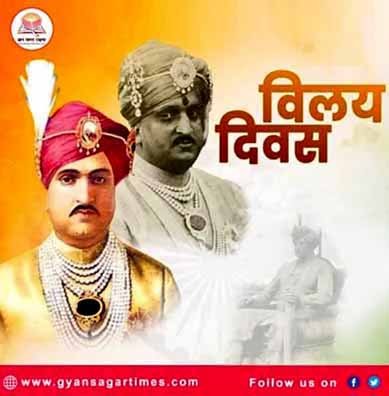
आज 26 अक्टूबर है और आज का इतिहास वर्ष 1947 के उस पन्ने को दस्तक दे रहा है जब ब्रिटिश शासन के अंत और भारत के विभाजन के बाद उत्पन्न राजनीतिक और सुरक्षा संबंधी परिस्थितियों के बाद जम्मू-कश्मीर के भारत में विलय से जुड़ा हुआ है. आज का दिन उस उस ऐतिहासिक दिन की याद दिलाता है जब वर्ष 1947 में जम्मू-कश्मीर के महाराजा हरि सिंह ने भारतीय संघ में राज्य के विलय के लिए “विलय पत्र” पर हस्ताक्षर किए थे. इस दिन के बाद जम्मू-कश्मीर आधिकारिक रूप से भारत का हिस्सा बन गया.
यह घटना 15 अगस्त, 1947 को ब्रिटिश शासन के अंत और नए भारत के उदय के समय उस वक्त की ब्रिटिश सर्कार ने भारत की रियासतों को भारत और पकिस्तान को चुनने का विकल्प मिला था. उस वक्त जम्मू के महाराजा हरी सिंह हुआ करते थे. जम्मू-कश्मीर का इतिहास और उसकी समृद्ध सांस्कृतिक व भौगोलिक विविधता के साथ-साथ सामरिक महत्व के कारण यह रियासत महत्वपूर्ण थी.
जम्मू-कश्मीर अपनी प्राकृतिक सुंदरता, ऐतिहासिक विरासत और सांस्कृतिक विविधता के लिए प्रसिद्ध है. जम्मू की धार्मिक एवं सांस्कृतिक परंपराएँ, कश्मीर की सूफी और साहित्यिक विरासत तथा लद्दाख की विशिष्ट बौद्ध और अन्य सांस्कृतिक परंपराएँ इस क्षेत्र की व्यापक पहचान का हिस्सा रही हैं. इस क्षेत्र की भाषाएँ, लोकगीत, हस्तशिल्प, पारंपरिक खान-पान और त्योहार भारतीय संस्कृति की विविधता को समृद्ध करते हैं.
स्वतन्त्रता के बाद महाराज हरी सिंह ने भारत और पाकिस्तान में शामिल होने का निर्णय नहीं लिया था दूसरी तरफ कबाइलिई लड़ाके ने आक्रमण कर दिया था. बिगड़ती स्थिति को देखते हुए महाराज हरी सिंह ने भारत से सैन्य सहायता मांगी थी. तब भारत सरकार ने विलय-पत्र पर हस्ताक्षर किए जाने के बाद सैन्य सहायता की बात कही. अंतत: 26 अक्टूबर 1947 को जम्मू-कश्मीर के महाराजा हरि सिंह ने भारतीय संघ में राज्य के विलय के लिए “विलय पत्र” पर हस्ताक्षर किए थे. उसके बाद जम्मू-कश्मीर आधिकारिक रूप से भारत का हिस्सा बन गया.
विलय पत्र के अनुसार, महाराजा हरि सिंह ने जम्मू-कश्मीर के लिए रक्षा, विदेश मामले, संचार और संचारण से संबंधित विषयों पर भारत सरकार को अधिकार दिए थे, जबकि अन्य विषयों पर राज्य की स्वायत्तता बनी रही. इस विलय ने भारत के संघीय ढांचे में जम्मू-कश्मीर के लिए विशेष दर्जा प्रदान किया, जो बाद में अनुच्छेद 370 के माध्यम से संवैधानिक रूप में मान्यता प्राप्त हुआ.
विलय के बाद जम्मू-कश्मीर का भारत के साथ संवैधानिक संबंध कई चरणों में विकसित हुआ. भारतीय संविधान में अनुच्छेद 370 के माध्यम से जम्मू-कश्मीर के लिए विशेष संवैधानिक व्यवस्था की गई थी. अगस्त 2019 में केंद्र सरकार द्वारा इस व्यवस्था में परिवर्तन किए जाने और संसद द्वारा जम्मू-कश्मीर पुनर्गठन अधिनियम पारित किए जाने के बाद राज्य का पुनर्गठन दो केंद्रशासित प्रदेशों—जम्मू-कश्मीर और लद्दाख—के रूप में हुआ.
जम्मू-कश्मीर विलय दिवस महज इक दिवस नहीं हैं बल्कि इस दिवस का वास्तविक महत्व राष्ट्रीय एकता के महत्व पर विचार करने और क्षेत्र के सभी लोगों के लिए शांति, सम्मान तथा समृद्धि की आकांक्षा को मजबूत करने में है. जम्मू-कश्मीर के इतिहास में विलय दिवस को महत्वपूर्ण स्थान दिया जाता है चूकिं आज का दिन भारत के साथ साथ राज्यों के संवैधानिक और राजनीतिक संबंधों की भी नींव रखता है.
========== ========= ===========
Accession Day of Jammu and Kashmir
Today is October 26th—a date that recalls a pivotal chapter from 1947, marking the accession of Jammu and Kashmir to India amidst the complex political and security landscape that emerged following the end of British rule and the partition of the subcontinent. This day commemorates the historic moment in 1947 when Maharaja Hari Singh, the ruler of Jammu and Kashmir, signed the “Instrument of Accession,” formalizing the state’s integration into the Indian Union. With this act, Jammu and Kashmir officially became a part of India.
Following the end of British rule and the birth of a new India on August 15, 1947, the British government had offered the princely states the choice to join either India or Pakistan. At that time, Maharaja Hari Singh was the ruler of Jammu and Kashmir—a princely state of great significance, owing to its rich cultural and geographical diversity, as well as its strategic importance.
Jammu and Kashmir is renowned for its natural beauty, historical heritage, and cultural diversity. The religious and cultural traditions of Jammu, the Sufi and literary legacy of Kashmir, and the distinct Buddhist and other cultural traditions of Ladakh collectively define the region’s multifaceted identity. Its languages, folklore, handicrafts, traditional cuisine, and festivals further enrich the diverse tapestry of Indian culture.
In the period following independence, Maharaja Hari Singh had not yet decided whether to join India or Pakistan when tribal raiders launched an invasion. Faced with a deteriorating situation, the Maharaja sought military assistance from India. The Indian government stipulated that such aid would be provided only upon the signing of an Instrument of Accession. Ultimately, on October 26, 1947, Maharaja Hari Singh signed the “Instrument of Accession,” bringing the state into the Indian Union. Consequently, Jammu and Kashmir officially became a part of India. According to the Instrument of Accession, Maharaja Hari Singh granted the Government of India authority over subjects pertaining to defense, external affairs, and communications for Jammu and Kashmir, while the state retained its autonomy over all other matters. This accession conferred a special status upon Jammu and Kashmir within India’s federal framework—a status that was subsequently granted constitutional recognition through Article 370.
Following the accession, the constitutional relationship between Jammu and Kashmir and India evolved through several stages. A special constitutional arrangement for Jammu and Kashmir was established within the Indian Constitution via Article 370. In August 2019, following changes made to this arrangement by the Central Government and the passage of the Jammu and Kashmir Reorganizations Act by Parliament, the state was reorganized into two Union Territories: Jammu and Kashmir, and Ladakh.
‘Jammu and Kashmir Accession Day’ is more than just a date on the calendar; its true significance lies in reflecting upon the importance of national unity and reinforcing the aspiration for peace, dignity, and prosperity for all the people of the region. Accession Day holds a pivotal place in the history of Jammu and Kashmir, as it laid the foundation for the constitutional and political relationship between the state and India.