|
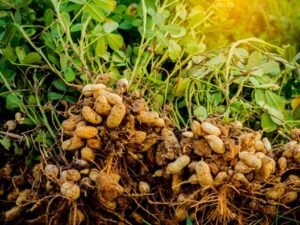
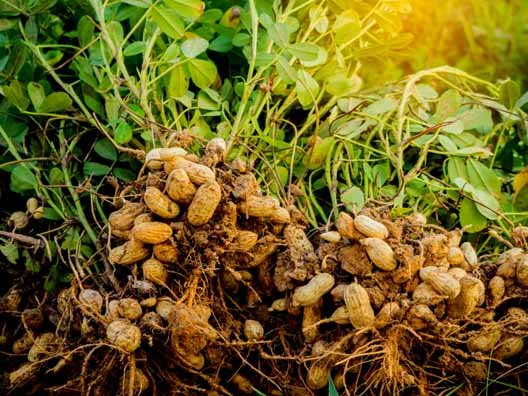
1. Lichens are made up of which two classes of plants? = Fungi and algae (or cyanobacteria). 2. In which of the following is ‘radicle’ found instead of root? = Bryophytes, Algae and Fungi. 3. Which has the most chromosomes? = Ophioglossum reticulatum. 4. Are the stem roots? = Adventitious Roots. 5. The fruit of which plant is found underground? = Peanut. 6. What is the basic unit of classification? = Species. 7. The tallest plant is? = Coast Redwood. 8. An exception to Mendel’s laws is? = Codominance, Incomplete Dominance and Linkage. 9. When the F1 generation is crossed with one of the parents, it is called? = Back Cross. 10. What is the method by which clones are produced? = Somatic cell nucleus transfer (SCNT) or asexual reproduction. 11. Bananas are seedless because they? = They are triploid and sterile in nature, due to which seeds cannot develop in them. 12. Tracheids, vessels are found in wood fibres and parenchyma? = Xylem. 13. Where are chloroplasts, mitochondria, and the nucleus located in a plant cell? = They are located in the cytoplasm within the plant cell. 14. The main component of cellulose is? = Glucose. 15. What is the cell wall made of? = Cellulose, hemicellulose, pectin and proteins. 16. Where does protein synthesis take place? = Ribosome. 17. Which tissue is responsible for secondary growth? = Lateral meristem tissue. 18. What are the plants that grow in water called? = Hydrophytes. 19. Whose flowers are pairwise symmetric or asymmetric epigynous? = Canna, Ginger and plants of the Zingiberales family. 20. Which plant’s leaves wilt when touched? = Mimosa pudica. 21. Which tissue is also well developed in xerophytes? = Vascular tissue and sclerenchyma. 22. Which vessels are found in the cortical tissue? = Latex vessels. 23. Which thickening is found in relatively large quantities on the walls of xylem tissue? = Lignin. 24. Where is the cell wall found? = Found in most plant cells, bacteria, algae, fungi, and some archaea. 25. In some xerophytes like Calotropis, what is deposited on the epidermis? = Cutin/Wax. 26. The sweetest naturally occurring sugar is? = Fructose. 27. Which plant has the smallest chromosome? = Genlisea tuberosa. 28. What type of mesophyll cells are found in the pinnate leaves of Pinus? = Folded mesophyll. 29. The world’s largest flowering plant is? = Rafflesia arnoldii. 30. The largest tree in the world? = General Sherman Tree. ========== ========= =========== वनस्पति विज्ञान से संबंधित – 249. 1. लाइकेन किन दो वर्ग के पौधों से मिलकर बने होते हैं? = कवक (Fungus) और शैवाल (Algae) (या सायनोबैक्टीरिया). 2. जड़ के स्थान पर ‘मूलाभास’ किसमें पाया जाता है? = ब्रायोफाइटा (Bryophytes), शैवाल (Algae) और कवकों (Fungi). 3. सबसे अधिक क्रोमोसोम किसमें पाए जाते हैं? = ओफियोग्लोसम रेटिकुलैटम (Ophioglossum reticulatum). 4. स्तम्भ मूल होती हैं? = अपस्थानिक जड़ें (Adventitious Roots). 5. किस पौधे का फल भूमि के नीचे पाया जाता है? = मूंगफली (Peanut). 6. वर्गीकरण की आधारीय इकाई क्या है? = जाति (Species). 7. सबसे ऊँचा पौधा है? = कोस्ट रेडवुड (Coast Redwood). 8. मेण्डल के नियमों का एक अपवाद है? = सहप्रभाविता (Codominance), अपूर्ण प्रभाविता (Incomplete Dominance) और सहलग्नता (Linkage) हैं. 9. जब F1 पीढ़ी का संकरण किसी एक जनक से कराया जाता है तो उसे कहते हैं? = प्रतीप संकरण या संकर पूर्वज क्रॉस (Back Cross). 10. क्लोन किस विधि से क्या उत्पन्न किया जाता है? = कायिक कोशिका केंद्रक स्थानांतरण (SCNT) या अलैंगिक प्रजनन (Asexual Reproduction). 11. केला बीज रहित होते हैं क्योंकि ये? = त्रिगुणित (triploid) और बंध्य (sterile) प्रकृति के होते हैं, जिससे इनमें बीज विकसित नहीं हो पाते हैं. 12. वाहिनिकाएँ, वाहिकाएँ काष्ठ तन्तु तथा मृदूतक में पाये जाते है? = जाइलम (Xylem). 13. हरित लवक, माइटोकॉन्ड्रिया, केन्द्रक पादप कोशिका में कहाँ होता है? = पादप कोशिका के भीतर कोशिकाद्रव्य (Cytoplasm) में स्थित होता हैं. 14. सेलुलोज का मुख्य घटक होता है? = ग्लूकोज (Glucose). 15. कोशिका भित्ति किससे बनी होती है? = सेल्युलोज, हेमीसेल्युलोज, पेक्टिन और प्रोटीन. 16. प्रोटीन का संश्लेषण कहाँ पर होता है? = राइबोसोम (Ribosome). 17. कौन-सा ऊतक द्वितीयक वृद्धि के लिए जिम्मेदार होता है? = पार्श्व विभज्योतक (Lateral Meristem) ऊतक. 18. जल में पनपने वाले पौधे क्या कहलाते हैं? = जलोद्भिद (Hydrophytes). 19. किसका पुष्प युग्मसंमित या असंमित इपिगाइनस होता है? = केना (Canna), अदरक (Ginger) और जिंजिबेरेलेस (Zingiberales) कुल के पौधे. 20. स्पर्श करने पर किस पौधे की पत्तियाँ मुरझा जाती हैं? = छुईमुई (मिमोसा पुडिका). 21. मरुभिदों में कौन सा ऊतक भी सुविकसित पाया जाता है? = संभावन ऊतक (vascular tissue) और दृढोतक (sclerenchyma). 22. वल्कुट ऊतक में कौन सी वाहिकाएं पाई जाती है? = क्षीर वाहिकाएं (लेटेक्स वेसल्स / Latex vessels). 23. जाइलम ऊतक की भित्तियों पर किसका स्थूलन अपेक्षाकृत अधिक मात्रा में पाया जाता है? = लिग्निन (Lignin). 24. कोशिका भित्ति कहाँ पाया जाता है? = अधिकांश पादप कोशिकाओं, जीवाणुओं, शैवाल, कवक और कुछ आर्किया में पाई जाती है. 25. कुछ मरुदभिदों जैसे केलोट्रोपिस में बाह्य त्वचा के ऊपर किसका निक्षेपण पाया जाता है? = मोम (Cutin/Wax). 26. प्राकृतिक रूप से पायी जाने वाली शर्कराओं में सबसे मीठी शर्करा होती है? = फ्रुक्टोज (Fructose). 27. सबसे छोटे गुणसूत्र वाला पौधा कौन सा है? = जेनलिसीया ट्यूबरोसा. 28. पाइनस की सूच्याकार पत्तियों में पर्ण मध्योतक की कोशिकाएँ कैसी पायी जाती हैं? = अंर्तवलित (folded mesophyll). 29. विश्व का सबसे बड़ा फूलदार पौधा है? = रैफ्लेशिया अर्नोल्डी (Rafflesia arnoldii). 30. दुनिया का सबसे विशाल वृक्ष? = जनरल शेरमन वृक्ष.
|