सत्संग की समाप्ति के बाद कुछ भक्तों ने महाराज जी से पूछा कि, महाराज जी आषाढ़ महीने के शुक्ल पक्ष की जो एकादशी होती है उस एकादशी के व्रत की महिमा व विधि के बारे में बताएं. महाराज जी सूना है कि, एकादशी के दिन ही शंखाचुड दैत्य मारा गया था.
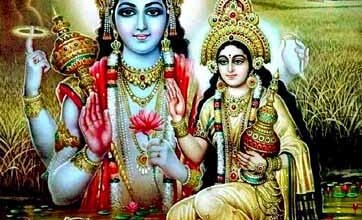
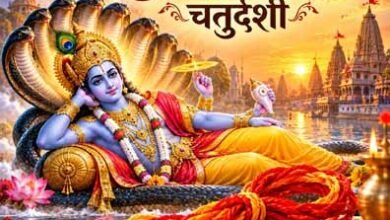
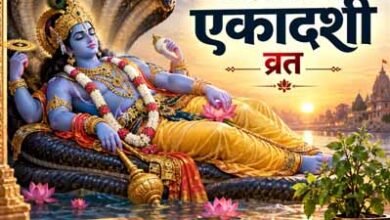
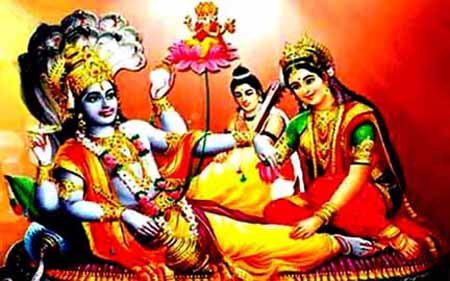
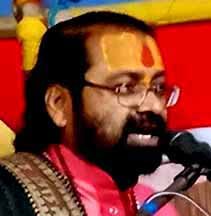 वाल व्यास सुमन जी महाराज कहते हैं कि, हिंदी वर्ष के चौथे महीने को आषाढ़ माह के नाम से जानते हैं इस महीने के नक्षत्र पूर्वाषाढ़ और उत्तराषाढ होता है और इस महीने में चन्द्रमा इन्ही नक्षत्रों में रहता है. आषाढ़ का महीना बड़ा ही पावन, पवित्र और पुण्यदायी होता है. महाराज जी कहते हैं कि, आषाढ़ महीने के शुक्ल पक्ष की जो एकादशी होती है उस एकादशी का नाम देवशयनी या पद्मनाभ एकादशी कहते हैं. सूर्य के मिथुन राशि में आने पर ये एकादशी आती है, और इसी दिन से चातुर्मास का भी आरंभ माना जाता है. इस दिन से भगवान श्री हरि विष्णु क्षीरसागर में शयन (सोते) करते हैं, लगभग चार माह बाद तुला राशि में सूर्य के जाने पर उन्हें जगाया जाता है, उस दिन को देवोत्थानी एकादशी भी कहा जाता है. इस बीच के अंतराल को ही चातुर्मास कहा जाता है.
महाराज जी कहते हैं कि, पौराणिक ग्रन्थों के अनुसार, श्री हरि विष्णु इसी दिन से चार महीने (चातुर्मास) तक पाताल के राजा बलि के द्वार पर निवास करके कार्तिक शुक्ल पक्ष एकादशी को लौटते हैं, इस दिन को ‘देवशयनी’ तथा कार्तिक शुक्लपक्ष एकादशी को प्रबोधनी एकादशी कहा जाता है. इस समय जितने भी शुभ कर्म है, वे सभी त्याज्य होते हैं. संस्कृत के धार्मिक साहित्यानुसार हरि शब्द सूर्य, चन्द्रमा, वायु, विष्णु आदि अनेक अर्थो में प्रयुक्त होता है. हरिशयन का तात्पर्य(मतलब) इन चार माह में बादल और वर्षा के कारण सूर्य-चन्द्रमा का तेज क्षीण हो जाना उनके शयन का ही दोत्यक होता है. इस समय में पित्त स्वरूप अग्नि की गति शांत हो जाने के कारण शरीर की शक्ति भी क्षीण या सो जाती है. वैज्ञानिकों के अनुसार चातुर्मास्य में (मुख्यतः वर्षा ऋतु में) विविध प्रकार के कीटाणु अर्थात सूक्ष्म रोग उत्पन्न हो जाते हैं, जल की बहुलता और सूर्य-तेज का भूमि पर अति अल्प प्राप्त होना ही इनका प्रमुख कारण होता है.
महाराज जी कहते हैं कि, नारदजी ने एक बार श्री नारायण से पूछा कि, भगवन मुझे एकादशी के महात्यम के बारे में बताने की कृपा करें- तब श्री नारायण ने कहा कि- मुने यह एकादशी व्रत देवताओं के लिए भी दुर्लभ है यह श्रीकृष्णप्रीति का जनक तथा तपस्वियों का श्रेष्ठ तप है. जैसे देवताओं में श्रीकृष्ण, देवियों में प्रकृति, वर्णों में ब्राह्मण तथा वैष्णवों में भगवान शिव श्रेष्ठ है उसी प्रकार व्रतों में एकादशी व्रत श्रेष्ठ होता है. महाराजजी कहते हैं कि, ब्रह्मवैवर्त पुराण में देवशयनी एकादशी के विशेष माहात्म्य का वर्णन किया गया है. इस व्रत से प्राणी की समस्त मनोकामनाएँ पूर्ण होती हैं और साधक के सारे पाप नष्ट हो जाते हैं. यदि साधक चातुर्मास व्रत का पालन विधिपूर्वक करता है तो उसे महाफल प्राप्त होता है. महाराजजी कहते हैं कि, धार्मिक ग्रंथो के अनुसार आषाढ़ शुक्ल पक्ष में एकादशी तिथि को शंखासुर दैत्य मारा गया था. अत: उसी दिन से आरम्भ करके भगवान चार मास तक क्षीर समुद्र में शयन करते हैं, और कार्तिक शुक्ल एकादशी को जागते हैं. पुराण के अनुसार भी यह कहा गया है कि, भगवान श्रीहरि ने वामन रूप में दैत्य बलि के यज्ञ में तीन पग धरती दान के रूप में मांगे, भगवान ने पहले पग में संपूर्ण पृथ्वी, आकाश और सभी दिशाओं को ढक लिया, दुसरे पग में सम्पूर्ण स्वर्ग लोक ले लिया, और तीसरे पग में बलि ने अपने आप को समर्पित करते हुए सिर पर पग रखने के लिए कहा. इस प्रकार के दान से भगवान ने प्रसन्न होकर पाताल लोक का अधिपति बना दिया और कहा वर मांगो, बलि ने वर मांगते हुए कहा कि भगवान आप मेरे महल में नित्य निवास करें. बलि के बंधन में बंधा देख उनकी भार्या लक्ष्मी ने बलि को ही अपना भाई बना लिया और भगवान से बलि के वचन से मुक्त करने का अनुरोध किया. इसी दिन से भगवान विष्णुजी द्वारा वर का पालन करते हुए तीनों देवता 4-4 माह सुतल में निवास करते हैं.
पूजन सामाग्री: –
वेदी, कलश, सप्तधान, पंच पल्लव, रोली, गोपी चन्दन, गंगा जल, दूध, दही, गाय के घी का दीपक, सुपाड़ी, शहद, पंचामृत, मोगरे की अगरबत्ती, ऋतू फल, फुल, आंवला, अनार, लौंग, नारियल, नीबूं, नवैध, केला और तुलसी पत्र व मंजरी.
एकादशी व्रतविधि: –
एकादशी के दिन प्रातःकाल जागें, इसके बाद घर की साफ-सफाई तथा नित्य कर्म से निवृत्त होकर, स्नान कर पवित्र जल का घर में छिड़काव करें. घर के पूजन स्थल अथवा किसी भी पवित्र स्थल पर प्रभु श्री हरि विष्णु की सोने, चाँदी, तांबे अथवा पीतल की मूर्ति की स्थापना करें, उसके बाद उनका षोड्शोपचार सहित पूजन करें. इसके बाद भगवान विष्णु को पीतांबर आदि से विभूषित करें, तत्पश्चात व्रत कथा भी सुननी चाहिए, इसके बाद आरती कर प्रसाद वितरण करें. अंत में सफेद चादर से ढँके गद्दे-तकिए वाले पलंग पर श्री विष्णु को शयन कराना चाहिए. जो व्यक्ति इन चार महीनों के लिए अपनी रुचि अथवा अभीष्ट के अनुसार नित्य व्यवहार के पदार्थों का त्याग और ग्रहण करना चाहिए. देह शुद्धि या सुंदरता के लिए परिमित प्रमाण के पंचगव्य का, वंश वृद्धि के लिए नियमित दूध का, सर्वपापक्षयपूर्वक सकल पुण्य फल प्राप्त होने के लिए एकमुक्त, नक्तव्रत, अयाचित भोजन या सर्वथा उपवास करने का व्रत ग्रहण करना चाहिए.
ध्यान दें…. एकादशी की रात्री को जागरण अवश्य ही करना चाहिए, दुसरे दिन द्वादशी के दिन सुबह ब्राह्मणो को अन्न दान व दक्षिणा देकर इस व्रत को संपन्न करना चाहिए.
अवश्य त्याग करें: –
मधुर स्वर के लिए गुड़ का, दीर्घायु अथवा पुत्र-पौत्रादि की प्राप्ति के लिए तेल का, शत्रुनाशादि के लिए कड़वे तेल का, सौभाग्य के लिए मीठे तेल का, स्वर्ग प्राप्ति के लिए पुष्पादि भोगों का, प्रभु शयन के दिनों में सभी प्रकार के मांगलिक कार्य जहाँ तक हो सके नहीं करना चाहिए. पलंग पर सोना, पत्नी का संग करना, झूठ बोलना, मांस, शहद और दूसरे का दिया दही-भात आदि, भोजन करना, मूली, पटोल एवं बैंगन आदि का भी त्याग कर देना चाहिए.
कथा: –
देवऋषि नारदजी ने ब्रह्माजी से इस एकादशी के विषय में जानने की उत्सुकता प्रकट की, तब ब्रह्माजी ने उन्हें बताया कि, सतयुग में मांधाता नामक एक चक्रवर्ती सम्राट राज्य करते थे. उनके राज्य में प्रजा बहुत सुखी थी. किंतु भविष्य में क्या हो जाए, यह कोई भी नहीं जानता था. अतः वे भी इस बात से अनभिज्ञ थे कि, उनके राज्य में शीघ्र ही भयंकर अकाल पड़ने वाला है. उनके राज्य में पूरे तीन वर्ष तक वर्षा न होने के कारण भयंकर अकाल पड़ा. इस दुर्भिक्ष (अकाल) से चारों ओर त्राहि-त्राहि मच गई, धर्म पक्ष के यज्ञ, हवन, पिंडदान, कथा-व्रत आदि की भी कमी हो गई, जब भी मुसीबत पड़ती है तो, धार्मिक कार्यों में मानव की रुचि कहाँ रह जाती है. प्रजा ने राजा के पास जाकर अपनी वेदना प्रकट की और दुहाई दी.
राजा तो इस स्थिति को लेकर पहले से ही दुःखी थे, वे सोचने लगे कि आखिर मैंने ऐसा कौन- सा पाप-कर्म किया है, जिसका दंड मुझे इस रूप में मिल रहा है? फिर इस कष्ट से मुक्ति पाने का कोई साधन करने के उद्देश्य से राजा सेना को लेकर जंगल की ओर चल दिए, वहाँ विचरण करते-करते एक दिन वे ब्रह्माजी के पुत्र अंगिरा ऋषि के आश्रम में पहुँचे और उन्हें साष्टांग प्रणाम किया. ऋषिवर ने आशीर्वचनोपरांत कुशल क्षेम पूछा, और फिर जंगल में विचरने व अपने आश्रम में आने का प्रयोजन जानना चाहा. तब राजा ने हाथ जोड़कर कहा, ‘महात्मन्’ सभी प्रकार से धर्म का पालन करता हुआ मैं भी अपने राज्य में दुर्भिक्ष का दृश्य देख रहा हूँ. आखिर किस कारण से ऐसा हो रहा है, कृपया इसका समाधान करें.’ यह सुनकर महर्षि अंगिरा ने कहा, ‘हे राजन सब युगों से सबसे उत्तम यह सतयुग है, इसमें छोटे से पाप का भी बड़ा भयंकर दंड मिलता है.
इसमें धर्म अपने चारों चरणों में व्याप्त होता है, ब्राह्मण के अतिरिक्त किसी अन्य जाति को तप करने का अधिकार नहीं है, जबकि आपके राज्य में एक शूद्र तपस्या कर रहा है, यही कारण है कि आपके राज्य में वर्षा नहीं हो रही है. जब तक वह काल को प्राप्त नहीं होगा, तब तक यह अकाल शांत नहीं होगा. अकाल की शांति उसे मारने से ही संभव है.’ किंतु राजा का हृदय एक नरपराधशूद्र तपस्वी का शमन करने को तैयार नहीं हुआ. उन्होंने कहा ‘हे देव मैं उस निरपराध को मार दूँ, यह बात मेरा मन स्वीकार नहीं कर रहा है, कृपा करके आप कोई और उपाय बताएँ.’ महर्षि अंगिरा ने कहा कि, ‘आषाढ़ माह के शुक्लपक्ष की एकादशी का व्रत करें, इस व्रत के प्रभाव से अवश्य ही वर्षा होगी.’ राजा अपने राज्य की राजधानी लौट आए और चारों वर्णों सहित पद्मा एकादशी का विधिपूर्वक व्रत किया. व्रत के प्रभाव से उनके राज्य में मूसलधार वर्षा हुई और पूरा राज्य धन-धान्य से परिपूर्ण हो गया.
एकादशी का फल: –
एकादशी प्राणियों के परम लक्ष्य, भगवद भक्ति, को प्राप्त करने में सहायक होती है. यह दिन प्रभु की पूर्ण श्रद्धा से सेवा करने के लिए अति शुभकारी एवं फलदायक माना गया है. इस दिन व्यक्ति इच्छाओं से मुक्त हो कर यदि शुद्ध मन से भगवान की भक्तिमयी सेवा करता है तो वह अवश्य ही प्रभु की कृपापात्र बनता है.
वाल व्यास सुमन जी महाराज,
महात्मा भवन,श्रीरामजानकी मंदिर,
राम कोट,अयोध्या.
सम्पर्क:- 8709142129.
========== ========= ===========
Devshayani or Padmanabha Ekadashi…
After the satsang (spiritual gathering) concluded, some devotees asked Maharaj Ji to explain the significance and observance rituals of the Ekadashi that falls during the bright fortnight (“Shukla Paksha”) of the month of Ashadha. They mentioned having heard that the demon Shankhachuda was slain on this very day.
Vaal Vyas Suman Ji Maharaj explains that Ashadha is the fourth month of the Hindu calendar; the “nakshatras” (constellations) associated with this month are Purvashadha and Uttarashadha, and the moon resides within these constellations during this period. The month of Ashadha is considered extremely sacred, pure, and spiritually meritorious. Maharaj Ji states that the Ekadashi falling in the bright fortnight of Ashadha is known as Devshayani or Padmanabha Ekadashi. This Ekadashi occurs when the Sun enters the Gemini (“Mithuna”) zodiac sign, and it marks the beginning of “Chaturmas” (the four-month holy period). From this day onwards, Lord Shri Hari Vishnu enters a state of slumber (“shayana”) in the “Kshir Sagar” (Ocean of Milk); He is awakened approximately four months later when the Sun moves into the Libra (“Tula”) sign—a day known as Devutthani Ekadashi. The intervening period is referred to as “Chaturmas”.
Maharaj Ji notes that, according to Puranic scriptures, Shri Hari Vishnu resides at the abode of King Bali in the netherworld (“Patala”) for these four months (“Chaturmas”) and returns on the Ekadashi of the bright fortnight of the month of Kartik; the former day is called ‘Devshayani,’ while the latter is known as ‘Prabodhini Ekadashi.’ During this period, the performance of auspicious ceremonies is generally avoided. According to Sanskrit religious literature, the word ‘Hari’ carries multiple meanings, including the Sun, the Moon, the Wind, and Lord Vishnu. The term ‘Harishayan’ (Hari’s slumber) signifies the period when the radiance of the Sun and Moon diminishes due to clouds and rainfall—symbolizing a state of rest or slumber. During this time, as the activity of the “Pitta” element (associated with the fire principle) subsides, the body’s vitality also wanes or enters a dormant state. According to scientists, various types of germs—or microscopic pathogens—proliferate during “Chaturmas” (primarily the monsoon season); the primary causes for this are the abundance of water and the minimal exposure of the earth to the sun’s rays.
Maharaj Ji recounts that Narada once asked Shri Narayana to explain the significance of “Ekadashi”. Shri Narayana replied, “O Sage, this “Ekadashi” vow is rare even for the gods; it fosters love for Shri Krishna and represents the supreme penance for ascetics. Just as Shri Krishna is supreme among gods, Prakriti among goddesses, the Brahmin among the “Varnas” (social orders), and Lord Shiva among Vaishnavas, so too is the “Ekadashi” vow supreme among all religious observances.” Maharaj Ji notes that the “Brahmavaivarta Purana” describes the special significance of “Devshayani Ekadashi”. Observing this vow fulfills all the devotee’s desires and eradicates all their sins. If a seeker observes the “Chaturmas” vow according to the prescribed rituals, they reap immense spiritual rewards. Maharaj Ji explains that, according to religious scriptures, the demon Shankhasura was slain on the “Ekadashi” of the bright fortnight (“Shukla Paksha”) of the month of “Ashadha”. Consequently, starting from that day, the Lord sleeps in the “Kshir Sagar” (Ocean of Milk) for four months, awakening on the “Ekadashi” of the bright fortnight of “Kartik”. The “Puranas” also recount how Lord Shri Hari, in His Vamana avatar, asked the demon King Bali for a gift of land measuring three paces. With the first place, the Lord covered the entire earth, the sky, and all directions; with the second, He encompassed the entire celestial realm (“Svarga Loka”); and for the third pace, Bali surrendered himself, offering his own head for the Lord to place His foot upon. Pleased by this offering, the Lord appointed Bali as the ruler of “Patala Loka” (the netherworld) and granted him a boon. Bali requested that the Lord reside permanently in his palace. Seeing Bali bound by this promise, Goddess Lakshmi—the Lord’s consort—accepted Bali as her brother and entreated the Lord to release him from his vow. From this day onwards, in accordance with the boon granted by Lord Vishnu, the three deities reside in “Sutal” for four months each.
Worship Materials: –
Altar (“vedi”), sacred pot (“kalash”), seven types of grains (“saptadhan”), five types of sacred leaves (“panch pallav”), vermilion (“roli”), Gopi Chandan, Ganga water, milk, curd, cow’s ghee lamp, betel nut, honey, “Panchamrit”, jasmine-scented incense sticks, seasonal fruits, flowers, Indian gooseberry (“amla”), pomegranate, cloves, coconut, lemon, ritual food offering (“naivedya”), bananas, and Tulsi leaves and inflorescence (“manjari”).
Ekadashi Vrat Procedure: –
Wake up early on the morning of Ekadashi. After completing daily chores and bathing, sprinkle holy water throughout the house. Install an idol of Lord Shri Hari Vishnu—made of gold, silver, copper, or brass—at the home shrine or any sacred place, and worship Him with the “Shodashopachara” (sixteen-step ritual) method. Adorn Lord Vishnu with yellow garments (“Pitambar”), listen to the “Vrat Katha” (fasting narrative), perform “Aarti”, and distribute “Prasad”. Finally, place the idol of Shri Vishnu to rest on a bed prepared with a mattress and pillows covered in a white sheet. For the duration of these four months, one should choose to either abstain from or adopt specific daily habits based on personal preference or desired outcomes. One may take vows such as consuming “Panchagavya” in measured quantities for bodily purity or beauty, drinking milk regularly for the continuation of the lineage, or observing practices like “Ekamukta” (eating once a day), “Nakta-vrat” (eating only at night), “Ayachita” (eating only what is offered without asking), or a complete fast to cleanse all sins and attain the fruits of all meritorious deeds.
Note: – One must observe a vigil (“Jagaran”) on the night of Ekadashi. The fast should be concluded the following day—Dwadashi—by offering food (“Anna-dan”) and “Dakshina” (honorarium) to Brahmins.
Things to Abstain From: –
Abstain from jaggery (for a melodious voice), oil (for longevity or progeny), bitter oil (to overcome enemies), sweet oil (for good fortune), and sensory pleasures like flowers (to attain heaven). As far as possible, avoid all auspicious ceremonies during the period when the Lord is in slumber (“Dev-Shayan”). One must also abstain from sleeping on a bed, marital intimacy, lying, consuming meat, honey, or curd-rice offered by others, as well as eating radish, pointed gourd (“Patol”), and eggplant (“Brinjal”).
The Story: –
The celestial sage Narada expressed a desire to learn about this Ekadashi from Lord Brahma. Brahma then told him that during the Satya Yuga, a universal monarch named Mandhata ruled the land. His subjects were very happy, yet no one knew what the future held; thus, the king was unaware that a terrible famine was soon to strike his kingdom. A severe famine ensued because there was no rainfall for three whole years. This calamity caused widespread distress and outcry; religious observances—such as “yagnas” (sacrificial rituals), “havans” (fire rituals), “pind-dan” (offerings to ancestors), and the listening to sacred narratives or fasting—declined, for when adversity strikes, people naturally lose interest in religious activities. The subjects approached the king, voicing their anguish and pleading for relief.
The king was already deeply distressed by the situation. He wondered what sinful act he could have committed to warrant such a punishment. Seeking a way to alleviate this suffering, he set out for the forest with his army. While wandering there, he arrived at the ashram of Sage Angira—the son of Lord Brahma—and offered his prostrate obeisance. After bestowing blessings and inquiring about the king’s well-being, the sage asked the reason for his wandering in the forest and his visit to the ashram. With folded hands, the king said, “O Great Soul, despite my diligent observance of “Dharma” (righteousness) in every respect, I am witnessing a famine in my kingdom. Please explain the cause of this and provide a solution.” Hearing this, Maharshi Angira replied, “O King, the Satya Yuga is the most exalted of all eras; in this age, even a minor sin incurs a severe punishment.” In this era, Dharma prevails in all its four stages; no caste other than the Brahmin has the right to perform penance, yet a Shudra is practicing penance in your kingdom—which is the reason why there is no rainfall. This drought will not end until he meets his death; the drought can only be resolved by killing him. However, the king’s heart could not bring itself to kill an innocent Shudra ascetic. He said, “O Divine One, my conscience refuses to accept the idea of killing an innocent man; please suggest another remedy.” Maharshi Angira replied, “Observe the fast of “Ekadashi” during the bright fortnight of the month of “Ashadha”; through the power of this fast, rain will certainly fall.” The king returned to his capital and, along with the people of all four “varnas”, observed the “Padma Ekadashi” fast according to the prescribed rituals. As a result of the fast, torrential rain fell in his kingdom, and the entire realm became prosperous and abundant with wealth and grain.
The Results of Ekadashi: –
Ekadashi aids in attaining the ultimate goal of living beings—devotion to the Lord (Bhagavad-bhakti). This day is considered highly auspicious and spiritually rewarding for serving the Lord with complete faith and sincerity. If, on this day, an individual engages in devotional service to the Lord with a pure heart and a mind free from worldly desires, they undoubtedly become a recipient of the Lord’s grace.
Val Vyas Suman Ji Maharaj,
Mahatma Bhavan, Shri Ram Janaki Mandir,
Ram Kot, Ayodhya.
Contact: – 8709142129.