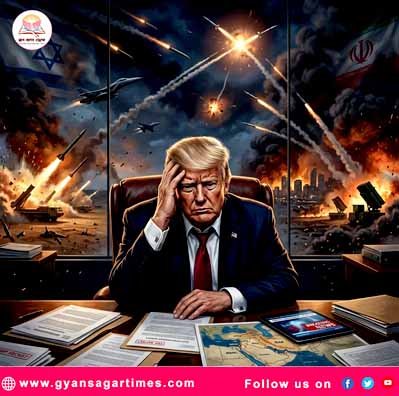
भारतवर्ष के बुजुर्ग एक कहावत कहते हैं ” कहीं पे निगाहें कहीं पे निशाना ” जो वर्तमान समय के भू-राजनीतिक परिदृश्य में अमेरिका, इज़राइल और ईरान के बीच जो त्रिकोणीय संघर्ष चल रहा है उस पर यह सटीक बैठता है. बताते चलें कि, फरवरी 2026 के अंतिम सप्ताह में, जब दुनिया की निगाहें ओमान और जिनेवा में चल रहे अमेरिका-ईरान परमाणु वार्ता पर टिकी थीं, वहीं अमेरिका और इजराइल ने ईरान पर बड़े पैमाने पर सैन्य हमले शुरू कर दिए. यह हमला महज एक सैन्य कार्रवाई नहीं था, बल्कि एक राजनीतिक संदेश था कि कूटनीति की निगाहें जहां हैं, वारहेड का निशाना कहीं और है.
दशकों पुराने ‘छद्म युद्ध’ को सीधे टकराव में बदल दिया है. बताते चलें कि, यह हमला अचानक नहीं हुआ है बल्कि, कई महीनों की सैन्य तैयारी और असफल कूटनीति का परिणाम है ये युद्ध. ज्ञात है कि, जनवरी 2026 से ही अमेरिका ईरान के चारों ओर अपनी सैन्य उपस्थिति बढ़ा रहा था, जिसमें दो विमानवाहक पोत समूह और एफ-22 लड़ाकू विमानों की तैनाती शामिल थी. व्हाइट हाउस के अंदर यह रणनीतिक बहस चल रही थी कि हमले का नेतृत्व कौन करेगा? वहीं, कुछ अधिकारियों का मानना था कि राजनीतिक रूप से यह बेहतर होगा कि इजराइल पहले हमला करे और ईरान की जवाबी कार्रवाई के बाद अमेरिका युद्ध में उतरे. अंततः संयुक्त अभियान का ही रास्ता चुना गया.
जिनेवा में चल रहे परमाणु वार्ता के दौरान ईरान ने एक प्रस्ताव रखा, जिसे अमेरिकी वार्ताकारों स्टीव विटकॉफ और जेरेड कुशनर ने निराशाजनक बताया. दूसरी तरफ अमेरिका के अनुसार, ईरान ने संवर्धित यूरेनियम को कम करने या स्थानांतरित करने पर कोई ठोस रियायत नहीं दी. इसी ‘राजनयिक विफलता’ के बहाने अमेरिका ने अपना रुख सख्त कर लिया और ‘बातचीत के भीतर दबाव’ की नीति को ‘दबाव के भीतर युद्ध’ में बदल दिया. एक तरफ अमेरिकी राष्ट्रपति डोनाल्ड ट्रम्प ने इन हमलों को “ईरान के मिसाइल उद्योग को ध्वस्त करने और उसकी नौसेना को नष्ट करने” का अभियान बताया तो दूसरी तरफ इजराइली प्रधानमंत्री बेंजामिन नेतन्याहू ने इसे “अस्तित्वगत खतरे को खत्म करने” की संज्ञा दी. विशेषज्ञों के अनुसार इन हमलों का असली उद्देश्य केवल सैन्य क्षमताओं को कमजोर करना नहीं, बल्कि “शासन परिवर्तन” है. वहीं, चीनी सैन्य विशेषज्ञ के अनुसार, ईरान की कूटनीतिक अलगाव और आंतरिक आर्थिक दबाव ने अमेरिका को यह सोचने का मौका दिया कि यह शासन परिवर्तन के लिए एक दुर्लभ सामरिक अवसर है. ट्रम्प ने अपने संदेश में ईरानियों से सीधे अपील की कि वे “अपनी सरकार पर कब्जा कर लें”, जो इस इरादे को स्पष्ट करता है कि इन हमलों में ईरान के सर्वोच्च नेता अयातुल्ला अली खामेनई को निशाना बनाया गया और प्रारंभिक रिपोर्टों के अनुसार वह मारे गए. इस हमले में अयातुल्ला अली खामेनई के अलावा कई वरिष्ठ सैन्य और राजनीतिक नेताओं के मारे जाने की खबर है, जिससे ईरानी नेतृत्व ढांचे में एक बड़ा शून्य पैदा हो गया है.
इस त्रिकोणीय संघर्ष में अमेरिका और इजराइल एक साथ ईरान पर हमला कर रहें लेकिन, दोनों देशों की प्राथमिकताएं भी अलग-अलग है. एक तरफ अमेरिका का मुख्य फोकस ईरान को परमाणु हथियार विकसित करने से रोकना है तो दुरी तरफ इजराइल के लिए ईरान का बैलिस्टिक मिसाइल भंडार और सटीक-हमला क्षमता अधिक तात्कालिक खतरा है. इसके अलावा, अमेरिका ईरान के रूस और उत्तर कोरिया के साथ बढ़ते सैन्य सहयोग को भी भंग करना चाहता है, जो इस हमले का एक व्यापक वैश्विक आयाम भी है.
सैन्य विशेषज्ञों के अनुसार, वर्तमान चरण में जमीनी युद्ध की संभावना नहीं है. अमेरिका और इजराइल हवाई हमलों पर निर्भर हैं ताकि इराक और अफगानिस्तान जैसे लंबे युद्धों में न फंसें चूकिं, ईरान की पहाड़ी भौगोलिक स्थिति और उसकी वायु रक्षा प्रणाली को देखते हुए, हवाई हमले ही मुख्य हथियार हैं. इस हमले में तेहरान, इस्फहान, क़ोम और तबरेज़ सहित कई शहरों में स्थित सैन्य प्रतिष्ठानों, रक्षा मंत्रालय, खुफिया मंत्रालय और परमाणु सुविधाओं को निशाना बनाया गया. वहीं , ईरान ने भी जवाबी कार्रवाई शुरू कर दी है. ईरान ने इज़राइल और खाड़ी देशों में स्थित अमेरिकी ठिकानों पर मिसाइल और ड्रोन हमले किए. विशेषज्ञों के अनुसार, ईरान हूती विद्रोहियों और अन्य प्रॉक्सी ताकतों को भी सक्रिय कर सकता है वहीं चीनी विशेषज्ञों के अनुसार, कि ईरान के पास हार्मुज जलडमरूमध्य को पूरी तरह बंद करने की क्षमता नहीं है, क्योंकि अमेरिकी नौसेना उसे ऐसा करने से रोक सकती है.
इस त्रिकोणीय संघर्ष ने मध्य पूर्व को एक नए संकट में धकेल दिया है. बताते चलें कि, हार्मुज जलडमरूमध्य, जो वैश्विक तेल आपूर्ति का एक महत्वपूर्ण मार्ग है, अब रणनीतिक तनाव के केंद्र में है. तेल की कीमतों में अस्थिरता पहले ही देखी जा रही है, जिससे यूरोप और एशिया में मुद्रास्फीति बढ़ सकती है. रूस और चीन ने इन हमलों की निंदा की है, लेकिन उनके पास ठोस कार्रवाई के सीमित विकल्प हैं. दूसरी तरफ, सऊदी अरब ने प्रभावित देशों के साथ एकजुटता व्यक्त की है, लेकिन यह स्पष्ट कर दिया है कि वह अपने क्षेत्र या हवाई क्षेत्र का उपयोग ईरान पर हमलों के लिए नहीं करने देगा. यह खाड़ी देशों की दुविधा को भी दर्शाता है. एक तरफ अमेरिकी सुरक्षा छत्र चाहते हैं वहीं, दूसरी तरफ वे सीधे टकराव में फंसना भी नहीं चाहते है. चीनी सैन्य विशेषज्ञों का मानना है कि, ये हमले “अमेरिका-इजराइल धुरी” को मजबूत करेंगे और इजराइल को मध्य पूर्व में और अधिक प्रभुत्व स्थापित करने में भी मदद करेंगे. दूसरी तरफ, सीरिया और वेनेजुएला की घटनाओं के बाद, ईरान पर यह हमला वैश्विक स्तर पर अमेरिका विरोधी ताकतों के कमजोर होने का एक और संकेत भी माना जा रहा है.
अंतरराष्ट्रीय कानून के विद्वान के अनुसार, ये हमले संयुक्त राष्ट्र चार्टर के अनुच्छेद 2(4) का स्पष्ट उल्लंघन हैं, जो किसी राज्य की क्षेत्रीय अखंडता के खिलाफ बल प्रयोग पर रोक लगाता है. वहीं, ईरान ने अमेरिका या इजराइल पर कोई सशस्त्र हमला नहीं किया था, इसलिए आत्मरक्षा का अधिकार (अनुच्छेद 51) भी लागू नहीं होता है. मानवीय दृष्टिकोण से, इन हमलों में नागरिक हताहतों की खबरें हैं. सबसे विवादास्पद घटनाओं में से एक है मीनाब में एक लड़कियों के स्कूल पर बमबारी, जिसमें न्यूयॉर्क टाइम्स की रिपोर्ट के अनुसार कम से कम 158 छात्राएं मारी गईं.
“कहीं पे निगाहें कहीं पे निशाना” की नीति खतरनाक है क्योंकि इसमें गलतफहमी की गुंजाइश बहुत अधिक है. यह संघर्ष केवल एक सैनिक कार्रवाई नहीं है, बल्कि मध्य पूर्व में एक नए क्षेत्रीय ढांचे के निर्माण का भी प्रयास है, जिसमें केंद्रीय भूमिका में इजराइल होगा. चूकिं,फिलिस्तीनी मुद्दा इस नए ढांचे में एक बाधा के रूप में देखा जा रहा है, और इसीलिए उसे एक राष्ट्रीय मुक्ति संघर्ष से घटाकर एक मानवीय-राहत फाइल में बदलने की कोशिश की जा रही है. लेकिन सवाल यह है कि क्या सैन्य बल से बनाया गया यह नया मध्य पूर्व टिकाऊ होगा? इतिहास गवाह है कि जबरन थोपे गए समाधान अक्सर अल्पकालिक साबित होते हैं. ईरान के पास जवाबी कार्रवाई की क्षमता है और उसके प्रॉक्सी नेटवर्क अभी भी सक्रिय हैं. यह युद्ध खत्म नहीं हुआ है, बल्कि यह एक नए और अधिक खतरनाक चरण में प्रवेश कर गया है.यदि यह युद्ध लंबा खिंचता है, तो निशाना केवल ईरान नहीं होगा, बल्कि वैश्विक शांति और आर्थिक स्थिरता भी इसकी चपेट में आएगी. यह संघर्ष केवल “कौन किसे हराएगा” का सवाल नहीं है, बल्कि यह तय करेगा कि आने वाले दशक में वैश्विक ऊर्जा, व्यापार और शक्ति संतुलन किसके हाथ में होगा..?
========== ========= ===========
Kaheen pe nigaahen kaheen pe nishaana…
Indian elders have a saying, “Eyes on one thing, target on another,” which aptly fits the triangular conflict between the US, Israel, and Iran in the current geopolitical landscape. It should be noted that in the last week of February 2026, while the world’s attention was focused on the US-Iran nuclear talks in Oman and Geneva, the US and Israel launched a massive military attack on Iran. This attack was not merely a military action, but a political message that while diplomatic eyes are focused, warheads are aimed elsewhere.
It has transformed a decades-old “proxy war” into a confrontation. It should be noted that this attack was not a sudden incident, but the result of months of military preparation and failed diplomacy. It is known that since January 2026, the US has been increasing its military presence around Iran, including the deployment of two aircraft carrier groups and F-22 fighter jets. A strategic debate was underway within the White House over who would lead the attack. Some officials believed it would be politically preferable for Israel to strike first, and for the US to enter the war after Iran retaliated. Ultimately, a joint operation was chosen.
During the ongoing nuclear talks in Geneva, Iran put forward a proposal that US negotiators Steve Witkoff and Jared Kushner described as disappointing. Meanwhile, according to the US, Iran offered no concrete concessions regarding the reduction or transfer of enriched uranium. Using this “diplomatic failure,” the US hardened its stance, transforming its policy from “pressure within negotiations” to “war within pressure.”. On one hand, US President Donald Trump characterized these attacks as a campaign to “dismantle Iran’s missile industry and destroy its navy,” while on the other, Israeli Prime Minister Benjamin Netanyahu termed it the elimination of an “existential threat.” According to experts, the true objective of these attacks is not merely to degrade military capabilities, but to effect “regime change.” Meanwhile, according to a Chinese military expert, Iran’s diplomatic isolation and internal economic pressures provided the US with the opportunity to view this as a rare strategic window for regime change. In his message, Trump appealed directly to the Iranian people to “take back their government”—a move that underscores the intent behind these attacks: to target Iran’s Supreme Leader, Ayatollah Ali Khamenei, who, according to initial reports, was killed. In addition to Ayatollah Ali Khamenei, reports suggest that several senior military and political leaders were killed in this attack, thereby creating a significant void within the Iranian leadership structure.
In this triangular conflict, the US and Israel are simultaneously attacking Iran, but their priorities differ. While the US’s primary focus is on preventing Iran from developing nuclear weapons, Iran’s ballistic missile stockpile and precision-strike capabilities pose a more immediate threat to Israel. Furthermore, the US also seeks to disrupt Iran’s growing military cooperation with Russia and North Korea, which adds a broader global dimension to this attack.
According to military experts, a ground war is unlikely at this stage. The US and Israel are relying on airstrikes to avoid being drawn into protracted wars like those in Iraq and Afghanistan. Given Iran’s mountainous terrain and its air defense system, airstrikes are the primary weapon. The attacks targeted military installations, the Ministry of Defense, the Ministry of Intelligence, and nuclear facilities in several cities, including Tehran, Isfahan, Qom, and Tabriz. Iran has launched retaliatory strikes. Iran launched missile and drone attacks on US bases in Israel and the Gulf countries. According to experts, Iran could also activate Houthi rebels and other proxy forces, while Chinese experts say that Iran cannot completely close the Strait of Hormuz, as the US Navy could prevent it from doing so.
This triangular conflict has plunged the Middle East into a new crisis. The Strait of Hormuz, a vital route for global oil supplies, is now at the center of strategic tensions. Volatility in oil prices is already being observed, which could lead to inflation in Europe and Asia. Russia and China have condemned the attacks, but they have limited options for concrete action. Saudi Arabia, on the other hand, has expressed solidarity with the affected countries but has made it clear that it will not allow its territory or airspace to be used for attacks against Iran. This also reflects the dilemma faced by Gulf countries. On one hand, they seek the protection of the American security umbrella; on the other, they wish to avoid getting entangled in a confrontation. Chinese military experts believe that these attacks will strengthen the “US-Israel axis” and further assist Israel in establishing its dominance in the Middle East. Conversely—following the events in Syria and Venezuela—this attack on Iran is also being viewed as yet another indication of the weakening of anti-American forces on the global stage.
According to international law scholars, these attacks are a clear violation of Article 2(4) of the UN Charter, which prohibits the use of force against the territorial integrity of a state. Iran did not launch an armed attack on the United States or Israel, so the right to self-defense (Article 51) does not apply. From a humanitarian perspective, there are reports of civilian casualties in these attacks. One of the most controversial incidents was the bombing of a girls’ school in Minaab, in which, according to a New York Times report, at least 158 students were killed.
The policy of “looking one way while aiming another” is dangerous because it leaves ample room for misunderstanding. This conflict is not merely a military operation, but also an attempt to build a new regional structure in the Middle East, in which Israel will play a central role. Since the Palestinian issue is seen as an obstacle to this new structure, efforts are being made to reduce it from a national liberation struggle to a humanitarian-relief focus. But the question is: will this new Middle East, created through military force, be sustainable? History shows that forced solutions often prove short-lived. Iran retains the capability to retaliate, and its proxy networks remain active. This war is not over; rather, it has entered a new and more dangerous phase. If this war prolongs, not only will Iran be targeted, but global peace and economic stability will also be at risk. This conflict is not simply a question of “who will defeat whom,” but will also determine who will control the global energy, trade, and power balances in the coming decades.