“वन्देऽहं शीतलां देवीं रासभस्थां दिगम्बराम्।
मार्जनीकलशोपेतां सूर्पालंकृतमस्तकाम्।।”
सनातन धर्म में कोई भी ऐसा दिन या महीना नहीं होता जिस दिन कोई पर्व ना हो. ऋतु परिवर्तन के समय स्वास्थ्य और स्वच्छता के प्रति जागरूकता का एक प्रभावी सामाजिक संदेश भी देता है शीतला अष्टमी. शीतला अष्टमी, जिसे लोकभाषा में बसौड़ा या बसोड़ा भी कहा जाता है. अष्टमी का तातपर्य ही होता है अष्टमी के दिन मनाया जाने वाला पर्व या यूँ कहें कि, अष्टमी तिथि को मनाया जाने वाला पर्व. इस वर्ष शीतला अष्टमी का पर्व 11 मार्च को मनाया जायेगा.
शीतला अष्टमी का पावन पर्व हर वर्ष चैत्र माह के कृष्ण पक्ष की अष्टमी तिथि को मनाया जाता है, जो प्रायः होली के पर्व के आठवें दिन आता है. यह पर्व मुख्यतः उत्तर भारत में उत्तर प्रदेश, राजस्थान, मध्य प्रदेश, बिहार और हरियाणा में व्यापक रूप से मनाया जाता है. भौगोलिक एवं सांस्कृतिक दृष्टि से यह पर्व वसंत ऋतु से ग्रीष्म ऋतु में संक्रमण का सूचक है. इस समय में चेचक, दाद, खसरा जैसे संक्रामक रोगों के फैलने की संभावना अधिक होती है. ऐसे में माता शीतला की उपासना का ऋतुविज्ञान से सीधा संबंध होता है.
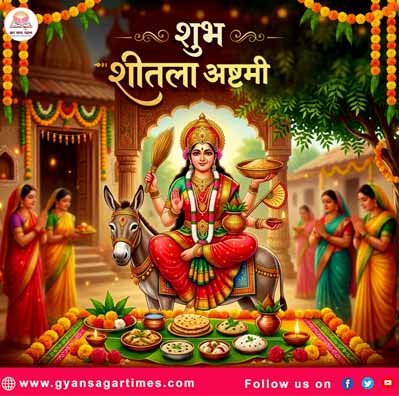
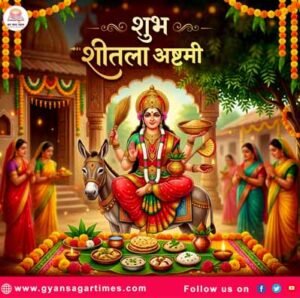
मां शीतला को स्वच्छता, आरोग्य और शीतलता की देवी माना जाता है. उनके एक हाथ में झाड़ू (सफाई का प्रतीक), दूसरे में कलश (शुद्ध जल का प्रतीक), तीसरे में नीम के पत्ते (औषधि का प्रतीक) और चौथे में सूप होता है और उनका वाहन गदहा (गधा) है. पौराणिक कथाओं और मान्यताओं के अनुसार, शीतला माता चेचक, खसरा और हैजा जैसी बीमारियों को नियंत्रित करती हैं. उनकी पूजा से शरीर स्वस्थ और विकारमुक्त रहता है.
शीतला माता का स्वरूप अत्यंत अद्वितीय है. पौराणिक ग्रंथ स्कंद पुराण के अनुसार, माता के चार हाथ है और चारों हाथों में कलश, मार्जनी (झाड़ू), सूप (अनाज साफ करने की टोकरी) और नीम के पत्ते धारण करती है. बताते चलें कि, इस त्योहार की सबसे अनूठी विशेषता है बासी भोजन (ठंडा भोजन) का सेवन. होली की समाप्ति के साथ ही वसंत ऋतू की विदाई होती है साथ ही ग्रीष्म ऋतू का आगमन होता है. आयुर्वेदाचार्य के अनुसार, गर्मी बढ़ने से पित्त दोष भी बढ़ने लगता है. ऐसे समय में बासी और ठंडा भोजन शरीर को ठंडक प्रदान करता है और पाचन तंत्र भी आने वाली गर्मी के लिए खुद को तैयार करता है.
पूजा विधि: – इस व्रत की सबसे बड़ी विशेषता यह है कि, व्रतधारी अष्टमी के दिन अपने घरों में चूल्हा नहीं जलाते है और एक दिन पहले का बना हुआ भोजन देवी को अर्पण कर प्रसाद के रूप में ग्रहण करते हैं.
कथा: –
शीतला अष्टमी से जुड़ी अनेक पौराणिक कथाएं प्रचलित हैं. उन्हीं कथाओं में से एक कथा है – एक बार माता शीतला ने पृथ्वी पर भ्रमण करने का निश्चय किया. वह राजस्थान के डुंगरी गाँव में पहुंचीं. जहाँ किसी ने ऊपर से उबलते चावल का पानी (मांड) फेंक दिया, जो माता के शरीर पर गिरा जिससे उनका शरीर जल गया. माता जलन से व्याकुल होकर सहायता मांगने लगीं, परंतु किसी ने उनकी ओर ध्यान नहीं दिया.
तब एक दयालु कुम्हारन ने उन्हें ठंडा पानी डालकर ठंडक पहुंचाई और उन्हें रात की बनी राबड़ी खिलाई. जब उसने माता के सिर के पीछे तीसरी नेत्र देखा तो वह घबरा गई. तब माता ने अपने वास्तविक स्वरूप में दर्शन देकर उसे वरदान मांगने को कहा. कुम्हारन ने अपने गाँव में माता की स्थापना और व्रत करने वालों की रक्षा का वरदान मांगा. माता ने प्रसन्न होकर कहा कि आज से उनकी पूजा का अधिकार कुम्हार जाति को प्राप्त होगा और जो भी सच्चे भाव से यह व्रत करेगा, उसके घर की दरिद्रता दूर होगी.
वैसे तो देखा जाय तो, शीतला अष्टमी की परंपराएं केवल धार्मिक आस्था पर आधारित नहीं हैं, बल्कि उनके पीछे गहन वैज्ञानिक तर्क भी निहित हैं. ज्ञात है कि, चैत्र माह में ऋतु परिवर्तन होता है. एक तरफ सर्दी खत्म होकर गर्मी की शुरुआत होती है जिसके कारण मानव शरीर की पाचन अग्नि मंद पड़ जाती है. जिसके कारण गरम और ताजा भोजन पचाना कठिन हो जाता है वहीं, हल्का भोजन पाचन तंत्र के लिए लाभदायक होता है. चूकिं, रात भर रखे भोजन में हल्का प्राकृतिक किण्वन होता है, जिससे लाभकारी जीवाणु (प्रोबायोटिक्स) उत्पन्न होते हैं जो आँतों के स्वास्थ्य के लिए अत्यंत उपयोगी होता है.
शीतला अष्टमी केवल धार्मिक अनुष्ठान नहीं है, बल्कि यह भारतीय समाज की स्वास्थ्य-चेतना, सामूहिकता और प्रकृति के सम्मान का भी प्रतीक है. माता शीतला का स्वरूप हमें सिखाता है कि बाहरी और आंतरिक स्वच्छता के बिना निरोगी काया की प्राप्ति संभव नहीं है.
========== ========= ===========
Sheetala Ashtami…
“vande̕ham shitalam devim rasabhastham digambaram ।
Marjanikalashopetamsurpalankrutamastakam ।।”
In Sanatan Dharma, there is not a single day or month that does not feature a festival. Sheetala Ashtami conveys an effective social message regarding awareness of health and hygiene during the transition of seasons. Sheetala Ashtami is also popularly known in local dialects as *Basoda* or *Basora*. The very term *Ashtami* signifies a festival celebrated on the eighth day—or, more precisely, a festival observed on the *Ashtami Tithi* (the eighth lunar day). This year, the festival of Sheetala Ashtami will be celebrated on March 11th.
The auspicious festival of Sheetala Ashtami is celebrated every year on the *Ashtami Tithi* of the *Krishna Paksha* (the waning phase of the moon) in the month of *Chaitra*, which typically falls on the eighth day following the festival of Holi. This festival is predominantly and widely celebrated across North India—specifically in the states of Uttar Pradesh, Rajasthan, Madhya Pradesh, Bihar, and Haryana. From a geographical and cultural perspective, this festival marks the transition from the spring season to the summer season. During this period, the likelihood of infectious diseases—such as smallpox, ringworm, and measles—spreading tends to be higher. Consequently, the worship of Mother Sheetala holds a direct connection to the science of the seasons (*Ritu-vigyan*).
Mother Sheetala is revered as the Goddess of Hygiene, Wellness, and Coolness. She is depicted holding a broom (symbolizing cleanliness) in one hand, a *Kalash* (a pot symbolizing pure water) in the second, neem leaves (symbolizing medicinal properties) in the third, and a winnowing basket in the fourth; her mount (*Vahana*) is a donkey. According to mythological legends and beliefs, Mother Sheetala governs and controls diseases such as smallpox, measles, and cholera. Worshipping her is believed to keep the body healthy and free from ailments.
The iconography of Mother Sheetala is truly unique. According to the ancient mythological text, the *Skanda Purana*, the Goddess possesses four hands, in which she holds a *Kalash*, a *Marjani* (broom), a *Soop* (a winnowing basket used for cleaning grains), and neem leaves. It is worth noting that the most distinctive feature of this festival is the consumption of *Basi Bhojan* (cold or leftover food). With the conclusion of Holi, the spring season bids farewell, simultaneously marking the arrival of the summer season. According to Ayurvedic experts, as the heat intensifies, the Pitta Dosha also begins to rise. During such times, stale and cold food provides a cooling effect to the body, while the digestive system simultaneously prepares itself for the approaching heat.
Worship Method: – The most significant feature of this fast is that, on the day of Ashtami, the devotees do not light a stove in their homes; instead, they offer food prepared the previous day to the Goddess and partake of it as *Prasad*.
Story: –
There are many mythological stories associated with Sheetala Ashtami. One such story goes: Once, Mother Sheetala decided to travel the earth. She arrived in Dungri village, Rajasthan. Someone threw boiling rice water (mand) from above, which fell on her body, burning her. Distressed by the burning sensation, she began to plead for help, but no one paid any attention.
A kind potter woman cooled her down with cold water and fed her some rakhi made the previous night. When she saw the third eye behind her head, she was terrified. The woman appeared in her true form and asked her to ask for a boon. The potter woman asked for the blessing of establishing the Mother Goddess in her village and protecting those who observe the fast. Pleased, the Mother said that from this day on, the potter community would have the right to worship her, and that anyone who observes this fast with true devotion would be free from poverty.
Actually, the traditions of Sheetala Ashtami are not solely based on religious beliefs, but also have a profound scientific rationale. It is known that the month of Chaitra marks the change of seasons. On one hand, winter ends and summer begins, which weakens the digestive fire of the human body. This makes it difficult to digest hot and fresh food. However, light food is beneficial for the digestive system. Because food stored overnight undergoes mild natural fermentation, it produces beneficial bacteria (probiotics) that are extremely beneficial for intestinal health.
Sheetala Ashtami is not just a religious ritual, but also symbolizes the health consciousness, collective spirit, and respect for nature in Indian society. The form of Mother Sheetala teaches us that a healthy body is impossible without external and internal cleanliness.