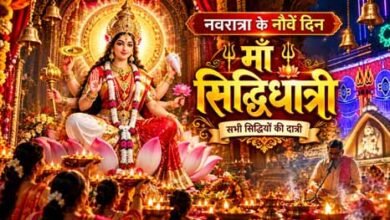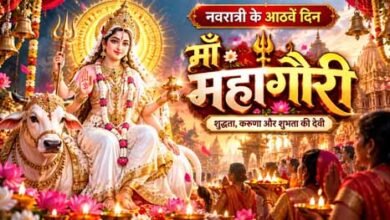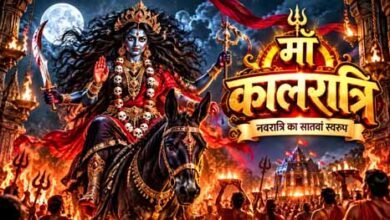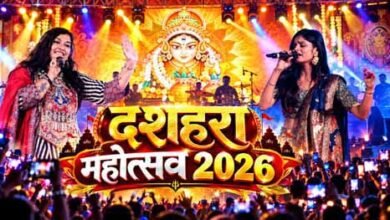
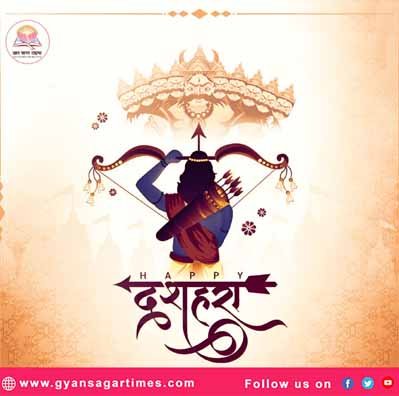
वर्तमान समय में माँ शक्ति की आराधना बड़े ही धूमधाम से की जा रही है. नवरात्रि के नौ दिनों तक माँ के भिन्न-भिन्न रूप की आराधना की जाती है वहीं. अंतिम दिन की पूजा ‘माता विजया’ के नाम से मनाई जाती है. वास्तव में देखा जाय तो दशहरे का उत्सव शक्ति या यूँ कहें कि, शक्ति प्रदर्शन का उत्सव है. पौराणीक ग्रंथों के अनुसार, आश्विन शुक्ल दशमी को तारा उदय होने के समय ‘विजय’ नामक मुहूर्त होता है और यह मुहूर्त सर्वकार्य सिद्धिदायक होता है इसलिए भी इसे विजयादशमी कहा जाता है.
पौराणीक ग्रंथों रामायण के अनुसार, भगवान रामचन्द्रजी लंका प्रस्थान के दौरान माँ शक्ति की आराधना की थी. उनकी पूजा से प्रसन्न होकर 9वें दिन जब मां भगवती ने उन्हें विजय का आशीर्वाद दिया तब से दसवें दिन लंका पहुंचकर उन्होंने रावण का वध किया. मान्यता है कि तभी से ही नवरात्रि पूजन के बाद दसवें दिन असत्य पर सत्य की जीत का पर्व विजया दशमी मनाया जाने लगा. बताते चलें कि, आश्विन शुक्ल पक्ष दशमी को शस्त्र पूजन का विधान है. ज्ञात है कि, 09 दिनों की शक्ति उपासना के बाद दशवें दिन जीवन के हर क्षेत्र में विजय की कामना के शक्तिरूपा दुर्गा, काली की आराधना के साथ-साथ शस्त्र पूजा की परंपरा है.
वैसे तो देखा जाय तो सम्पूर्ण राष्ट्र में शक्ति पूजा की आराधना अपन-अपने रीति-रिवाजों के अनुसार की जाती है. धरती के स्वर्ग में भी माँ शक्ति की आराधना बड़े ही धूम-धाम से की जाती है. इस दौरान घर के बड़े सदस्य नोऊ दिनों तक पानी पीकर उपवास करते हैं साथ ही माँ खीरभवानी का दर्शन भी करते हैं. यह मंदिर एक झील के बीचोबीच बना हुआ है. मान्यता है कि देवी ने अपने भक्तों से कहा है कि यदि कोई अनहोनी होने वाली होगी तो सरोवर का पानी काला हो जाएगा. वहीँ, गुजरात में मिट्टी सुशोभित रंगीन घड़ा को देवी का प्रतीक माना जाता है और कुंवारी लड़कियां सिर पर रखकर एक लोकप्रिय नृत्य करती हैं जिसे गरबा कहा जाता है.
व्यापार की नगरी में भी देवी की आराधना बड़े ही धूमधाम से की जाती है लेकिन, दशमी के दिन बच्चे अपनी पढ़ाई में आशीर्वाद पाने के लिए मां सरस्वती के तांत्रिक चिह्नों की पूजा करते हैं. वहीँ, द्रविड़ प्रदेश का दशहरा पुरे भारत में प्रसिद्ध है. इस दौरान मैसूर प्रदेश की गलियों को सजाया जाता है साथ ही हाथियों का शृंगार कर पूरे शहर में एक भव्य जुलूस निकाला जाता है. इस समय प्रसिद्ध मैसूर महल को दीपमालिकाओं से दुलहन की तरह सजाया जाता है. इसके साथ शहर में लोग टार्च लाइट के संग नृत्य और संगीत की शोभायात्रा का आनंद लेते हैं.शाकम्भरी देवी शक्तिपीठ (उ०प्र०) पर भक्तों की इस दिन खूब चहल पहल होती है पूरी शिवालिक घाटी शाकम्भरी देवी के जयकारो से गूंज उठती है यहाँ पर नवरात्रि मे मेला लगता है.
छतीसगढ़ का बस्तर जिला में भी माँ शक्ति की आराधना बड़े ही धूमधाम से मनाया जाता है. इस जिला में दशहरे के मुख्य कारण ‘राम की रावण पर विजय को ना मानकर’ इस जिले के लोग ‘मां दंतेश्वरी’ की आराधना को समर्पित होते हैं. बताते चलें कि, ‘दंतेश्वरी माता’ बस्तर अंचल के निवासियों की आराध्य देवी हैं और माँ दुर्गा का ही रूप हैं. बस्तर जिले में यह पर्व पुरे 75 दिनों तक मनाया जाता है. यहाँ दशहरा पर्व की शुरुआत श्रावन महीने की आमवस्या से शुरू होकर आश्विन मास की शुक्ल त्रयोदशी तक चलता है.वहीँ, बंगाल, ओडिशा और असम में यह पर्व दुर्गा पूजा के रूप में ही मनाया जाता है. यह बंगालियों, ओडिआ, और आसामीयों का सबसे महत्वपूर्ण त्योहार माना जाता है.
========== ========= ===========
Vijayadashami…
In the present day, the worship of ‘Maa Shakti’ (the Divine Mother/Power) is celebrated with great fervor. Throughout the nine days of Navaratri, various manifestations of the Divine Mother are worshipped, while the final day is observed as the worship of ‘Mata Vijaya’. In essence, the festival of Dussehra is a celebration of Shakti—or, more precisely, a demonstration of this divine power. According to ancient scriptures, on the tenth day of the bright fortnight (Shukla Paksha) of the month of Ashvin, at the time when the star Tara rises, an auspicious moment known as ‘Vijaya Muhurat’ occurs. This muhurat is believed to ensure success in all endeavors, which is why the day is called ‘Vijayadashami’.
According to the epic Ramayana, Lord Ram worshipped Maa Shakti before setting out for Lanka. Pleased by his devotion, the Divine Mother (Maa Bhagwati) blessed him with victory on the ninth day; subsequently, upon reaching Lanka on the tenth day, Lord Ram vanquished Ravana. It is believed that ever since then, the tenth day—following the nine days of Navaratri worship—has been celebrated as Vijayadashami, marking the triumph of truth over falsehood. It is also customary to perform Shastra Pujan (the worship of weapons) on this day. Following nine days of Shakti worship, the tenth day includes the veneration of the Divine Mother in her forms as Durga and Kali—seeking success in all spheres of life—alongside the tradition of worshipping weapons.
Across the entire nation, the worship of Shakti is observed according to diverse regional customs and traditions. Even in ‘heaven on earth’ (Kashmir), the worship of Maa Shakti is celebrated with great enthusiasm. During this period, the elders of the household observe a fast for nine days—consuming only water—and visit the shrine of Maa Kheer Bhawani. This temple is situated in the middle of a lake. It is said that the Goddess once told her devotees that if any untoward event were to occur, the water in the lake would turn black. In Gujarat, a colorful, decorated earthen pot is considered a symbol of the Goddess; young, unmarried girls carry these pots on their heads while performing a popular dance known as ‘Garba.’
In the commercial hub, the worship of the Goddess is celebrated with great pomp. On the day of Dashami, children worship the tantric symbols of Goddess Saraswati, seeking her blessings for their studies. Meanwhile, the Dussehra celebrations in the Dravidian region (South India) are renowned across the country. In Mysore, the streets are decorated, and a grand procession—featuring adorned elephants—parades through the city. During this time, the iconic Mysore Palace is illuminated with countless lamps, making it appear as resplendent as a bride. People also enjoy processions filled with music, dance, and torchlight. At the Shakambhari Devi Shaktipeeth in Uttar Pradesh, the atmosphere is vibrant with devotees, and the entire Shivalik Valley resonates with chants in honor of the Goddess; a fair is also held here during Navratri.
In the Bastar district of Chhattisgarh, the worship of the Divine Mother (Shakti) is celebrated with immense fervor. Here, the significance of Dussehra is not centered on Lord Rama’s victory over Ravana; instead, the local people dedicate the festival to the worship of ‘Maa Danteshwari.’ It is worth noting that Maa Danteshwari is the presiding deity of the people of the Bastar region and is considered a manifestation of Goddess Durga. In Bastar, the festival spans 75 days—beginning on the new moon (Amavasya) of the month of Shravana and concluding on the thirteenth day (Shukla Trayodashi) of the bright fortnight of the month of Ashvina. Furthermore, in Bengal, Odisha, and Assam, this festival is celebrated as ‘Durga Puja’ and is regarded as the most significant festival for the Bengali, Odia, and Assamese communities.