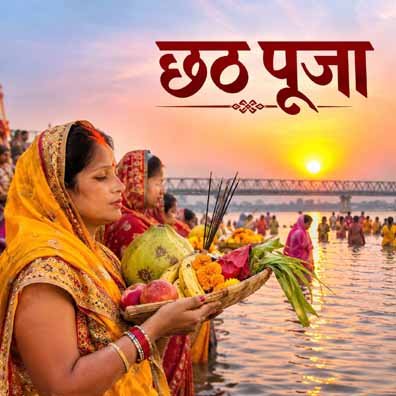
परम्पराओं के देश भारत में मनाए जाने वाले त्योहार केवल धार्मिक आस्था और परंपराओं के प्रतीक नहीं हैं, बल्कि वे समाज की सामूहिक चेतना, सांस्कृतिक पहचान और जीवन-दर्शन के प्रतिनिधि भी होते हैं. है। चार दिनों तक चलने वाले इस अनुष्ठान में 36 घंटों का कठिन उपवास के साथ अस्ताचलगामी तथा उदीयमान सूर्य को अर्घ्य अर्पित करते हैं. यह पर्व विशेष रूप से बिहार, झारखंड, पूर्वी उत्तर प्रदेश और नेपाल के तराई क्षेत्रों में विशेष रूप से प्रचलित है. इस पर्व का नाम है छठ. जिसकी जड़ें प्राचीन सूर्योपासना, लोकविश्वास और प्रकृति के प्रति कृतज्ञता की भावना में निहित होती है.
छठ पूजा सूर्योपासना का ऐसा अनूठा लोकपर्व है, जिसमें प्रकृति, पवित्रता, अनुशासन, त्याग, समानता और सामूहिकता का अद्भुत समन्वय दिखाई देता है. वैदिक साहित्य में सूर्य को जीवन, ऊर्जा, स्वास्थ्य और प्रकाश का स्रोत माना जाता है. ऋग्वेद में सूर्य की स्तुति के अनेक मंत्र मिलते हैं. छठ पूजा का मूल आधार सूर्य देव और छठी मैया की उपासना से है.वहीं, लोक मान्यताओं के अनुसार, छठी मैया को संतान की रक्षा करने वाली तथा सुख-समृद्धि प्रदान करने वाली देवी के रूप में पूजा जाता है.
छठ पूजा की प्राचीनता इसे वैदिक काल से जोड़ती है और इसके कई ऐतिहासिक और पौराणिक संदर्भ हैं. इस पूजा का मुख्य उद्देश्य सूर्य देवता की उपासना से है. छठ पूजा का उल्लेख महाभारत में भी मिलता है. कहा जाता है कि इस पूजा का आरंभ सबसे पहले कुंती द्वारा किया गया था, जब उन्होंने पांडवों के लिए सूर्य देव की आराधना की थी. इसके अतिरिक्त, द्रौपदी भी अपने परिवार की सुख-शांति और समृद्धि के लिए सूर्य उपासना करती थीं. रामायण के अनुसार, जब भगवान राम और माता सीता लंका विजय के बाद अयोध्या लौटे थे, तब उन्होंने कार्तिक मास की षष्ठी तिथि को सूर्य देव की उपासना की थी. सीता ने अपने पति और परिवार के कल्याण के लिए सूर्य को अर्घ्य अर्पित किया था, और यह परंपरा आगे चलकर छठ पूजा का हिस्सा बन गई.
छठ पूजा भगवान सूर्य (सूर्य देव) और उनकी बहन छठी मैया (प्रकृति देवी के छठे अंश, जिन्हें संतान और आरोग्य की देवी माना जाता है) की आराधना का पर्व है. इस पूजा में सूर्य, जीवनदाता और ऊर्जा के स्रोत की उपासना की जाती है. यह एकमात्र पर्व है जिसमें उगते ही नहीं, डूबते सूर्य को भी अर्घ्य दिया जाता है.यह परंपरा जीवन चक्र के दर्शन को दर्शाती है – जो डूबता है, उसका उदय भी निश्चित होता है. सूर्य को जीवन, ऊर्जा और स्वास्थ्य का दाता माना जाता है. छठ के माध्यम से व्रती सूर्य की ऊर्जा के प्रति कृतज्ञता व्यक्त करते हैं, जो समस्त सृष्टि का आधार है. यह व्रत मुख्य रूप से संतान की लंबी आयु, सुख-समृद्धि और आरोग्य के लिए रखा जाता है.
छठ पूजा का सबसे महत्त्वपूर्ण पक्ष इसका प्रकृति-केंद्रित स्वरूप है। सूर्य, जल, पृथ्वी और वनस्पति इस पर्व के अभिन्न अंग हैं। पूजा में उपयोग होने वाले बाँस के सूप, दउरा, फल, फूल, गन्ना, नारियल और अन्य प्राकृतिक वस्तुएँ मनुष्य तथा प्रकृति के पारस्परिक संबंध को रेखांकित करती हैं. वर्तमान समय के डिजिटल व आधुनिक युग में जब पूरी दुनिया जलवायु परिवर्तन, जल प्रदूषण और पर्यावरणीय असंतुलन जैसी समस्याओं से जूझ रही है, तब छठ पूजा का प्रकृति के प्रति सम्मान का संदेश विशेष रूप से प्रासंगिक हो जाता है.
हिंदी सिनेमा ने भी भारतीय समाज के अनेक धार्मिक और सांस्कृतिक पर्वों को अपनी कथाओं में स्थान दिया है. दीपावली, होली, ईद और नवरात्रि की तरह छठ पूजा का चित्रण भी फिल्मों और लोकप्रिय दृश्य-संस्कृति में दिखाई देता है. वैसे तो देखा जाय तो छठ और हिंदी सिनेमा के संबंध का सबसे सशक्त माध्यम है संगीत। छठ के पारंपरिक लोकगीतों में भक्ति, विरह, पारिवारिक संबंध, प्रकृति और लोकजीवन की भावनाएँ व्यक्त होती हैं. वर्तमान समय के आधुनिक व डिजटल युग में छठ के गीत केवल घाटों तक सीमित नहीं हैं बल्कि, वे रेडियो, टेलीविजन, फिल्मों, डिजिटल संगीत मंचों और सोशल मीडिया पर व्यापक रूप से सुने जाते हैं. लोक गायिका शारदा सिन्हा की मधुर और पारंपरिक छठ गीतों के माध्यम से इस लोकपर्व को व्यापक लोकप्रियता दिलाई है.
छठ पूजा का एक अत्यंत भावनात्मक पक्ष प्रवास से जुड़ा है. चुकि,बिहार और पूर्वांचल के लाखों लोग रोजगार, शिक्षा और बेहतर जीवन की तलाश में देश के विभिन्न महानगरों में रहते हैं. महानगरों में रहने वाला व्यक्ति जब छठ के अवसर पर अपने गाँव लौटता है, तो उसके भीतर स्मृतियों और भावनाओं का एक संसार जीवित हो उठता है. महानगरों में रहने वाले लोगों के लिए छठ केवल धार्मिक पर्व नहीं, बल्कि अपनी मिट्टी, परिवार और सांस्कृतिक जड़ों से पुनः जुड़ने का भी अवसर होता है.
वर्तमान समय में छठ पूजा का बाजार काफी विस्तृत हो गया है वहीं, पारंपरिक छठ पूजा लोकगीतों, पारिवारिक सहभागिता और सामुदायिक श्रम से समृद्ध थी. कभी स्थानीय कारीगरों, किसानों, फल विक्रेताओं और छोटे व्यापारियों को आर्थिक अवसर प्राप्त होते हैं. पहले पूजा सामग्री, फल, वस्त्र, सजावट और अन्य आवश्यक वस्तुओं का बड़े पैमाने पर व्यापार होता है वहीं, वर्तमान समय में ऑनलाइन खरीदारी और डिजिटल भुगतान ने भी इस प्रक्रिया को और अधिक सरल बनाया है. वर्तमान समय में बढ़ते बाजारवाद के कारण कहीं-कहीं पर्व की सादगी और सामूहिकता पर दिखावे का प्रभाव दिखाई देने लगा है.
लोकसंस्कृति भौगोलिक सीमाओं में बँधकर नहीं रहती इस बात का उदाहरण है सामाजिक समरसता का छठ जो कभी राजनीतिक और सार्वजनिक जीवन में भी इस पर्व को क्षेत्रीय सांस्कृतिक पहचान के महत्त्वपूर्ण प्रतीक के रूप में देखा जाता है. वर्तमान समय में चार दिवसीय महापर्व छठ पूजा का आयोजन विभिन्न महानगरों से लेकर विदेशों तक किया जाता है. हालाँकि सार्वजनिक आयोजनों में इस धार्मिक पर्व का उपयोग केवल राजनीतिक प्रदर्शन या लोकप्रियता प्राप्त करने के रूप में न हो बल्कि, छठ की पहचान लोकआस्था, सामाजिक सहयोग और सांस्कृतिक विरासत में ही निहित हो.
छठ पर्व एक जीवंत उदाहरण है कि कैसे लोकआस्था केवल धार्मिक नहीं होती, बल्कि वह सामाजिक चेतना, वैज्ञानिक समझ और सांस्कृतिक स्मृति का भी वाहक होती है. यह पर्व हमें सिखाता है कि श्रद्धा और समरसता मिलकर जीवन को संतुलित और सुंदर बनाया जा सकता है.
========== ========= ===========
Chhath: A Grand Festival of Social Harmony
In India—a land deeply rooted in tradition—festivals are more than mere symbols of religious faith and custom; they represent the collective consciousness, cultural identity, and philosophy of life of society. This four-day observance includes a rigorous 36-hour fast, during which offerings (Arghya) are made to both the setting and the rising sun. Particularly prominent in Bihar, Jharkhand, eastern Uttar Pradesh, and the Terai regions of Nepal, this festival is known as ‘Chhath.’ Its origins lie in ancient sun worship, folk beliefs, and a profound sense of gratitude toward nature.
Chhath Puja is a unique folk festival centered on the worship of the Sun, embodying a remarkable harmony of nature, purity, discipline, sacrifice, equality, and collectivity. In Vedic literature, the Sun is revered as the source of life, energy, health, and light; the Rigveda contains numerous hymns dedicated to the Sun. The core of Chhath Puja lies in the worship of the Sun God (Surya Dev) and Chhathi Maiya. According to folk tradition, Chhathi Maiya is worshipped as the deity who protects children and bestows happiness and prosperity.
The antiquity of Chhath Puja traces back to the Vedic era, with various historical and mythological references. The primary focus of the ritual is the worship of the Sun God. Chhath Puja is also mentioned in the Mahabharata; it is said that the tradition was initiated by Kunti, who worshipped the Sun God for the well-being of the Pandavas. Furthermore, Draupadi also performed sun worship to ensure the happiness, peace, and prosperity of her family. According to the Ramayana, when Lord Rama and Mother Sita returned to Ayodhya following their victory in Lanka, they worshipped the Sun God on the sixth day (Shashthi) of the month of Kartika. Sita offered Arghya (a ritual offering) to the Sun for the well-being of her husband and family; this tradition eventually evolved into what is now known as Chhath Puja.
Chhath Puja is a festival dedicated to the worship of the Sun God (Surya Dev) and his sister, Chhathi Maiya—considered the sixth aspect of the Goddess of Nature and revered as the deity of progeny and good health. The festival centers on the worship of the Sun, the source of all energy and the giver of life. It is unique in that Arghya is offered not only to the rising Sun but also to the setting Sun. This tradition reflects a profound philosophy of the life cycle: that which sets must inevitably rise again. The Sun is regarded as the source of life, energy, and health; through the observance of Chhath, devotees express their gratitude for the Sun’s energy, which sustains all of creation. The fast is primarily observed for the longevity, happiness, prosperity, and well-being of one’s children.
The most significant aspect of Chhath Puja is its nature-centric character. The Sun, water, the earth, and vegetation are integral to the festival. The items used in the rituals—such as bamboo baskets (soop and daura), fruits, flowers, sugarcane, coconuts, and other natural offerings—underscore the deep, reciprocal bond between humanity and nature. In today’s digital and modern era, as the world grapples with challenges like climate change, water pollution, and environmental imbalance, the message of respect for nature inherent in Chhath Puja becomes especially relevant.
Hindi cinema has also incorporated various religious and cultural festivals of Indian society into its narratives. Much like Diwali, Holi, Eid, and Navratri, Chhath Puja is frequently depicted in films and popular visual culture. In fact, music serves as the most powerful medium connecting Chhath with Hindi cinema; traditional Chhath folk songs beautifully capture themes of devotion, longing, familial bonds, nature, and the essence of everyday life. In today’s modern, digital era, Chhath songs are no longer confined to the riverbanks (ghats); instead, they are widely heard on radio, television, in films, on digital music platforms, and across social media. Folk singer Sharda Sinha has brought widespread popularity to this traditional festival through her melodious and authentic Chhath songs.
An deeply emotional aspect of Chhath Puja is linked to migration. Millions of people from Bihar and the Purvanchal region reside in various metropolitan cities across the country in search of employment, education, and a better life. When an individual living in a metropolis returns to their village for Chhath, a world of memories and emotions awakens within them. For those living in these large cities, Chhath is not merely a religious festival; it is an opportunity to reconnect with their native soil, their families, and their cultural roots.
While the market surrounding Chhath Puja has expanded significantly today, the traditional celebration was once defined by its rich folk songs, familial participation, and communal effort. It has long provided economic opportunities for local artisans, farmers, fruit vendors, and small-scale traders. In the past, the trade of ritual offerings, fruits, clothing, decorations, and other essentials took place on a large scale; today, online shopping and digital payments have made this process even more convenient. However, the growing influence of commercialism has, in some instances, caused the simplicity and collective spirit of the festival to be overshadowed by ostentation.
Chhath serves as an example of how folk culture transcends geographical boundaries; it fosters social harmony and is even recognized within the realms of politics and public life as a significant symbol of regional cultural identity. Today, this four-day grand festival is celebrated everywhere—from major metropolitan cities to countries abroad. It is essential, however, that such public celebrations are not reduced to mere political posturing or a means to gain popularity; rather, the true essence of Chhath should remain rooted in folk faith, social cooperation, and cultural heritage.
The Chhath festival stands as a vivid illustration of how folk faith is not limited to religion alone; it also serves as a vehicle for social consciousness, scientific understanding, and cultural memory. The festival teaches us that through a combination of devotion and social harmony, life can be made both balanced and beautiful.