
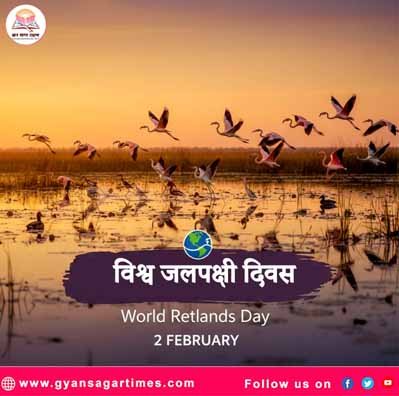
हर वर्ष 17 जनवरी को विश्व जलपक्षी दिवस मनाया जाता है. यह प्रकृति संरक्षण की दिशा में एक अत्यंत महत्वपूर्ण दिवस है. विश्व जलपक्षी दिवस हमें यह याद दिलाता है कि जलाशयों और आर्द्रभूमियों में रहने वाले पक्षी केवल जैव विविधता का हिस्सा नहीं हैं, बल्कि पारिस्थितिकी संतुलन और मानव जीवन के लिए भी अत्यंत आवश्यक हैं.
जलपक्षी उन पक्षियों को कहा जाता है जिनका जीवन मुख्य रूप से जल निकायों जैसे झीलों, नदियों, तालाबों और आर्द्रभूमि पर निर्भर करता है. इन पक्षियों में बतख, हंस, बगुले, सारस, राजहंस और अन्य जलपक्षी शामिल हैं।
जलपक्षी केवल जलाशयों की शोभा नहीं बढ़ाते, बल्कि वे पर्यावरण के स्वास्थ्य के संकेतक भी होते हैं. ये पक्षी जलीय कीड़ों की आबादी को नियंत्रित रखते हैं और अपनी यात्रा के दौरान पौधों के बीजों को एक स्थान से दूसरे स्थान तक पहुँचाकर जैव विविधता को बढ़ावा देते हैं. जलपक्षी खाद्य श्रृंखला का एक अनिवार्य हिस्सा हैं. वे शिकार और शिकारी दोनों के रूप में पारिस्थितिक संतुलन बनाए रखते हैं.उनके अपशिष्ट जलाशयों में महत्वपूर्ण पोषक तत्व प्रदान करते हैं, जो जलीय पौधों और मछलियों के विकास में सहायक होते हैं.
विश्व स्तर पर आर्द्रभूमियों के संरक्षण के लिए रामसर संधि (वर्ष 1971) एक महत्वपूर्ण पहल रही है. इसी भावना को आगे बढ़ाते हुए विभिन्न देशों में जलपक्षियों के संरक्षण हेतु जागरूकता दिवस मनाया जाने लगा. भारत में भी जलपक्षियों का सांस्कृतिक और धार्मिक महत्व है जैसे- हंस को ज्ञान और पवित्रता का प्रतीक माना जाता है.
जलपक्षी दिवस का एक बड़ा हिस्सा प्रवासी पक्षियों को समर्पित है. हर वर्ष लाखों पक्षी साइबेरिया, यूरोप और मध्य एशिया के ठंडे इलाकों से उड़कर भारत और अन्य गर्म देशों की आर्द्रभूमि में आते हैं. भारत इस फ्लाईवे का एक प्रमुख हिस्सा है. प्रवासी पक्षियों का आना यह दर्शाता है कि हमारे जल स्रोत अभी भी जीवन को सहारा देने में सक्षम हैं.
वर्तमान समय में जलपक्षियों के अस्तित्व पर गहरा संकट मंडरा रहा है. इसके कई कारण है जैसे – शहरीकरण और खेती के विस्तार के कारण झीलों और दलदली इलाकों को भरा जा रहा है, जिससे पक्षियों के प्राकृतिक आवास छिन रहे हैं. औद्योगिक कचरा, प्लास्टिक और कृषि रसायनों के कारण जल स्रोत जहरीले हो रहे हैं. तापमान में बदलाव और अनिश्चित मानूसन के कारण पक्षियों के प्रवास चक्र और प्रजनन क्षमता पर बुरा असर पड़ रहा है. कई क्षेत्रों में आज भी इन पक्षियों का मांस या मनोरंजन के लिए शिकार किया जाता है.
विश्व जलपक्षी दिवस हमें याद दिलाता है कि यदि हमने समय रहते कदम नहीं उठाए, तो ये प्रजातियाँ केवल किताबों तक सीमित रह जाएंगी. जब तक स्थानीय लोग जलपक्षियों के महत्व को नहीं समझेंगे, तब तक संरक्षण अधूरा है. ‘बर्ड वॉचिंग’ जैसे पर्यटन को बढ़ावा देकर आय के साधन और जागरूकता दोनों पैदा किए जा सकते हैं. साथ ही जलाशयों में कचरा फेंकना बंद करना और आर्द्रभूमि के पास रासायनिक उर्वरकों का उपयोग कम करना आवश्यक है.
विश्व जलपक्षी दिवस केवल पक्षियों का उत्सव नहीं है, बल्कि यह मानव और प्रकृति के सह-अस्तित्व का प्रतीक है. उनकी रक्षा करना केवल प्रकृति प्रेम नहीं, बल्कि भविष्य में मानव अस्तित्व को बचाने के लिए एक आवश्यक निवेश है.
========== ========= ===========
World Waterfowl Day…

World Waterfowl Day is celebrated every year on January 17th. It is an extremely important day in the direction of nature conservation. World Waterfowl Day reminds us that birds living in water bodies and wetlands are not only a part of biodiversity but are also essential for ecological balance and human life.
Waterfowl are birds whose lives primarily depend on water bodies such as lakes, rivers, ponds, and wetlands. These birds include ducks, geese, herons, cranes, flamingos, and other waterfowl.
Waterfowl not only enhance the beauty of water bodies but also serve as indicators of environmental health. These birds control the population of aquatic insects and promote biodiversity by carrying plant seeds from one place to another during their migrations. Waterfowl are an essential part of the food chain. They maintain ecological balance as both prey and predators. Their waste provides important nutrients to water bodies, which helps in the growth of aquatic plants and fish.
The Ramsar Convention (1971) has been a significant initiative for the conservation of wetlands globally. Continuing this spirit, awareness days for the conservation of waterfowl began to be celebrated in various countries. In India, waterfowl also have cultural and religious significance; for example, the swan is considered a symbol of knowledge and purity.
A large part of Waterfowl Day is dedicated to migratory birds. Every year, millions of birds fly from the cold regions of Siberia, Europe, and Central Asia to the wetlands of India and other warmer countries. India is a major part of this flyway. The arrival of migratory birds indicates that our water sources are still capable of supporting life.
Currently, the existence of waterfowl is under serious threat. There are several reasons for this, such as the filling of lakes and marshy areas due to urbanization and agricultural expansion, which is destroying the natural habitats of these birds. Industrial waste, plastics, and agricultural chemicals are poisoning water sources. Changes in temperature and unpredictable monsoons are negatively impacting the migration cycles and reproductive capacity of birds. In many areas, these birds are still hunted for their meat or for sport.
World Waterfowl Day reminds us that if we don’t take action in time, these species will be confined to the pages of books. Conservation is incomplete until local communities understand the importance of waterfowl. Promoting tourism activities like birdwatching can generate both income and awareness. It is also essential to stop dumping waste into water bodies and reduce the use of chemical fertilizers near wetlands.
World Waterfowl Day is not just a celebration of birds, but a symbol of the coexistence of humans and nature. Protecting them is not merely an act of nature appreciation, but a necessary investment in securing human survival in the future.