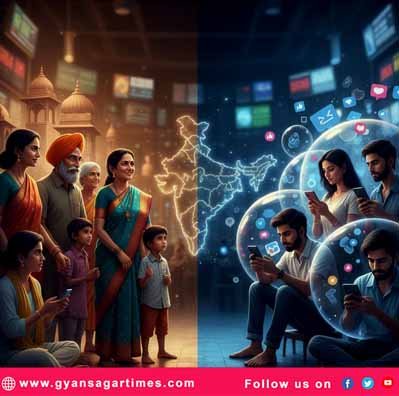
 वर्तमान समय के भारतवर्ष में मानवता का मूल स्वरूप खोता जा रहा है. जिस प्रकार भारतीय समाज में विभाजन, असमानता और स्वार्थ हावी होता जा रहा है. वहीँ दूसरी तरफ वैचारिक मतभेद, कट्टरता और तकनीकी अलगाव भी बढ़ता जा रहा है. आधुनिक युग में समाज की सामूहिक चेतना का भी विखंडन होता जा रहा है. वर्तमान समय के दौर में यह सवाल अत्यंत प्रासंगिक है कि क्या हमें मानवता और समरसता को पुनः स्थापित नहीं करना चाहिए?
मानवता का मूल अर्थ होता है दूसरों के दुख को समझना और उनके साथ खड़े होना या यूँ कहें कि,विविधताओं को अपनाकर एक-दूसरे के साथ शांति से जीना ही मानवता का सार है. समरसता का अर्थ होता है समाज में सभी वर्गों और समुदायों को समान महत्व देना। भारत जैसे बहु-धर्मी और बहु-सांस्कृतिक देश में समरसता ही राष्ट्रीय एकता की नींव है.
इतिहास गवाह है कि महान सभ्यताओं का पतन बाहरी हमलों से कम परन्तु आंतरिक कलह से अधिक हुआ है. वर्तमान समय के दौर में धर्म, जाति, भाषा और राजनीतिक विचारधारा के नाम पर समाज में ‘हम’ बनाम ‘वे’ की दीवारें खड़ी हो गई हैं. जब समाज में घृणा बढ़ती है, तो इसका सीधा असर व्यक्ति के विचार पर पड़ता है. जिस प्रकार जलवायु परिवर्तन, गरीबी और युद्ध जैसी बड़ी चुनौतियों का सामना केवल बंद कमरे में नहीं किया जा सकता है बल्कि सामूहिक ‘मानवता’ के जरिए ही किया जा सकता है.
जब हम मानवता और समरसता की बात करते हैं, तो इतिहास के कुछ महापुरुषों ने कठिन समय में भी समाज को जोड़ने का काम किया है जैसे – महात्मा बुद्ध, महात्मा गांधी और नेल्सन मंडेला. महात्मा बुद्ध ने करुणा और मध्य मार्ग के जरिये समरसता का सूत्र दिया था वहीँ, महात्मा गांधी ने अहिंसा और सर्वोदय के जरिये समरसता का सूत्र दिया था.
गांधीजी ने ‘वैष्णव जन तो तेने कहिए, जे पीर पराई जाणे रे’ के माध्यम से समझाया कि सच्चा मानव वही है जो दूसरे के दर्द को महसूस करे. दक्षिण अफ्रीका में रंगभेद के खिलाफ लड़ने वाले नेल्सन मंडेला ने क्षमा और सुलह के जरिये समरसता का सूत्र दिया था. नेल्सन मंडेला का मानना था कि,अगर घृणा सीखी जा सकती है, तो प्रेम करना भी सिखाया जा सकता है.
मानवता और समरसता को केवल नारों से नहीं, बल्कि इन चार ठोस स्तंभों पर खड़ा किया जा सकता है. जब हम एक-दूसरे को सुनने की क्षमता खो देते हैं, तो संघर्ष शुरू होता है। स्वस्थ संवाद समरसता की पहली सीढ़ी है. ऐसी शिक्षा जो केवल डिग्री न दे, बल्कि चरित्र निर्माण और ‘वसुधैव कुटुंबकम’ (दुनिया एक परिवार है) के भाव को भी जगाए साथ ही बिना न्याय के शांति और समरसता स्थायी नहीं हो सकती है. जब समाज के अंतिम व्यक्ति को लगता है कि वह सुरक्षित है, तब ही मानवता मुस्कुराती है.
दूसरे की संस्कृति और मान्यताओं के प्रति जानकारी का अभाव भय और नफरत पैदा करता है. कई बार सत्ता और प्रभाव के लिए समाज को बांटना एक आसान रास्ता बन जाता है. आधुनिक युग में सोशल मीडिया का जमाना है परन्तु सोशल मीडिया हमें केवल वही दिखाते हैं जो हम देखना चाहते हैं, जिससे हम संकीर्ण विचारधारा के कैदी बन जाते हैं.मानवता और समरसता केवल आदर्श नहीं, बल्कि अस्तित्व की आवश्यकता है. यदि समाज विभाजन और स्वार्थ की राह पर चलता रहा, तो सभ्यता का भविष्य संकट में पड़ जाएगा.
संजय कुमार सिंह (राजनितिक सम्पादक).
========== ========= ===========
Shouldn’t humanity and harmony be reestablished?
In contemporary India, the essence of humanity is being lost. Division, inequality, and selfishness are becoming dominant in Indian society, while ideological differences, fanaticism, and technological isolation are also increasing. In the modern era, the collective consciousness of society is also fragmenting. In today’s times, the question of whether we shouldn’t reestablish humanity and harmony is extremely relevant:
The fundamental meaning of humanity is to understand the suffering of others and stand with them, or rather, to live in peace with each other while embracing diversity. Harmony means giving equal importance to all classes and communities in society. In a multi-religious and multi-cultural country like India, harmony is the foundation of national unity.
History bears witness that the downfall of great civilizations has been caused less by external attacks than by internal conflicts. In today’s times, walls of “us” versus “them” have been erected in society in the name of religion, caste, language, and political ideology. When hatred grows in society, it directly impacts individual thinking. Just as major challenges like climate change, poverty, and war cannot be addressed solely in closed rooms, they can only be addressed through collective “humanity.”
When we talk about humanity and harmony, some great figures in history have worked to unite society even in difficult times, such as Mahatma Buddha, Mahatma Gandhi, and Nelson Mandela. Mahatma Buddha offered the formula for harmony through compassion and the middle path, while Mahatma Gandhi offered the formula for harmony through non-violence and Sarvodaya.
Through “Vaishnav Jan To Tene Kahiye, Je Peer Parayi Jane Re,” Gandhiji explained that a true human being is one who feels the pain of others. Nelson Mandela, who fought against apartheid in South Africa, offered the formula for harmony through forgiveness and reconciliation. Nelson Mandela believed that if hatred can be learned, love can also be taught.
Humanity and harmony cannot be built on these four solid pillars, not just slogans. When we lose the ability to listen to each other, conflict begins. Healthy dialogue is the first step to harmony. Education that doesn’t just provide degrees, but also builds character and instills the spirit of “Vasudhaiva Kutumbakam” (the world is one family), cannot be sustainable without justice. Humanity smiles only when the last person in society feels safe.
Lack of knowledge about others’ cultures and beliefs breeds fear and hatred. Dividing society for power and influence often becomes an easy path. The modern age is the era of social media, but social media shows us only what we want to see, leaving us prisoners of narrow-mindedness. Humanity and harmony are not just ideals, but a necessity of existence. If society continues on the path of division and selfishness, the future of civilization will be in jeopardy.
Sanjay Kumar Singh (Political Editor).