|
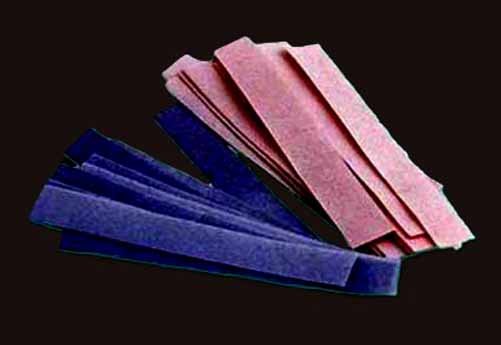
सूचक पदार्थ वे पदार्थ होते हैं, जिनका उपयोग पदार्थ की अम्लीय या क्षारीय प्रकृति की पहचान करने में किया जाता है. प्रयोगशाला में अम्ल, क्षार या भस्म को सूचक (Indicator) के उपयोग से पहचान किया जा सकता है. श्रोत के आधार पर सूचक (Indicator) को दो भागों में विभाजित किया जा सकता है. 1.प्राकृतिक सूचक (Natural Indicator) 2. मानव निर्मित सूचक (Synthetic Indicator). प्राकृतिक सूचक (Natural Indicator) :- वैसे सूचक जो प्राकृतिक श्रोत से प्राप्त किया जाता है, उसे प्राकृतिक सूचक (Natural Indicator) कहते हैं. जैसे लिटमस( Litmus), हल्दी (Turmeric), प्याज (Onion), वैनिला (Vanilla), लौंग (Clove), और लाल पत्ता गोभी (Red Cabbage) इत्यादि. लिटमस (Litmus): – एक प्राकृतिक सूचक है जो पानी में घुलनशील होता है।यह एक प्रकार का रंग होता है जिसे लाईकेन (Lichen) नामक ओर्गानिस्म (Organism) से प्राप्त किया जाता है. छ्न्ना पत्र (Filter paper) को लिटमस के अर्क में डुबोकर लिटमस पेपर तैयार किया जाता है. लिटमस मूल रूप से लाल रंग का होता है. लिटमस पेपर का उपयोग प्रयोगशालाओं में अम्ल या क्षार की पहचान के लिए सर्वाधिक किया जाता है. लिटमस पेपर दो रंगों (लाल व नीले) में उपलब्बध होता है. · अगर नीले रंग के लिटमस पेपर को अम्ल (Acid) में डालते हैं तो उसका रंग बदलकर लाल हो जाता है. · अगर लाल रंग के लिटमस पेपर को क्षार (Base) में डालते हैं तो उसका रंग बदलकर नीला हो जाता है. हल्दी (Turmeric) : – इसका रंग पीला होता है और यह भी प्राकृतिक सूचक होता है. हल्दी के रंग पर अम्ल (Acid) का कोई प्रभाव नहीं होता है लेकिन, क्षार (Base) में हल्दी के पीले रंग को बदलकर भूरा या लाल रंग में बदल देता है. जैसे:- अगर कपड़े पर हल्दी का पीला रंग लग गया हो और उसे साबून से धोते है तो उसका रंग बदलकर रेडिश ब्राउन (Reddish Brown) हो जाता है. चुकिं, साबुन में क्षार (Base) होता है जो हल्दी के पीले रंग को बदलकर रेडिश ब्राउन कर देता है. छन्ना पत्र (Filter paper) को हल्दी के घोल में डुबोकर तथा सुखाकर हल्दी पेपर (Turmeric paper) तैयार किया जाता है. इसका उपयोग लिटमस पेपर की तरह अम्ल (Acid) या क्षार (Base) की पहचान के लिए किया जा सकता है. लाल पत्ता गोभी (Red Cabbage): – लाल पत्ता गोभी के रस को भी प्राकृतिक सूचक (Natural Indicator) के रूप में उपयोग किया जाता है. चुकिं लाल पत्ता गोभी का रस मूल रूप से बैंगनी रंग का होता है. बताते चलें कि लाल पत्ता गोभी को अम्लीय मिट्टी में उगाया जाता है, तो इसके पत्ते का रंग लाल होता है. अगर लाल पत्ता गोभी को क्षारीय मिटटी में उगाया जाता है तो इसके पत्तों का रंग पीलापन लिए हुए हरे रंग का होता है. यही कारण है कि लाल पत्ता गोभी का उपयोग अम्ल (Acid) तथा क्षार की पहचान के लिए किया जाता है और यह प्राकृतिक सूचक (Natural Indicator) होता है. · लाल पत्ता गोभी का रस मूल रूप से बैंगनी रंग का होता है. जब लाल पत्ता गोभी के रस में अम्ल (Acid) मिलाने पर लाल रंग में बदल जाता है. · लाल पत्ता गोभी के रस को क्षार (Base) में मिलाते हैं तो इसका रंग बदलकर हरा हो जाता है. प्याज (Onion): – प्याज का उपयोग सूंघने वाला सूचक (Olfactory indicators) के रूप में होता है. प्याज के रस में अम्ल (Acid) मिलाने पर प्याज का गंध नहीं बदलता है लेकिन, प्याज के रस में क्षार (Base) मिलाने पर प्याज का गंध खत्म हो जाता है. प्याज के इसी गुण के कारण इसका उपयोग सूंघने वाले सूचक (Olfactory indicators) के रूप में होता है. वैनिला (Vanilla): – वैनिला में जब अम्ल (Acid) को मिलाया जाता है तो इसके गंध पर कोई असर नहीं होता है जबकि, वैनिला को क्षार (Base) में मिलाया जाता है तो इसका गंध खत्म हो जाता है. लौंग (Clove): – लौंग में जब अम्ल (Acid) को मिलाया जाता है तो इसके गंध पर कोई असर नहीं छोड़ता है जबकि, लौंग को क्षार (Base) में मिलाया जाता है तो इसका गंध खत्म हो जाता है. मानव निर्मित सूचक (Synthetic Indicator): – वैसे सूचक (indicator) जिसे प्रयोगशाला में बनाया जाता है उसे मानव निर्मित सूचक (Synthetic Indicator) कहते हैं. फ़ेनॉल्फ़थैलीन (Phenolphthalein) तथा मिथाईल ऑरेंज (Methyl orange) दो महत्वपूर्ण मानव निर्मित सूचक (Synthetic Indicators) हैं जिनका उपयोग प्रयोगशालाओं में अम्ल (Acid) तथा क्षार (Base) की पहचान के लिए किया जाता है. फ़ेनॉल्फ़थैलीन (Phenolphthalein): – फ़ेनॉल्फ़थैलीन एक रंगहीन होता है. अगर इसमें एसिड (Acid) को मिलाते हैं तो फ़ेनॉल्फ़थैलीन (Phenolphthalein) रंगहीन ही रहता है, जबकि इसमें क्षार (Base) को मिलाते हैं तो फ़ेनॉल्फ़थैलीन (Phenolphthalein) का रंग गुलाबी (Pink) हो जाता है. मिथाईल ऑरेंज (Methyl orange): – यह एक नारंगी रंग का तरल (Liquid) है. जब मिथाईल ऑरेंज (Methyl orange) में अम्ल (Acid) को मिलाते हैं तो इसका रंग लाल हो जाता है. जबकि मिथाईल ऑरेंज (Methyl orange) में क्षार (Base) को मिलाते हैं तो इसका रंग पीला हो जाता है. ========= ========= =========== ======= Related to chemistry – 228. Indicator…
Indicator substances are those substances that are used to identify the acidic or basic nature of a substance. Acid, base, or ash can be identified in the laboratory by the use of an Indicator. On the basis of the source, the indicator can be divided into two parts. 1. Natural Indicator 2. Man-made Indicator (Synthetic Indicator). Natural Indicator: – The indicator that is obtained from a natural source is called a Natural Indicator. Like Litmus, Turmeric, Onion, Vanilla, Clove, and Red Cabbage, etc. Litmus:- is a natural indicator that is soluble in water. It is a type of color that is obtained from an organism called Lichen. Litmus paper is prepared by dipping filter paper in litmus extract. Litmus is basically red in color. Litmus paper is most commonly used in laboratories to identify acids or bases. Litmus paper is available in two colors (red and blue). • If blue-colored litmus paper is put in an acid, then its color changes to red. • If red-colored litmus paper is put in an alkali, then its color changes to blue. Turmeric: – Its color is yellow, and it is also a natural indicator. Acid does not affect the color of turmeric, but in alkali, it changes the yellow color of turmeric to brown or red. For example:- If the yellow color of turmeric is applied on the cloth and it is washed with soap, then its color changes to Reddish Brown. However, soap contains a base that changes the yellow color of turmeric to reddish brown. Turmeric paper is prepared by dipping filter paper in turmeric solution and drying it. It can be used to identify an acid or a base, like litmus paper. Red Cabbage: – The juice of red cabbage is also used as a natural indicator. Because the juice of red cabbage is basically purple in color. Let us tell you that red cabbage is grown in acidic soil, so the color of its leaves is red. If red cabbage is grown in alkaline soil, then the color of its leaves is yellowish green. This is the reason red cabbage is used to identify acid and alkali, and it is a natural indicator. • The juice of red cabbage is basically purple in color. When red cabbage juice is mixed with acid, it turns red. • If the juice of red cabbage is mixed with alkali, then its color changes to green. Onion: – Onion is used as an olfactory indicator. The smell of onion does not change when acid is added to onion juice, but the smell of onion disappears when the base is added to onion juice. Due to this quality of the onion, it is used as an olfactory indicator. Vanilla: – When acid is added to vanilla, there is no effect on its smell, whereas when vanilla is added to base, its smell ends. Clove: – When acid is added to clove, it does not leave any effect on its smell, whereas when clove is mixed with alkali, its smell ends. Man-made Indicator: – The indicator that is made in the laboratory is called a man-made indicator. Phenolphthalein and Methyl orange are two important synthetic indicators used in laboratories to identify acids and bases. Phenolphthalein: – Phenolphthalein is colorless. If acid is added to it, then phenolphthalein remains colorless, whereas if the base is added to it, the color of phenolphthalein turns pink. Methyl orange: – It is an orange-colored liquid. When acid is added to methyl orange, its color turns red. When methyl orange is added to the base, its color turns yellow.
|