
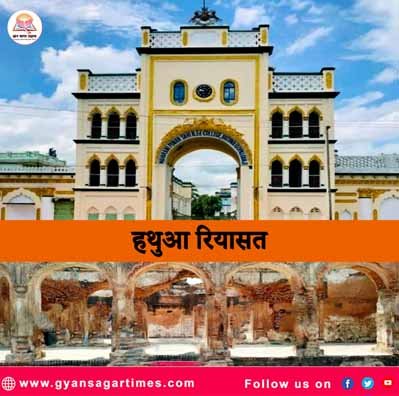
वर्तमान समय से पूर्व जब अंग्रेजों का शासन हुआ करता था तब हमारे देश में रियासतें हुआ करती थी. आज हम उन्हीं रियासतों में से एक रियासत की बात करते हैं. वो रियासत है हथुआ रियासत.
हथुआ रियासत उत्तर बिहार के इतिहास में एक गौरवशाली और महत्वपूर्ण स्थान रखती है. यह न केवल अपनी विशाल जमींदारी के लिए, बल्कि मुगलों और अंग्रेजों के साथ अपने जटिल संबंधों तथा विद्रोहों के लिए भी जानी जाती है. हथुआ रियासत, जिसे पहले कल्याणपुर सरदारी के नाम से भी जाना जाता था, बिहार के सारण मंडल (वर्तमान में गोपालगंज, सीवान और छपरा जिलों) में स्थित एक प्रमुख और सबसे पुरानी जमींदारी में से एक थी. यह बघोचिया राजवंश से संबंधित भूमिहार ब्राह्मणों का एक उपसमूह था, जिसने लगभग 2500 वर्षों तक इस क्षेत्र पर शासन किया.
बताते चलें कि, हथुआ राज का इतिहास ईसा से लगभग 6 वीं सदी पहले, यानी कोसल महाजनपद काल तक जाता है. शुरुआती दौर में यहाँ चेरो जनजाति का प्रभाव था, जिसके बाद राजपूतों और फिर भूमिहार ब्राह्मणों ने प्रभुत्व स्थापित किया। राजा बीरसेन नामक एक भूमिहार नेता को हथुआ राज की नींव रखने वाला माना जाता है.इतिहासकारों के अनुसार, इस राजवंश में अब तक लगभग 106 पीढ़ियाँ शासन कर चुकी हैं.
16वीं शताब्दी में यह सरदारी मुगल सम्राट अकबर के अधीन आ गई। रियासत की पहले की राजधानियों में हुसेपुर, कल्याणपुर, बलचौरा और बघौच शामिल थीं. वर्ष 1539 में, चौसा की लड़ाई में शेरशाह सूरी से पराजित होने के बाद, मुगल सम्राट हुमायूँ ने कल्याणपुर के तत्कालीन राजा जयमल के यहाँ शरण ली थी और राजा ने उनकी सेना को खाद्य सामग्री देकर सहायता की थी.
हथुआ राज के इतिहास में सबसे महत्वपूर्ण और नाटकीय मोड़ महाराजा फतेह शाही बहादुर का अंग्रेजों के खिलाफ विद्रोह था. महाराजा फतेह शाही ने ईस्ट इंडिया कंपनी द्वारा प्राप्त दीवानी अधिकारों (राजस्व वसूली का अधिकार) का कड़ा विरोध किया और अंग्रेजों के खिलाफ बगावत का बिगुल फूँका.
यह विद्रोह वर्ष 1767 में शुरू हुआ और लगभग 20 वर्षों तक चला. फतेह शाही ने गुरिल्ला युद्ध की रणनीति अपनाई और अवध के जंगलों से लेकर पटना तक अंग्रेजों को खूब छकाया. इस विद्रोह के कारण राज परिवार हमेशा के लिए दो हिस्सों में विभाजित हो गया. अंततः, अंग्रेजों ने फतेह शाही के चचेरे भाई बाबू बसंत शाही को राज का उत्तराधिकारी घोषित किया.
बताते चलें कि, स्वतंत्रता से पहले, हथुआ रियासत में बिहार के छपरा, सीवान और गोपालगंज जिलों के 1,365 गाँव शामिल थे. इसका वार्षिक राजस्व लगभग दस लाख रुपये था और इसमें 391,000 से अधिक लोग निवास करते थे. 19वीं शताब्दी की शुरुआत तक, हथुआ में किले, महल और कई मंदिर बनाए गए. वर्ष 1840 के दशक तक, हथुआ को एक बड़े बाजार और द्वि-साप्ताहिक बाजारों के लिए जाना जाता था, जो इलाके में इसकी केंद्रीयता को दर्शाता था.
हथुआ राजघराना अपनी समृद्ध सांस्कृतिक परंपराओं के लिए भी जाना जाता है. दशहरा (विजयदशमी) के दिन महाराजा की पारंपरिक सवारी गोपाल मंदिर और ऐतिहासिक शीश महल से होकर गुजरती थी, जो आज भी एक महत्वपूर्ण आकर्षण का केंद्र है. वहीँ, थावे भवानी मंदिर की शक्तिपीठ से इस राजघराने की गहरी आस्था जुड़ी हुई है. हथुआ महाराज ने शिक्षा और समाज सुधार में भी योगदान दिया. महाराजा सर किशन प्रताप शाही बहादुर ने वर्ष 1888 में हथुआ हाई स्कूल की स्थापना की थी.
आजादी के बाद वर्ष 1952 में जमींदारी उन्मूलन कानून लागू होने के साथ ही हथुआ राज की प्रशासनिक और भू-राजस्व व्यवस्था समाप्त हो गई. हथुआ राजघराने ने कई संस्थानों की स्थापना की, जिनमें हथुआ में महाराजा बहादुर गोपाल शरण हाई स्कूल, छपरा में राजेंद्र कॉलेज और वाराणसी में जीएस डिग्री कॉलेज शामिल हैं.
बताते चलें कि, स्वतंत्रता के बाद भी, हथुआ राज के भूमि प्रबंधन को लेकर कुछ विवाद रहे हैं, खासकर भूदान यज्ञ में भूमि दान करने और उसके वितरण को लेकर.
हथुआ रियासत केवल एक भू-स्वामी क्षेत्र नहीं थी, बल्कि यह बिहार के राजनीतिक, सामाजिक और सांस्कृतिक इतिहास का एक महत्वपूर्ण अध्याय है. अपनी प्राचीनता, मुगलों से लेकर अंग्रेजों तक के संघर्ष, फतेह शाही के विद्रोह और विशाल जमींदारी के साथ, इसने उत्तर बिहार के इतिहास पर एक अमिट छाप छोड़ी है. यह राजघराना आज भी अपने शानदार महल, मंदिरों और प्राचीन परंपराओं के माध्यम से अपनी गौरवशाली विरासत को जीवित रखे हुए है.
========== ========= ===========
Hathua princely state…
Before the British rule, our country was rife with princely states. Today, we will discuss one of those princely states. That state is Hathua.
Hathua holds a proud and important place in the history of North Bihar. It is known not only for its vast estates, but also for its complex relationships and rebellions with the Mughals and the British. Hathua, formerly known as Kalyanpur Sardari, was one of the most prominent and oldest estates located in the Saran division of Bihar (present-day Gopalganj, Siwan, and Chhapra districts). It was a subgroup of Bhumihar Brahmins belonging to the Baghochia dynasty, which ruled the region for approximately 2,500 years.
It is worth noting that the history of Hathua Raj dates back to the Kosala Mahajanapada period, around the 6th century BC. Initially, the Chero tribe held sway, followed by the Rajputs and then the Bhumihar Brahmins. A Bhumihar leader named Raja Birsen is considered the founder of the Hathwa Raj. According to historians, this dynasty has ruled for approximately 106 generations.
In the 16th century, the chieftainship came under the rule of Mughal Emperor Akbar. The state’s earlier capitals included Huseypur, Kalyanpur, Balchaura, and Baghauch. In 1539, after being defeated by Sher Shah Suri in the Battle of Chausa, Mughal Emperor Humayun sought refuge with Jaimal, the then Raja of Kalyanpur, and the Raja provided food supplies to his army.
The most significant and dramatic turning point in the history of the Hathwa Raj was Maharaja Fateh Shah Bahadur’s rebellion against the British. Maharaja Fateh Shah strongly opposed the Diwani rights (revenue collection rights) acquired by the East India Company and led the rebellion against the British.
This rebellion began in 1767 and lasted for approximately 20 years. Fateh Shahi employed guerrilla warfare and harassed the British from the forests of Awadh to Patna. This rebellion permanently divided the royal family. Ultimately, the British declared Fateh Shahi’s cousin, Babu Basant Shahi, as the heir to the throne.
Before independence, the Hathua princely state comprised 1,365 villages in the Chhapra, Siwan, and Gopalganj districts of Bihar. Its annual revenue was approximately one million rupees and it was home to over 391,000 people. By the early 19th century, forts, palaces, and numerous temples were built in Hathua. By the 1840s, Hathua was known for a large bazaar and bi-weekly markets, reflecting its centrality in the area.
The Hathua royal family is also known for its rich cultural traditions. On Dussehra (Vijayadashami), the Maharaja’s traditional procession passed by the Gopal Temple and the historic Sheesh Mahal, which remains a significant attraction even today. The royal family has deep faith in the Shaktipeeth of the Thawe Bhawani Temple. The Hathwa Maharaja also contributed to education and social reform. Maharaja Sir Kishan Pratap Shahi Bahadur established Hathwa High School in 1888.
After independence, with the enactment of the Zamindari Abolition Act in 1952, the administrative and land revenue system of the Hathwa Raj ended. The Hathwa Raj established several institutions, including Maharaja Bahadur Gopal Sharan High School in Hathwa, Rajendra College in Chhapra, and GS Degree College in Varanasi.
It should be noted that even after independence, there have been some controversies regarding the land management of the Hathwa Raj, especially regarding the donation and distribution of land in the Bhoodan Yagna.
The Hathwa State was not merely a landowning region, but an important chapter in the political, social, and cultural history of Bihar. With its antiquity, struggles from the Mughals to the British, the Fateh Shahi rebellion, and vast land holdings, it has left an indelible mark on the history of North Bihar. This royal family still keeps its glorious heritage alive through its magnificent palaces, temples and ancient traditions.