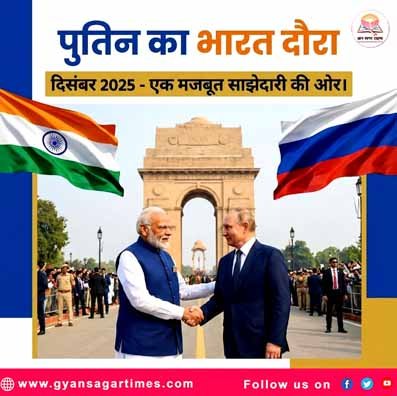
रूस के राष्ट्रपति व्लादिमीर पुतिन का दो दिवसीय भारतीय दौरे पर हैं. यह यात्रा यूक्रेन युद्ध शुरू होने के बाद यह उनकी पहली आधिकारिक यात्रा है.यह दौरा न केवल दोनों देशों के पुराने और भरोसेमंद रिश्तों को रेखांकित करता है, बल्कि बदलते वैश्विक भू-राजनीतिक परिदृश्य में भारत और रूस के लिए इसके गहन निहितार्थ हैं. यह दौरा भारत-रूस वार्षिक शिखर सम्मेलन का 25वां संस्करण होगा.
देर रात पीएम मोदी ने स्वयं हवाई अड्डे पर पुतिन का गर्मजोशी से स्वागत किया, जो सामान्य कूटनीतिक प्रोटोकॉल से हटकर एक निजी और घनिष्ठ संबंध को दर्शाता है. बताते चलें कि, यह दौरा अक्टूबर 2000 में शुरू हुई भारत-रूस रणनीतिक साझेदारी के 25वें वर्ष में हो रहा है, जो इसे और भी खास बना देता है.
यूक्रेन संघर्ष के बावजूद पुतिन की भारत यात्रा, अंतरराष्ट्रीय समुदाय, विशेष रूप से अमेरिका और पश्चिमी देशों को यह स्पष्ट संदेश देती है कि भारत और रूस के संबंध समय की कसौटी पर खरे उतरे हैं और ये किसी बाहरी दबाव से प्रभावित नहीं होंगे।वहीँ, चीन के सरकारी मीडिया ने इस दौरे की सराहना करते हुए पश्चिमी देशों के प्रतिबंधों और दबाव के खिलाफ रूस-भारत सहयोग की सफलता के रूप में देखा है.
ज्ञात है कि, ऐतिहासिक रूप से, भारत और रूस के संबंध रक्षा क्षेत्र पर आधारित रहा है, वर्तमान समय में यह दौरा इस सहयोग को नई गति देने पर केंद्रित है.
बताए चलें कि, भारत को पहले ही S-400 एयर डिफेंस सिस्टम की कुछ यूनिट्स मिल चुकी हैं, और इस यात्रा के दौरान इसकी शेष इकाइयों की डिलीवरी और भविष्य में अतिरिक्त खरीद पर बातचीत होने की संभावना है साथ ही एजेंडे में रूस के सबसे उन्नत Su-57 स्टील्थ फाइटर जेट की खरीद, S-500 मिसाइल डिफेंस सिस्टम पर चर्चा और AK-203 असॉल्ट राइफल जैसे छोटे हथियारों के सौदे शामिल हो सकते हैं.
वर्ष 2021-23 की अवधि के लिए सैन्य तकनीकी सहयोग कार्यक्रम के तहत अनुसंधान-विकास, उत्पादन और रख-रखाव में सहयोग को मजबूत करने की प्रतिबद्धता जताई गई है. भारत अपनी रक्षा आपूर्ति के लिए अभी भी बड़े पैमाने पर रूस पर निर्भर है, हालांकि हाल के वर्षों में फ्रांस और अमेरिका जैसे देशों से भी खरीद बढ़ी है. यह दौरा इस निर्भरता को बनाए रखने या कम करने की भारत की रणनीति के लिए महत्वपूर्ण है.
रक्षा के अलावा, दोनों देशों के बीच आर्थिक सहयोग को बढ़ावा देने पर भी ध्यान केंद्रित है. यूक्रेन युद्ध के बाद रूस से कच्चे तेल की भारत की खरीद में भारी वृद्धि हुई है, जिससे दोनों देशों के बीच व्यापार घाटा भारत के पक्ष में काफी कम हुआ है. इस दौरे में व्यापार संतुलन, भुगतान प्रणाली (जैसे रुपी-रूबल व्यापार), और द्विपक्षीय व्यापार को और मजबूत करने के तरीकों पर चर्चा हुई. साथ ही तेल और गैस जैसे ऊर्जा क्षेत्रों में सहयोग, जिसमें भारत की रूसी परियोजनाओं में भागीदारी भी शामिल है, यह भी एक महत्वपूर्ण विषय है. अंतरिक्ष, विज्ञान और प्रौद्योगिकी जैसे उभरते क्षेत्रों में भी सहयोग को मजबूत करने के लिए समझौते किए जा सकते हैं. दोनों देशों के रक्षा और विदेश मंत्रियों के बीच 2+2 मंत्रिस्तरीय वार्ता जैसे संस्थागत मंच भी द्विपक्षीय संबंधों को और भी गहराई प्रदान करते हैं.
पुतिन का भारत दौरा वैश्विक और क्षेत्रीय भू-राजनीति के संदर्भ में भी महत्वपूर्ण है. भारत ने यूक्रेन युद्ध को लेकर तटस्थ रुख बनाए रखा है, लेकिन शांति और कूटनीति के माध्यम से समाधान पर जोर दिया है. पुतिन इस मंच का उपयोग संघर्ष को समाप्त करने के अमेरिकी प्रयासों पर चर्चा करने के लिए कर सकते हैं. वहीं, दोनों देश अफगानिस्तान की स्थिति और मध्य एशियाई क्षेत्र में आतंकवाद के खतरों को लेकर साझा चिंताएं रखते हैं. इस पर समन्वय और सहयोग को मजबूत करने पर चर्चा हुई. ब्रिक्स (BRICS) और शंघाई सहयोग संगठन (SCO) जैसे बहुपक्षीय मंचों पर सहयोग को मजबूत करने पर भी विचार-विमर्श हुआ.
राष्ट्रपति पुतिन का भारत दौरा मजबूत दोस्ती, रणनीतिक साझेदारी और गहरे कूटनीतिक विश्वास का प्रतीक है. यह दौरा भारत को एक बड़ी शक्ति के रूप में स्थापित करता है, जो अपनी स्वतंत्र विदेश नीति पर अटल है और किसी भी बाहरी दबाव में अपने पुराने मित्र को नहीं छोड़ता है. यह भारत के लिए रक्षा ज़रूरतों को पूरा करने, ऊर्जा सुरक्षा सुनिश्चित करने और वैश्विक मंच पर अपनी स्वायत्तता बनाए रखने के लिए भी महत्वपूर्ण है.
यह दौरा न केवल मौजूदा समझौतों पर मुहर लगाती है, बल्कि भविष्य के सहयोग के लिए एक ठोस रोडमैप भी तैयार करती है, खासकर ऐसे समय में जब भू-राजनीतिक समीकरण तेजी से बदल रहे हों.
========== ========= ===========
Putin’s India Visit…
Russian President Vladimir Putin is on a two-day visit to India. This is his first official visit since the start of the Ukraine war. This visit not only underscores the long-standing and trusted relationship between the two countries, but also has profound implications for India and Russia in the changing global geopolitical landscape. This visit will be the 25th edition of the India-Russia Annual Summit.
Late last night, PM Modi himself warmly welcomed Putin at the airport, reflecting a personal and close relationship that transcends normal diplomatic protocol. It is worth noting that this visit is taking place in the 25th year of the India-Russia Strategic Partnership, which began in October 2000, making it even more special.
Putin’s visit to India, despite the Ukraine conflict, sends a clear message to the international community, particularly the United States and Western countries, that India-Russia relations have stood the test of time and will not be affected by any external pressure. Meanwhile, Chinese state media has hailed the visit as a success of Russia-India cooperation in the face of Western sanctions and pressure.
It is known that while India and Russia’s relations have historically been centered on defense, this visit is focused on giving new impetus to this cooperation.
It is worth noting that India has already received some units of the S-400 air defense system, and discussions on the delivery of the remaining units and future additional purchases are likely to take place during this visit. The agenda could also include the purchase of Russia’s most advanced Su-57 stealth fighter jets, discussions on the S-500 missile defense system, and deals for small arms such as the AK-203 assault rifle.
Under the Military Technical Cooperation Program for the period 2021-23, a commitment has been made to strengthen cooperation in research and development, production, and maintenance. India remains heavily dependent on Russia for its defense supplies, although purchases from countries like France and the United States have also increased in recent years. This visit is important for India’s strategy to maintain or reduce this dependence.
In addition to defense, there is also a focus on promoting economic cooperation between the two countries. India’s purchases of crude oil from Russia have increased significantly since the Ukraine war, significantly reducing the trade deficit between the two countries in India’s favor. The visit discussed trade balance, payment systems (such as rupee-ruble trade), and ways to further strengthen bilateral trade. Cooperation in energy sectors such as oil and gas, including India’s participation in Russian projects, is also an important topic. Agreements may also be reached to strengthen cooperation in emerging areas such as space, science, and technology. Institutionalized platforms such as the 2+2 Ministerial Dialogue between the Defense and Foreign Ministers of the two countries also deepen bilateral relations.
Putin’s visit to India is also significant in the context of global and regional geopolitics. India has maintained a neutral stance on the Ukraine conflict but has emphasized a solution through peace and diplomacy. Putin may use this platform to discuss US efforts to end the conflict. The two countries share concerns about the situation in Afghanistan and the threat of terrorism in the Central Asian region. Discussions focused on strengthening coordination and cooperation on these issues. Strengthening cooperation in multilateral forums such as BRICS and the Shanghai Cooperation Organization (SCO) was also discussed.
President Putin’s visit to India symbolizes strong friendship, strategic partnership, and deep diplomatic trust. This visit establishes India as a major power that is steadfast in its independent foreign policy and does not abandon its old friend under any external pressure. It is also crucial for India to meet its defense needs, ensure energy security, and maintain its autonomy on the global stage.
This visit not only seals existing agreements but also lays down a concrete roadmap for future cooperation, especially at a time when geopolitical dynamics are rapidly changing.