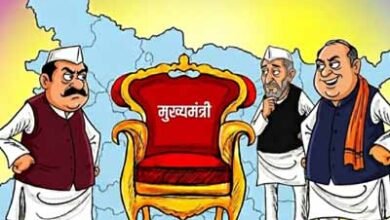
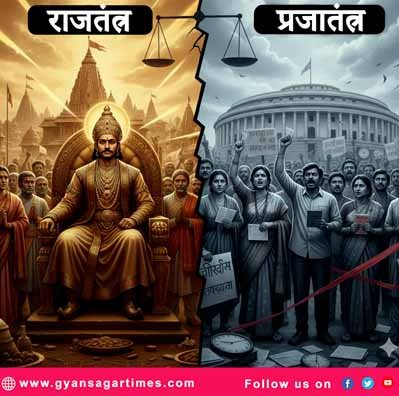
एक सवाल जेहन में आ रहा है.आखिर आवाम किस्से खुश थी “राजतंत्र या प्रजातंत्र”. यह सवाल केवल राजनीतिक ढांचे का नहीं, बल्कि सामाजिक न्याय, समानता और नागरिक अधिकारों का भी है. वर्तमान समय से पीछे चलकर अपने इतिहास को झांके तो पता चलता है कि, मानव सभ्यता के इतिहास में शासन प्रणालियों का विकास केवल सत्ता के हस्तांतरण की कहानी नहीं है, बल्कि यह जनमानस की आकांक्षाओं, संघर्षों और खुशियों का भी प्रतिबिंब है.
राजतंत्र वो व्यवस्था थी जहाँ सत्ता एक व्यक्ति (राजा) के हाथ में होती थी. राजा जो प्रजावत्सल होते थे उनकी निर्णय प्रक्रिया बहुत तेज होती थी. वे अक्सर अपने राजा को ‘ईश्वर का अंश’ या संरक्षक मानते थे जैसे – विक्रमादित्य के काल में जनता व्यवस्था और गौरव की भावना से खुश थी. प्रजा की ख़ुशी पूरी तरह से राजा के चरित्र पर निर्भर करती थी. उस वक्त प्रजा के पास विरोध करने का कोई रास्ता नहीं होता था.
अगर हम बात आधुनिक युग की करते हैं तो इस युग में प्रजातंत्र है. इस युग में सत्ता जनता के हाथों में होती है जनता के प्रतिनिध ही चुनाव के माध्यम से चुने जाते हैं. इस युग में अभिव्यक्ति की आजादी है. यहाँ प्रजा नहीं होता बल्कि नागरिक होता है. प्रजातंत्र की सबसे बड़ी उपलब्धि है राजा और रंक का समान होना.
यहाँ जनता की भागीदारी और मतदान की शक्ति उसे यह अहसास दिलाती है कि वह खुद अपने भाग्य का निर्माता हैं परन्तु, भ्रष्टाचार, निर्णय लेने में देरी और चुनावी राजनीति के कारण कभी-कभी आवाम में असंतोष पैदा होता है. लोकतंत्र में निर्णय लेने की रफ्तार बहुत ही धीमी होती है जिससे असंतोष बढ़ता है. वर्तमान समय में लोकतंत्र की एक बड़ी बाधा होती है कास्टिज्म. यहाँ लोग खंड-खंड में विभक्त होते जा रहें है.
यहाँ नागरिकों की स्वतंत्रता व समानता, खुशी स्थिरता और सुरक्षा से भी जुड़ी होती है. जबकि, राजतंत्र में जनता की खुशी शासक की दया पर निर्भर होती थी. वर्तमान समय में दुनिया के करीब 43 देशों में में राजतंत्र मौजूद है, और इनमें से कई देश आर्थिक समृद्धि और नागरिक खुशी के मामले में शीर्ष पर हैं जैसे – नॉर्वे, नीदरलैंड, जापान और ब्रिटेन। वर्तमान समय में दो तरह के राजतंत्र मुख्य रूप से काम कर रहे हैं ( संवैधानिक राजतंत्र और पूर्ण राजतंत्र).
संवैधानिक राजतंत्र वाले देशों में राजा या रानी केवल एक ‘प्रतीक’ होते हैं. जबकि, शासन पूरी तरह प्रजातांत्रिक तरीके से चुना जाता है. इनमें शामिल देश हैं – ब्रिटेन, जापान, नॉर्वे, स्वीडन और नीदरलैंड। इन देशों में लोकतांत्रिक संस्थाएँ मजबूत हैं, और नागरिक स्वतंत्रता व अधिकार सुरक्षित हैं. वहीँ, पूर्ण राजतंत्र में शामिल देशों के नाम हैं – सऊदी अरब, कतर, ओमान और संयुक्त अरब अमीरात। यहाँ की सत्ता आज भी राजा यानी सुलतान के हाथों में होती है. ये देश बुनियादी ढांचे, तकनीक और प्रति व्यक्ति आय के मामले में दुनिया के कई प्रजातांत्रिक देशों से बहुत आगे हैं. इन देशों की सरकारें (राजवंश) अपनी जनता को भारी सब्सिडी, मुफ्त शिक्षा, स्वास्थ्य सेवाएं और टैक्स-मुक्त जीवन प्रदान करती हैं.
यह कहना गलत होगा कि, प्रजातंत्र हमेशा खुशहाली लाता है या राजतंत्र हमेशा दुःखी. सफल राजतंत्र की बात करें तो कतर या ओमान जैसे देशों ने दिखाया है कि एक ‘परोपकारी तानाशाह’ या राजा देश को तेजी से विकसित कर सकता है. वहां विकास की गति बुलेट ट्रेन से भी तेज है. वहीँ, दुनिया में कई ऐसे देश हैं (जैसे- भारत, वेनेजुएला या कुछ अफ्रीकी देश) जहाँ प्रजातंत्र होने के बावजूद गरीबी, भ्रष्टाचार और भुखमरी है।
आवाम की असली ख़ुशी का राज शासन की “प्रणाली” में नहीं, बल्कि शासन की “नियत” में होता है. वैसे तो देखा जाय तो, दीर्घकालिक रूप से प्रजातंत्र को ही बेहतर माना जाता है क्योंकि यहाँ इंसान को ‘मशीन’ या ‘गुलाम’ नहीं समझता, बल्कि, उसे सोचने और विरोध करने का सम्मान भी देता है.
संजय कुमार सिंह
( राजनितिक एडिटर).
========== ========= ===========
Which was the people happy with? “Monarchy or Democracy?”
A question comes to mind. After all, which was the people happy with? “Monarchy or Democracy.” This question is not only about political structure, but also about social justice, equality, and civil rights. Looking back at our history from the present, we find that the evolution of governance systems in human civilization is not merely a story of the transfer of power, but also a reflection of the aspirations, struggles, and joys of the people.
Monarchy was a system where power rested in the hands of one person (the king). Kings who were people-loving had a very fast decision-making process. They often considered their king a “part of God” or a protector. For example, during the time of Vikramaditya, the people were happy with a sense of order and pride. The happiness of the people depended entirely on the character of the king. At that time, the people had no recourse to protest.
If we talk about the modern era, democracy prevails in this era. In this era, power rests with the people, and their representatives are elected through elections. Freedom of expression prevails in this era. There are no subjects, but citizens. The greatest achievement of democracy is the equality of kings and paupers.
Public participation and the power to vote make them feel they are the masters of their own destiny. However, corruption, delays in decision-making, and electoral politics sometimes lead to public dissatisfaction. Democracy is characterized by a very slow pace of decision-making, which increases dissatisfaction. Casteism is a major obstacle to democracy today, and people are increasingly fragmented.
Here, citizens’ freedom and equality are linked to happiness, stability, and security. Whereas, in monarchies, people’s happiness depended on the mercy of the ruler. Currently, monarchies exist in approximately 43 countries around the world, and many of these countries rank high in economic prosperity and citizen happiness, such as Norway, the Netherlands, Japan, and the United Kingdom. Currently, two main types of monarchies operate: constitutional monarchy and absolute monarchy.
In countries with constitutional monarchies, the king or queen is merely a “symbol,” while the government is fully democratically elected. These countries include Britain, Japan, Norway, Sweden, and the Netherlands. Democratic institutions are strong in these countries, and civil liberties and rights are protected. Meanwhile, countries with absolute monarchies include Saudi Arabia, Qatar, Oman, and the United Arab Emirates. Power here still rests in the hands of the king, or sultan. These countries are far ahead of many democratic countries in terms of infrastructure, technology, and per capita income. Their governments (dynasties) provide their people with substantial subsidies, free education, healthcare, and a tax-free lifestyle.
It would be wrong to say that democracy always brings prosperity or monarchy always brings misery. Speaking of successful monarchies, countries like Qatar and Oman have demonstrated that a “benevolent dictator” or king can rapidly develop a country. The pace of development there is faster than a bullet train. Meanwhile, there are many countries in the world (such as India, Venezuela, or some African countries) where, despite democracy, poverty, corruption, and hunger persist.
The secret of a person’s true happiness lies not in the “system” of governance, but in the “intention” of governance. In fact, democracy is considered better in the long run because it doesn’t treat humans as “machines” or “slaves,” but rather, it gives them the respect to think and protest.
Sanjay Kumar Singh,
(Political Editor).