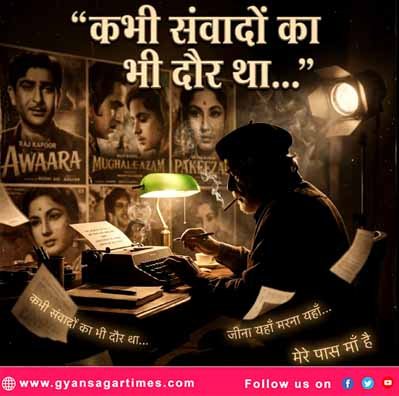
आज हम भारतीय सिनेमा इतिहास के स्वर्णिम अध्याय के बारे बात कर रहें हैं जिसने फिल्मों को सिर्फ मनोरंजन का साधन नहीं, बल्कि जन-मानस की भावनाओं और जुबान का हिस्सा बना दिया. एक समय था जब फ़िल्मों की आत्मा उनके संवादों में बसती थी. ये संवाद न केवल कहानी को आगे बढ़ाते थे, बल्कि दर्शकों के दिलों में अमिट छाप छोड़ते थे.
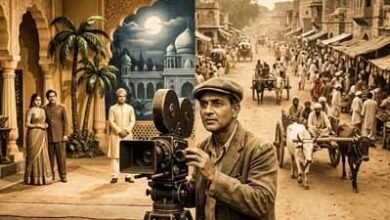
बॉलीवुड की यात्रा मूक फिल्मों से शुरू होकर, ध्वनि (संवाद) के समावेश के साथ एक महत्वपूर्ण मोड़ पर पहुँची। संवादों के जुड़ने से फिल्में जीवंत हो उठीं. यहीं से संवादों का दौर शुरू हुआ, जो दशकों तक सिनेमा का मुख्य आकर्षण बना.
वर्ष 1950 -70 का दशक संवादों का शुरूआती दौर था. इस दौर में संवादों में एक तरह का शास्त्रीय और मंचीय प्रभाव होता था, जिसे पारसी थिएटर की विरासत मानी जाती थी. जहाँ अभिनेता दमदार, ठहराव भरी आवाज और नाटकीय शैली में संवाद बोलते थे. इस दौर में उर्दू, संस्कृतनिष्ठ हिंदी और बोलचाल की भाषा का एक संतुलित मेल देखने को मिलता था. कवि और लेखक जैसे साहिर लुधियानवी, शैलेन्द्र, कैफ़ी आज़मी, गुलज़ार आदि ने गीतों के साथ-साथ संवादों में भी गहराई दी.
उदाहरण –
= दिलीप कुमार जैसे अभिनेताओं ने संवादों को अभिनय-केंद्रित बनाया, जहाँ हर शब्द में भावना की गहराई होती थी.
= “आपके पाँव देखे, बड़े हसीन हैं, इन्हें ज़मीन पर मत उतारिएगा, मैले हो जाएँगे – राज कुमार.
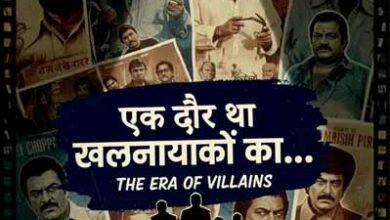
वर्ष 1970 -80 का दशक में जब संवादों ने सिनेमा को एक नया आयाम दिया और जन-विरोध, विद्रोह और सामाजिक चेतना को मुखर किया. इस दौर में संवादों में व्यवस्था के प्रति आक्रोश, गरीबी और अन्याय का दर्द झलकता था. वहीँ, संवाद छोटे, तीखे और अत्यधिक यादगार बनने लगे. सलीम-जावेद की जोड़ी ने संवादों को जनमानस की भाषा बना दिया.
उदाहरण –
= शत्रुघ्न सिन्हा की संवाद शैली और अंदाज़ इसी का उदाहरण है.
= “मेरे पास माँ है.” – शशि कपूर.
= “कितने आदमी थे?- अमजद खान (गब्बर).
= “रिश्ते में तो हम तुम्हारे बाप लगते हैं, नाम है शहंशाह!” – अमिताभ बच्चन.
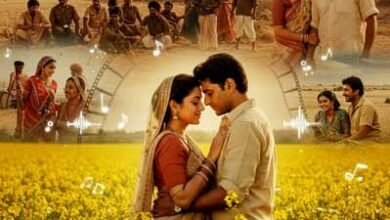
वर्ष 1990 का दशक इस दौर में संवादों में रोमांस और सहजता बढ़ी लेकिन, एक्शन फिल्मों में दमदार डायलॉग्स का महत्व भी बना रहा. इस दौर में भाषा थोड़ी और सरल हुई.
= शाहरुख खान ने ‘दिलवाले दुल्हनिया ले जाएंगे’ जैसे फिल्मों में प्यार, दोस्ती और परिवार से जुड़े सहज संवादों को लोकप्रिय बनाया.
= सनी देओल के ‘दामिनी’ जैसे फिल्मों के संवादों ने न्याय व्यवस्था पर सवाल उठाए, जो जनता के बीच ज़बरदस्त हिट हुए.
वर्ष 2000 के बाद के दशक में संवादों की शैली में महत्वपूर्ण बदलाव आया. अब संवादों में सहज प्रवाह और लचीलापन है, जो असल जिंदगी से जुड़े महसूस होते हैं. वर्तमान समय में क्षेत्रीयता से मुक्त, ग्लोबल शहरी अनुभव से जुड़ी भाषा का उपयोग बढ़ा है. अंग्रेजी और हिंदी का मिश्रण (हिंग्लिश) आम हुआ है, जो आधुनिक भारतीय बातचीत की सच्चाई को दर्शाता है. पहले की अपेक्षा वर्तमान समय में अभिनेता अपने आप को चरित्र के अनुरूप ढालते हैं, और संवाद पात्र की पृष्ठभूमि और बोली के अनुसार लिखे जाते हैं, न कि सिर्फ अभिनेता की स्टाइल के अनुसार.
उदाहरण –
= ‘मुन्नाभाई एमबीबीएस’ का. “टेंशन लेने का नहीं, देने का!” या ‘3 इडियट्स’ का “ऑल इज़ वेल” जैसे संवाद जीवन के मंत्र बन गए.
डिजिटल युग में संवादों का महत्व मीम्स और सोशल मीडिया के माध्यम से नए रूप में उभर रहा है. दूसरी तरफ मल्टीप्लेक्स संस्कृति और वैश्विक प्रभाव ने संवादों की गहराई को कम कर दिया.
“कभी संवादों का भी दौर था बॉलीवुड में…” यह केवल अतीत की याद है. संवाद ही वह धागा हैं जो कहानी, पात्र और दर्शक को जोड़ता हैं. इन संवादों ने ही जन-जन के बीच जगह बनाई, रोजमर्रा की बातचीत का हिस्सा भी बना साथ ही हिंदी सिनेमा को एक नई पहचान भी दी.
========== ========= ===========
There was a time when dialogues were the norm in Bollywood…
Today we’re talking about a golden chapter in Indian cinema history that transformed films from mere entertainment to a form of entertainment, but also into the emotions and language of the masses. There was a time when the soul of films resided in their dialogues. These dialogues not only moved the story forward but also left an indelible mark on the hearts of the audience.
Bollywood’s journey, which began with silent films, reached a turning point with the introduction of sound (dialogue). The addition of dialogue brought films to life. This marked the beginning of the era of dialogue, which remained a key attraction of cinema for decades.
The 1950s-70s were the early days of dialogue. During this period, dialogues had a classical and stage-like influence, considered a legacy of Parsi theatre. Actors spoke in a powerful, steady voice and dramatic style. This era saw a balanced blend of Urdu, Sanskritized Hindi, and colloquial language. Poets and writers like Sahir Ludhianvi, Shailendra, Kaifi Azmi, Gulzar, etc. added depth to dialogues along with songs.
Example –
= Actors like Dilip Kumar made dialogues performance-centric, where every word was deeply emotional.
= “I have seen your feet, they are very beautiful, don’t put them on the ground, they will get dirty” – Raj Kumar.
In the 1970s and 1980s, dialogues gave cinema a new dimension and gave voice to public protest, rebellion, and social consciousness. During this period, dialogues reflected anger against the system, the pain of poverty, and injustice. Meanwhile, dialogues became short, sharp, and highly memorable. The Salim-Javed duo made dialogues the language of the masses.
Example –
= Shatrughan Sinha’s dialogue style and manner are examples of this.
= “I have a mother.” – Shashi Kapoor.
= “How many men were there?” – Amjad Khan (Gabbar).
= “In relation, I am like your father, my name is Shahenshah!” – Amitabh Bachchan.
The 1990s saw an increase in romance and ease in dialogue, but powerful dialogue remained important in action films. Language became a little simpler during this period.
= Shah Rukh Khan popularized simple dialogues about love, friendship, and family in films like “Dilwale Dulhania Le Jayenge.”
= Sunny Deol’s dialogues in films like “Damini” questioned the justice system, becoming a huge hit with the public.
The decade after 2000 saw a significant shift in the style of dialogue. Dialogues now have a natural flow and flexibility, making them feel connected to real life. In the present times, the use of a language free from regionalism and reflecting the global urban experience has increased. A mix of English and Hindi (Hinglish) has become common, reflecting the reality of modern Indian conversation. Unlike in the past, actors today adapt themselves to their characters, and dialogues are written according to the character’s background and dialect, not just the actor’s style.
Examples: – “Don’t take tension, give it!” from “Munnabhai MBBS” or “All is well” from “3 Idiots” became life mantras.
In the digital age, the importance of dialogues is emerging in new forms through memes and social media. On the other hand, multiplex culture and global influence have diminished the depth of dialogues.
“Once upon a time, there was a time for dialogues in Bollywood…” is merely a memory of the past. Dialogues are the thread that connects story, character, and audience. These dialogues have found a place among the masses, become a part of everyday conversation, and have given Hindi cinema a new identity.