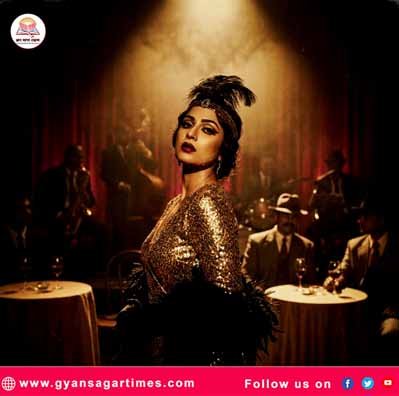
भारतीय सिनेमा के इतिहास में ‘कैबरे’ का दौर केवल गानों और नृत्य तक सीमित नहीं था, बल्कि यह उस समय के सामाजिक बदलावों, आधुनिकता और पश्चिमी प्रभाव का एक अनूठा संगम भी था. वर्ष 1950 के दशक से शुरू होकर 1980 के दशक के मध्य तक, कैबरे बॉलीवुड फिल्मों का एक अनिवार्य हिस्सा बन चुका था.
बताते चलें कि,बॉलीवुड में कैबरे का आगमन वर्ष 1950 के दशक में हुआ था. उस समय भारतीय समाज अपनी पारंपरिक जड़ों से जुड़ा हुआ था, लेकिन बड़े शहरों के क्लबों और नाइटलाइफ़ में पाश्चात्य प्रभाव भी बढ़ रहा था. जब हम कैबरे की बात करते हैं तो हमारे जेहन एक नाम आता है हेलन. हेलन के नृत्य में केवल अंग प्रदर्शन नहीं, बल्कि जबरदस्त ‘फ्लेक्सिबिलिटी’ और ‘एक्सप्रेशन’ थे. उनकी सीक्वेंस वाली पोशाकें और ऊंचे विग उस दौर के कैबरे की पहचान बन गए थे. उन्होंने ‘ओ हसीना जुल्फों वाली’, ‘पिया तू अब तो आजा’, और ‘मोंगा मोंगा’ जैसे गानों ने उन्हें घर-घर में लोकप्रिय बना दिया था.
उस सुनहरे दौर में कैबरे डांसर को ‘वैम्प’ के रूप में दिखाया जाता था. वह नायिका से बिल्कुल उलट होती थी. जहाँ नायिका साड़ी पहनती थी और घरेलू थी, वहीँ, कैबरे डांसर आधुनिक, बोल्ड और स्वतंत्र थी. कैबरे दृश्य अक्सर फिल्म के खलनायक की गुफा या किसी बड़े क्लब में होते थे, जहाँ नायक गुप्त रूप से जानकारी निकालने पहुँचता था. उस समय हेलेन, जयश्री टी, बिंदू, अरुणा ईरानी, और पदमा खन्ना जैसे कलाकारों के नाम कैबरे की धुन के साथ जुड़ गए थे.
कैबरे के दौर को शिखर पर पहुँचाने में संगीत का बहुत बड़ा हाथ था. आर.डी. बर्मन (पंचम दा) ने कैबरे गानों में जैज़, रॉक और लैटिन धुनों का समावेश किया वहीँ, आशा भोंसले की जादुई आवाज़ और उनके ‘सांस लेने’ के अंदाज़ ने इन गानों में जान फूँक दी. ‘दम मारो दम’ जैसे गानों ने बॉलीवुड की पारंपरिक संगीत पद्धति को बदल कर रख दिया था.
वर्ष 1980 के दशक के आते-आते कैबरे का स्वरूप बदलने लगा. परवीन बाबी और ज़ीनत अमान जैसी नायिकाओं ने पर्दे पर ‘बोल्ड’ दिखने की हिचकिचाहट खत्म कर दी. अब नायिका खुद आधुनिक कपड़े पहनकर डांस करने लगी. धीरे-धीरे कैबरे का परिष्कृत नृत्य ‘आइटम नंबर’ में बदल गया, जिसमें कला से ज्यादा ग्लैमर और ‘मास अपील’ पर ध्यान दिया जाने लगा.
भारतीय सिनेमा में कैबरे का दौर केवल मनोरंजन का माध्यम नहीं था, बल्कि वह भारतीय सिनेमा के परिवर्तनकारी युग का गवाह था. हेलेन और उनके समकालीनों ने उसे कला बनाया; समय ने उसे इतिहास बना दिया.
========== ========= ===========
Was there ever a cabaret era in Bollywood?

In the history of Indian cinema, the ‘cabaret’ era was not limited to just songs and dances; it was also a unique blend of the social changes, modernity, and Western influence of that time. Starting in the 1950s and continuing until the mid-1980s, cabaret became an integral part of Bollywood films.
Cabaret arrived in Bollywood in the 1950s. At that time, Indian society was deeply rooted in its traditions, but Western influence was also growing in the clubs and nightlife of big cities. When we talk about cabaret, one name that comes to mind is Helen. Helen’s dances were not just about revealing outfits, but also about tremendous flexibility and expression. Her sequined costumes and elaborate wigs became synonymous with the cabaret of that era. Songs like ‘O Haseena Zulfon Wali’, ‘Piya Tu Ab To Aaja’, and ‘Monga Monga’ made her a household name.
In that golden era, the cabaret dancer was often portrayed as a ‘vamp’. She was the complete opposite of the heroine. While the heroine wore a saree and was traditional, the cabaret dancer was modern, bold, and independent. Cabaret scenes often took place in the villain’s lair or a large club, where the hero would secretly go to gather information. Artists like Helen, Jayshree T., Bindu, Aruna Irani, and Padma Khanna became synonymous with the cabaret genre during that time.
Music played a huge role in taking the cabaret era to its peak. R.D. Burman (Pancham Da) incorporated jazz, rock, and Latin rhythms into cabaret songs, while Asha Bhosle’s magical voice and her unique style of singing breathed life into these songs. Songs like ‘Dum Maro Dum’ revolutionized Bollywood’s traditional music system. By the 1980s, the form of cabaret began to change. Actresses like Parveen Babi and Zeenat Aman broke the hesitation to appear ‘bold’ on screen. Now, the heroines themselves started wearing modern clothes and dancing. Gradually, the refined dance of cabaret transformed into ‘item numbers,’ which focused more on glamour and ‘mass appeal’ than on art.
The era of cabaret in Indian cinema was not just a means of entertainment, but it was also a witness to a transformative period in Indian cinema. Helen and her contemporaries made it an art form; time turned it into history.